 Ver en contexto
 Enviar
 Compartir
 Detalles

 Descargar
 Similares
 Radiografía
 Presentación de diapositivas
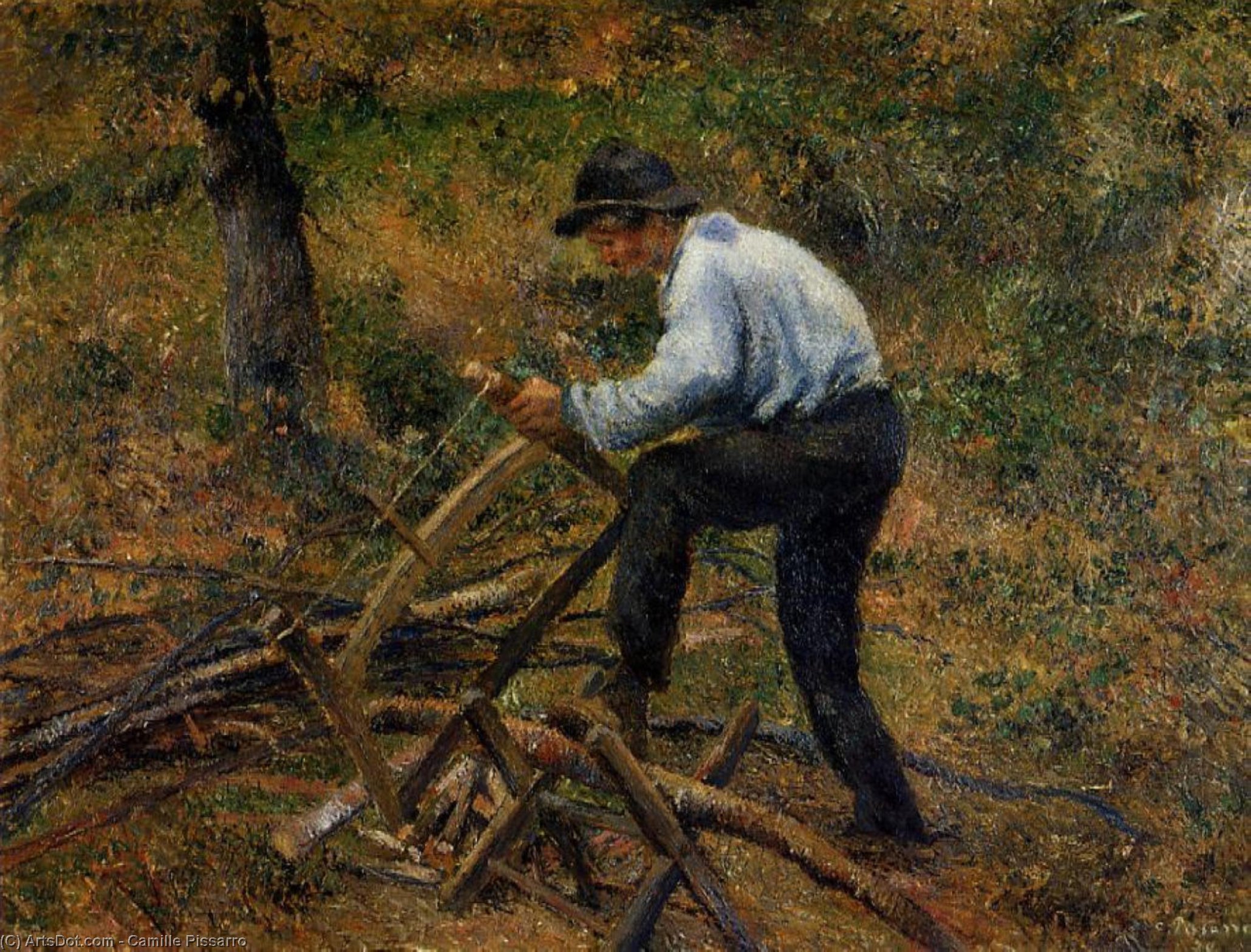
Pere Melon Sawing Wood, Pontoise
 Oil On Canvas
- WallArt
- Impressionist Landscape
 1879
1879 116.0 x 89.0 cm
 Ver más
Reproducción al óleo hecha a mano
Óleo sobre lienzo pintado a mano en el tamaño y marco de su elección, realizado por encargo por nuestros artistas. ( Comprar impresión Comprar imagen)




P118B $10

P118H $10

P118W $10

P438Z $10

P508JH $12

P508YH $12

P805H $10

P805Z $10

P919BZ $10

P919G $10

P919XJ $10

P959ZH $10

P968JZ $12

W106C $8

W218G $10

W218JH $8

W218Y $10

W307PJ $10

W316G $10

W316PJ $8

W316Y $10

W398PJ $8

W4111J $10

W500HY $15

W500JH $15

W692G $12

W849H $8

W940BG $15

W953PJ $8




Elija entre nuestros tamaños predefinidos que respetan las proporciones originales de la obra.

Puede ingresar sus propias dimensiones para adaptarse a un marco o espacio específico. Si el tamaño seleccionado no coincide con las proporciones de la imagen original, recortaremos la obra o extenderemos la pintura con elementos adicionales pintados a mano. Se le enviará una maqueta digital para su aprobación antes de comenzar la producción.
Tenga en cuenta que la vista previa en pantalla no refleja el recorte o la extensión reales. Solo la maqueta mostrará con precisión la composición final.
Si bien existen tamaños personalizados, recomendamos seleccionar una dimensión de la lista predefinida para preservar las proporciones originales.
Tras realizar el pedido, el equipo de ArtsDot.com enviará un correo electrónico al cliente para solicitar instrucciones y proporcionarle una vista previa del boceto.
Envío a todo el mundo () en 3-4 semanas en lugar de las 5 semanas estándar. (1 septiembre). Sin comprometer la calidad.

Envío exprés gratuito a todo el mundo

Lienzo de lino de alta calidad

Seguro de envío total

Garantía de reembolso de impuestos aduaneros

Garantía de fidelidad cromática exacta

Política de devolución de 60 días (solo por defectos)

Garantía de devolución del 100% del dinero

Descuento por cantidad
 La opción de vidrio solo está disponible en tamaños inferiores a 110 cm.

Pere Melon Sawing Wood, Pontoise
Técnica de reproducción
Dimensiones de la reproducción
-


Precio total final
$ 263
A Moment of Rural Labor: Camille Pissarro's *Pere Melon Sawing Wood*
Camille Pissarro’s *Pere Melon Sawing Wood, Pontoise*, painted in 1879, offers a deceptively simple yet profoundly evocative glimpse into the heart of rural life during the Impressionist era. This intimate portrait, measuring 116 x 89 cm, captures a solitary figure – Père Melon – engaged in the timeless task of sawing wood beside a venerable tree, a scene rendered with Pissarro’s characteristic sensitivity to light and atmosphere. The painting isn't merely a depiction of manual labor; it’s an observation, a meditation on the rhythms of nature and the quiet dignity of everyday work.
- Subject Matter: The central focus is Père Melon himself, identified as a local woodcutter, his posture suggesting both strength and weariness. His attire – a simple hat and working clothes – immediately connects him to the viewer, inviting empathy and understanding.
- Composition: Pissarro masterfully employs a balanced composition, placing Père Melon squarely within the frame, surrounded by the verdant hues of the field and the sheltering presence of the trees. The diagonal line created by the saw blade adds dynamism to the scene.
- Color Palette: The artist utilizes a muted yet vibrant color palette dominated by greens, browns, and blues, reflecting the natural light filtering through the foliage. These colors are applied in short, broken brushstrokes – a hallmark of Impressionism – creating a shimmering effect that captures the movement of light and shadow.
Impressionistic Technique and Light
Painted during a pivotal period in Pissarro’s artistic development, *Pere Melon Sawing Wood* exemplifies the core tenets of Impressionism. Rejecting the academic emphasis on precise detail and idealized forms, Pissarro prioritized capturing fleeting moments and subjective perceptions. The visible brushstrokes are not accidental; they are deliberately employed to convey the artist's immediate impression of the scene. This technique, championed by artists like Monet and Renoir, sought to represent light and color as they were actually perceived, rather than as they were traditionally represented in art. The dappled sunlight filtering through the trees is particularly noteworthy, demonstrating Pissarro’s ability to translate atmospheric effects onto canvas with remarkable accuracy.
- Broken Brushstrokes: The painting's texture arises from Pissarro's characteristic use of short, choppy brushstrokes.
- Color Mixing on the Canvas: Rather than meticulously mixing colors in a palette, Pissarro applied pure pigments directly onto the canvas, allowing the viewer’s eye to blend them together.
Symbolism and Context
*Pere Melon Sawing Wood* is more than just a snapshot of rural life; it carries subtle symbolic weight. The act of sawing wood represents not only physical labor but also transformation – the shaping of raw material into something useful. The presence of the birds, one perched delicately on a branch and another in flight, adds an element of tranquility and connection to nature. Painted in 1879, this work reflects Pissarro’s ongoing exploration of the French countryside, a theme that would become central to his artistic output. This period marked a crucial transition for Impressionism, moving beyond purely urban subjects towards a broader engagement with the natural world.
Historical Context: The painting was created during a time of significant social and artistic change in France. The rise of industrialization was transforming rural landscapes, and artists like Pissarro sought to capture these changes before they disappeared. Impressionism itself was challenging traditional notions of beauty and representation, paving the way for modern art.Emotional Impact and Artistic Value
The enduring appeal of *Pere Melon Sawing Wood* lies in its ability to evoke a sense of quiet contemplation and connection to the natural world. It’s a painting that invites us to slow down, observe, and appreciate the simple beauty of everyday life. As a work by one of Impressionism's founding fathers, this piece offers a valuable insight into the movement's origins and its core principles. A hand-painted reproduction of this artwork will bring a touch of rustic charm and artistic sophistication to any interior space, offering a timeless reminder of Pissarro’s masterful observation and enduring legacy.
Obras relacionadas
Biografía del artista
Camille Pissarro: Una Vida en el Arte
Primeros Años y Formación
Jacob Abraham Camille Pissarro nació el 10 de julio de 1830, en Charlotte Amalie, San Tomás (entonces las Islas Vírgenes Occidentales danesas, ahora las Islas Vírgenes de EE. UU.). Su padre, Frederick Abraham Gabriel Pissarro, era de ascendencia judía portuguesa con nacionalidad francesa, y su madre, Rachel Manzano-Pomié, provenía de una familia judía francesa. Su crianza fue algo poco convencional debido a la herencia mixta y las circunstancias de sus padres. Recibió su formación artística temprana en la Academia Savary en Passy, cerca de París, donde desarrolló una apreciación por los maestros del arte francés y fue animado a dibujar de la naturaleza.
A los 17 años, Pissarro regresó a San Tomás y continuó dibujando durante sus descansos mientras trabajaba como empleado de carga. Este período le inculcó una aguda observación de la vida cotidiana y el mundo natural – temas que se convertirían en centrales en su arte.
Desarrollo Artístico e Influencias
En 1855, Pissarro se mudó a París, trabajando como asistente del pintor danés Anton Melbye. Estudió las obras de Gustave Courbet, Jean-Baptiste-Camille Corot, Honoré Daumier, y Charles-François Daubigny, cuyos estilos influyeron profundamente en su trabajo temprano. Encontró la educación artística formal en instituciones como la École des Beaux-Arts sofocante y buscó instrucción alternativa de Corot.
Inicialmente, los cuadros de Pissarro se adherían a los estándares tradicionales, expuestos en el Salón de París. Su primer cuadro fue aceptado en 1859. Sin embargo, pronto comenzó a experimentar con pinceladas más sueltas y un enfoque en capturar los efectos fugaces de la luz – señuelos del Impresionismo.
Contribución al Impresionismo y Más Allá
Camille Pissarro se considera una figura fundamental tanto en el Impresionismo como en el Postimpresionismo. Fue el único artista que expuso en todas las ocho exposiciones impresionistas de París (1874-1886), actuando como una fuerza estabilizadora dentro del grupo. No fue solo un exhibidor; activamente animó y apoyó a sus compañeros artistas, lo que le valió el apodo de “el padre figura” del movimiento.
Más tarde en su carrera, Pissarro exploró el Neoimpresionismo, influenciado por Georges Seurat y Paul Signac, empleando una técnica puntillista durante un período antes de regresar a un estilo más personal.
Logros Principales y Temas
- Paisajes: Pissarro es reconocido por sus representaciones de paisajes rurales y urbanos, a menudo centrándose en escenas de la vida cotidiana.
- Escenas de Vida Parisina: Capturó las bulliciosas calles y el vibrante ambiente de París durante un período de rápidos cambios.
- Vida Campesina: Sus cuadros frecuentemente retratan la vida y el trabajo de los campesinos, reflejando su conciencia social.
- Influencia en Artistas Jóvenes: Pissarro orientó y profundizó en el desarrollo artístico de Paul Cézanne, Vincent van Gogh, y Paul Gauguin.
Significado Histórico y Legado
El legado de Camille Pissarro se extiende más allá de sus hermosos cuadros. Fue un defensor de la libertad artística e innovación, desempeñando un papel crucial en el desarrollo del arte moderno. Su compromiso con pintar *en plein air* (al aire libre) y capturar la experiencia inmediata revolucionó la pintura de paisajes. Su disposición a experimentar con diferentes estilos y técnicas demuestra su curiosidad intelectual y su valentía artística.
Hoy en día, las obras de Pissarro se conservan en importantes museos de todo el mundo, incluido el Museo Kunstsalon Franke Schenk y el Museo Frieder Burda, continuando inspirando a artistas y amantes del arte por igual. Sigue siendo una figura celebrada cuya contribución continúa siendo estudiada y apreciada.
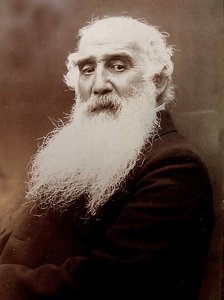
Camille Pissarro
1830 - 1903 , Estados Unidos de América
Datos clave
- Artistas Influenciados:
- Paul Cézanne
- Vincent van Gogh
- Paul Gauguin
- Artistas Que Influyeron:
- Gustave Courbet
- Jean-Baptiste-Camille Corot
- Honoré Daumier
- Fecha De Muerte: 13 de noviembre de 1903
- Fecha De Nacimiento: 10 de julio de 1830
- Lugar De Nacimiento: Charlotte Amalie, EE. UU.
- Movimiento Artístico: Impresionismo, Neoimpresionismo
- Nacionalidad: Dano-francés
- Nombre Completo: Camille Pissarro
- Obras Notables:
- Árbol de Nuez en Primavera
- La Joven Sirvienta
- Nieve en Montfoucault
- Paisaje en Pontoise
- Amanecer sobre los Campos
- Amanecer, Rouen
- Vista de Osny cerca de Pontoise
- El Muelle Malaquais por la Tarde
- Praderas en Éragny
- Paisaje Invernal Ondulado
Artículos relacionados

Giclée Prints: Archival Quality & Aesthetic Nuances for the Discerning Collector
Explore the world of giclée prints with ArtsDot. Learn about archival quality, aesthetic nuances & investment potential. Expert guidance for discerning art collectors seeking museum-quality reproductions and lasting value.

Los 10 Maestros del Paisaje Impresionista: Obras que Cambiaron la Historia del Arte
Descubre los 10 lienzos impresionistas que revolucionaron el arte. Explora la historia de Monet, Van Gogh y Renoir, sus técnicas y colores vibrantes. Encuentra reproducciones de alta calidad para decorar tu hogar en ArtsDot.com

The Enduring Legacy of Fine Art Prints: Technique, History & Aesthetic Impact
Explore the rich history & techniques of fine art prints. Discover investment potential, assess authenticity, and learn how to preserve your collection with expert guidance. Trusted insights for discerning collectors.
Impressionistic Realism's Finest: 10 Masterpieces for Your Home | ArtsDot
Journey through Impressionistic Realism with 10 iconic masterpieces by Monet, Renoir & Van Gogh. Explore art history, techniques & find museum-quality reproductions for your home at ArtsDot.com. Discover all masterpieces online!

Echoes of Time: Exploring the Enduring Appeal & Historical Context of Vintage Art Prints
Explore the captivating world of vintage art prints! Discover their history, collecting tips & enduring appeal. Expert insights on chromolithography and building a legacy collection with ArtsDot.