 Ver en contexto
 Enviar
 Compartir
 Detalles

 Descargar
 Similares
 Radiografía
 Presentación de diapositivas
Portrait of Jeanne 1

 Ver más
Giclée / Impresión de arte
Impresiones giclée o en lienzo de calidad de museo con producción rápida y opciones de acabado flexibles. ( Comprar pintura hecha a mano Comprar imagen)




P118B $10

P118H $10

P118W $10

P438Z $10

P508JH $12

P508YH $12

P805H $10

P805Z $10

P919BZ $10

P919G $10

P919XJ $10

P959ZH $10

P968JZ $12

W106C $8

W218G $10

W218JH $8

W218Y $10

W307PJ $10

W316G $10

W316PJ $8

W316Y $10

W398PJ $8

W4111J $10

W500HY $15

W500JH $15

W692G $12

W849H $8

W940BG $15

W953PJ $8




Elija entre nuestros tamaños predefinidos que respetan las proporciones originales de la obra.

Puede introducir sus propias dimensiones para adaptarse a un marco o espacio específico. Si el tamaño seleccionado no coincide con las proporciones de la imagen original, recortaremos la obra de arte o extenderemos la imagen con un borde con efecto espejo o de color sólido. Se enviará una maqueta digital para su aprobación antes de que comience la producción.
Tenga en cuenta que la vista previa en pantalla no refleja el recorte o la extensión real. Solo la maqueta mostrará con precisión la composición final.
Aunque existen tamaños personalizados, recomendamos seleccionar una dimensión de la lista predefinida para preservar las proporciones originales.
Envío a todo el mundo () en 2 semanas en lugar de las 4/5 semanas estándar. (30 agosto)

Envío exprés gratuito a todo el mundo

Lienzo de lino de alta calidad

Seguro de envío total

Garantía de reembolso de impuestos aduaneros

Garantía de fidelidad cromática exacta

Política de devolución de 60 días (solo por defectos)

Garantía de devolución del 100% del dinero

Descuento por cantidad
 La opción de vidrio solo está disponible en tamaños inferiores a 110 cm.

Portrait of Jeanne 1
Giclée / Impresión de arte
Dimensiones de la reproducción
-


Precio total final
$ 62
A Portrait of Quiet Observation: Camille Pissarro's *Portrait of Jeanne 1*
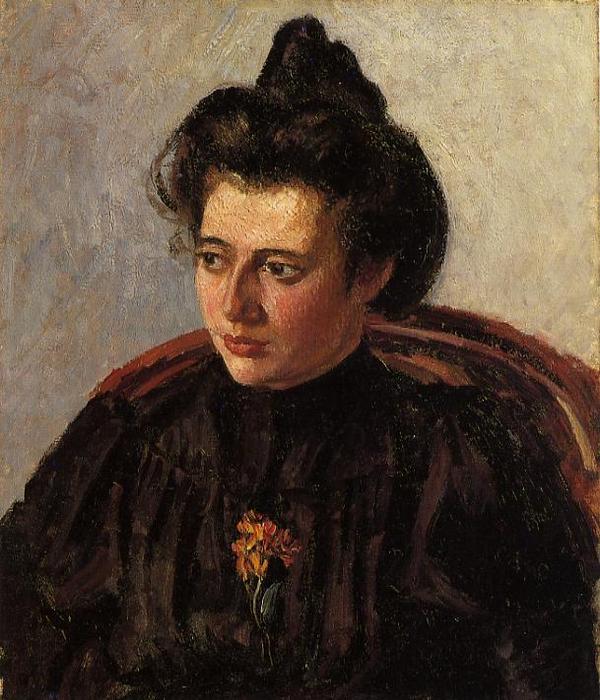
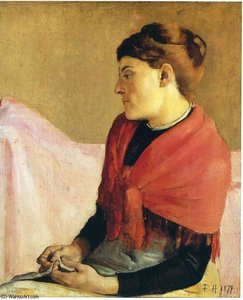
Camille Pissarro’s *Portrait of Jeanne 1*, a captivating study in understated elegance, offers a poignant glimpse into the burgeoning world of Impressionism during its formative years. Painted circa 1870-75, this work exemplifies Pissarro's evolving approach to portraiture – moving beyond mere likeness towards a deeper exploration of psychological nuance and atmospheric effect. The subject, a woman with dark hair adorned with a delicate flower, is presented in a seated pose, her direct gaze engaging the viewer with an almost unnerving intimacy. This isn’t a grand, theatrical depiction; rather, it's a moment captured, a fleeting impression rendered with remarkable sensitivity.
- Subject and Composition: The central figure, Jeanne, dominates the canvas, her posture suggesting both composure and vulnerability. The inclusion of two secondary figures – one subtly positioned in the upper left corner and another near the bottom right – introduces a layer of social context, hinting at the domestic sphere and the importance of relationships within Pissarro’s artistic vision.
- Technique and Style: Executed with characteristic Pissarro brushwork, *Portrait of Jeanne 1* showcases his mastery of broken color and loose strokes. The palette is predominantly monochromatic – shades of grey, black, and white – creating a sense of quiet solemnity and emphasizing the textures of the dress and hair. This restrained use of color aligns with the Impressionist movement’s focus on capturing fleeting moments of light and atmosphere rather than adhering to traditional academic standards.
- Historical Context: Painted during a period of significant artistic experimentation, *Portrait of Jeanne 1* reflects Pissarro's pivotal role in the development of Impressionism. He was a key figure within the Société des Artistes Indépendants, an organization that championed independent artists and challenged the established Salon system. This painting demonstrates his commitment to capturing contemporary life and exploring new artistic possibilities.
Symbolic Elements and Emotional Resonance
Beyond its technical brilliance, *Portrait of Jeanne 1* is imbued with subtle symbolic meaning. The flower in her hair – a common motif in Victorian portraiture – can be interpreted as representing beauty, fragility, or perhaps even remembrance. Her direct gaze invites contemplation, prompting the viewer to consider not just her appearance but also her inner thoughts and emotions. The inclusion of the couch and the other figures suggests a domestic setting, reinforcing the theme of human connection and social interaction, central to Pissarro’s artistic concerns.
- Color as Emotion: The limited color palette isn't merely aesthetic; it contributes significantly to the painting's emotional impact. The grey tones evoke a sense of melancholy or introspection, while the subtle variations in shade create depth and dimension.
- The Power of Observation: Pissarro’s approach here is deeply rooted in his belief that art should be based on careful observation of the world around him. He sought to capture not just what he saw but also how he *felt* about what he saw, translating these emotions onto the canvas with remarkable skill.
A Timeless Masterpiece – Perfect for Your Space
*Portrait of Jeanne 1* is more than just a painting; it’s an invitation to engage in a quiet dialogue with one of Impressionism's most influential figures. A hand-painted reproduction offers the opportunity to bring this timeless masterpiece into your home or office, adding a touch of sophistication and intellectual depth to any setting. Its understated elegance and evocative atmosphere make it a perfect choice for collectors, art enthusiasts, and interior designers seeking to create a space that is both beautiful and thought-provoking.
Reproductions Available in Various SizesObras relacionadas
Biografía del artista
Camille Pissarro: Una Vida en el Arte
Primeros Años y Formación
Jacob Abraham Camille Pissarro nació el 10 de julio de 1830, en Charlotte Amalie, San Tomás (entonces las Islas Vírgenes Occidentales danesas, ahora las Islas Vírgenes de EE. UU.). Su padre, Frederick Abraham Gabriel Pissarro, era de ascendencia judía portuguesa con nacionalidad francesa, y su madre, Rachel Manzano-Pomié, provenía de una familia judía francesa. Su crianza fue algo poco convencional debido a la herencia mixta y las circunstancias de sus padres. Recibió su formación artística temprana en la Academia Savary en Passy, cerca de París, donde desarrolló una apreciación por los maestros del arte francés y fue animado a dibujar de la naturaleza.
A los 17 años, Pissarro regresó a San Tomás y continuó dibujando durante sus descansos mientras trabajaba como empleado de carga. Este período le inculcó una aguda observación de la vida cotidiana y el mundo natural – temas que se convertirían en centrales en su arte.
Desarrollo Artístico e Influencias
En 1855, Pissarro se mudó a París, trabajando como asistente del pintor danés Anton Melbye. Estudió las obras de Gustave Courbet, Jean-Baptiste-Camille Corot, Honoré Daumier, y Charles-François Daubigny, cuyos estilos influyeron profundamente en su trabajo temprano. Encontró la educación artística formal en instituciones como la École des Beaux-Arts sofocante y buscó instrucción alternativa de Corot.
Inicialmente, los cuadros de Pissarro se adherían a los estándares tradicionales, expuestos en el Salón de París. Su primer cuadro fue aceptado en 1859. Sin embargo, pronto comenzó a experimentar con pinceladas más sueltas y un enfoque en capturar los efectos fugaces de la luz – señuelos del Impresionismo.
Contribución al Impresionismo y Más Allá
Camille Pissarro se considera una figura fundamental tanto en el Impresionismo como en el Postimpresionismo. Fue el único artista que expuso en todas las ocho exposiciones impresionistas de París (1874-1886), actuando como una fuerza estabilizadora dentro del grupo. No fue solo un exhibidor; activamente animó y apoyó a sus compañeros artistas, lo que le valió el apodo de “el padre figura” del movimiento.
Más tarde en su carrera, Pissarro exploró el Neoimpresionismo, influenciado por Georges Seurat y Paul Signac, empleando una técnica puntillista durante un período antes de regresar a un estilo más personal.
Logros Principales y Temas
- Paisajes: Pissarro es reconocido por sus representaciones de paisajes rurales y urbanos, a menudo centrándose en escenas de la vida cotidiana.
- Escenas de Vida Parisina: Capturó las bulliciosas calles y el vibrante ambiente de París durante un período de rápidos cambios.
- Vida Campesina: Sus cuadros frecuentemente retratan la vida y el trabajo de los campesinos, reflejando su conciencia social.
- Influencia en Artistas Jóvenes: Pissarro orientó y profundizó en el desarrollo artístico de Paul Cézanne, Vincent van Gogh, y Paul Gauguin.
Significado Histórico y Legado
El legado de Camille Pissarro se extiende más allá de sus hermosos cuadros. Fue un defensor de la libertad artística e innovación, desempeñando un papel crucial en el desarrollo del arte moderno. Su compromiso con pintar *en plein air* (al aire libre) y capturar la experiencia inmediata revolucionó la pintura de paisajes. Su disposición a experimentar con diferentes estilos y técnicas demuestra su curiosidad intelectual y su valentía artística.
Hoy en día, las obras de Pissarro se conservan en importantes museos de todo el mundo, incluido el Museo Kunstsalon Franke Schenk y el Museo Frieder Burda, continuando inspirando a artistas y amantes del arte por igual. Sigue siendo una figura celebrada cuya contribución continúa siendo estudiada y apreciada.
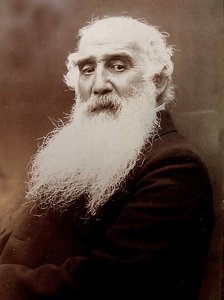
Camille Pissarro
1830 - 1903 , Estados Unidos de América
Datos clave
- Artistas Influenciados:
- Paul Cézanne
- Vincent van Gogh
- Paul Gauguin
- Artistas Que Influyeron:
- Gustave Courbet
- Jean-Baptiste-Camille Corot
- Honoré Daumier
- Fecha De Muerte: 13 de noviembre de 1903
- Fecha De Nacimiento: 10 de julio de 1830
- Lugar De Nacimiento: Charlotte Amalie, EE. UU.
- Movimiento Artístico: Impresionismo, Neoimpresionismo
- Nacionalidad: Dano-francés
- Nombre Completo: Camille Pissarro
- Obras Notables:
- Árbol de Nuez en Primavera
- La Joven Sirvienta
- Nieve en Montfoucault
- Paisaje en Pontoise
- Amanecer sobre los Campos
- Amanecer, Rouen
- Vista de Osny cerca de Pontoise
- El Muelle Malaquais por la Tarde
- Praderas en Éragny
- Paisaje Invernal Ondulado
Artículos relacionados

Blanco Sublime: Los 10 Cuadros Más Famosos Dominados por la Luz y el Color
Descubre los 10 cuadros blancos más emblemáticos de la historia del arte. Explora Monet, Van Gogh y Klimt, y su magistral uso de la luz y el color. Encuentra reproducciones de alta calidad e inspírate para tu decoración en .

Giclée Prints: Archival Quality & Aesthetic Nuances for the Discerning Collector
Explore the world of giclée prints with ArtsDot. Learn about archival quality, aesthetic nuances & investment potential. Expert guidance for discerning art collectors seeking museum-quality reproductions and lasting value.

Las 10 Pinturas Más Famosas Dominadas por el Negro | Arte y Decoración
Descubre las 10 pinturas más impactantes dominadas por el negro. Explora obras maestras de Rembrandt, Goya y Rothko, su historia y significado. Encuentra reproducciones de arte exclusivas para transformar tu hogar en .

Monochrome Visions: Exploring the Aesthetic & Historical Significance of Black & White Photography
Explore the rich history & artistic power of black and white photography. From early techniques to iconic masters like Ansel Adams, discover why monochrome continues to captivate art lovers today. Expert insights for collectors.

Los 10 Maestros del Paisaje Impresionista: Obras que Cambiaron la Historia del Arte
Descubre los 10 lienzos impresionistas que revolucionaron el arte. Explora la historia de Monet, Van Gogh y Renoir, sus técnicas y colores vibrantes. Encuentra reproducciones de alta calidad para decorar tu hogar en ArtsDot.com