

 Ver en contexto
 Enviar
 Compartir
 Detalles

 Descargar
 Similares
 Radiografía
 Presentación de diapositivas
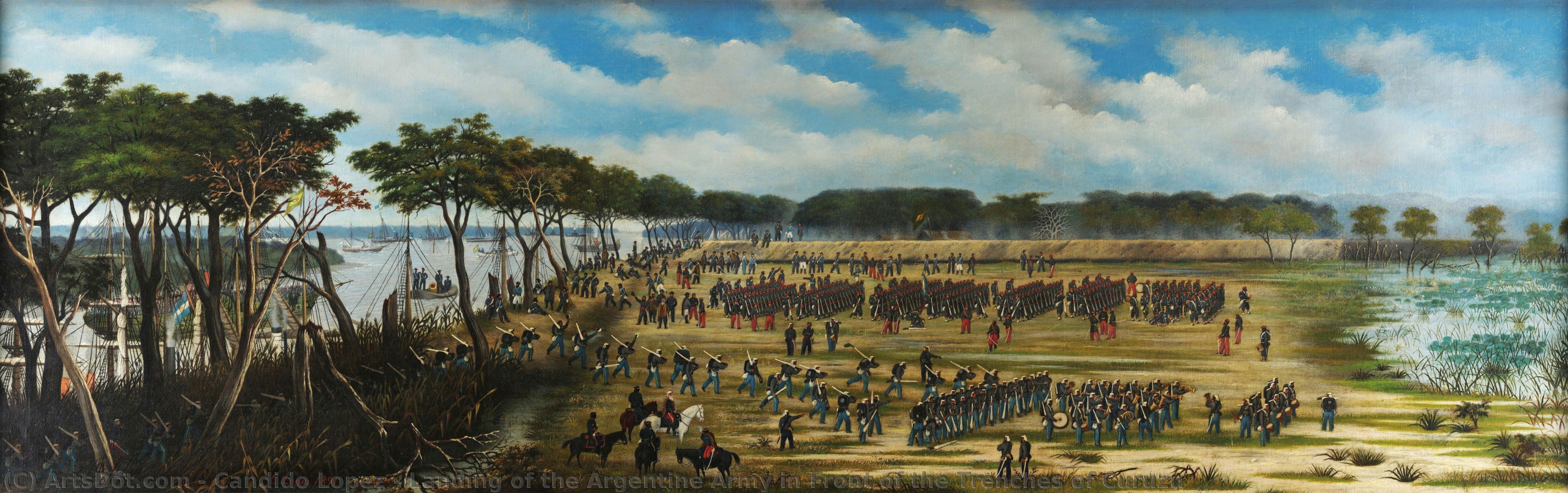
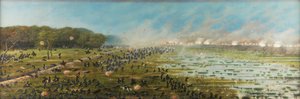
Landing of the Argentine Army in Front of the Trenches of Curuzu
 Oil
Oil- WallArt
- Realism
 1891
1891- 19th Century
 152.0 x 48.0 cm
 Museo Nacional de Bellas Artes
 Ver más
Giclée / Impresión de arte
Impresiones giclée o en lienzo de calidad de museo con producción rápida y opciones de acabado flexibles. ( Comprar pintura hecha a mano Comprar imagen)




P118B $10

P118H $10

P118W $10

P438Z $10

P508JH $12

P508YH $12

P805H $10

P805Z $10

P919BZ $10

P919G $10

P919XJ $10

P959ZH $10

P968JZ $12

W106C $8

W218G $10

W218JH $8

W218Y $10

W307PJ $10

W316G $10

W316PJ $8

W316Y $10

W398PJ $8

W4111J $10

W500HY $15

W500JH $15

W692G $12

W849H $8

W940BG $15

W953PJ $8




Elija entre nuestros tamaños predefinidos que respetan las proporciones originales de la obra.

Puede introducir sus propias dimensiones para adaptarse a un marco o espacio específico. Si el tamaño seleccionado no coincide con las proporciones de la imagen original, recortaremos la obra de arte o extenderemos la imagen con un borde con efecto espejo o de color sólido. Se enviará una maqueta digital para su aprobación antes de que comience la producción.
Tenga en cuenta que la vista previa en pantalla no refleja el recorte o la extensión real. Solo la maqueta mostrará con precisión la composición final.
Aunque existen tamaños personalizados, recomendamos seleccionar una dimensión de la lista predefinida para preservar las proporciones originales.
Envío a todo el mundo () en 2 semanas en lugar de las 4/5 semanas estándar. (6 septiembre)

Envío exprés gratuito a todo el mundo

Lienzo de lino de alta calidad

Seguro de envío total

Garantía de reembolso de impuestos aduaneros

Garantía de fidelidad cromática exacta

Política de devolución de 60 días (solo por defectos)

Garantía de devolución del 100% del dinero

Descuento por cantidad
 La opción de vidrio solo está disponible en tamaños inferiores a 110 cm.

Landing of the Argentine Army in Front of the Trenches of Curuzu
Giclée / Impresión de arte
Dimensiones de la reproducción
-


Precio total final
$ 62
A Moment Frozen in Time: The Arrival at Curuzú
In the sweeping, panoramic expanse of Cándido López’s Landing of the Argentine Army in Front of the Trenches of Curuzú, we are transported back to 1891, witnessing a pivotal chapter of South American history. This remarkable work does not merely depict a military maneuver; it captures the very breath of anticipation and the heavy atmosphere of impending conflict. As the eye wanders across the sandy shores and the edge of the water, one encounters a group of soldiers caught in that profound, quiet moment between arrival and action. The composition invites the viewer to step onto the beach, feeling the grit of the sand and the weight of the historical gravity that hangs over these fourteen visible figures as they prepare to face the trenches ahead.
The painting serves as a window into the soul of the Paraguayan War era, rendered through the unique lens of an artist who was both a witness and a participant. Unlike traditional battle paintings that often rely on grand, sweeping gestures of heroism, López utilizes a meticulous, almost documentary-like precision. His background in photography and daguerreotype training is evident in the way light hits the water and how each individual figure is placed with deliberate care. There is a haunting neutrality to his style—a refusal to romanticize the violence, choosing instead to focus on the logistical reality and the human presence within the landscape. This creates a sense of profound authenticity that resonates deeply with collectors of historical fine art.
The Artistry of Detail and Historical Resonance
Technically, the work is a masterclass in narrative landscape painting. The elongated format of the canvas—measuring an impressive 152 x 48 cm—allows for a cinematic progression of movement, guiding the viewer from the shoreline toward the distant, looming threat of the trenches. López employs a delicate touch to render the textures of the natural environment, from the shimmering surface of the river to the rugged terrain of the landing site. This attention to detail transforms the piece from a mere historical record into an immersive sensory experience. For the interior designer, such a piece offers a commanding presence, acting as a sophisticated focal point that anchors a room with its profound depth and storytelling power.
Beyond its aesthetic merits, the emotional impact of the painting lies in its quiet tension. There is a palpable sense of bravery and determination etched into the very landscape itself. The soldiers are not depicted in the heat of a charge, but in the preparation—the checking of gear, the observation of the horizon, and the silent communication between comrades. This subtle portrayal of human resilience makes the artwork deeply moving, offering a contemplative experience for anyone who appreciates art that explores the complexities of duty and survival. Owning a reproduction of this masterpiece is an opportunity to possess a fragment of Argentine heritage, bringing a sense of timelessness and intellectual depth to any curated collection or elegant living space.
Obras relacionadas

Biografía del artista
Cándido López: Vida, Obra y Legado de un Artista Soldado
- Nacimiento: Buenos Aires, Argentina (1840)
- Fallecimiento: 1902
- Nacionalidad: Argentino
- Movimiento Artístico: Arte Naïf (Primitivismo)
- Conocido Por: Escenas históricas de la Guerra del Paraguay
La vida de Cándido López fue una singular combinación de talento artístico, servicio militar y resiliencia personal. Nacido en Buenos Aires en 1840, inicialmente persiguió la fotografía como carrera, estudiando con Carlos Descalzo, un retratista y fotógrafo local. Esta temprana formación le inculcó una apreciación por la composición y el detalle, habilidades que luego serían invaluables para sus empeños pictóricos. La naturaleza meticulosa de la daguerrotipia requería una planificación cuidadosa, lo que llevó a López a comenzar a dibujar como ayuda – una práctica que finalmente impulsó su transición a la pintura.
Primeros Años y Influencias Artísticas
Entre 1859 y 1863, López viajó extensamente por la provincia de Buenos Aires y la región sur de Santa Fe, documentando paisajes y capturando fotografías. Estableció un estudio permanente en Mercedes en 1860 y obtuvo reconocimiento cuando fue comisionado para pintar un retrato del Presidente Bartolomé Mitre. Su desarrollo artístico estuvo significativamente influenciado por el muralista italiano Ignacio Manzoni y el pintor Baldassare Verazzi, quienes brindaron orientación sobre el uso del color y la perspectiva. Estas influencias ayudaron a dar forma a su estilo en evolución.
La Guerra del Paraguay: Una Perspectiva de un Artista Soldado
La vida de López dio un giro dramático con el estallido de la Guerra del Paraguay en 1864. Alistándose como segundo teniente debido a su alfabetización, fue asignado al batallón de Infantería San Nicolás. En lugar de abandonar sus aspiraciones artísticas, López utilizó su tiempo libre entre batallas para pintar paisajes y escenas de campamentos militares, enviando estas obras de vuelta a Buenos Aires donde obtuvieron una considerable popularidad. Participó en batallas clave como Estero Bellaco y Boquerón. Durante la Batalla de Curupayty, una explosión de granada resultó en el desgarro de su muñeca derecha, lo que requirió amputación por encima del codo para prevenir la gangrena. Jubilado como inválido, López regresó a San Nicolás y notablemente comenzó a pintar nuevamente con su mano izquierda.
Estilo Artístico y Obras Principales
Tras su recuperación, López se dedicó enteramente a representar escenas de la Guerra del Paraguay. Sus pinturas se caracterizan por un formato distintivo alargado (a menudo 40 x 120 cm o 48.5 x 152 cm), que permitía una representación detallada de múltiples acciones dentro de un solo lienzo. Su estilo se categoriza a menudo como Arte Naïf, demostrando un enfoque directo y poco pretencioso hacia el tema. Si bien inicialmente empleó una perspectiva triangular cerca del suelo, luego cambió a puntos de vista elevados que enfatizaban la profundidad y mostraban vastos paisajes. Notablemente, las pinturas de guerra de López evitan las exhibiciones explícitas de emoción o sufrimiento; en cambio, presentan una visión distante, casi postal, del conflicto, representando a los soldados como pequeñas figuras dentro de entornos naturales serenos. Sus obras son conocidas por su perspectiva inusual y sus detalladas representaciones tanto de eventos militares como del entorno circundante.
Vida Posterior, Reconocimiento y Legado
En sus años posteriores, López vivió en varias ubicaciones incluyendo San Antonio de Areco y Merlo, finalmente estableciéndose en Carmen de Areco. A pesar del reconocimiento crítico, luchó por lograr el éxito financiero. En 1885, solicitó asistencia al ex Presidente Mitre, quien acordó proporcionar un subsidio a cambio de una serie de pinturas que documentaran la guerra. López trabajó diligentemente en estas piezas comisionadas entre 1888 y 1902, con la intención de crear noventa lienzos pero completando cincuenta y ocho. Falleció en 1902 y fue enterrado militarmente con honores en el Cementerio de La Recoleta. El legado de Cándido López reside en su perspectiva única sobre la Guerra del Paraguay – una mezcla de talento artístico, experiencia militar y un compromiso inquebrantable para documentar un momento crucial en la historia argentina. Sus pinturas ofrecen un valioso registro visual del conflicto, caracterizado por su estilo distintivo y notable neutralidad.
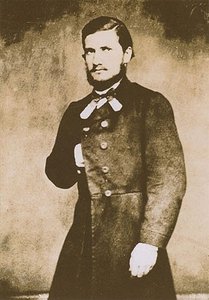
Cándido López
1840 - 1902 , Argentina
Datos clave
- Artistas Que Influyeron:
- Carlos Descalzo
- Ignacio Manzoni
- Baldassare Verazzi
- Fecha De Fallecimiento: 31 de diciembre de 1902
- Fecha De Nacimiento: 29 de agosto de 1840
- Lugar De Nacimiento: Buenos Aires, Argentina
- Movimiento Artístico: Arte naïf (Primitivismo)
- Nacionalidad: Argentina
- Nombre Completo: Cándido López
- Obras Notables: ['Escenas de la Guerra del Paraguay']
Artículos relacionados

Paisajes Románticos: 10 Obras Maestras que Definieron un Movimiento Artístico
Descubre los 10 paisajes románticos más influyentes de artistas como Caspar David Friedrich y Turner. Explora la belleza, el simbolismo y las técnicas del movimiento romántico. Reproducciones de arte exclusivas en ArtsDot.com.

Evocations of Place: A Historical Journey Through Landscape Art
Explore the rich history of landscape art with ArtsDot. Discover renowned artists, movements like Impressionism & Romanticism, and expert guidance for collecting timeless pieces. Find your perfect serene escape today!

John Constable: Las 25 Obras Maestras del Paisaje Inglés | ArtsDot
Descubre las 25 obras maestras de John Constable, el pintor romántico inglés que capturó la belleza del paisaje. Explora su técnica, historia y significado en ArtsDot.com. Reproducciones de arte de alta calidad para tu hogar.

Evocations of Place: A Historical Journey Through Landscape Art
Explore the rich history of landscape art with ArtsDot. Discover renowned artists, movements like Impressionism & tonalism, and expert guidance for collecting timeless pieces. Find your perfect serene escape today!
William Owen: A Poetic Vision of War & Landscape in British Modernism
Explore the poignant war poetry of Wilfred Owen, a key figure in British Modernism. Discover his innovative style, themes of loss & camaraderie, and lasting impact on 20th-century literature. Analysis & historical context included.

