 Ver en contexto
 Enviar
 Compartir
 Detalles

 Descargar
 Similares
 Radiografía
 Presentación de diapositivas
Retrato de Alof De Wignacourt - Florencia


 Ver más
Reproducción al óleo hecha a mano
Óleo sobre lienzo pintado a mano en el tamaño y marco de su elección, realizado por encargo por nuestros artistas. ( Comprar impresión Comprar imagen)




P118B $10

P118H $10

P118W $10

P438Z $10

P508JH $12

P508YH $12

P805H $10

P805Z $10

P919BZ $10

P919G $10

P919XJ $10

P959ZH $10

P968JZ $12

W106C $8

W218G $10

W218JH $8

W218Y $10

W307PJ $10

W316G $10

W316PJ $8

W316Y $10

W398PJ $8

W4111J $10

W500HY $15

W500JH $15

W692G $12

W849H $8

W940BG $15

W953PJ $8




Elija entre nuestros tamaños predefinidos que respetan las proporciones originales de la obra.

Puede ingresar sus propias dimensiones para adaptarse a un marco o espacio específico. Si el tamaño seleccionado no coincide con las proporciones de la imagen original, recortaremos la obra o extenderemos la pintura con elementos adicionales pintados a mano. Se le enviará una maqueta digital para su aprobación antes de comenzar la producción.
Tenga en cuenta que la vista previa en pantalla no refleja el recorte o la extensión reales. Solo la maqueta mostrará con precisión la composición final.
Si bien existen tamaños personalizados, recomendamos seleccionar una dimensión de la lista predefinida para preservar las proporciones originales.
Tras realizar el pedido, el equipo de ArtsDot.com enviará un correo electrónico al cliente para solicitar instrucciones y proporcionarle una vista previa del boceto.
Envío a todo el mundo () en 3-4 semanas en lugar de las 5 semanas estándar. (24 agosto). Sin comprometer la calidad.

Envío exprés gratuito a todo el mundo

Lienzo de lino de alta calidad

Seguro de envío total

Garantía de reembolso de impuestos aduaneros

Garantía de fidelidad cromática exacta

Política de devolución de 60 días (solo por defectos)

Garantía de devolución del 100% del dinero

Descuento por cantidad
 La opción de vidrio solo está disponible en tamaños inferiores a 110 cm.

Retrato de Alof De Wignacourt - Florencia
Técnica de reproducción
Dimensiones de la reproducción
-


Precio total final
$ 263
Descripción de la obra
A Knight of Malta: Unveiling Caravaggio’s Portrait of Alof de Wignacourt - Florence
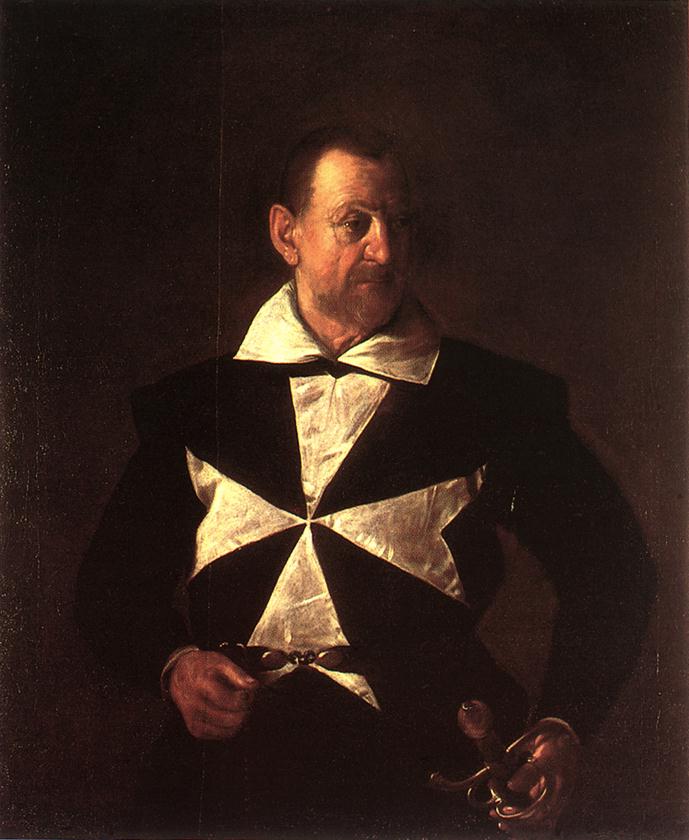
This commanding portrait, painted between 1607-1608 by the masterful Michelangelo Merisi da Caravaggio, offers a compelling glimpse into both the life of a powerful historical figure and the artistic genius of one of the Baroque period's most revolutionary painters. Currently residing in the Louvre Museum, Paris, this artwork transcends mere representation; it’s a study in power, faith, and the dramatic interplay of light and shadow. Caravaggio’s masterful use of tenebrism—the stark contrast between illumination and darkness—immediately draws the viewer’s eye, establishing an atmosphere of solemn grandeur that reflects the seriousness of its subject matter.Historical Context: The Grand Master and His Artist
Alof de Wignacourt served as the 54th Grand Master of the Order of Malta from 1601 to 1622, a period marked by significant political and military activity for the Knights. This portrait wasn’t simply a commission; it was a gesture of gratitude from the artist to his protector, recognizing Wignacourt's leadership in safeguarding the Order’s interests during turbulent times. The Order of Malta held considerable influence in the Mediterranean Sea, and Wignacourt spearheaded efforts to bolster its defenses against Ottoman aggression—a testament to his unwavering dedication to upholding papal authority and securing the Order’s future prosperity. Caravaggio, seeking refuge from persecution after a fatal brawl in Rome, found patronage under Wignacourt's protection, forging an alliance that would yield one of art history’s most iconic images.A Study in Baroque Realism: Style & Technique
Caravaggio’s stylistic approach represents a radical departure from the idealized forms prevalent in Renaissance painting. He embraced realism with uncompromising conviction, depicting Wignacourt not as an ethereal ideal but as a man of flesh and blood—clad in opulent armor that speaks to his martial prowess. The artist's technique is characterized by meticulous observation combined with dramatic chiaroscuro—the manipulation of light and shadow—creating a visual experience that transcends mere depiction. This masterful use of tenebrism doesn’t merely illuminate the subject; it imbues the portrait with psychological depth, emphasizing Wignacourt’s authority and conveying an aura of solemn dignity. The canvas measures 195 cm x 134 cm, allowing for a life-size portrayal that maximizes its impact on the viewer's perception.Decoding the Symbolism: Armor, Chain & Baton
Every element within the portrait carries profound symbolic significance. Wignacourt’s armor symbolizes his role as commander and protector of the Order—a visual declaration of strength and resilience. The prominent chain encircling his neck represents his ecclesiastical status and signifies papal endorsement—a cornerstone of the Order's legitimacy. Finally, the baton held firmly in his right hand underscores his command authority, projecting an image of unwavering resolve and determination. Even the dark background serves as a subtle reminder of the burdens inherent in leadership—a deliberate choice that reinforces the portrait’s contemplative mood.Emotional Impact & Lasting Legacy
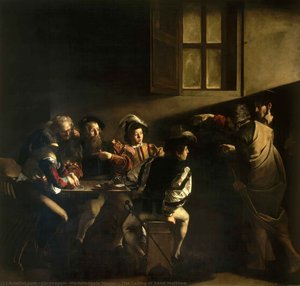
The portrait evokes a palpable sense of solemnity and dignity, capturing Wignacourt's gaze with unwavering intensity. Caravaggio doesn’t shy away from portraying the weight of responsibility; there’s a hint of weariness in his eyes—a testament to the challenges faced by those entrusted with safeguarding Christendom’s interests. This psychological realism distinguishes *Portrait of Alof de Wignacourt*, establishing it as a pivotal work in Baroque art history and cementing Caravaggio's reputation as one of the era’s most influential painters. Its enduring appeal lies in its ability to convey both grandeur and vulnerability—a captivating portrayal that continues to inspire admiration centuries after its creation.- Notable Works by Caravaggio: Bacchus, The Calling of Saint Matthew, Saint Catherine of Alexandria.
A Life Forged in Shadow and Light
Michelangelo Merisi da Caravaggio, a name synonymous with the dramatic intensity of Baroque painting, was born in Milan in 1571, a period steeped in both artistic flourishing and societal upheaval. His early life was marked by loss; plague ravaged his hometown, claiming the lives of his father and grandfather when he was just six years old. Raised amidst relative poverty, young Michelangelo’s formative years instilled within him a keen awareness of human suffering and resilience—themes that would later dominate his canvases. He began his artistic training in Milan under Simone Peterzano, a former pupil of Titian, absorbing the fundamentals of Renaissance technique but already hinting at a rebellious spirit that would soon shatter conventional norms. This apprenticeship provided a solid foundation, yet it was in Rome, arriving around 1592, that Caravaggio truly found his voice, though not without initial struggle and hardship. TheObras relacionadas
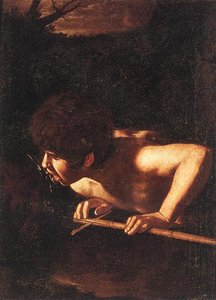
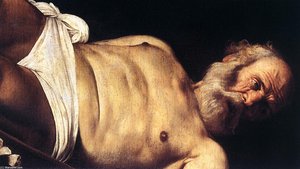
Biografía del artista
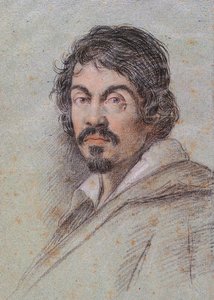
Michelangelo Merisi da Caravaggio: Vida y Legado
Primeros Años y Formación (1571-1592)
- Michelangelo Merisi da Caravaggio, comúnmente conocido simplemente como Caravaggio, nació en Milán en 1571.
- Su familia se mudó al pueblo de Caravaggio debido a una devastadora epidemia que asoló Milán.
- Tras la muerte de su padre y abuelo en 1577, su madre crió a sus cinco hijos en relativa pobreza.
- En 1584, comenzó un aprendizaje de cuatro años con Simone Peterzano, un pintor que había sido alumno de Tiziano. Esta formación fundamental le inculcó las técnicas de la pintura renacentista.
Carrera Artística y Estilo (1592-1610)
- La carrera artística de Caravaggio floreció en Roma, donde llegó alrededor de 1592. Inicialmente tuvo dificultades para obtener reconocimiento pero rápidamente se estableció con su estilo innovador.
- Su característica más definitoria fue el uso magistral del claroscuro, el contraste dramático entre la luz y la oscuridad. Esta técnica, a menudo denominada tenebrismo, se convirtió en una marca registrada de la pintura barroca.
- Rechazó las formas idealizadas en favor de representaciones realistas, a menudo utilizando personas comunes como modelos para figuras religiosas.
- Las pinturas de Caravaggio son conocidas por su intensa realidad emocional y narrativas dramáticas.
Obras Clave
- La Profesora de Cartomancia (1594): Una obra temprana que muestra su estilo realista y atención al detalle.
- La Cena en Emaús (1601-1602): Una representación poderosa de la escena bíblica, demostrando su maestría del claroscuro y la intensidad emocional.
- San Francisco de Asís en Ecstasis (1594): Ilustra su capacidad para transmitir experiencia espiritual a través de imágenes realistas.
- La Captura de Cristo (c. 1602): Una composición dramática que destaca la traición y el arresto de Jesús.
- David con la Cabeza de Goliat (c. 1610): Un retrato psicológicamente complejo del héroe bíblico.
Influencias y Desarrollo Artístico
- Caravaggio fue influenciado por las obras de maestros renacentistas como Tiziano, Leonardo da Vinci y Miguel Ángel, que estudió durante su aprendizaje.
- Se alejó del estilo predominante manierista, adoptando un enfoque más directo y naturalista a la pintura.
- Su uso de luz y sombra se inspiró tanto en las tradiciones artísticas como en la iluminación teatral común en Roma en ese momento.
Logros Importantes e Importancia Histórica
- Caravaggio revolucionó la pintura barroca con su realismo dramático, el uso innovador del claroscuro y las composiciones cargadas de emoción.
- Inspiró a una generación de artistas conocidos como los “caravaggistas” o “sombras”, que adoptaron su estilo en toda Europa. Seguidores notables incluyen a Pedro Pablo Rubens, Jusepe de Ribera y Gerrit van Honthorst.
- Su obra desafió las convenciones artísticas y allanó el camino para un enfoque más moderno a la pintura.
- A pesar de una vida personal tumultuosa marcada por la violencia y los problemas legales, el legado artístico de Caravaggio sigue siendo profundo e imborrable.
Vida Tardía y Muerte
- En 1606, Caravaggio huyó de Roma después de matar a un hombre en una pelea. Pasó los siguientes años viajando entre Nápoles, Malta y Sicilia.
- Solicitó el perdón papal pero continuó enfrentándose a desafíos legales y conflictos personales.
- Caravaggio murió en Porto Ercole, Italia, en 1610 bajo circunstancias misteriosas. La causa de su muerte sigue siendo debatida, con teorías que van desde la fiebre hasta el envenenamiento.
Caravaggio
1571 - 1610 , España
Datos clave
- Artistas Influenciados:
- Pedro Pablo Rubens
- Jusepe de Ribera
- Gerrit van Honthorst
- Artistas Que Influyeron:
- Simone Peterzano
- Tiziano
- Leonardo da Vinci
- Miguel Ángel
- Fecha De Muerte: 1610
- Fecha De Nacimiento: 1571
- Lugar De Nacimiento: Milán, España
- Movimiento Artístico: Barroco
- Nacionalidad: Italiana
- Nombre Completo: Michelangelo Merisi da Caravaggio
- Obras Notables:
- La Fortuna Diriente
- Cena en Emmaús
- San Francisco en Éxtasis
- La Toma de Cristo
- David con la cabeza de Goliat
- Cesta de Frutas
- Flagelación de San Pedro
- Écue Homo
Artículos relacionados

Barroco Sublime: 10 Obras Maestras que Definieron una Época |
Descubre las 10 obras maestras del Barroco que marcaron una época. Caravaggio, Bernini y Velázquez cobran vida en . Reproducciones de arte de calidad museo para decorar tu hogar con elegancia. ¡Explora la colección online!
Chiaroscuro & Emotional Resonance: Exploring Dramatic Light in Western Painting
Explore the captivating world of chiaroscuro & tenebrism! Discover Caravaggio's influence, Baroque masters, and the enduring power of dramatic lighting in art history. Learn about these techniques with ArtsDot.

The Visceral Stage: Exploring Dramatic Narratives & Emotional Intensity in Baroque Art
Explore the dramatic world of Baroque art! Discover iconic masters like Caravaggio & Rembrandt, their techniques, and the movement's lasting impact. Expert insights for collectors & enthusiasts at ArtsDot.

The Dramatic Flourish: Exploring the Baroque Movement's Enduring Legacy in Art History
Explore the dramatic world of Baroque art! Discover iconic artists like Caravaggio & Rubens, defining techniques, and its lasting impact on art history. Expert insights for collectors & enthusiasts at ArtsDot.
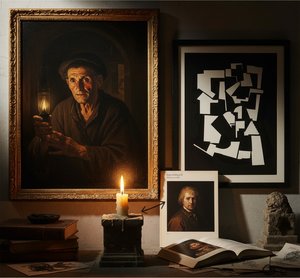
Illuminating Shadows: A Comprehensive Exploration of Chiaroscuro Technique in Art History
Explore the captivating world of chiaroscuro! Discover its history, masters like Caravaggio & de La Tour, and enduring influence on art. A comprehensive guide for enthusiasts.