 Ver en contexto
 Enviar
 Compartir
 Detalles

 Descargar
 Similares
 Radiografía
 Presentación de diapositivas
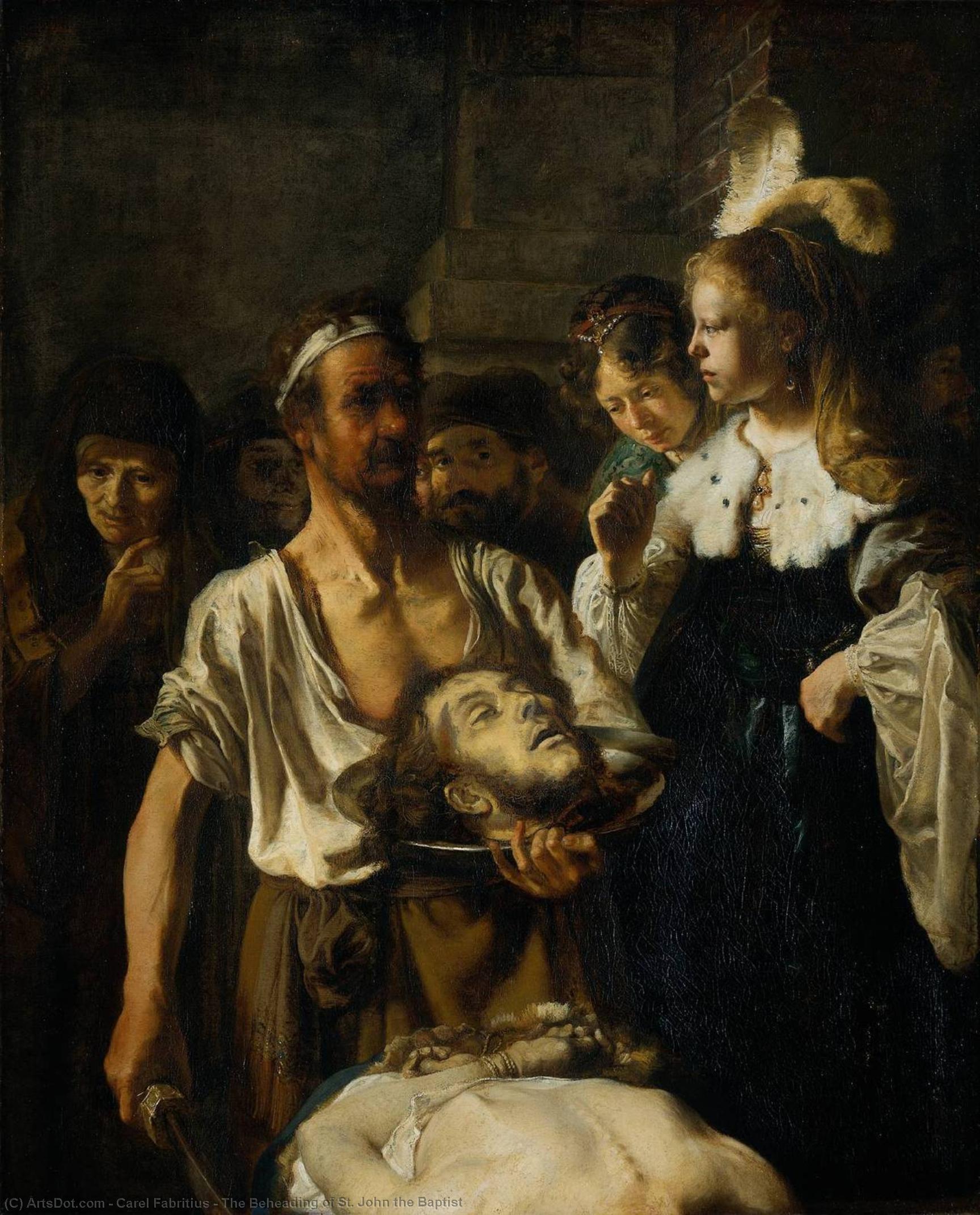
The Beheading of St. John the Baptist
 Acrylic On Canvas
- WallArt
- Baroque Painting
 1640
1640 149.0 x 121.0 cm
 Rijksmuseum
 Ver más
Reproducción al óleo hecha a mano
Óleo sobre lienzo pintado a mano en el tamaño y marco de su elección, realizado por encargo por nuestros artistas. ( Comprar impresión Comprar imagen)




P118B $10

P118H $10

P118W $10

P438Z $10

P508JH $12

P508YH $12

P805H $10

P805Z $10

P919BZ $10

P919G $10

P919XJ $10

P959ZH $10

P968JZ $12

W106C $8

W218G $10

W218JH $8

W218Y $10

W307PJ $10

W316G $10

W316PJ $8

W316Y $10

W398PJ $8

W4111J $10

W500HY $15

W500JH $15

W692G $12

W849H $8

W940BG $15

W953PJ $8




Elija entre nuestros tamaños predefinidos que respetan las proporciones originales de la obra.

Puede ingresar sus propias dimensiones para adaptarse a un marco o espacio específico. Si el tamaño seleccionado no coincide con las proporciones de la imagen original, recortaremos la obra o extenderemos la pintura con elementos adicionales pintados a mano. Se le enviará una maqueta digital para su aprobación antes de comenzar la producción.
Tenga en cuenta que la vista previa en pantalla no refleja el recorte o la extensión reales. Solo la maqueta mostrará con precisión la composición final.
Si bien existen tamaños personalizados, recomendamos seleccionar una dimensión de la lista predefinida para preservar las proporciones originales.
Tras realizar el pedido, el equipo de ArtsDot.com enviará un correo electrónico al cliente para solicitar instrucciones y proporcionarle una vista previa del boceto.
Envío a todo el mundo () en 3-4 semanas en lugar de las 5 semanas estándar. (23 agosto). Sin comprometer la calidad.

Envío exprés gratuito a todo el mundo

Lienzo de lino de alta calidad

Seguro de envío total

Garantía de reembolso de impuestos aduaneros

Garantía de fidelidad cromática exacta

Política de devolución de 60 días (solo por defectos)

Garantía de devolución del 100% del dinero

Descuento por cantidad
 La opción de vidrio solo está disponible en tamaños inferiores a 110 cm.

The Beheading of St. John the Baptist
Técnica de reproducción
Dimensiones de la reproducción
-


Precio total final
$ 263
Descripción de la obra
The Haunting Beauty of “The Beheading of St. John the Baptist”
Carel Fabritius’s “The Beheading of St. John the Baptist,” painted around 1640-1645, is not merely a depiction of a biblical event; it's a profoundly unsettling and psychologically astute tableau that continues to captivate viewers centuries later. Born in Muiden, Netherlands, Fabritius was a student of Rembrandt van Rijn, inheriting the master’s skill in dramatic lighting and masterful use of perspective – yet forging his own intensely personal style marked by an unnerving realism and a subtle, almost unbearable tension.
The painting immediately confronts us with its stark composition. St. John, depicted as a young man stripped bare and bound, is caught mid-execution. His face, rendered with astonishing detail – the furrowed brow, the slight grimace of pain, the vulnerability in his eyes – conveys not just suffering but also a profound sense of resignation and perhaps even acceptance. The brutality of the act itself is presented with chilling immediacy: the swift, decisive stroke of the sword, the stark contrast between the pale skin of the victim and the dark, shadowed background. The executioner, rendered almost as an anonymous figure, adds to the scene’s unsettling quality – his face obscured, his movements efficient and devoid of emotion.
A Baroque Masterpiece: Technique and Composition
Fabritius employs a masterful blend of techniques characteristic of the Dutch Golden Age. The painting is executed in oil on canvas, utilizing *chiaroscuro*—the dramatic interplay of light and shadow—to create a powerful sense of volume and depth. Notice how the light focuses intensely on St. John’s face and the severed head, drawing our attention to the central drama while simultaneously plunging the surrounding figures into darkness. The perspective is meticulously rendered, creating an illusionistic space that draws us directly into the scene. The use of foreshortening – particularly in the positioning of the sword and the executioner's hand – adds to the painting’s realism and sense of immediacy.
Furthermore, Fabritius’s attention to detail is remarkable. The textures of St. John’s skin, the folds of his garment, the rough surface of the stone slab—all are rendered with painstaking accuracy. The inclusion of seemingly minor details, such as the discarded cloth and the blood pooling on the ground, contributes significantly to the painting's overall impact, amplifying the sense of horror and despair.
Symbolism and Context: A Complex Narrative
Beyond its immediate depiction of a gruesome event, “The Beheading of St. John the Baptist” is laden with symbolic meaning. The story itself—the betrayal and execution of John by Herod—is rich in religious and political allegory. John’s martyrdom represents the triumph of truth over power, faith over corruption. Herod's actions symbolize the dangers of unchecked ambition and the abuse of authority. The painting can also be interpreted as a meditation on mortality, suffering, and the inevitability of death.
Interestingly, the painting was likely commissioned for a private collection, possibly by a wealthy merchant or nobleman interested in displaying both his piety and his worldly power. The inclusion of figures like Salome, who receives the head, underscores the vanity and moral ambiguity inherent in human nature. The scene’s unsettling atmosphere reflects the anxieties and uncertainties of the time—a period marked by religious upheaval, political instability, and social unrest.
Emotional Resonance: A Timeless Image
Despite its disturbing subject matter, “The Beheading of St. John the Baptist” possesses a profound emotional resonance that transcends its historical context. Fabritius’s masterful use of light, shadow, and composition creates an atmosphere of intense drama and psychological tension. The painting evokes feelings of pity, horror, and perhaps even a sense of unease—a reminder of the fragility of human life and the ever-present threat of violence. It's a work that lingers in the mind long after it has been viewed, prompting reflection on themes of faith, betrayal, and the enduring power of art to confront us with the darker aspects of our existence.
Obras relacionadas


Biografía del artista
Early Life and Training
Carel Fabritius (1622 – 1654) was born in Muiden, Netherlands, a village situated just north of Amsterdam, on February 27th, 1622. He descended from Pieter Carelsz Fabritius, a painter and schoolteacher, and Barbertje van der Maes, who married in 1641. Fabritius’s father instilled in him an early appreciation for artistic pursuits, shaping his formative years with instruction in the craft of painting. Like many artists of his time, Fabritius received his initial training under Rembrandt van Rijn, arguably the most celebrated artist of the Dutch Golden Age—a connection that profoundly impacted his artistic trajectory. Under Rembrandt’s watchful eye, Fabritius honed his skills and cultivated a distinctive style characterized by meticulous observation and masterful execution. This mentorship cemented Fabritius's place within the Delft School, an influential movement known for its unwavering commitment to realism and its nuanced portrayal of everyday life.Delft School and Artistic Style
Fabritius’s affiliation with the Delft School distinguished him from many other painters of his era. Artists associated with this school prioritized capturing the subtleties of reality—the textures of fabrics, the play of light on surfaces, and the expressions of human emotion—with unparalleled precision. Fabritius embraced Rembrandt's innovative approach to painting, particularly his use of *chiaroscuro*, a technique that dramatically contrasted light and dark hues to create an illusion of volume and depth. This method became Fabritius’s signature style, evident in numerous canvases where he skillfully manipulated tonal ranges to convey atmosphere and emotion. His paintings frequently depicted domestic scenes—interior interiors bathed in soft illumination—reflecting the Delft School's fascination with portraying intimate moments of daily life.Notable Works and Influences
Fabritius’s artistic vision drew inspiration from the Italian Caravaggisti, artists who championed dramatic lighting and emotionally charged compositions. Like Michelangelo Buonarroti and Titian, Fabritius sought to convey profound psychological states through visual representation—a pursuit that aligns with the broader humanist ideals of his time. Furthermore, Fabritius skillfully employed *atmospheric perspective*, a technique that simulates the effects of distance by diminishing color intensity and blurring contours. This masterful manipulation of spatial illusion contributed significantly to the immersive quality of his artworks. His legacy extends beyond his own creations; Johannes Vermeer—a fellow Delft School painter—acknowledged Fabritius’s influence, adopting similar stylistic conventions to achieve remarkable visual harmony.Legacy and Historical Significance
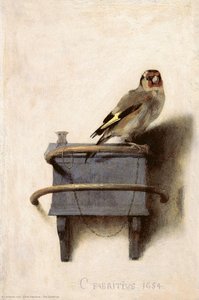
Fabritius's untimely demise in October 1654 during the devastating Delft Powder Explosion tragically curtailed his artistic career. Despite producing only thirteen confirmed paintings—a relatively modest output compared to many of his contemporaries—Fabritius’s works stand as testaments to his exceptional talent and unwavering dedication to artistic innovation. His canvases, including *The Goldfinch* and *The Sentry*, continue to captivate audiences with their luminous palettes, masterful draughtsmanship, and profound psychological insight. Fabritius's contribution to the Delft School solidified its reputation for portraying domestic life with remarkable realism—a legacy that persists in museums worldwide where his paintings are revered as masterpieces of Baroque art. His innovative use of light and shadow, combined with his meticulous attention to detail, cemented Fabritius’s place among the most influential artists of the Dutch Golden Age, ensuring his enduring presence within the annals of art history.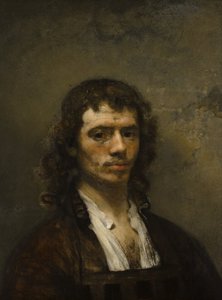
Carel Fabritius
1622 - 1654 , Países Bajos
Datos clave
- Artistic Movement Or Style: Barroco
- Artists Or Movements Influenced By This Artist: ['Caravaggisti']
- Artists Who Influenced This Artist: ['Rembrandt van Rijn']
- Date Of Birth: 27 febrero 1622
- Date Of Death: 12 octubre 1654
- Full Name: Carel Pietersz Fabritius
- Nationality: Holandés
- Notable Artworks:
- La resurrección de Lázaro
- Una vista de Delft
- El Centinela
- Place Of Birth: Muiden, Países Bajos
Artículos relacionados

John Singer Sargent: Las 25 Obras Maestras del Retrato y la Belle Époque | ArtsDot
Descubre las 25 obras maestras de John Singer Sargent, el maestro del retrato y la Belle Époque. Explora su técnica impresionista, historias fascinantes y encuentra reproducciones de arte exclusivas para decorar tu hogar con elegancia en ArtsDot.com.

John Constable: Las 25 Obras Maestras del Paisaje Inglés | ArtsDot
Descubre las 25 obras maestras de John Constable, el pintor romántico inglés que capturó la belleza del paisaje. Explora su técnica, historia y significado en ArtsDot.com. Reproducciones de arte de alta calidad para tu hogar.

Los 10 Maestros del Barroco Holandés: Obras que Definen una Época | ArtsDot
Descubre los 10 imprescindibles del Barroco holandés: Rembrandt, Vermeer y más. Explora la historia, técnica y belleza de estas obras maestras. Reproducciones de arte en ArtsDot.com para decorar tu hogar con elegancia.

Reflejos de una Época Dorada: La Pintura Barroca Holandesa y la Innovación Cultural
Descubra la riqueza y el detalle de la pintura barroca holandesa del Siglo de Oro. Explore las obras maestras de Rembrandt, Vermeer y otros artistas clave. Análisis experto e historia cultural.

Barroco Sublime: 10 Obras Maestras que Definieron una Época |
Descubre las 10 obras maestras del Barroco que marcaron una época. Caravaggio, Bernini y Velázquez cobran vida en . Reproducciones de arte de calidad museo para decorar tu hogar con elegancia. ¡Explora la colección online!