 Ver en contexto
 Enviar
 Compartir
 Detalles

 Descargar
 Similares
 Radiografía
 Presentación de diapositivas
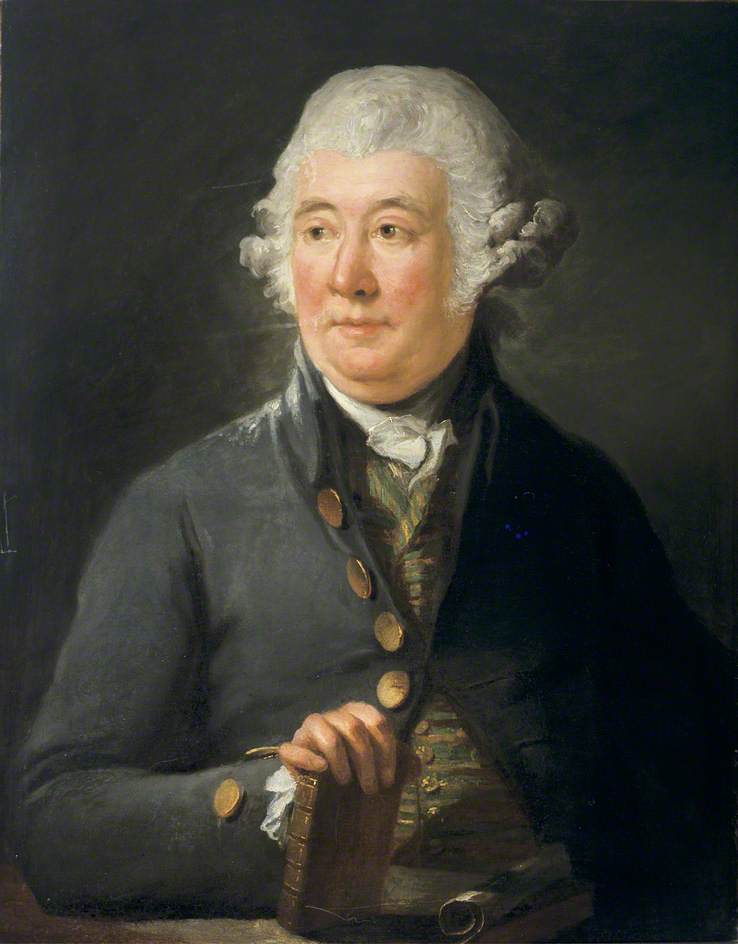
Sir William Chambers (1722–1796)
 Oil On Canvas
- WallArt
- Rococo Portraiture
 1790
1790 75.0 x 60.0 cm
 Colecciones de Dibujos y Archivos de la Biblioteca Riba
 Ver más
Giclée / Impresión de arte
Impresiones giclée o en lienzo de calidad de museo con producción rápida y opciones de acabado flexibles. ( Comprar pintura hecha a mano Comprar imagen)




P118B $10

P118H $10

P118W $10

P438Z $10

P508JH $12

P508YH $12

P805H $10

P805Z $10

P919BZ $10

P919G $10

P919XJ $10

P959ZH $10

P968JZ $12

W106C $8

W218G $10

W218JH $8

W218Y $10

W307PJ $10

W316G $10

W316PJ $8

W316Y $10

W398PJ $8

W4111J $10

W500HY $15

W500JH $15

W692G $12

W849H $8

W940BG $15

W953PJ $8




Elija entre nuestros tamaños predefinidos que respetan las proporciones originales de la obra.

Puede introducir sus propias dimensiones para adaptarse a un marco o espacio específico. Si el tamaño seleccionado no coincide con las proporciones de la imagen original, recortaremos la obra de arte o extenderemos la imagen con un borde con efecto espejo o de color sólido. Se enviará una maqueta digital para su aprobación antes de que comience la producción.
Tenga en cuenta que la vista previa en pantalla no refleja el recorte o la extensión real. Solo la maqueta mostrará con precisión la composición final.
Aunque existen tamaños personalizados, recomendamos seleccionar una dimensión de la lista predefinida para preservar las proporciones originales.
Envío a todo el mundo () en 2 semanas en lugar de las 4/5 semanas estándar. (24 agosto)

Envío exprés gratuito a todo el mundo

Lienzo de lino de alta calidad

Seguro de envío total

Garantía de reembolso de impuestos aduaneros

Garantía de fidelidad cromática exacta

Política de devolución de 60 días (solo por defectos)

Garantía de devolución del 100% del dinero

Descuento por cantidad
 La opción de vidrio solo está disponible en tamaños inferiores a 110 cm.

Sir William Chambers (1722–1796)
Giclée / Impresión de arte
Dimensiones de la reproducción
-


Precio total final
$ 62
Descripción de la pieza
A Portrait of Power and Refinement: Sir William Chambers by Carl Fredrik von Breda
Carl Fredrik von Breda’s 1790 portrait of Sir William Chambers is more than a simple likeness; it's a carefully constructed tableau of power, intellect, and the understated elegance that defined the Georgian era. The painting immediately commands attention with its rich palette – deep blues and golds dominating the composition, punctuated by the crisp white of Chambers’ wig and the subtle grey of his background. It’s a work steeped in the Rococo tradition, yet imbued with a distinctly British sensibility, reflecting Breda's time spent honing his craft amidst the artistic currents of London.
Chambers himself was a pivotal figure in 18th-century England. A brilliant architect and surveyor, he served as the principal designer for Carlton House, one of the grandest private residences of its time, and played a crucial role in the rebuilding of St Paul’s Cathedral after the Great Fire. The portrait captures him not merely as a public servant but as a man of considerable social standing and intellectual prowess. His posture is dignified yet approachable, his gaze direct and assured – qualities that speak to both his professional success and personal character.
The Language of Rococo: Technique and Detail
Breda’s mastery lies in his ability to translate the principles of Rococo into a powerfully evocative image. The painting is executed in oil on canvas, utilizing a layering technique that creates an astonishingly tactile surface. Notice the meticulous rendering of fabric – the heavy folds of the coat, the delicate sheen of the buttons, and the subtle texture of the wig. Breda’s brushwork is remarkably fluid, creating a sense of movement and life within the static portrait. The use of chiaroscuro—the dramatic contrast between light and shadow—further enhances the three-dimensionality of the figure, drawing the viewer's eye to Chambers’ face and emphasizing his features.
- Color Palette: Deep blues, golds, and subtle greys create a sense of wealth and sophistication.
- Brushwork: Fluid and layered, contributing to the painting’s tactile quality.
- Chiaroscuro: Dramatic lighting emphasizes form and creates depth.
Symbolism and Context
Beyond its technical brilliance, the portrait is laden with symbolic meaning. The dark blue coat, a color associated with nobility and authority, immediately establishes Chambers’ status. The gold buttons are not merely decorative; they represent wealth, power, and recognition of his achievements. The wig, a fashionable accessory during the 18th century, speaks to Chambers' adherence to social norms while simultaneously hinting at the artificiality of appearances. The restrained background—a simple grey wall—serves to highlight the subject, reinforcing his importance within the composition.
Furthermore, the portrait reflects the broader cultural context of its time – a period marked by both aristocratic privilege and burgeoning Enlightenment ideals. Chambers’ role as an architect and surveyor embodies this duality, representing the intersection of tradition and innovation. The painting serves as a testament to his influence on Georgian society and a window into the world of 18th-century England.
A Legacy of Elegance: Reproduction and Appreciation
Reproductions of “Sir William Chambers” by Carl Fredrik von Breda offer an exceptional opportunity to bring this captivating portrait into your home or office. The intricate details, rich colors, and masterful composition are faithfully captured in high-quality prints, allowing you to appreciate the artistry of this remarkable work for years to come. Whether displayed as a statement piece in a grand salon or as a subtle accent in a more intimate setting, this portrait embodies the elegance, sophistication, and enduring legacy of Georgian England.
Obras relacionadas
Biografía del artista
Carl Frederik von Breda: Una Vida Entre Suecia y Gran Bretaña
- Nacido: Estocolmo, Suecia (1759)
- Fallecido: 1818
Carl Frederik von Breda fue un pintor sueco significativo cuya carrera abarcó de manera única tanto Suecia como Gran Bretaña. Nacido en Estocolmo en 1759 en una familia artística con raíces holandesas, su vida refleja una fascinante mezcla de influencias continentales y los gustos cambiantes de finales del siglo XVIII y principios del XIX.
Primeros Años y Formación Artística
- Antecedentes Familiares: La ascendencia de Breda se remonta a Pieter von Breda, quien emigró desde los Países Bajos a Estocolmo alrededor de 1670. Su padre, Lucas (1726-1799), sirvió como árbitro en casos de naufragio y también fue coleccionista de arte, fomentando un ambiente creativo para la crianza de Carl.
- Real Academia Sueca de Bellas Artes: A los 19 años, Breda se inscribió en la Real Academia Sueca de Bellas Artes en Estocolmo. Estudió pintura histórica y de retratos bajo la tutela de Lorens Pasch el Joven, cuya influencia es evidente en sus primeras obras, particularmente en lo que respecta a la paleta de colores.
- Primer Reconocimiento: Breda rápidamente ganó reconocimiento por su talento, recibiendo numerosos premios para su arte a partir de 1780. En 1784, exhibió 19 pinturas en una exposición de la Academia y comenzó a pintar retratos reales, incluyendo los de la Duquesa Hedvig Elisabeth Charlotte, el Príncipe Heredero Gustavo Adolfo y el Rey Gustavo III.
Años en Gran Bretaña: La Influencia de Reynolds
- Traslado a Londres: En 1786, Breda decidió trasladarse a Londres con su familia en lugar de emprender el tradicional viaje del artista a París y Roma después de perder una competición en la Academia. Esta decisión demostró ser fundamental para su desarrollo artístico.
- Estudio bajo Joshua Reynolds: Mientras estuvo en Gran Bretaña, Breda estudió bajo el renombrado retratista Joshua Reynolds. Aunque Reynolds no era conocido por involucrarse mucho con sus estudiantes, su influencia sobre Breda fue profunda, lo que provocó un “cambio revolucionario” en el estilo de Breda.
- Estudio en Londres y Retratística: Breda estableció un exitoso estudio en St James's Street, Londres, convirtiéndose en popular entre "hombres cultos y literatos" y figuras de la sociedad. Pintó retratos de individuos prominentes, incluyendo a los abolicionistas Thomas Clarkson y James Ramsay, a los ingenieros James Watt y Matthew Boulton (miembros de la Sociedad Lunar), al botánico William Withering y a Mary Priestley.
- Retrato de Reynolds: Un logro significativo durante su tiempo en Londres fue pintar un retrato del propio Joshua Reynolds, que sirvió como su obra para obtener el diploma para ser admitido en la Real Academia Sueca de Bellas Artes en 1791.
Regreso a Suecia y Madurez Artística
- Profesor en la Academia: En 1796, Breda regresó a Estocolmo, donde fue nombrado profesor en la Academia de Bellas Artes. Recibió numerosas comisiones de retratos y se convirtió en una figura destacada en la escena artística sueca.
- Desarrollo del Estilo: Su regreso marcó un período de madurez artística, caracterizado por una “pincelada audaz y animada” que había sido perfeccionada durante su tiempo en Inglaterra. Sus retratos de 1797 y 1798 se consideran entre sus obras más finas, exhibiendo la naciente influencia del Romanticismo.
- Retratos Notables: Los retratos clave de este período incluyen los de su padre Lucas, dos de sus sobrinos, el erudito Nils von Rosenstein y la celebrada cantante Teresa Vandoni, que a menudo se considera su obra más celebrada.
Legado y Significado Histórico
- Influencia en la Retratística Sueca: La exposición de Breda a las tendencias artísticas británicas impactó significativamente a generaciones posteriores de pintores de retratos suecos. Sus técnicas innovadoras y cambios estilísticos ayudaron a modernizar el género en Suecia.
- Conexión con Círculos Intelectuales: A través de sus retratos de miembros de la Sociedad Lunar, Breda creó un registro visual de algunas de las figuras científicas e intelectuales más destacadas de su tiempo.
- Legado Familiar: Su hijo, Johan Fredrik von Breda, también se convirtió en pintor, continuando la tradición artística familiar bajo la tutela de su padre.
- Declive en Años Posteriores: Si bien inicialmente fue muy elogiado, algunos críticos notaron que los retratos de Breda se volvieron más monótonos más tarde en su carrera. No obstante, siguió siendo una figura importante en la historia del arte sueco hasta su muerte en Estocolmo en 1818.
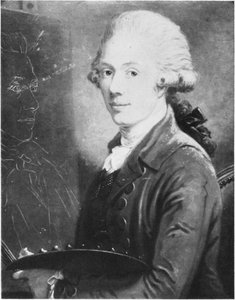
Carl Fredrik von Breda
1759 - 1818 , Suecia
Datos clave
- Artistas Influenciados: ['Pintores retratistas suecos']
- Artistas Que Influyeron:
- Joshua Reynolds
- Lorens Pasch el Joven
- Fecha De Fallecimiento: 1 de diciembre de 1818
- Fecha De Nacimiento: 16 de agosto de 1759
- Lugar De Nacimiento: Estocolmo, Suecia
- Movimiento Artístico: Romanticismo
- Nacionalidad: Sueco
- Nombre Completo: Carl Frederik von Breda
- Obras Notables:
- Retrato de James Watt
- Retrato de Matthew Boulton
- Retrato de William Withering
- Retrato de Mary Priestley
- Retrato de su padre Lucas
Artículos relacionados
Sir Joshua Reynolds: Las 25 Obras Maestras del Retrato Inglés | ArtsDot
Descubre las 25 obras maestras de Sir Joshua Reynolds, el pintor inglés que elevó el retrato a la categoría de arte. Explora su técnica clásica, estilo rococó y significado histórico en ArtsDot.com. ¡Encuentra reproducciones de alta calidad para tu hogar!
Alfred Munnings: Las 25 Obras Maestras del Pintor de Caballos | ArtsDot
Descubre las 25 obras maestras de Alfred Munnings, el pintor británico de caballos por excelencia. Explora su impresionismo inglés, escenas campestres y técnica única. Encuentra reproducciones de arte de alta calidad en ArtsDot.com.

Sir William Blake Richmond: A Visionary of Aestheticism & Symbolism
Explore the life & art of Sir William Blake Richmond, a pivotal figure bridging Pre-Raphaelitism and Aestheticism. Discover his stunning portraits, mosaics at St Paul's Cathedral, and lasting influence on Victorian art.
Sir William Nicholson: A Study in Post-Impressionist Portraiture & Decorative Modernism
Explore the life & work of Sir William Nicholson, a pivotal British Post-Impressionist painter. Discover his striking portraits, innovative woodcuts, and lasting influence on early 20th-century art. Expert insights for collectors.
Sir Hubert von Herkomer: A Life Painted with Realism, Ambition & Victorian Art
Explore the life & art of Sir Hubert von Herkomer, a pivotal Victorian realist painter. Discover his powerful portraits, social commentary & pioneering film work. Learn about his legacy and find high-quality reproductions at ArtsDot.