

 Ver en contexto
 Enviar
 Compartir
 Detalles

 Descargar
 Similares
 Radiografía
 Presentación de diapositivas
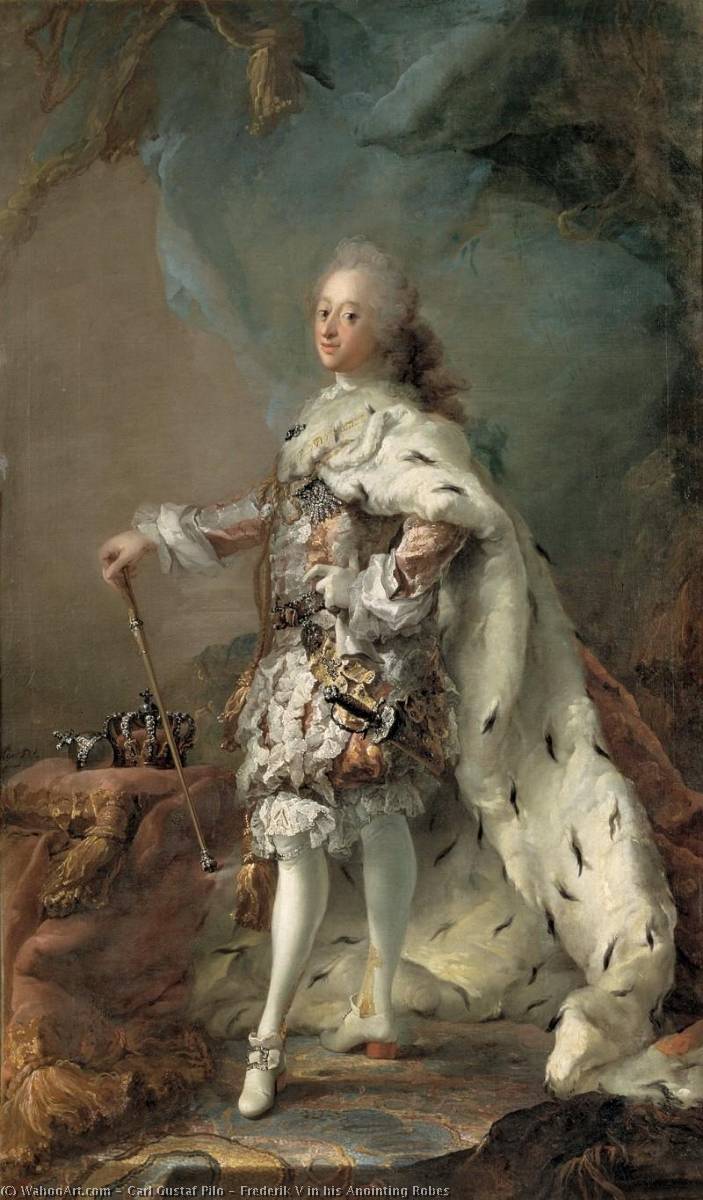
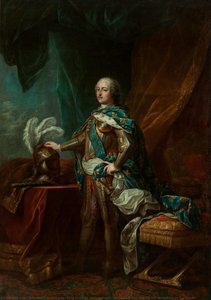
Frederik V in his Anointing Robes


 Ver más
Reproducción al óleo hecha a mano
Óleo sobre lienzo pintado a mano en el tamaño y marco de su elección, realizado por encargo por nuestros artistas. ( Comprar impresión Comprar imagen)




































Elija entre nuestros tamaños predefinidos que respetan las proporciones originales de la obra.

Puede ingresar sus propias dimensiones para adaptarse a un marco o espacio específico. Si el tamaño seleccionado no coincide con las proporciones de la imagen original, recortaremos la obra o extenderemos la pintura con elementos adicionales pintados a mano. Se le enviará una maqueta digital para su aprobación antes de comenzar la producción.
Tenga en cuenta que la vista previa en pantalla no refleja el recorte o la extensión reales. Solo la maqueta mostrará con precisión la composición final.
Si bien existen tamaños personalizados, recomendamos seleccionar una dimensión de la lista predefinida para preservar las proporciones originales.
Tras realizar el pedido, el equipo de ArtsDot.com enviará un correo electrónico al cliente para solicitar instrucciones y proporcionarle una vista previa del boceto.
Envío a todo el mundo () en 3-4 semanas en lugar de las 5 semanas estándar. (24 agosto). Sin comprometer la calidad.

Envío exprés gratuito a todo el mundo

Lienzo de lino de alta calidad

Seguro de envío total

Garantía de reembolso de impuestos aduaneros

Garantía de fidelidad cromática exacta

Política de devolución de 60 días (solo por defectos)

Garantía de devolución del 100% del dinero

Descuento por cantidad
 La opción de vidrio solo está disponible en tamaños inferiores a 110 cm.

Frederik V in his Anointing Robes
Técnica de reproducción
Dimensiones de la reproducción
-


Precio total final
$ 263
Obras relacionadas





Biografía del artista
Carl Gustaf Pilo (1711 – 1793): A Painter Caught Between Tradition and Enlightenment
Carl Gustaf Pilo stands as a fascinating figure in Swedish art history—a painter whose career unfolded amidst the turbulent currents of the eighteenth century, marked by shifting artistic styles and personal journeys driven by circumstance. Born on the farm Göksäter near Nyköping, södermanland, to olof (oluff) pilo, a skilled decorative painter himself, and beata jönsdotter sahlstedt, his early life remains shrouded in some degree of uncertainty due to discrepancies between contemporary accounts. Despite his father’s reservations about pursuing artistic education—a path deemed less practical than securing a secure livelihood—Pilo resolutely chose to dedicate himself to painting, receiving training primarily from crisman in stockholm, sweden. This formative period established him as a craftsman and honed his foundational skills before he embarked on a more ambitious trajectory.Early Training & Craftsmanship: The Foundations of Skill
Pilo’s initial apprenticeship began in 1731, demonstrating the importance of practical experience alongside theoretical knowledge within the artistic milieu of his time. His work as a craft painter spanned from 1733 to 1738, primarily focusing on decorative commissions for prominent noble families in Scania—a period that yielded pastoral drawings indicative of his engagement with landscape painting and reflecting the prevailing aesthetic sensibilities of the era. These early landscapes showcased Pilo’s meticulous attention to detail and his ability to capture atmospheric effects—characteristics that would inform his later artistic endeavors. The influence of Crisman, a respected Swedish painter known for his mastery of perspective and chiaroscuro, undoubtedly shaped Pilo's formative years, equipping him with the technical skills necessary for success in the burgeoning field of art.Service to the Danish Court & Academic Pursuits: Shaping Artistic Education
Moving to Copenhagen around 1740, Pilo secured a position within the Danish court, where he produced portraits and contributed to monumental paintings like “Gustav III’s Coronation,” cementing his reputation as a master of historical genre painting. Simultaneously, he served as professor and director at the Royal Danish Academy of Art (danish: det kongelige danske kunstakademi), shaping the artistic education of future generations and upholding the traditions of académie française. This role demanded not only artistic expertise but also pedagogical insight—a testament to Pilo’s commitment to fostering creativity and cultivating talent among aspiring artists. His involvement in the Academy ensured that Swedish artistic principles would continue to flourish, establishing him as a pivotal figure in shaping the cultural landscape of Denmark during his lifetime.The Coronation Portrait: A Masterpiece of Rococo Style
Perhaps Pilo's most enduring legacy resides in “Gustav III’s Coronation,” commissioned by King Gustav III himself—a monumental canvas that exemplifies Rococo technique at its finest. This ambitious undertaking demanded exceptional skill and dedication, reflecting the grandeur and formality of royal ceremonies while simultaneously conveying a profound sense of psychological depth. The painting skillfully captures the atmosphere of the coronation procession, utilizing delicate brushwork, pastel hues, and an intricate drapery scheme to create a visually stunning spectacle—a testament to Pilo’s mastery of Rococo aesthetics. Moreover, the portrayal of Gustav III embodies a nuanced understanding of royal psychology—demonstrating Pilo's ability to transcend mere decorative convention and achieve artistic excellence.Legacy & Historical Significance: An Artist Defined by His Time
Pilo’s contribution to Swedish art is considerable. He helped establish the Royal Danish Academy of Art as a center for artistic excellence and produced numerous portraits that offer invaluable insights into the social and cultural landscape of his era. His work continues to be studied by scholars and admired for its technical virtuosity and expressive power, securing his place among the most important artists of the eighteenth century. Beyond his artistic accomplishments, Pilo’s life story serves as a compelling illustration of the challenges faced by individuals pursuing creative careers during a period marked by social upheaval and intellectual ferment—a reminder that art is inextricably linked to history and circumstance. His unwavering dedication to his craft—coupled with his commitment to educating future generations—solidifies his reputation as a true humanist artist whose legacy continues to inspire admiration and scholarly inquiry.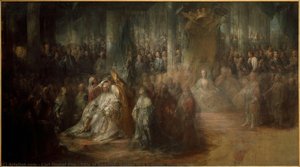
Carl Gustaf Pilo
1711 - 1793 , Suecia
Datos clave
- Artistic Movement Or Style: Rococo
- Artists Or Movements Influenced By This Artist: ['Swedish Painting']
- Artists Who Influenced This Artist: ['Crisman']
- Date Of Birth: 1711
- Date Of Death: 1793
- Full Name: Carl Gustaf Pilo
- Nationality: Swedish
- Notable Artworks:
- Gustav III:s kröning.
- The First Envoy from Tripoli Who Came to Copenhagen in 1757
- Place Of Birth: Runtuna, Sweden

