 Ver en contexto
 Enviar
 Compartir
 Detalles

 Descargar
 Similares
 Radiografía
 Presentación de diapositivas
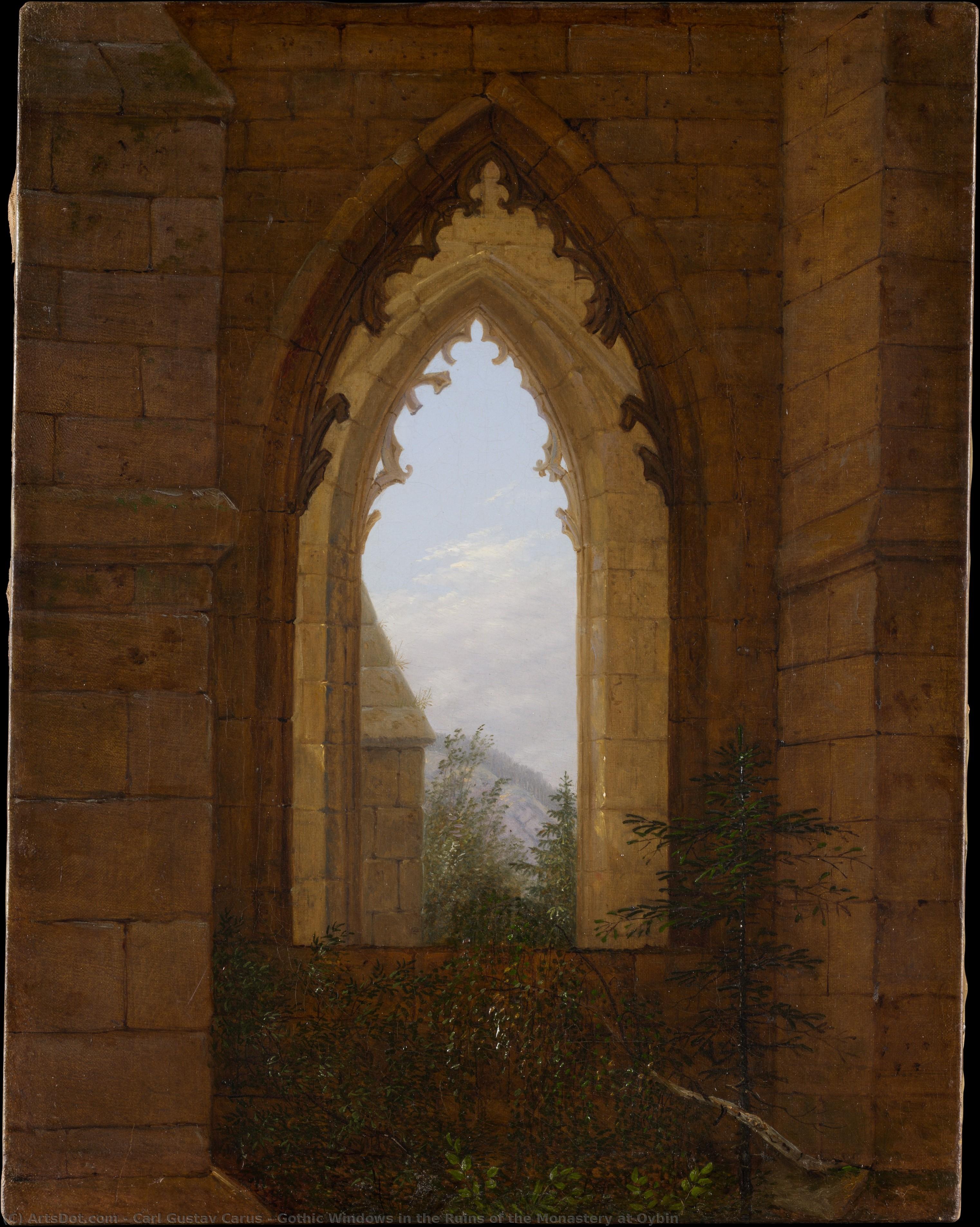
Gothic Windows in the Ruins of the Monastery at Oybin
 Acrylic On Canvas
- WallArt
- Romanticism
 1828
1828- 19th Century
 43.0 x 34.0 cm
 Museo Metropolitano de Arte
 Ver más
Reproducción al óleo hecha a mano
Óleo sobre lienzo pintado a mano en el tamaño y marco de su elección, realizado por encargo por nuestros artistas. ( Comprar impresión Comprar imagen)




P118B $10

P118H $10

P118W $10

P438Z $10

P508JH $12

P508YH $12

P805H $10

P805Z $10

P919BZ $10

P919G $10

P919XJ $10

P959ZH $10

P968JZ $12

W106C $8

W218G $10

W218JH $8

W218Y $10

W307PJ $10

W316G $10

W316PJ $8

W316Y $10

W398PJ $8

W4111J $10

W500HY $15

W500JH $15

W692G $12

W849H $8

W940BG $15

W953PJ $8




Elija entre nuestros tamaños predefinidos que respetan las proporciones originales de la obra.

Puede ingresar sus propias dimensiones para adaptarse a un marco o espacio específico. Si el tamaño seleccionado no coincide con las proporciones de la imagen original, recortaremos la obra o extenderemos la pintura con elementos adicionales pintados a mano. Se le enviará una maqueta digital para su aprobación antes de comenzar la producción.
Tenga en cuenta que la vista previa en pantalla no refleja el recorte o la extensión reales. Solo la maqueta mostrará con precisión la composición final.
Si bien existen tamaños personalizados, recomendamos seleccionar una dimensión de la lista predefinida para preservar las proporciones originales.
Tras realizar el pedido, el equipo de ArtsDot.com enviará un correo electrónico al cliente para solicitar instrucciones y proporcionarle una vista previa del boceto.
Envío a todo el mundo () en 3-4 semanas en lugar de las 5 semanas estándar. (29 agosto). Sin comprometer la calidad.

Envío exprés gratuito a todo el mundo

Lienzo de lino de alta calidad

Seguro de envío total

Garantía de reembolso de impuestos aduaneros

Garantía de fidelidad cromática exacta

Política de devolución de 60 días (solo por defectos)

Garantía de devolución del 100% del dinero

Descuento por cantidad
 La opción de vidrio solo está disponible en tamaños inferiores a 110 cm.

Gothic Windows in the Ruins of the Monastery at Oybin
Técnica de reproducción
Dimensiones de la reproducción
-


Precio total final
$ 263
A Glimpse of Ruin and Renewal: Carus’ “Gothic Windows in the Ruins of the Monastery at Oybin”
Carl Gustav Carus's 1828 painting, "Gothic Windows in the Ruins of the Monastery at Oybin," is more than a simple landscape; it’s a carefully constructed meditation on time, faith, and the enduring power of nature. Captured during his visit to the desolate monastery ruins nestled high in the Ore Mountains of Germany, this work embodies the core tenets of German Romanticism – a profound appreciation for the sublime, an exploration of the human psyche, and a yearning for connection with something larger than oneself. The painting isn’t merely depicting decay; it's presenting a poignant dialogue between past glory and present stillness, offering both a sense of melancholy and a subtle promise of regeneration.
Carus, a man deeply rooted in both scientific observation and artistic expression – he was a physician, botanist, geologist, and a close collaborator with Caspar David Friedrich – approached this scene with an almost clinical eye initially. His 1820 drawing served as the foundation for the painting, meticulously documenting the architectural details of the ruined choir. However, it’s clear that Carus moved beyond mere documentation, imbuing the composition with a distinctly Romantic sensibility. The stark contrast between the dark, imposing stone of the ruins and the pale, ethereal light filtering through the Gothic windows immediately establishes a powerful visual tension. This interplay of darkness and illumination isn't simply aesthetic; it’s symbolic, representing the struggle between earthly limitations and spiritual aspiration.
The Language of Light and Shadow
Carus masterfully employs atmospheric perspective to draw the viewer into the scene. The distant hills are rendered in muted blues and greys, receding into a hazy atmosphere that suggests both distance and mystery. The foreground, dominated by the weathered stone of the monastery walls and the young trees reaching towards the sky, is sharply defined, creating a sense of immediacy and grounding the composition. Crucially, the light itself becomes a character within the painting. It’s not uniformly bright; instead, it streams through the windows in shafts, illuminating specific details while leaving other areas shrouded in shadow. This selective illumination draws attention to the intricate tracery of the Gothic windows themselves – delicate arches and pointed shapes that seem to defy the weight of time and ruin.
The artist’s technique is characterized by a precise yet sensitive approach. Carus utilized oil paints on canvas, building up layers of color with meticulous detail. Notice how he captures the texture of the stone, the subtle variations in tone, and the way the light plays across its surface. The trees, rendered with a delicate touch, are not merely decorative elements; they represent the cycle of life – reaching upwards towards the light while simultaneously rooted firmly in the earth. This juxtaposition reinforces the painting’s central theme: the enduring connection between past, present, and future.
Symbolism and Romantic Ideals
“Gothic Windows in the Ruins of the Monastery at Oybin” resonates deeply with the core tenets of German Romanticism. The ruined monastery itself symbolizes the transience of human endeavor – a reminder that even the most magnificent creations are ultimately subject to decay and oblivion. Yet, within this ruin lies a profound beauty, a testament to the enduring spirit of faith and art. The pale morning sky, hinting at hope and renewal, suggests that even in the face of loss, there is always the possibility of rebirth. The young trees, reaching towards the light, embody this optimistic vision – a symbol of growth, resilience, and the promise of a new beginning.
Furthermore, Carus’s work reflects the Romantic fascination with the sublime—that feeling of awe and terror inspired by encounters with nature's grandeur. The vastness of the landscape, combined with the imposing ruins, creates a sense of scale that dwarfs the human figure, prompting contemplation about our place in the universe. The painting invites viewers to engage in a deeply personal dialogue with these themes, fostering a sense of both humility and wonder.
A Timeless Masterpiece – Reproduction Possibilities
ArtsDot offers meticulously crafted hand-painted reproductions of “Gothic Windows in the Ruins of the Monastery at Oybin,” allowing you to bring this evocative artwork into your home or office. Our skilled artists faithfully recreate Carus’s masterful technique and atmospheric effects, ensuring that every detail is rendered with exceptional accuracy. Available in a range of sizes and framing options, our reproductions provide an authentic representation of this iconic Romantic landscape—a timeless testament to the beauty of decay, the power of light, and the enduring spirit of nature.
Obras relacionadas
Biografía del artista
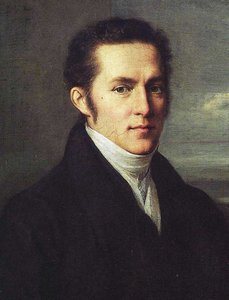
El polímata del alma romántica
Carl Gustav Carus se erige como una figura singular y luminosa en el tapiz de la historia alemana, un hombre cuyo intelecto se negó a ser confinado por los límites de una sola disciplina. Nacido en Leipzig en 1789, Carus fue mucho más que un simple pintor; fue un verdadero polímata que navegó las intrincadas intersecciones de la medicina, la botánica, la geología y la psicología con igual maestría. Su vida se desarrolló durante una era de profundo fermento intelectual, un tiempo en el que el rigor científico de la Ilustración comenzó a danzar con la profundidad emocional del Romanticismo. Contemplar un paisaje de Carus es presenciar algo más que un simple escenario; es ver el mundo a través de los ojos de un científico que halló lo divino en la precisión anatómica de una hoja y lo sublime espiritual en las brumas cambiantes de la ribera de un río.
Su educación temprana en Leipzig le proporcionó una base formidable en matemáticas y ciencias naturales, disciplinas que informarían para siempre su mirada artística. Este fundamento científico le permitió abordar el lienzo con una claridad única, observando el mundo físico no solo como un objeto de belleza, sino como un organismo complejo y vivo. Al trasladarse a la Universidad de Jena, se vio inmerso en las corrientes filosóficas de su época, estudiando junto al legendario Goethe. Esta conexión fue fundamental, ya que situó a Carus en el corazón mismo del movimiento romántico alemán, donde la contemplación de la naturaleza servía como puerta de entrada para comprender la psique humana y los infinitos misterios del universo.
Una simbiosis de ciencia y maestría artística
Mientras su pincel capturaba lo etéreo, sus manos practicaban las artes de la curación. Carus consolidó una distinguida carrera médica en Dresde, desempeñándose como profesor de obstetricia y director de la clínica de maternidad. Esta identidad dual —médico y artista— creó una tensión fascinante en su obra. Su profundo conocimiento de la anatomía y la fisiología humana otorgó un realismo sin precedparables a sus representaciones del mundo natural; comprendía la integridad estructural de un tronco de árbol y la delicada translucidez de la luz a través de la niebla con la misma intimidad con la que comprendía el pulso de un paciente vivo. Esta observación meticulosa le permitió tender un puente entre la realidad física y tangible de la naturaleza y su resonancia emocional e intangible.
La trayectoria de su desarrollo artístico estuvo profundamente marcada por su estrecha amistad y colaboración con Caspar David Friedrich. Juntos, estos dos maestros del Romanticismo alemán exploraron el concepto de lo sublime: esa sensación abrumadora de asombro y terror inspirada por la vastedad de la naturaleza. Mientras que Friedrich a menudo se centraba en el aislamiento espiritual del individuo, Carus aportó una precisión atmosférica única al movimiento. Sus obras, como la inquietantemente bella Ventanas góticas en las ruinas del monasterio de Oybin, utilizan la luz y la sombra para evocar un sentido de peso histórico y belleza melancólica, capturando la forma en que las ruinas se integran en el paisaje orgánico con el paso del tiempo.
Legado de luz y pensamiento
La importancia perdurable de Carl Gustav Carus reside en su capacidad para sintetizar mundos aparentemente dispares. Sus pinturas no son meramente imágenes estáticas, sino que están imbuidas de una profundidad psicológica que presagió gran parte del pensamiento moderno. Sus exploraciones sobre la relación entre el entorno externo y la percepción interna han suscitado comparaciones con las posteriores intuiciones psicológicas de figuras como Carl Jung, y sus observaciones científicas contribuyeron al clima intelectual más amplio que influyó en Charles Darwin. Él no veía conflicto alguno entre el estudio empírico de la tierra y la interpretación poética de su belleza.
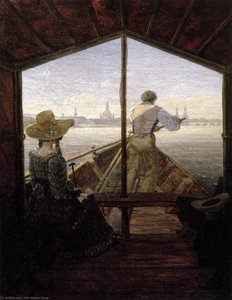
Incluso en sus composiciones más tranquilas, como Niebla matutina o Una góndola en el Elba cerca de Dresde, se puede percibir esta armonía profunda. En estas obras, las sutiles gradaciones de color y la luz suave y etérea evocan una sensación de paz y conexión cósmica. Carus deja tras de sí un legado que nos desafía a observar el mundo con un ojo analítico y agudo, pero también con un corazón abierto y sensible. Sigue siendo un testimonio de la idea de que el verdadero entendimiento surge del matrimonio entre la observación y la imaginación, convirtiéndolo en uno de los artistas intelectualmente más completos que jamás hayan adornado la era romántica.
Carl Gustav Carus
1789 - 1869 , Alemania
Datos clave
- Artistic Movement Or Style: Romanticismo
- Artists Who Influenced This Artist: ['Caspar David Friedrich']
- Date Of Birth: 1789
- Date Of Death: 1869
- Full Name: Carl Gustav Carus
- Nationality: Alemania
- Notable Artworks:
- Gothic Windows in the Ruins of the Monastery at Oybin
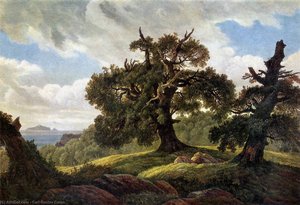
- Oaks at the Sea Shore
- Place Of Birth: Leipzig, Alemania
Artículos relacionados
Gustav Klimt: Las 25 Obras Maestras que Definen un Ícono del Arte Moderno | ArtsDot
Descubre las 25 obras maestras de Gustav Klimt, ícono del simbolismo y Art Nouveau. Explora 'El Beso', 'Judith' y más. Reproducciones de arte en ArtsDot.com para decorar tu hogar con elegancia. ¡Inspírate!
Romantic Realism's Finest: 10 Masterpieces for Your Home | ArtsDot
Explore 10 defining masterpieces of Romantic Realism! Discover Courbet, Millet & Daumier's powerful paintings—capturing emotion and social realities. Find museum-quality reproductions for your home at ArtsDot.com.
La Sombra de la Fe: Explorando la Intensidad Espiritual y la Innovación Arquitectónica del Arte Gótico
Descubre la profunda espiritualidad y la innovadora arquitectura del arte gótico. Explora la Basílica de Saint-Denis, su simbolismo cristiano y el legado duradero de este fascinante estilo. Análisis experto en ArtsDot.
Paul Gustave Doré: A Master of Romantic Realism & the Illustrated Imagination
Explore the captivating world of Gustave Doré, master of Romantic realism & iconic illustrator. Discover his dramatic wood engravings, paintings, and sculptures – a legacy shaping art history. Learn more at ArtsDot.

Paisajes Románticos: 10 Obras Maestras que Definieron un Movimiento Artístico
Descubre los 10 paisajes románticos más influyentes de artistas como Caspar David Friedrich y Turner. Explora la belleza, el simbolismo y las técnicas del movimiento romántico. Reproducciones de arte exclusivas en ArtsDot.com.