 Ver en contexto
 Enviar
 Compartir
 Detalles

 Descargar
 Similares
 Radiografía
 Presentación de diapositivas
The Meeting of Mary and Elizabeth


 Ver más
Giclée / Impresión de arte
Impresiones giclée o en lienzo de calidad de museo con producción rápida y opciones de acabado flexibles. ( Comprar pintura hecha a mano Comprar imagen)




P118B $10

P118H $10

P118W $10

P438Z $10

P508JH $12

P508YH $12

P805H $10

P805Z $10

P919BZ $10

P919G $10

P919XJ $10

P959ZH $10

P968JZ $12

W106C $8

W218G $10

W218JH $8

W218Y $10

W307PJ $10

W316G $10

W316PJ $8

W316Y $10

W398PJ $8

W4111J $10

W500HY $15

W500JH $15

W692G $12

W849H $8

W940BG $15

W953PJ $8




Elija entre nuestros tamaños predefinidos que respetan las proporciones originales de la obra.

Puede introducir sus propias dimensiones para adaptarse a un marco o espacio específico. Si el tamaño seleccionado no coincide con las proporciones de la imagen original, recortaremos la obra de arte o extenderemos la imagen con un borde con efecto espejo o de color sólido. Se enviará una maqueta digital para su aprobación antes de que comience la producción.
Tenga en cuenta que la vista previa en pantalla no refleja el recorte o la extensión real. Solo la maqueta mostrará con precisión la composición final.
Aunque existen tamaños personalizados, recomendamos seleccionar una dimensión de la lista predefinida para preservar las proporciones originales.
Envío a todo el mundo () en 2 semanas en lugar de las 4/5 semanas estándar. (31 agosto)

Envío exprés gratuito a todo el mundo

Lienzo de lino de alta calidad

Seguro de envío total

Garantía de reembolso de impuestos aduaneros

Garantía de fidelidad cromática exacta

Política de devolución de 60 días (solo por defectos)

Garantía de devolución del 100% del dinero

Descuento por cantidad
 La opción de vidrio solo está disponible en tamaños inferiores a 110 cm.

The Meeting of Mary and Elizabeth
Giclée / Impresión de arte
Dimensiones de la reproducción
-


Precio total final
$ 62
A Divine Encounter Captured in Color
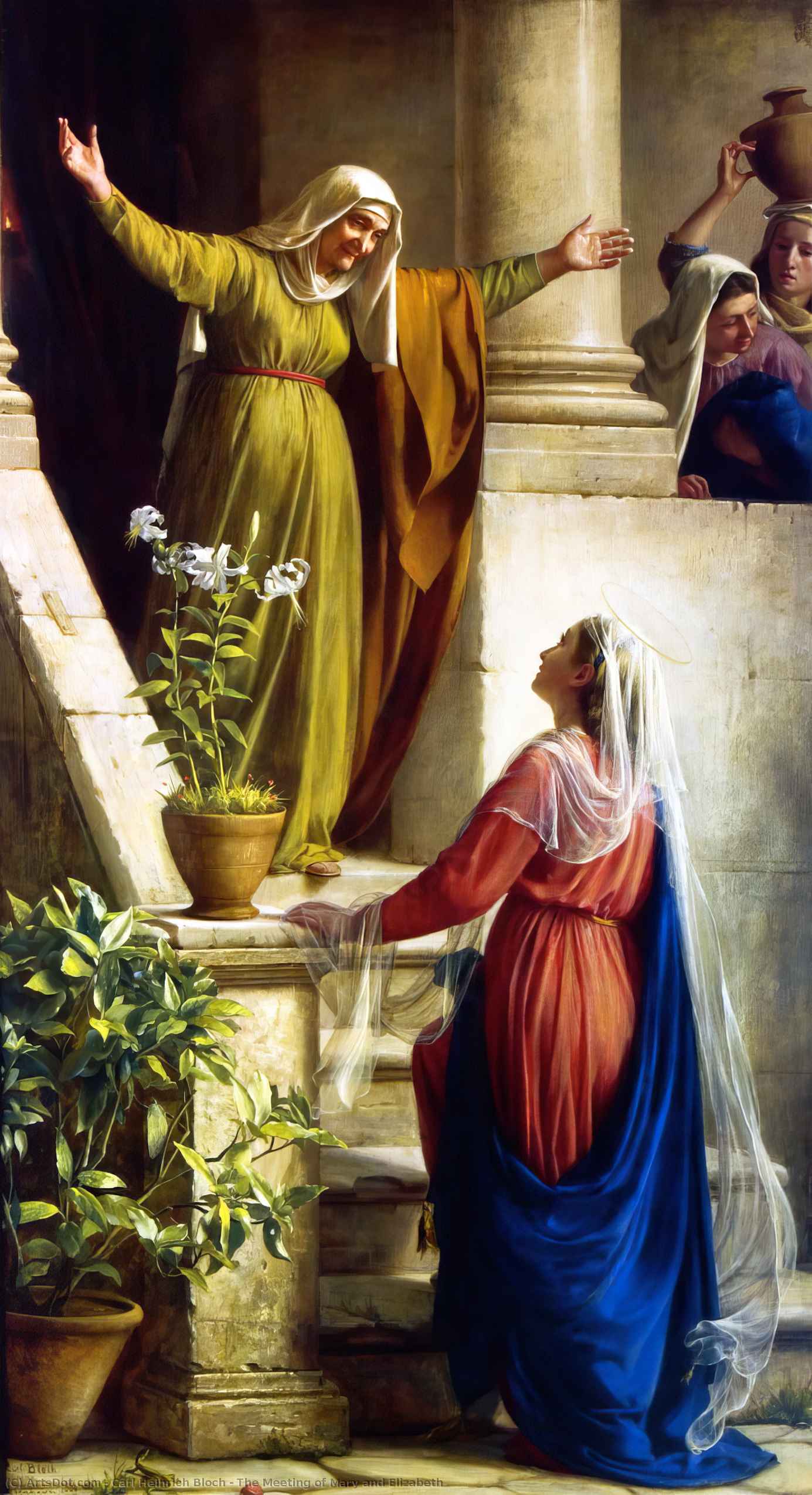
In the quiet, luminous atmosphere of Carl Heinrich Bloch’s 1866 masterpiece, "The Meeting of Mary and Elizabeth," we are invited into a moment of profound spiritual significance. This painting captures the biblical Visitation, the sacred instant when Mary, carrying the unborn Jesus, encounters her cousin Elizabeth, who is pregnant with John the Baptist. The scene is far more than a mere historical reenactment; it is an intimate study of connection, reverence, and the shared joy of two women united by a divine promise. Bloch, a master of Danish realism, utilizes a composition that draws the eye inward, centering our attention on the tender embrace of these two figures whose lives are about to change the course of human history.
The artistry of the piece lies in its remarkable ability to balance grand theological themes with deeply human emotions. As the two women lean toward one another, their heads bowed in a gesture of mutual respect and recognition, the viewer feels the weight of the miraculous event unfolding. The soft, diffused light that bathes the scene creates a serene, almost ethereal quality, smoothing the edges of the classical architecture and casting a warm glow upon the vibrant fabrics of their robes. This careful manipulation of light and shadow—a hallmark of Bloch’s technical prowess—not only provides depth to the interior setting but also serves to highlight the spiritual radiance emanating from the central figures.
Masterful Technique and Visual Harmony
Bloch’s technical execution in this work is nothing short of extraordinary, making it a captivating subject for collectors of classical fine art. The artist employs a rich, warm color palette that breathes life into the composition. The striking contrast between Mary’s vibrant yellow robe and Elizabeth’s deep blue attire creates a visual rhythm that guides the viewer through the narrative. These bold primary colors are balanced by the more muted, earthy tones of the background architecture and the observant figures in the periphery, ensuring that the central interaction remains the undisputed focal point.
Beyond the central duo, the painting is rich with supporting details that enhance its realism and historical texture. The presence of onlookers in various colored robes—greens, blues, and reds—adds a layer of social complexity to the scene, suggesting that this private moment of grace is being witnessed by a community. Even the subtle inclusion of a potted plant in the foreground serves a dual purpose: it anchors the composition with a touch of natural beauty and symbolizes the burgeoning life and fertility central to the narrative. For an interior designer, such a piece offers a sophisticated anchor for a room, providing both a conversation starter and a sense of timeless elegance.
An Enduring Legacy for the Discerning Collector
To possess a reproduction of "The Meeting of Mary and Elizabeth" is to bring a piece of 19th-century devotional history into a modern space. Carl Heinrich Bloch’s work has long been revered for its emotional depth and historical accuracy, earning him a place among the most celebrated religious painters of his era. His ability to render the human form with such dignity and grace ensures that the painting remains as impactful today as it was when it first graced the halls of the Royal Danish Academy.
Whether displayed in a private study, a grand living area, or a curated gallery space, this artwork offers an unparalleled sense of tranquility and contemplation. It serves as a reminder of the beauty found in moments of connection and the enduring power of faith. For those seeking to invest in art that transcends mere decoration, Bloch’s masterpiece provides a profound emotional resonance and a sophisticated aesthetic that complements both classical and contemporary interiors with effortless grace.
Obras relacionadas

Biografía del artista
Carl Heinrich Bloch: Una Vida Dedicada al Arte y la Fe
- Nacido: Copenhague, Dinamarca (23 de mayo de 1834)
- Fallecido: Copenhague, Dinamarca (22 de febrero de 1890)
Carl Heinrich Bloch fue un prominente pintor danés reconocido por sus representaciones de escenas bíblicas y la vida cotidiana. Nacido en Copenhague, demostró una pasión temprana por el arte, a pesar del descontento inicial de sus padres, quienes deseaban que siguiera una profesión más convencional como servicio naval. Su dedicación inquebrantable lo llevó a estudiar en la Real Academia Danesa de Arte bajo Wilhelm Marstrand, sentando las bases para su viaje artístico.
Vida Temprana y Desarrollo Artístico
- Formación Formal: La educación de Bloch en la Real Academia Danesa fue crucial para moldear sus habilidades.
- Enfoque Inicial: Sus primeras obras se centraban principalmente en escenas rurales de la vida cotidiana, mostrando una aguda capacidad de observación.
- Influencia Italiana: Un período fundamental en su desarrollo ocurrió durante su estancia en Italia (1859-1866). Esta exposición influyó significativamente en su estilo artístico y condujo a la adopción de temas históricos. Fue particularmente impactado por las obras de Rembrandt, cuya influencia es evidente en el uso de luz y sombra por parte de Bloch.
- Matrimonio: En Roma, conoció y se casó con Alma Trepka en 1868; su matrimonio le brindó felicidad hasta la prematura muerte de ella en 1886, una pérdida profunda que afectó profundamente su obra posterior.
Obras Principales y Reconocimiento Artístico
- "Prometeo Desatado": Su primer gran éxito llegó con la exposición de "Prometeo Desatado" en Copenhague en 1865, marcando un punto de inflexión en su carrera.
- Decoración Universitaria: Tras la muerte de Wilhelm Marstrand, Bloch completó la decoración del salón ceremonial de la Universidad de Copenhague, consolidando su reputación como artista líder.
- Comisión del Palacio de Frederiksborg (1865-1879): Esta comisión para producir 23 pinturas para la Capilla del Rey en el Palacio de Frederiksborg resultó ser su logro más significativo. Estas escenas de la vida de Cristo se volvieron inmensamente populares y son consideradas entre sus obras maestras.
- Retablos: Bloch creó varios retablos basados en estas pinturas del Palacio de Frederiksborg, que fueron colocados en iglesias de Dinamarca y Suecia.
Estilo Artístico e Influencias
- Realismo y Romanticismo: El estilo de Bloch combinaba el realismo con elementos románticos, creando representaciones emocionalmente resonantes de narrativas bíblicas y la vida cotidiana.
- Influencia de Rembrandt: La profunda influencia de Rembrandt es evidente en su magistral uso de la luz y la sombra para crear efectos dramáticos y transmitir emoción.
- Tradición Artística Danesa: Bloch formó parte de la "Tradición Eckersberg" dentro del arte danés, conocida por su enfoque en el realismo y los temas nacionales.
Legado y Significado Histórico
- Icono del Arte Religioso: Carl Heinrich Bloch es ampliamente reconocido como uno de los mayores intérpretes de las historias bíblicas a través de la pintura. Sus obras han influido profundamente en la imaginería religiosa en todo el mundo.
- Iglesia de Jesucristo de los Santos de los Últimos Días: Las pinturas de Bloch, particularmente aquellas de la colección del Palacio de Frederiksborg, han sido ampliamente utilizadas por la Iglesia de Jesucristo de los Santos de los Últimos Días en sus edificios eclesiásticos y materiales impresos. Incluso han servido como modelos visuales para películas que representan relatos bíblicos.
- Popularidad Duradera: Sus obras continúan siendo admiradas por su belleza, profundidad emocional y capacidad para transmitir verdades espirituales. El legado de Bloch perdura a través de reproducciones y exposiciones en todo el mundo.
- Reconocimiento de Contemporáneos: H.C. Andersen, el renombrado autor danés, elogió el arte de Bloch, afirmando que "se volvería noble aquí en la tierra" y alcanzaría “el gran cielo del arte”. Karl Madsen lo declaró como uno de los "más nobles de todos ellos".
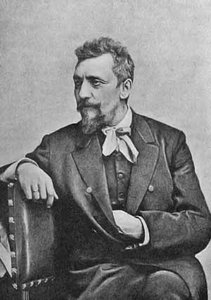
Carl Heinrich Bloch
1834 - 1890 , Dinamarca
Datos clave
- Artistas Que Influyeron En Este Artista:
- Wilhelm Marstrand
- Rembrandt
- Fecha De Fallecimiento: 22 de febrero de 1890
- Fecha De Nacimiento: 23 de mayo de 1834
- Lugar De Nacimiento: Copenhague, Dinamarca
- Movimiento Artístico O Estilo: Realismo y Romanticismo
- Nacionalidad: Danés
- Nombre Completo: Carl Heinrich Bloch
- Obras Notables:
- Prometeo Desatado
- La Última Cena
- Sanando al Ciego
- Paisaje de Hellebæk
- Personas Mayores
Artículos relacionados

Las 10 Obras Maestras del Azul Pizarra: Arte, Historia y Decoración
Descubre las 10 pinturas más famosas dominadas por el azul pizarra. Explora la historia, técnica y belleza de Monet, Van Gogh y otros maestros. Encuentra reproducciones de arte exclusivas para decorar tu hogar en .

The Allure of Azure: Exploring the Symbolic & Aesthetic Depths of Blue in Art History
Explore the rich history of blue in art! Discover its symbolism, from ancient pigments to modern masterpieces by Kandinsky & Seurat. Uncover the psychological impact and cultural meanings behind this captivating hue.
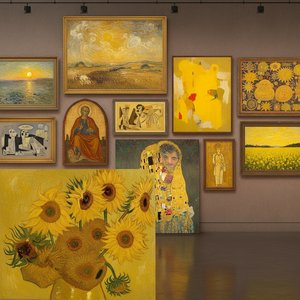
Los 10 cuadros más famosos dominados por el 'amarillo cromo': Arte y decoración
Descubre los 10 cuadros más emblemáticos dominados por el 'amarillo cromo': Van Gogh, Monet y otros maestros. Historia del arte, técnicas y decoración con lienzos impresionistas. ¡Explora la colección completa en ArtsDot.com!

Romantic Realism's Finest: 10 Masterpieces for Your Home | ArtsDot
Explore 10 defining masterpieces of Romantic Realism! Discover Courbet, Millet & Daumier's powerful paintings—capturing emotion and social realities. Find museum-quality reproductions for your home at ArtsDot.com.
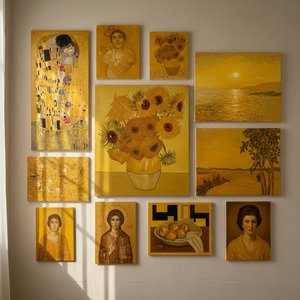
Los 10 cuadros más famosos dominados por el ocre amarillo: Arte y decoración atemporal
Descubre los 10 cuadros más famosos con tonos ocres amarillos. Explora la historia de Van Gogh, Monet y otros artistas clave del impresionismo y postimpresionismo. Encuentra reproducciones de arte de museo en .