

 Ver en contexto
 Enviar
 Compartir
 Detalles

 Descargar
 Similares
 Radiografía
 Presentación de diapositivas
 Estadísticas
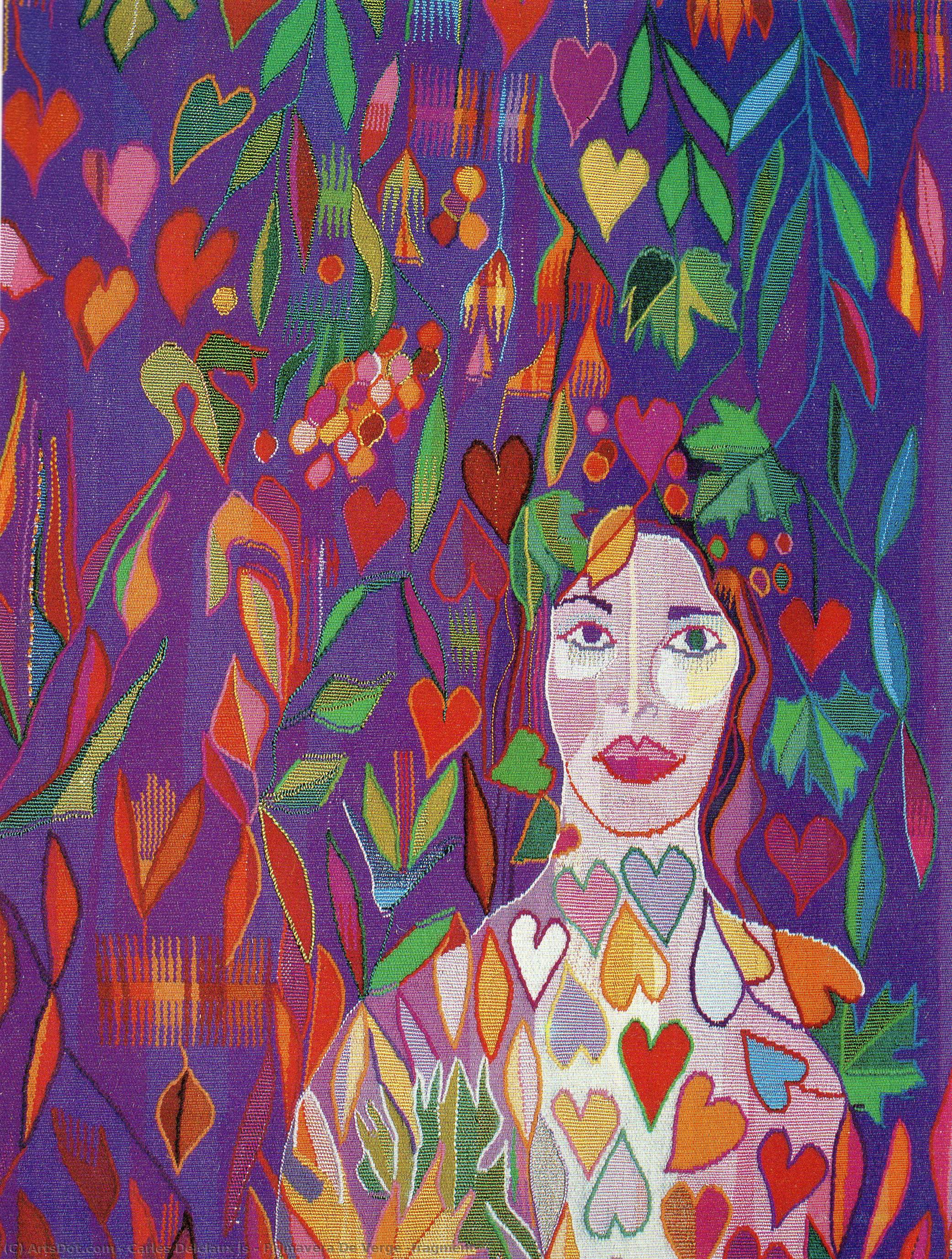
Primavera De Verge (fragment)


 Ver más
Giclée / Impresión de arte
Impresiones giclée o en lienzo de calidad de museo con producción rápida y opciones de acabado flexibles. ( Comprar pintura hecha a mano Cambiar a imagen digital)




































Elija entre nuestros tamaños predefinidos que respetan las proporciones originales de la obra.

Puede introducir sus propias dimensiones para adaptarse a un marco o espacio específico. Si el tamaño seleccionado no coincide con las proporciones de la imagen original, recortaremos la obra de arte o extenderemos la imagen con un borde con efecto espejo o de color sólido. Se enviará una maqueta digital para su aprobación antes de que comience la producción.
Tenga en cuenta que la vista previa en pantalla no refleja el recorte o la extensión real. Solo la maqueta mostrará con precisión la composición final.
Aunque existen tamaños personalizados, recomendamos seleccionar una dimensión de la lista predefinida para preservar las proporciones originales.
Envío a todo el mundo () en 2 semanas en lugar de las 4/5 semanas estándar. (9 septiembre)

Envío exprés gratuito a todo el mundo

Lienzo de lino de alta calidad

Seguro de envío total

Garantía de reembolso de impuestos aduaneros

Garantía de fidelidad cromática exacta

Política de devolución de 100 días (solo por defectos)

Garantía de devolución del 100% del dinero

Descuento por cantidad
 La opción de vidrio solo está disponible en tamaños inferiores a 110 cm.

Primavera De Verge (fragment)
Giclée / Impresión de arte
Dimensiones de la reproducción
-


Precio total final
$ 62
Obras relacionadas

Biografía del artista
Carles Delclaux Is: A Weaver's Vision of Symbolism and Artistic Reinterpretation
Carles Delclaux is (born 1951, Sant Cugat del Vallès) a Spanish textile artist who has established himself as a leading figure in contemporary Catalan art. Trained initially at the Aymat factory and subsequently at the Massana School of Fine Arts in Barcelona, his artistic journey began with a grounding in traditional craftsmanship while simultaneously embracing experimentation and innovation. This dual influence—academic rigor combined with creative freedom—defines his distinctive style and informs his enduring fascination with exploring complex themes through the medium of tapestry. Delclaux’s formative years were marked by an immersion in the techniques of textile production, specifically at the Aymat factory, where he honed his skills in weaving and dyeing. This early exposure instilled within him a deep appreciation for the meticulous process involved in transforming raw materials into intricate artworks—a perspective that would permeate his subsequent artistic endeavors. Simultaneously, his studies at Massana School of Fine Arts provided him with a broader understanding of visual art principles, fostering a critical eye and enriching his creative vision. His career gained momentum during the 1970s when he assumed leadership of the Catalan School of Tapestry, an institution dedicated to preserving and revitalizing Catalan weaving traditions. Recognizing the importance of artistic education, Delclaux championed the revival of classical weaving methods, nurturing a new generation of artisans committed to upholding this venerable craft. He firmly believed that mastering the art of weaving demanded not only technical proficiency but also intellectual curiosity—a conviction that guided his teaching practices at Girona University. From 1975 onwards, Delclaux embarked on an ambitious project: meticulously recreating masterpieces by celebrated artists – Josep Grau-Garriga, Joan-Josep Tharrats, Josep Maria Subirachs, Joan Miró, Manuel Millares, José Beulas, Modest Cuixart, Pere Lloses, Domènec Fita, Narcís Comadira, Juan José Torralba, Francesc Torres i Monsó, Marcel Martí – among others. This undertaking transcended mere technical replication; it represented a profound engagement with artistic heritage and a deliberate effort to reinterpret these iconic images through the expressive language of textile art. Delclaux skillfully translated the emotional core and symbolic significance of original paintings into textured fabrics, demonstrating how different mediums could illuminate shared artistic concerns. He approached each commission with meticulous attention to detail, striving to capture not just the visual likeness but also the spirit and atmosphere of the artwork he sought to reproduce. His own designs have evolved significantly over time, reflecting his ongoing exploration of tapestry as a vehicle for conveying complex ideas. He sees it as more than just decoration; rather, he considers it to be a powerful tool for communicating narratives and evoking emotions—a medium capable of capturing the essence of human experience. This perspective is evident in his current work, which delves into themes of renaissance and abstraction, showcasing his ability to synthesize tradition with contemporary artistic sensibilities. Delclaux’s artwork has garnered recognition from prestigious institutions worldwide. His creations are housed in collections at museums such as MACBA (Barcelona Museum of Contemporary Art), CDAN (Contemporary Textile Design Archive – Casa Aymat), and others, alongside private commissions and public projects. This widespread acclaim underscores the significance of his contribution to both textile art and Catalan culture—a testament to his unwavering dedication to artistic excellence and his enduring legacy as a visionary weaver who breathes new life into timeless masterpieces.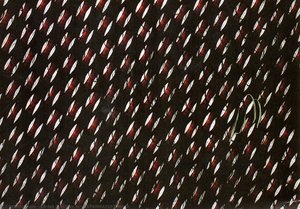
Carles Delclaux Is
1951 - , España
Datos clave
- Artistic Movement Or Style: Textile Art
- Artists Who Influenced This Artist:
- Josep Grau Garriga
- Joan Miró
- Date Of Birth: October 29, 1951
- Full Name: Carles Delclaux Is
- Nationality: Catalan
- Notable Artworks:
- El sudari de Sant Is
- ESPERMATOFEMINIS
- Place Of Birth: Sant Cugat del Vallès, Spain