 Vista previa
 Compartir
 Compartir
 Ver detalles

 Descargar
 Ver similares
 Radiografía
 Presentación de diapositivas
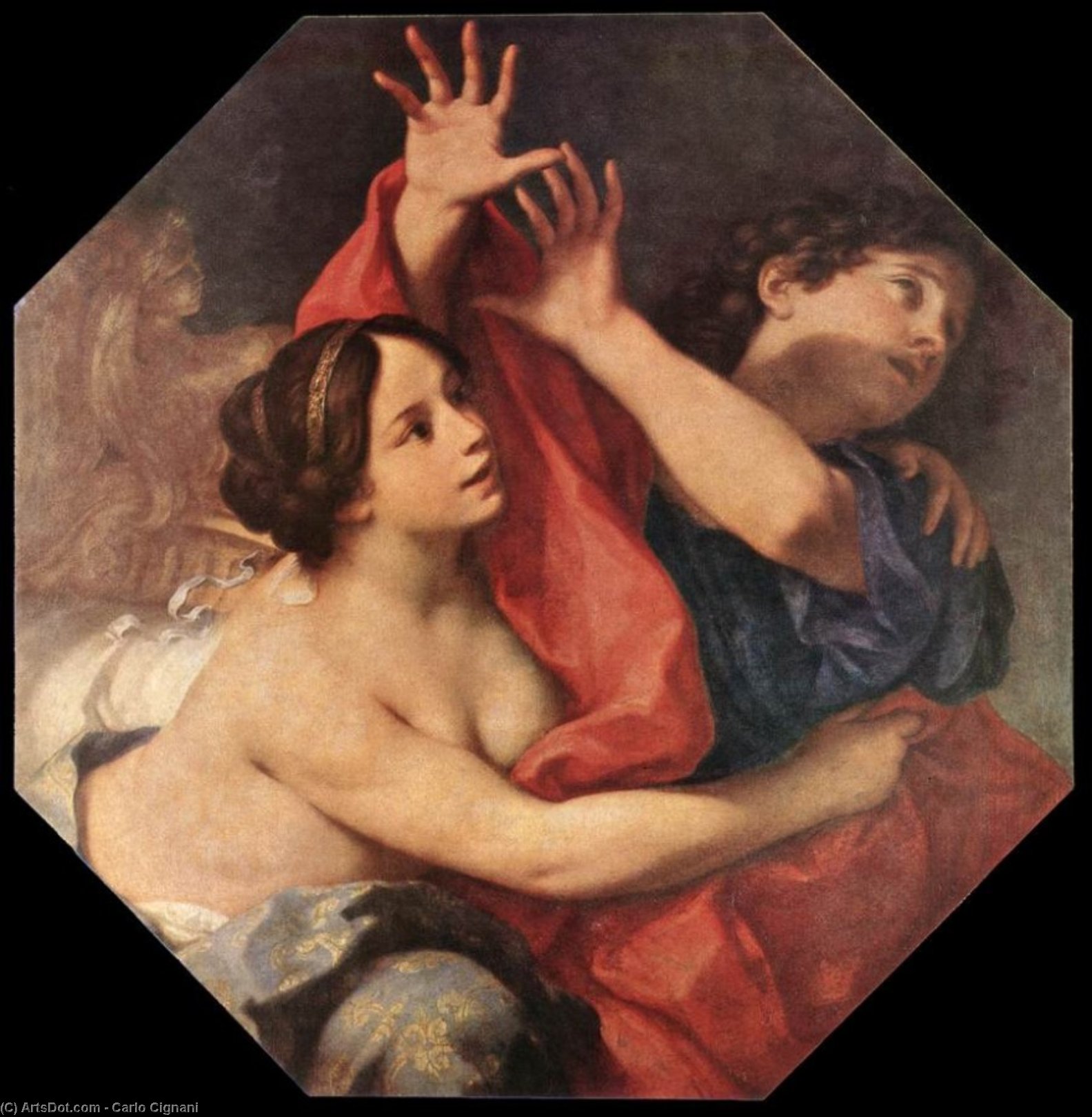
Joseph and Potiphar's Wife
 Oil On Canvas
- WallArt
- Baroque Classicism
 1678
1678 99.0 x 99.0 cm
 Galería de Pinturas Antiguas
 Leer más
Reproducción al óleo hecha a mano
Óleo sobre lienzo pintado a mano en el tamaño y marco de su elección, realizado por encargo por nuestros artistas. ( Pedir impresión Comprar descarga)




P118B $10

P118H $10

P118W $10

P438Z $10

P508JH $12

P508YH $12

P805H $10

P805Z $10

P919BZ $10

P919G $10

P919XJ $10

P959ZH $10

P968JZ $12

W106C $8

W218G $10

W218JH $8

W218Y $10

W307PJ $10

W316G $10

W316PJ $8

W316Y $10

W398PJ $8

W4111J $10

W500HY $15

W500JH $15

W692G $12

W849H $8

W940BG $15

W953PJ $8




Elija entre nuestros tamaños predefinidos que respetan las proporciones originales de la obra.

Puede ingresar sus propias dimensiones para adaptarse a un marco o espacio específico. Si el tamaño seleccionado no coincide con las proporciones de la imagen original, recortaremos la obra o extenderemos la pintura con elementos adicionales pintados a mano. Se le enviará una maqueta digital para su aprobación antes de comenzar la producción.
Tenga en cuenta que la vista previa en pantalla no refleja el recorte o la extensión reales. Solo la maqueta mostrará con precisión la composición final.
Si bien existen tamaños personalizados, recomendamos seleccionar una dimensión de la lista predefinida para preservar las proporciones originales.
Tras realizar el pedido, el equipo de ArtsDot.com enviará un correo electrónico al cliente para solicitar instrucciones y proporcionarle una vista previa del boceto.
Envío a todo el mundo () en 3-4 semanas en lugar de las 5 semanas estándar. (21 agosto). Sin comprometer la calidad.

Envío exprés gratuito a todo el mundo

Lienzo de lino de alta calidad

Seguro de envío completo

Garantía de reembolso de aranceles aduaneros

Garantía de fidelidad cromática exacta

Política de devolución de 60 días (solo por defectos)

Garantía de devolución del 100% del dinero

Oferta por volumen
 La opción de vidrio solo está disponible en tamaños inferiores a 110 cm.

Joseph and Potiphar's Wife
Técnica de reproducción
Tamaño de la reproducción
-


Precio total
$ 263
Descripción de la obra
Carlo Cignani’s Gentle Baroque: A Study of “Joseph and Potiphar’s Wife”
Carlo Cignani (1628-1719) stands as a fascinating figure bridging the High Baroque and the emerging Rococo styles. He wasn't a revolutionary like some of his contemporaries, but rather a masterful consolidator, the last great exponent of the Bolognese classicism that had flourished for generations. His art embodies a ‘new manner,’ as it was known – a softening of the dramatic intensity favored by earlier Baroque masters, replaced with an intimate and reflective quality that subtly influenced artists like Guido Reni and Guercino. Cignani’s path wasn't one of radical innovation, but rather of refined elegance and intellectual depth, securing his place as a significant, if sometimes overlooked, figure in 17th-century Italian painting. Details surrounding his early life remain somewhat scarce; we know he came from a noble, though modestly resourced family, and that he would later have both a son, Felice Cignan The fresco “Joseph and Potiphar’s Wife,” completed around 1678, exemplifies this characteristic ‘new manner.’ Unlike the turbulent compositions of Caravaggio or Bernini, Cignani eschews theatrical gestures and overwhelming grandeur. Instead, he presents a scene steeped in quiet emotion—a palpable tension between desire and moral restraint—captured with remarkable sensitivity. The artist’s meticulous attention to detail contributes significantly to the artwork's impact; observe the subtle gradations of color within Potiphar’s wife’s robe, mirroring the nuanced expressions on her face and Joseph’s posture. This deliberate control over form underscores Cignani’s commitment to conveying psychological depth rather than merely depicting a narrative event. Technically speaking, Cignani employed tempera paint on plaster—a technique favored by Bolognese artists during this period—resulting in luminous hues and exceptional durability. The fresco's palette leans towards muted reds and golds, reflecting the prevailing aesthetic sensibilities of the time while simultaneously conveying an aura of solemn contemplation. Furthermore, Cignani skillfully utilized chiaroscuro—the interplay of light and shadow—to sculpt the figures’ forms and heighten their emotional resonance. This masterful manipulation of tonal values draws the viewer's gaze inward, fostering a profound connection with the depicted characters and their predicament. Historically, “Joseph and Potiphar’s Wife” aligns itself squarely within the broader tradition of biblical art—a genre that had undergone considerable transformation since its medieval origins. The fresco reflects the humanist concerns of the Baroque era, prioritizing human experience and psychological realism over stylized representations of divine majesty. However, Cignani's approach diverges from prevailing stylistic trends by prioritizing subtlety and introspection. He avoids overtly didactic pronouncements, allowing viewers to grapple with the moral complexities inherent in the narrative—the allure of forbidden desire versus the sanctity of marital fidelity. Symbolically, the artwork speaks volumes about the anxieties surrounding sexuality and social status prevalent during Cignani’s lifetime. The woman's insistent gaze embodies the pervasive societal pressure on women to conform to idealized standards of beauty and virtue. Joseph’s refusal to succumb to temptation underscores the importance of moral integrity—a value championed by Christian theologians and artists alike. Moreover, the juxtaposition of opulent fabrics and restrained gestures serves as a visual metaphor for the conflict between worldly indulgence and spiritual devotion. Ultimately, “Joseph and Potiphar’s Wife” transcends its narrative content to evoke a powerful emotional response in the viewer. The fresco's melancholic atmosphere—characterized by palpable longing and unspoken regret—captures the essence of human vulnerability. Cignani’s masterful execution ensures that this profound psychological insight remains accessible to audiences across centuries, cementing his legacy as one of the most enduring achievements of Bolognese Baroque art.- Artist: Carlo Cignani
- Birth Year: 1628
- Death Year: 1719
- Birth City: Bologna
- Birth Country: Italy
Obras relacionadas






Biografía del artista
Early Life and Artistic Training
- Born: Around 1630 in Bologna, Italy
- Family Background: Details scarce; known to have had a son, Felice Cignani (1660–1724), also a painter, and a nephew, Paolo Cignani (1709–1764).
- Early Influences: Deeply inspired by Correggio's frescoes in the cupola of the Cathedral of Parma and Melozzo da Forlì’s perspective techniques.
- Artistic Training: Initially trained under Albani, absorbing his elaborate finish and use of color.
- Accademia del Nudo: Established an accademia del nudo in Bologna for painting from models, demonstrating a commitment to anatomical study. Giuseppe Maria Crespi was one of his pupils.
Major Works and Artistic Development
- Assumption of Saint Rose of Lima: A significant work painted in Forlì, showcasing his ability to create dramatic compositions under ceilings.
- Entry of Paul III into Bologna: Depicts a historical event with characteristic intellectual character.
- Francis I Touching for Kings Evil: Demonstrates skill in portraying royal figures and courtly scenes.
- Power of Love: Painted under a ceiling by Agostino Carracci, highlighting his versatility across different artistic styles.
- Adam and Eve: Exhibited at Dresden and Copenhagen, reflecting his international recognition.
- Joseph and Potiphar's Wife: Multiple versions exist (Dresden, Ajaccio), illustrating a recurring theme in his oeuvre.
Artistic Influences and Style
- Correggio: Profound influence on his use of color and dramatic compositions, particularly evident in the Assumption of Saint Rose of Lima.
- Melozzo da Forlì: Inspired his perspective techniques and ability to create illusionistic space.
- Albani: Absorbed Albani’s style, though developed a distinct intellectual character in his works.
- Agostino Carracci: Collaborated with Carracci on the Power of Love, demonstrating versatility across different artistic styles.
- Style Characteristics: Intellectual character, elaborate finish, use of color inspired by Correggio, and mastery of perspective techniques influenced by Melozzo da Forlì.
Historical Significance and Legacy
- International Recognition: Works exhibited at Dresden and Copenhagen, reflecting his international acclaim.
- Pupil Influence: Mentored numerous artists including Giuseppe Maria Crespi, Paolo Antonio Paderna., and Sante Vandi, contributing to the development of Bolognese art.
- Self-Portrait: A valuable record of his appearance and artistic identity.
- Pinacoteca Civica in Forlì: Several works housed in the Pinacoteca Civica, ensuring preservation and accessibility for future generations.
- Lasting Impact: Recognized as a significant figure in Bolognese art history, known for intellectual character, mastery of perspective, and influence on subsequent artists.
Later Years and Death
- Circolo della Scranna, Forlì: Aurora painted here.
- Pinacoteca Civica: Incoronazione di Santa Rosa (Coronation of Saint Rose of Lima) housed here.
- Death: Details scarce; presumed to have died after a prolific career.
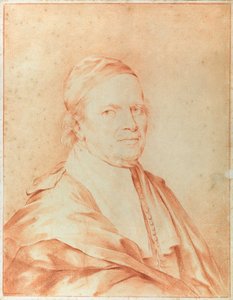
Carlo Cignani
1628 - 1719 , Italia
Datos clave
- Artistas Influenciados:
- Giuseppe Crespi
- Paolo Paderna
- Estilo Artístico: Barroco Bolognés
- Fecha De Muerte: 1743
- Fecha De Nacimiento: 1660
- Influencias Artísticas:
- Agostino Carracci
- Felice Cignani (padre)
- Lugar De Nacimiento: Bolonia, Italia
- Nacionalidad: Italiana
- Nombre Completo: Felice Cignani
- Obras Notables:
- San Francisco tocando
- Potifar y su esposa
- San José con Potifar
Artículos relacionados

Legado en las Paredes: Frescos Familiares que Trascienden el Tiempo
Descubre el arte del fresco muralístico para inmortalizar tu historia familiar. Expertos en frescos personalizados y técnicas ancestrales. Crea un legado visual único con .

The Enduring Legacy of Fresco Painting: Techniques, History & Contemporary Relevance
Explore the rich history & enduring artistry of fresco painting – from Giotto to Michelangelo! Discover techniques, conservation efforts, & modern applications. Learn how ArtsDot brings this timeless art form to your home.

The Enduring Legacy of Fresco: Technique, History & Artistic Expression Across Cultures
Explore the rich history & enduring legacy of fresco painting! Discover ancient techniques, Giotto's masterpieces, and modern applications. Expert insights for art lovers & professionals.

Decoding Baroque Grandeur: A Guide to the Drama and Emotion of 17th-Century Art
Explore the breathtaking drama of 17th-century Baroque art. Our expert guide decodes the use of chiaroscuro, emotional intensity, and historical grandeur to help you appreciate and curate timeless masterpieces for your collection.

¿El Arte que Habita Contigo: El Poder Emocional de un Fresco Interior Personalizado?
Descubre el poder emocional de un fresco interior personalizado. Expertos en arte te guían para crear una obra única que refleje tu estilo y valore tu hogar. : calidad, confianza y diseño excepcional.