

 Ver en contexto
 Enviar
 Compartir
 Detalles

 Descargar
 Similares
 Radiografía
 Presentación de diapositivas
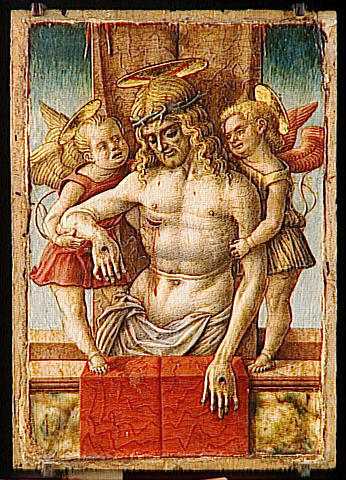
LE CHRIST MORT SOUTENU PAR DEUX ANGES


 Ver más
Adquiera una imagen digital de alta resolución y optimizada, muy superior a la vista previa en línea.
Cada archivo es preparado meticulosamente por nuestros especialistas internos mediante el uso de herramientas avanzadas y un experto retoque manual. Nos aseguramos de que cada imagen posea una claridad excepcional, una precisión cromática impecable y un detalle minucioso.
El archivo final se entrega por correo electrónico en un plazo de 72 horas, optimizado para su uso inmediato en entornos profesionales, editoriales y de impresión. Esta es la misma calidad en la que confían los estudios de diseño, las editoriales y las galerías de primer nivel.
Imagen Digital
Descarga un archivo de alta resolución para exhibición personal, impresión y proyectos creativos. ( Comprar impresión Comprar pintura hecha a mano)
Incluido en cada pedido de imágenes digitales
Entrega digital experta, garantizada.
Al elegir ArtsDot.com, no solo está adquiriendo una imagen; está recibiendo una obra de arte digital mejorada profesionalmente, elaborada con precisión y respaldada por una garantía de satisfacción. Esto es todo lo que incluye su pedido, automáticamente:

Entrega rápida por email
Recibirá su archivo de imagen digital en alta resolución por correo electrónico en un plazo de 72 horas tras realizar su pedido, listo para su uso inmediato.

Archivo digital optimizado por IA
Su obra de arte se optimiza profesionalmente mediante herramientas avanzadas de IA y edición manual, garantizando el máximo detalle, claridad y precisión cromática.

Reenvío gratuito de por vida
¿Has borrado o perdido tu archivo por error? No te preocupes: te lo volveremos a enviar en cualquier momento, sin coste adicional.

Sin gastos de importación, siempre
Disfrute de su obra de arte al instante sin aduanas, aranceles ni gastos de envío; las descargas digitales siempre están libres de impuestos.

Garantía de fidelidad de color
Garantizamos que su imagen digital refleje los colores originales con la mayor fidelidad posible, mediante el uso de herramientas profesionales y gestión del color.

Garantía de satisfacción de 60 días
Si no está satisfecho con su imagen digital, la revisaremos o le reembolsaremos el 100% en un plazo de 60 días, sin preguntas.

100% Garantía de devolución de dinero
¿No está satisfecho? Obtenga un reembolso completo dentro de los 60 días posteriores a la recepción de su archivo digital, sin necesidad de explicaciones.

Descuentos por pedidos grandes
Compra 3 imágenes, ahorra 10% - Compra 5, ahorra 15% - Compra 10+, ahorra 20%. Ideal para proyectos creativos, galerías y agencias.
Descripción del coleccionable
The Somber Majesty of Divine Descent
This devotional panel captures a moment suspended between earthly suffering and heavenly repose: the body of Christ, gently supported by two celestial angels. The scene immediately draws the viewer into an atmosphere of profound solemnity and quiet reverence. It is not merely a depiction of death, but rather a carefully orchestrated meditation on sacrifice and divine grace. The composition centers entirely upon this sacred trio, drawing the eye across the rich drapery and the serene, yet poignant, expressions of the figures. One senses the weight of history and theology imbued within every painted fold.
Echoes of Early Renaissance Linearity
Stylistically, the work speaks eloquently of the Early Renaissance period, particularly echoing the meticulous hand of masters like Carlo Crivelli. While the subject matter is monumental in its spiritual scope, the execution retains a characteristic linearity and decorative richness that distinguishes it from the burgeoning naturalism of later High Renaissance works. The perspective remains notably flattened; depth is suggested more through careful arrangement than through rigorous spatial recession. This choice lends the piece an almost jewel-like quality, where every figure and fold seems to exist with exquisite, deliberate ornamentation. The artist’s attention to detail—visible in the rendering of hair, the delicate folds of the red cloth, and the subtle contours of the skin—is breathtaking.
A Symphony of Earthy Tones and Sacred Color
The palette itself is a masterclass in restrained drama. Dominated by warm, earthy ochres, rich browns, and creamy tones that define the human forms, these are punctuated by striking accents of deep red and cool blue. The vibrant red cloth beneath Christ serves as an immediate focal point, grounding the composition while simultaneously symbolizing sacrifice. Meanwhile, the blues used sparingly in the background or highlights provide a necessary celestial counterpoint to the terrestrial weight of the scene. This careful interplay of color ensures that the emotional narrative remains paramount, guiding the viewer’s gaze through zones of sorrow and divine light.
Symbolism and Emotional Resonance for the Modern Collector
For the contemporary collector or designer seeking an object imbued with deep meaning, this piece offers more than mere decoration; it offers contemplation. The halo surrounding Christ is a timeless symbol of divinity, while the angels embody compassionate support—a visual promise of heavenly assistance. Owning a reproduction of such a work allows one to bring a sense of enduring spiritual comfort and historical gravitas into any space. It speaks to themes universal: endurance, sacrifice, and the unwavering nature of faith. The meticulous technique, suggesting tempera or oil on wood panel, promises a tangible connection to centuries of artistic devotion.
Obras relacionadas
Biografía del artista
Vida y Formación Temprana
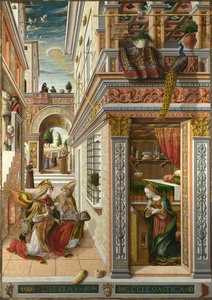
Carlo Crivelli, pintor del Renacimiento italiano, nació en Venecia alrededor de 1430-35. Provenía de una familia de pintores y recibió su formación artística tanto en Venecia como en Padua. Se cree que su temprana formación estuvo bajo la tutela de Jacobello del Fiore, quien aún estaba activo en 1436. También estudió en la escuela de Vivarini en Venecia.
Estilo Artístico y Carrera
Crivelli pasó sus primeros años en el Véneto, absorbiendo influencias de Vivarini, Squarcione y Mantegna. En 1458, abandonó el Véneto y pasó la mayor parte de su carrera en las Marcas de Ancona, desarrollando un estilo personal distintivo que contrasta con el de su contemporáneo veneciano Giovanni Bellini. Su obra se caracteriza por una sensibilidad decorativa gótica tardía conservadora, marcada por una cualidad lineal, atención al detalle y el uso de técnicas de "trompe l'oeil".
Obras Destacadas y Colaboraciones
- La pintura de Carlo Crivelli "Madonna y Niño en el Trono" (106 x 55 cm, Museo de Bellas Artes, Budapest, Hungría) es un ejemplo primordial de su estilo.
- Colaboró con su hermano menor Vittorio Crivelli en varios proyectos.
- Pietro Alemanno, un pintor que emigró a las Marcas de Ancona desde Alemania/Austria, fue su alumno y colaborador.
Museos y Colecciones
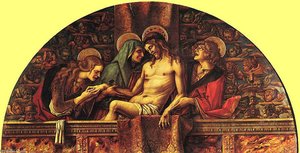
- La Pinacoteca di Brera en Milán, Italia, exhibe varias obras de Crivelli, incluyendo la "Pietà" (128 x 241 cm).
- El Museo San Giovanni en Bragora en Venecia, Italia, tiene una colección de obras de arte de varios períodos y estilos, incluyendo algunas atribuidas a Crivelli.
Legado e Importancia Histórica
Ver las obras de Carlo Crivelli en ArtsDot.com
Explorar las obras de Jacopo Robusti en ArtsDot.com
Leer más sobre Carlo Crivelli en Wikipedia
El legado de Crivelli continúa inspirando a entusiastas del arte y académicos por igual, con su obra permaneciendo como un testimonio del poder perdurable de la sensibilidad decorativa gótica tardía conservadora. Su habilidad para combinar elementos góticos tradicionales con técnicas renacentistas lo convierte en una figura única e importante en la historia del arte italiano.
Carlo Crivelli
1435 - 1495 , Italia
Breves datos
- Artistas Que Influyeron:
- Jacobello del Fiore
- Vivarini
- Squarcione
- Mantegna
- Fecha De Muerte: 1495
- Fecha De Nacimiento: 1435
- Lugar De Nacimiento: Venecia, Italia
- Movimiento Artístico: Renacimiento tardío gótico
- Museos Y Colecciones:
- Pinacoteca di Brera
- San Giovanni in Bragora
- Nacionalidad: Italiana
- Nombre Completo: Carlo Crivelli
- Obras Notables:
- Virgen con el Niño en trono
- Pietà

