 Ver en contexto
 Enviar
 Compartir
 Detalles

 Descargar
 Similares
 Radiografía
 Presentación de diapositivas
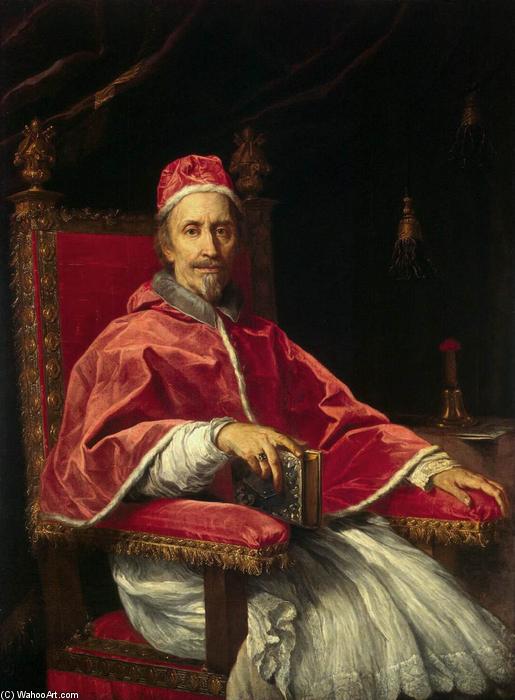
Portrait of Pope Clement IX
 Oil On Canvas
- WallArt
- Baroque Classicizing Style
 1669
1669- Early Modern
 158.0 x 119.0 cm
 Museo del Hermitage
 Ver más
Reproducción al óleo hecha a mano
Óleo sobre lienzo pintado a mano en el tamaño y marco de su elección, realizado por encargo por nuestros artistas. ( Comprar impresión Comprar imagen)




P118B $10

P118H $10

P118W $10

P438Z $10

P508JH $12

P508YH $12

P805H $10

P805Z $10

P919BZ $10

P919G $10

P919XJ $10

P959ZH $10

P968JZ $12

W106C $8

W218G $10

W218JH $8

W218Y $10

W307PJ $10

W316G $10

W316PJ $8

W316Y $10

W398PJ $8

W4111J $10

W500HY $15

W500JH $15

W692G $12

W849H $8

W940BG $15

W953PJ $8




Elija entre nuestros tamaños predefinidos que respetan las proporciones originales de la obra.

Puede ingresar sus propias dimensiones para adaptarse a un marco o espacio específico. Si el tamaño seleccionado no coincide con las proporciones de la imagen original, recortaremos la obra o extenderemos la pintura con elementos adicionales pintados a mano. Se le enviará una maqueta digital para su aprobación antes de comenzar la producción.
Tenga en cuenta que la vista previa en pantalla no refleja el recorte o la extensión reales. Solo la maqueta mostrará con precisión la composición final.
Si bien existen tamaños personalizados, recomendamos seleccionar una dimensión de la lista predefinida para preservar las proporciones originales.
Tras realizar el pedido, el equipo de ArtsDot.com enviará un correo electrónico al cliente para solicitar instrucciones y proporcionarle una vista previa del boceto.
Envío a todo el mundo () en 3-4 semanas en lugar de las 5 semanas estándar. (24 agosto). Sin comprometer la calidad.

Envío exprés gratuito a todo el mundo

Lienzo de lino de alta calidad

Seguro de envío total

Garantía de reembolso de impuestos aduaneros

Garantía de fidelidad cromática exacta

Política de devolución de 60 días (solo por defectos)

Garantía de devolución del 100% del dinero

Descuento por cantidad
 La opción de vidrio solo está disponible en tamaños inferiores a 110 cm.

Portrait of Pope Clement IX
Técnica de reproducción
Dimensiones de la reproducción
-


Precio total final
$ 263
Descripción de la obra
The Dignity of Papal Authority in Maratta's Hand
To gaze upon Carlo Maratta’s Portrait of Pope Clement IX is to encounter a moment suspended between earthly power and spiritual contemplation. Painted in 1669, this work transcends a mere likeness; it is a carefully constructed meditation on authority, piety, and the enduring weight of historical office. The subject, seated regally yet with an air of profound introspection, commands attention through his rich vestments—the deep crimson robe speaking of papal majesty—and the subtle gravity etched upon his countenance. Maratta, a master who navigated the currents from High Baroque drama toward a more measured classicism, captures Clement IX not in a moment of booming pronouncement, but in quiet, dignified repose.
A Masterclass in Classicizing Technique
Technically, the painting is a testament to Maratta’s refined skill. While the era surrounding it was marked by dramatic flourishes across European art, Maratta steered his brush toward clarity and balance. Observe the handling of the fabric; the folds of the red robe are rendered with an almost sculptural precision, suggesting weight and richness without descending into mere ornamentation. The background, deliberately kept dark, serves a crucial function: it acts as a velvet curtain against which the illuminated figure seems to emerge, drawing the viewer's eye inexorably toward the Pope’s clasped hands and his steady gaze. This masterful use of chiaroscuro is not merely decorative; it heightens the emotional resonance, lending the portrait an air of timeless solemnity.
Symbolism and Spiritual Weight
Every element within this composition speaks volumes. The crown upon his head signifies his temporal power, yet it is juxtaposed with the posture—the hands clasped together in prayer or deep thought—which anchors the piece firmly in the realm of spiritual devotion. This duality is central to understanding the portrait’s enduring appeal. It suggests that true authority, even one vested by divine right, must ultimately be tempered by humility and contemplation. For the collector or designer, this symbolism offers a powerful narrative: the balance between worldly achievement and inner peace.
Bringing Renaissance Gravitas Home
For those seeking to infuse a space with the gravitas of history and the elegance of classical taste, a reproduction of Portrait of Pope Clement IX is an unparalleled choice. It brings the refined aesthetic of the Roman Baroque masters into contemporary interiors. Whether placed in a formal study, a library, or a reception hall, its restrained drama elevates the surroundings. Owning this piece allows one to connect with the intellectual rigor and harmonious design principles that defined Maratta’s career, offering not just decoration, but a palpable sense of cultured history.
Obras relacionadas
Biografía del artista
Primeros años y formación
Carlo Maratta, un destacado pintor italiano, nació el 15 de mayo de 1625 en Camerano, Estados Pontificios (actualmente Italia). A la edad de 11 años, se mudó a Roma, donde se convirtió en aprendiz en el estudio de Andrea Sacchi. Esto marcó el comienzo de su viaje artístico, que eventualmente lo llevaría a convertirse en una figura líder en la escuela romana de pintura.Estilo artístico e influencias
Las pinturas de Maratta se caracterizan por su estilo clasicizante, ejecutado en una manera barroca clásica tardía. Aunque formaba parte de la tradición clásica derivada de Rafael, no estuvo exento de la influencia de la pintura barroca, particularmente en su uso del color. Su contemporáneo y amigo, Giovanni Bellori, escribió una biografía temprana sobre Maratta, destacando su enfoque artístico único.Obras notables y comisiones
Algunas de las obras notables de Maratta incluyen:- La Visita (1656) para Santa Maria della Pace, que muestra su dominio de la luz y el movimiento.
- El Misterio de la Trinidad Revelada a San Agustín (c. 1655), demostrando su capacidad para equilibrar el idealismo clásico con elementos barrocos.
- La Aparición de la Virgen a San Felipe Neri (c. 1675), ahora en el Palacio Pitti en Florencia, ejemplificando su talentosa interpretación del tema.
Legado y honores
La carrera artística de Maratta abarcó más de seis décadas, durante las cuales recibió numerosas comisiones de prominentes mecenas, incluidos seis papas. Fue nombrado Surintendent des chambres du Vatican por Inocencio XI y se le encargó reparar los frescos de Rafael en el Vaticano en 1702-1703. El legado de Maratta como maestro de la manera barroca clásica tardía continúa siendo celebrado a través de sus obras, que se pueden encontrar en varios museos, incluidos los que aparecen en ArtsDot.com.- Vea las obras de arte de Maratta en ArtsDot: Obras de arte de Carlo Maratta
- Lea más sobre la vida y las obras de Maratta en Wikipedia: Carlo Maratta - Wikipedia
Fechas clave
1625: Nació en Camerano, Estados Pontificios (actualmente Italia) 1636: Se mudó a Roma y se convirtió en aprendiz en el estudio de Andrea Sacchi. 1713: Falleció en Roma, dejando atrás un legado de pinturas clasicizantes.Relación con otros artistas
Maratta estuvo influenciado por Andrea Sacchi, su maestro, quien fusionó el clasicismo y el dramatismo. También se puede observar una conexión con Camillo Rusconi, escultor barroco que conectó el Barroco y el Neoclasicismo. Además, la obra de Pier Leone Ghezzi, pintor del Rococó y caricaturista pionero, muestra un desarrollo artístico paralelo en Roma.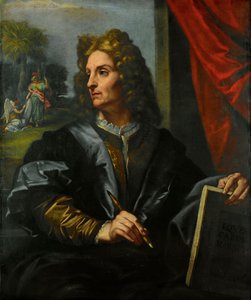
Carlo Maratta
1625 - 1713 , Italia
Datos clave
- Artistas Que Influyeron:
- Andrea Sacchi
- Rafael
- Fecha De Nacimiento: 15 de mayo de 1625
- Influenciado A Artistas:
- Camillo Rusconi
- Pier Leone Ghezzi
- Lugar De Nacimiento: Camerano, Italia
- Movimiento Artístico: Barroco clasicista tardío
- Nacionalidad: Italiana
- Nombre Completo: Carlo Maratta
- Nombres Otros: Maratti
- Obras Notables:
- La Visión (1656)
- El Misterio de la Trinidad
- La Aparición de la Virgen
Artículos relacionados

Baroque Classicism: Reconciling Drama & Order in 17th-Century Art
Explore the captivating world of Baroque Classicism! Discover its history, key artists like Caravaggio & Rubens, and defining characteristics. Expert insights & high-quality reproductions at ArtsDot.

Drama Barroca: Llevando la Grandeza y la Emoción a los Interiores Contemporáneos
Descubre cómo el drama y la grandeza del arte barroco pueden transformar tus interiores. Guía experta, inspiración y reproducciones de alta calidad en .
Decoding Baroque Grandeur: A Guide to the Drama and Emotion of 17th-Century Art
Explore the breathtaking drama of 17th-century Baroque art. Our expert guide decodes the use of chiaroscuro, emotional intensity, and historical grandeur to help you appreciate and curate timeless masterpieces for your collection.

Barroco Sublime: 10 Obras Maestras que Definieron una Época |
Descubre las 10 obras maestras del Barroco que marcaron una época. Caravaggio, Bernini y Velázquez cobran vida en . Reproducciones de arte de calidad museo para decorar tu hogar con elegancia. ¡Explora la colección online!

The Dramatic Flourish: Exploring the Baroque Movement's Enduring Legacy in Art History
Explore the dramatic world of Baroque art! Discover iconic artists like Caravaggio & Rubens, defining techniques, and its lasting impact on art history. Expert insights for collectors & enthusiasts at ArtsDot.