

 Vista previa
 Compartir
 Compartir
 Ver detalles

 Descargar
 Ver similares
 Radiografía
 Presentación de diapositivas
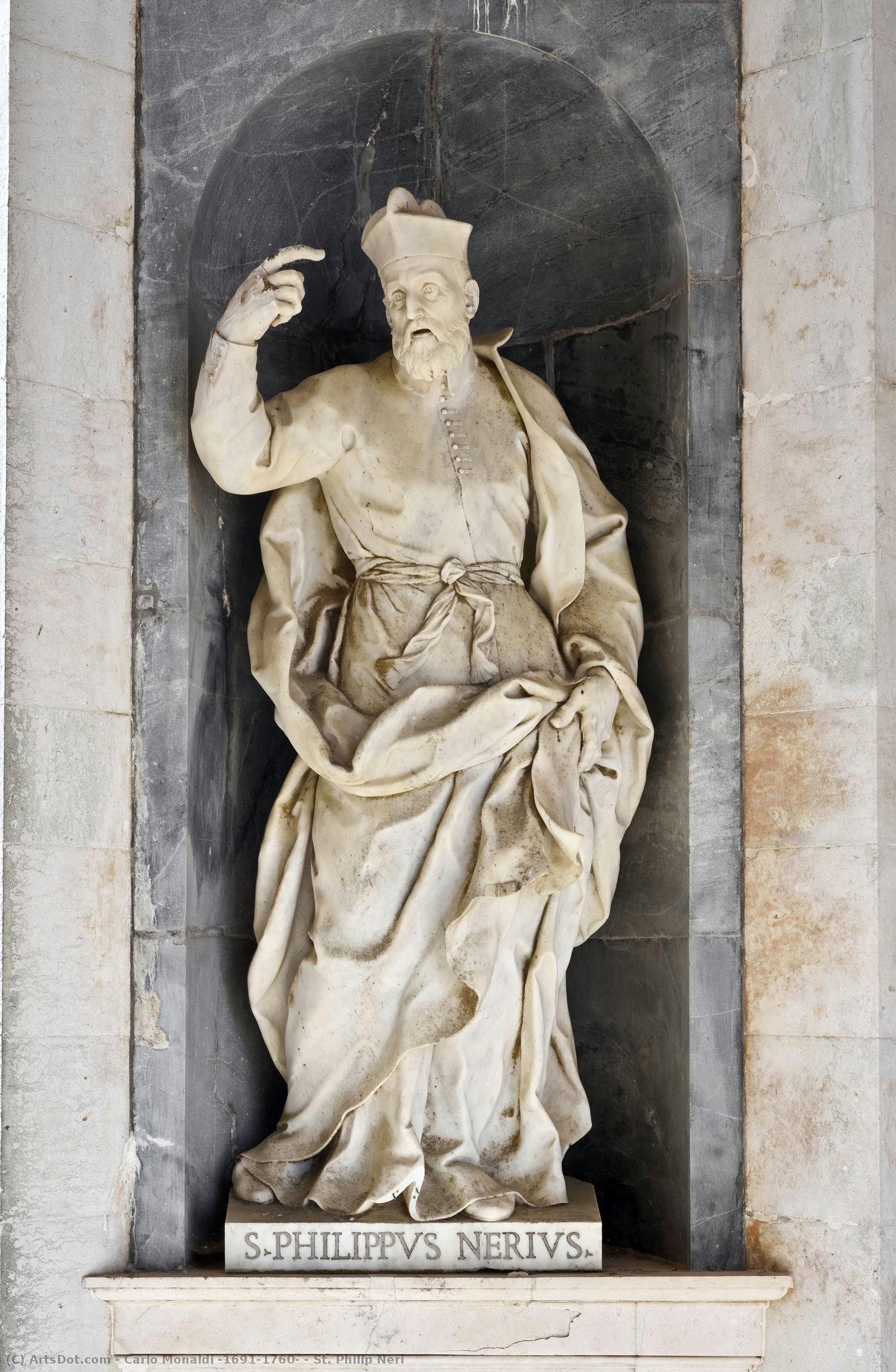
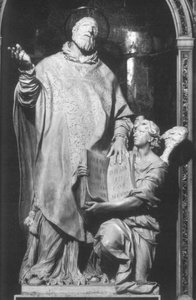
St. Philip Neri


 Leer más
Reproducción al óleo hecha a mano
Óleo sobre lienzo pintado a mano en el tamaño y marco de su elección, realizado por encargo por nuestros artistas. ( Pedir impresión Comprar descarga)




































Elija entre nuestros tamaños predefinidos que respetan las proporciones originales de la obra.

Puede ingresar sus propias dimensiones para adaptarse a un marco o espacio específico. Si el tamaño seleccionado no coincide con las proporciones de la imagen original, recortaremos la obra o extenderemos la pintura con elementos adicionales pintados a mano. Se le enviará una maqueta digital para su aprobación antes de comenzar la producción.
Tenga en cuenta que la vista previa en pantalla no refleja el recorte o la extensión reales. Solo la maqueta mostrará con precisión la composición final.
Si bien existen tamaños personalizados, recomendamos seleccionar una dimensión de la lista predefinida para preservar las proporciones originales.
Tras realizar el pedido, el equipo de ArtsDot.com enviará un correo electrónico al cliente para solicitar instrucciones y proporcionarle una vista previa del boceto.
Envío a todo el mundo () en 3-4 semanas en lugar de las 5 semanas estándar. (20 agosto). Sin comprometer la calidad.

Envío exprés gratuito a todo el mundo

Lienzo de lino de alta calidad

Seguro de envío completo

Garantía de reembolso de aranceles aduaneros

Garantía de fidelidad cromática exacta

Política de devolución de 60 días (solo por defectos)

Garantía de devolución del 100% del dinero

Oferta por volumen
 La opción de vidrio solo está disponible en tamaños inferiores a 110 cm.

St. Philip Neri
Técnica de reproducción
Tamaño de la reproducción
-


Precio total
$ 263
Obras relacionadas
Biografía del artista
Carlo Monaldi: Sculptor of Faith and Baroque Elegance
Carlo Monaldi (1691-1760) stands as a pivotal figure in Italian Baroque sculpture, embodying the artistic fervor and intellectual currents of his era. Born in Rome during a period marked by papal patronage and religious revival, Monaldi’s life was inextricably linked to the Academy of Portugal in Rome—a prestigious institution that nurtured talent and fostered artistic innovation. He served as a professor there for many years, imparting knowledge and shaping the sensibilities of aspiring sculptors, cementing his legacy as an educator alongside his prolific creative output.Early Life & Education:
Little is known about Monaldi’s formative years beyond his birth in Rome—a city brimming with artistic ambition and intellectual discourse during the Baroque period. His early training likely involved immersion in classical humanist ideals, mirroring the broader cultural landscape of Europe at the time. However, he swiftly transitioned to embracing the dramatic grandeur of Baroque aesthetics—characterized by dynamic movement, theatrical lighting, and opulent ornamentation—drawing inspiration from masters like Bernini and Caravaggio. This stylistic shift signaled a decisive embrace of the expressive potential inherent in Baroque sculpture, propelling him toward artistic excellence.Career at the Academy of Portugal:
Monaldi’s professional life centered around his role as professor at the Academy of Portugal in Rome—a beacon of artistic scholarship and patronage during the eighteenth century. Established by King João V of Portugal, the academy served as a crucible for talent, attracting artists from across Europe and fostering collaborative experimentation. Monaldi’s tenure there wasn't merely an occupation; it was a vocation—a commitment to nurturing the next generation of sculptors and disseminating knowledge about artistic technique and aesthetic principles. His influence extended beyond his classroom, shaping the intellectual climate of Rome and contributing to the advancement of Baroque sculpture as a discipline.Notable Sculptures:
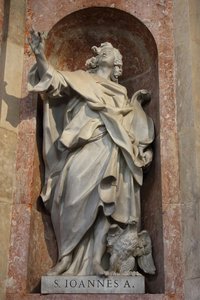
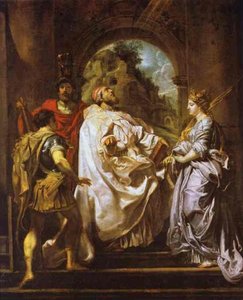
Monaldi’s oeuvre is distinguished by its remarkable diversity and stylistic sophistication—a testament to his versatility as an artist. Among his most celebrated works are the statues of Saint Isaiah and Saint Sebastian, both executed in 1732 and 1731 respectively. The statue of Saint Isaiah exemplifies Monaldi's dedication to anatomical accuracy and expressive gesture—a testament to his profound understanding of human anatomy and his ability to convey spiritual contemplation. Similarly, Saint Sebastian embodies martyrdom with poignant realism, capturing the agony of suffering while simultaneously conveying unwavering faith. His monumental sculpture of Saint Vincent, located in the Basilica of Nossa Senhora e Santo António de Mafra, Portugal, stands as a magnificent achievement—a symbol of Portuguese Catholicism and a masterpiece of Baroque sculptural art. Furthermore, Monaldi created St Philip Neri, demonstrating his ability to capture the serene dignity of religious figures with meticulous detail.Style and Technique:
Monaldi’s artistic technique was characterized by an unwavering commitment to realism combined with masterful manipulation of marble—his preferred medium. He skillfully exploited the material's inherent tonal variations and textural nuances, achieving remarkable effects that imbued his sculptures with a palpable sense of vitality and spiritual presence. Like Bernini before him, Monaldi employed dramatic chiaroscuro—the interplay of light and shadow—to heighten emotional impact and create illusions of depth—a hallmark of Baroque artistry. His meticulous attention to detail—from the subtle folds of drapery to the expressive musculature of figures—reflected his unwavering belief in the transformative power of art—its capacity to elevate the human spirit and communicate profound spiritual truths.Historical Significance:
Carlo Monaldi’s contribution to Italian Baroque sculpture transcends mere stylistic innovation; he represents a pivotal moment in artistic history—a culmination of humanist ideals and religious fervor that defined the era. His sculptures stand as enduring symbols of papal patronage, academic excellence, and the pursuit of sublime beauty—reflecting the cultural values of his time. Monaldi’s legacy continues to inspire admiration for his technical prowess and aesthetic vision—solidifying his place among the foremost sculptors of the eighteenth century and ensuring that his works resonate with audiences today. He embodies the spirit of Baroque art—a celebration of faith, grandeur, and artistic mastery—leaving an indelible mark on the history of sculpture and Italian culture.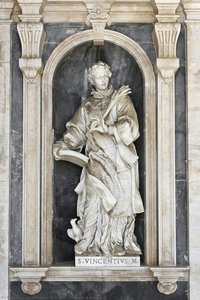
Carlo Monaldi
1691 - 1760 , Italia
Datos clave
- Artistic Movement Or Style: Barroco
- Artists Who Influenced This Artist:
- Bernini
- Caravaggio
- Date Of Birth: 1691
- Full Name: Carlo Monaldi
- Nationality: Italiano
- Notable Artworks:
- Statua di Santo Isaia
- Statua di Sant'Sebastiano
- Statua di Sant'Vincent
- Place Of Birth: Roma, Italia
Artículos relacionados

Esculturas de Bronce Legendarias: 10 Obras Maestras que Transformaron el Arte | ArtsDot
Descubre las 10 esculturas de bronce más legendarias que revolucionaron el arte. Explora la historia de Rodin, Degas y otros maestros del bronce. Encuentra reproducciones de alta calidad e inspiración para tu hogar en ArtsDot.com.

Las 10 Obras Maestras de Bronce que Revolucionaron la Historia del Arte | ArtsDot
Descubre las 10 esculturas de bronce más influyentes de la historia del arte. Explora obras maestras de Rodin, Degas y otros genios. Encuentra reproducciones de arte de calidad museo en ArtsDot.com.

The Enduring Form: Exploring Themes & Techniques in Sculpture Across Historical Periods
Explore the rich history of sculpture from ancient masterpieces to contemporary innovations. Discover key techniques, influential artists & investment potential for discerning art collectors.
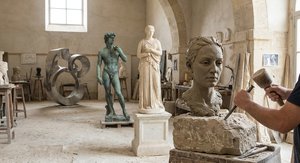
The Enduring Form: Sculpture Across History, Technique & Emotional Resonance
Explore the rich history of sculpture with ArtsDot. Discover key techniques, influential artists & investment potential for discerning collectors. Expert insights into valuing and collecting timeless masterpieces.
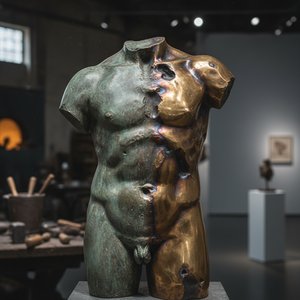
El Legado Duradero de la Escultura en Bronce: Historia, Técnicas e Interpretaciones Contemporáneas
Descubra la historia, las técnicas y el valor de la escultura en bronce. Guía experta para coleccionistas e inversores. Explore obras maestras y aprenda sobre fundición a la cera perdida.

