

 Ver en contexto
 Enviar
 Compartir
 Detalles

 Descargar
 Similares
 Radiografía
 Presentación de diapositivas
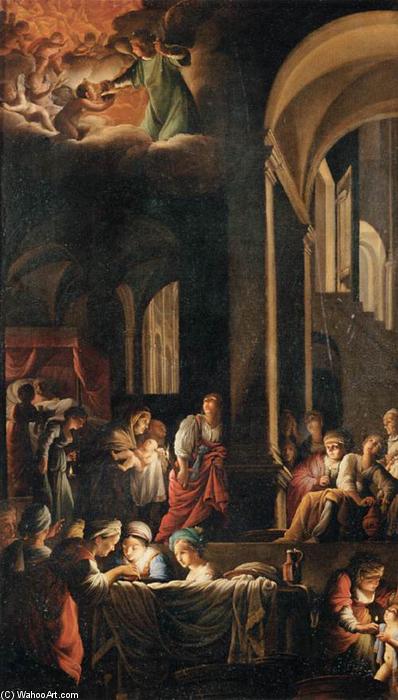
The Birth of the Virgin
 Oil On Copper
- Baroque
 1616
1616 71.0 x 42.0 cm
 Museo del Louvre
 Ver más
Giclée / Impresión de arte
Impresiones giclée o en lienzo de calidad de museo con producción rápida y opciones de acabado flexibles. ( Comprar pintura hecha a mano Comprar imagen)




P118B $10

P118H $10

P118W $10

P438Z $10

P508JH $12

P508YH $12

P805H $10

P805Z $10

P919BZ $10

P919G $10

P919XJ $10

P959ZH $10

P968JZ $12

W106C $8

W218G $10

W218JH $8

W218Y $10

W307PJ $10

W316G $10

W316PJ $8

W316Y $10

W398PJ $8

W4111J $10

W500HY $15

W500JH $15

W692G $12

W849H $8

W940BG $15

W953PJ $8




Elija entre nuestros tamaños predefinidos que respetan las proporciones originales de la obra.

Puede introducir sus propias dimensiones para adaptarse a un marco o espacio específico. Si el tamaño seleccionado no coincide con las proporciones de la imagen original, recortaremos la obra de arte o extenderemos la imagen con un borde con efecto espejo o de color sólido. Se enviará una maqueta digital para su aprobación antes de que comience la producción.
Tenga en cuenta que la vista previa en pantalla no refleja el recorte o la extensión real. Solo la maqueta mostrará con precisión la composición final.
Aunque existen tamaños personalizados, recomendamos seleccionar una dimensión de la lista predefinida para preservar las proporciones originales.
Envío a todo el mundo () en 2 semanas en lugar de las 4/5 semanas estándar. (26 agosto)

Envío exprés gratuito a todo el mundo

Lienzo de lino de alta calidad

Seguro de envío total

Garantía de reembolso de impuestos aduaneros

Garantía de fidelidad cromática exacta

Política de devolución de 60 días (solo por defectos)

Garantía de devolución del 100% del dinero

Descuento por cantidad
 La opción de vidrio solo está disponible en tamaños inferiores a 110 cm.

The Birth of the Virgin
Giclée / Impresión de arte
Dimensiones de la reproducción
-


Precio total final
$ 62
Descripción de la pieza
A Divine Encounter: Carlo Saraceni’s “The Birth of the Virgin”
Carlo Saraceni's "The Birth of the Virgin," painted in 1616, is not merely a depiction of a biblical scene; it’s an immersive experience—a vibrant tableau of faith, grace, and profound human emotion rendered with the dramatic intensity characteristic of the High Baroque. This oil-on-copper masterpiece, currently housed within the hallowed halls of the Louvre Museum in Paris, transcends its historical context to resonate powerfully with viewers centuries later. Saraceni, a Roman-trained artist who spent much of his career in Venice and Rome, masterfully synthesizes influences from his predecessors – Adam Elsheimer’s evocative landscapes and Caravaggio's revolutionary use of light – forging a distinctly personal style that is both deeply rooted in tradition and boldly innovative.
The painting immediately captivates with its masterful manipulation of chiaroscuro, the stark contrast between light and shadow. Saraceni employs this technique not just for dramatic effect but to draw the eye directly to Mary, the central figure, bathed in a luminous halo that signifies her sanctity and divine connection. The surrounding figures—angels, attendants, and Joseph—are rendered with meticulous detail, their robes shimmering with rich textures and metallic hues, further emphasizing the scene’s opulence and spiritual significance. The composition itself is carefully orchestrated; the pyramidal structure lends stability while simultaneously directing the viewer's gaze through the narrative unfolding before them.
Symbolism Woven into a Sacred Narrative
Beyond its technical brilliance, “The Birth of the Virgin” is rich in symbolic meaning. Mary’s youthful appearance and serene expression convey her purity and acceptance of God’s will. The presence of the angels, depicted with wings outstretched and faces filled with reverence, underscores the miraculous nature of the event. Notice, too, the subtle gestures—the gentle touch of an angel, the attentive gaze of Joseph—that communicate a deep sense of love and devotion. The architectural setting, though somewhat abstracted, evokes a sense of sacred space, reinforcing the painting’s religious subject matter. The inclusion of elements like the star above, subtly hinted at in the background, all contribute to a layered narrative that speaks to themes of hope, redemption, and divine grace.
A Roman Baroque Vision
Saraceni's work is firmly rooted within the Roman Baroque tradition, yet it possesses a distinctly Venetian sensibility. His use of color—deep reds, blues, and golds—is particularly striking, creating a visual feast that is both sumptuous and emotionally resonant. The painting’s dynamism is further enhanced by the swirling drapery and the figures' expressive gestures. It’s important to remember that Saraceni was working during a period of intense artistic experimentation, as artists sought to capture the drama and emotion of the Counter-Reformation. “The Birth of the Virgin” exemplifies this spirit of innovation, pushing the boundaries of traditional religious painting while remaining deeply faithful to its subject matter.
A Timeless Masterpiece – Available as a High-Quality Reproduction
“The Birth of the Virgin” remains a testament to Carlo Saraceni’s artistic genius and a powerful example of Baroque art. Today, you can experience this extraordinary painting firsthand at the Musée du Louvre or, more conveniently, through a meticulously crafted oil painting reproduction available on ArtsDot.com. This faithful recreation captures not only the visual splendor of the original but also its emotional depth and spiritual significance. Whether you are an art enthusiast, a collector seeking to enrich your collection, or simply someone looking for a stunning piece to adorn your home, this reproduction offers a beautiful and accessible way to connect with one of the most enduring masterpieces of Western art. For further information on Carlo Saraceni’s life and work, please visit Wikipedia or explore resources at The Web Gallery of Art.
Obras relacionadas


Biografía del artista
La Sombra Romana de Caravaggio
Carlo Saraceni, un nombre que resuena con la intensidad dramática de los inicios de la era barroca, permanece como una de las figuras más cautivadoras del siglo XVII. Aunque su vida fue relativamente breve, extendiéndose desde 1579 hasta 1620, su impacto en la escena artística romana fue profundo. Nacido en Venecia en el seno de una familia inmersa en la tradición artística, los primeros años de Saraceni fueron moldeados por la observación meticulosa y los ideales clásicos inherentes a la formación veneciana. Su maestría tanto en el disegno como en la pictura le proporcionó una base sólida; sin embargo, fue su alejamiento de las serenas tradiciones de su tierra natal lo que finalmente definiría su legado. Al trasladarse a Roma en 1군요98, se adentró en un crisol de innovación, uniéndose a la prestigiosa Accademia di San Luca y posicionándose en el corazón de una revolución artística floreciente.
La trayectoria de la carrera de Saraceni se vio alterada irrevocablemente por su encuentro con las técnicas revolucionarias de Caravaggio. Lejos de limitarse a imitar al maestro, y en lugar de convertirse en un simple seguidor, Saraceni logró una sofisticada asimilación del tenebrismo: el uso dramático de la luz intensa y la sombra profunda. Este dominio del chiaroscuro le permitió dotar a sus lienzos de un peso emocional y una presencia física que cautivaron tanto a sus contemporáneos como a los estudiosos modernos. Su obra sirve como un puente entre los paisajes atmosféricos de Adam Elsheimer y el drama visceral y centrado en lo humano del movimiento caravaggista. En piezas como La Natividad de la Virgen, se puede presenciar esta síntesis única, donde la belleza divina se representa a través de una lente de iluminación profunda y dramática con un detalle rico y táctil.
Una Síntesis de Estilos y Espíritu
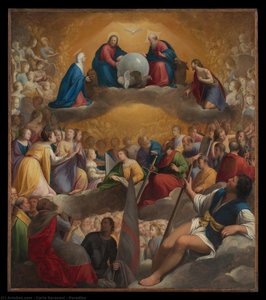
La evolución artística de Saraceni se caracterizó por una capacidad extraordinaria para fundir influencias dispares en un lenguaje personal y cohesivo. Su fascinación temprana por las pinturas de paisaje de Adam Elsheimer introdujo un sentido de profundidad y escala narrativa en su trabajo, que más tarde recubrió con las sombras pesadas y dramáticas de la escuela romana. Esta dualidad estilística es quizás más evidente en obras como Paraíso, donde el artista fusiona con éxito las tradiciones artísticas venecianas con las influencias del norte de Europa. En esta composición, la representación de la Santísima Trinidad refleja un momento crucial en la historia del Barroco, demostrando su habilidad para abordar temas teológicos complejos a través de una lente de magistral tenebrismo.
Más allá de la brillantez técnica de su pincelada, la obra de Saraceni destaca por su profunda profundidad simbólica y resonancia emocional. Sus escenas religiosas y mitológicas rara vez son meras ilustraciones; son exploraciones psicológicas. En San Gregorio Magno, el detalle meticuloso de los elementos simbólicos, como la presencia de las palomas, trabaja en conjunto con una composición crudamente iluminada para crear una atmósfera de intervención divina y solemnidad. Esta capacidad de capturar la atención del espectador mediante la luz y la sombra aseguró su lugar entre los más destacados practicantes de su época, otorgándole una reputación que, aunque alguna vez categorizada por los historiadores como la de un pintor de "segundo rango", ha sido justamente elevada por la erudición moderna para reconocer su verdadero brillo.
La importancia histórica de Carlo Saraceni reside en su papel como figura fundamental dentro del movimiento barroco romano. Su vida y su obra representan la intersección entre la gracia veneciana y el drama romano. A pesar de que nunca viajó a Francia, su alcance cultural fue expansivo, como lo demuestra su fluidez en francés y una sensibilidad estética que resonaba con los gustos internacionales. Hoy en día, sus obras maestras residen en algunas de las colecciones más estimadas del mundo, como el Palazzo del Quirinale y la Galleria Nazionale d'Arte Antica, sirviendo como testimonios perdurables de un pintor que dominó el arte de capturar lo divino dentro de las sombras.
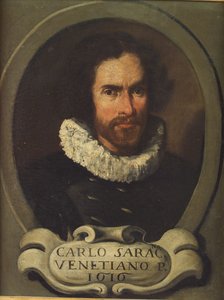
Carlo Saraceni
1579 - 1620 , Italia
Datos clave
- Artistic Movement Or Style: Early Baroque; Tenebrism
- Artists Who Influenced This Artist:
- Adam Elsheimer
- Caravaggio
- Date Of Birth: Venice, Italy (1579)
- Date Of Death: Rome (1620)
- Full Name: Carlo Saraceni
- Nationality: Italian
- Notable Artworks:
- St Gregory the Great
- The Birth of the Virgin
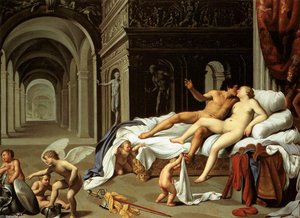
- Venus and Mars
- Place Of Birth: Venice
Artículos relacionados

Drama Barroca: Llevando la Grandeza y la Emoción a los Interiores Contemporáneos
Descubre cómo el drama y la grandeza del arte barroco pueden transformar tus interiores. Guía experta, inspiración y reproducciones de alta calidad en .

The Enduring Power of Painting: A Historical & Contemporary Exploration of Form and Emotion
Explore the rich history & enduring techniques of oil painting with ArtsDot. Discover masterpieces, learn about art collecting, and find authentic handmade reproductions crafted by skilled artists.

The Dramatic Flourish: Exploring the Baroque Movement's Enduring Legacy in Art History
Explore the dramatic world of Baroque art! Discover iconic artists like Caravaggio & Rubens, defining techniques, and its lasting impact on art history. Expert insights for collectors & enthusiasts at ArtsDot.

The Enduring Legacy of Oil on Canvas: Technique, History & Aesthetic Impact
Explore the rich history & techniques of oil painting – from Renaissance masters to Impressionism. Discover pigments, layering methods, and why this timeless medium endures. Expert insights for artists & art enthusiasts.

Barroco Sublime: 10 Obras Maestras que Definieron una Época |
Descubre las 10 obras maestras del Barroco que marcaron una época. Caravaggio, Bernini y Velázquez cobran vida en . Reproducciones de arte de calidad museo para decorar tu hogar con elegancia. ¡Explora la colección online!

