

 Ver en contexto
 Enviar
 Compartir
 Detalles

 Descargar
 Similares
 Radiografía
 Presentación de diapositivas
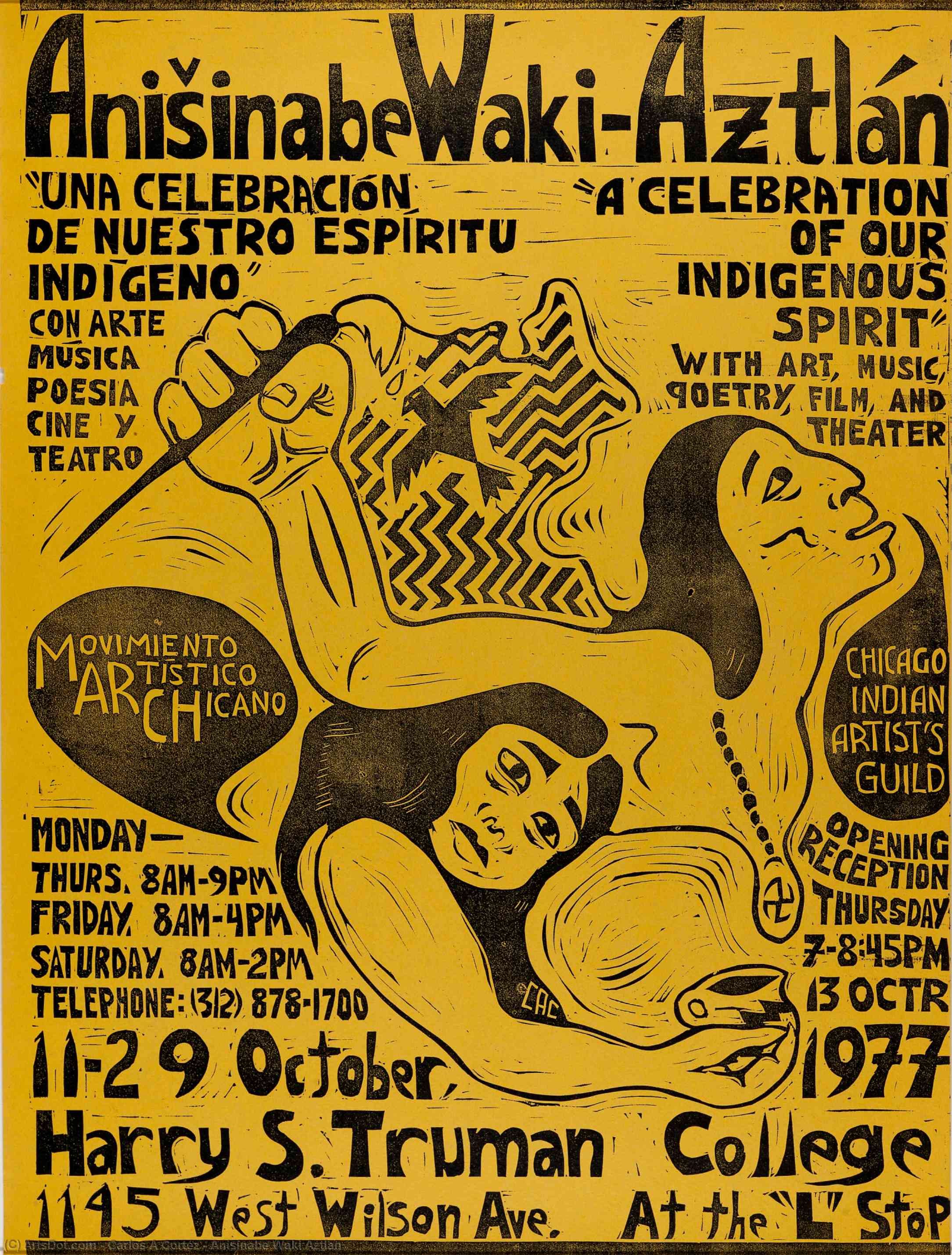
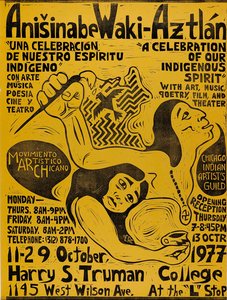
Anisinabe Waki Aztlan
 1980
1980 57.0 x 45.0 cm
 Ver más
Reproducción al óleo hecha a mano
Óleo sobre lienzo pintado a mano en el tamaño y marco de su elección, realizado por encargo por nuestros artistas. ( Comprar impresión Comprar imagen)




































Elija entre nuestros tamaños predefinidos que respetan las proporciones originales de la obra.

Puede ingresar sus propias dimensiones para adaptarse a un marco o espacio específico. Si el tamaño seleccionado no coincide con las proporciones de la imagen original, recortaremos la obra o extenderemos la pintura con elementos adicionales pintados a mano. Se le enviará una maqueta digital para su aprobación antes de comenzar la producción.
Tenga en cuenta que la vista previa en pantalla no refleja el recorte o la extensión reales. Solo la maqueta mostrará con precisión la composición final.
Si bien existen tamaños personalizados, recomendamos seleccionar una dimensión de la lista predefinida para preservar las proporciones originales.
Tras realizar el pedido, el equipo de ArtsDot.com enviará un correo electrónico al cliente para solicitar instrucciones y proporcionarle una vista previa del boceto.
Envío a todo el mundo () en 3-4 semanas en lugar de las 5 semanas estándar. (30 agosto). Sin comprometer la calidad.

Envío exprés gratuito a todo el mundo

Lienzo de lino de alta calidad

Seguro de envío total

Garantía de reembolso de impuestos aduaneros

Garantía de fidelidad cromática exacta

Política de devolución de 60 días (solo por defectos)

Garantía de devolución del 100% del dinero

Descuento por cantidad
 La opción de vidrio solo está disponible en tamaños inferiores a 110 cm.

Anisinabe Waki Aztlan
Técnica de reproducción
Dimensiones de la reproducción
-


Precio total final
$ 263
Obras relacionadas




Biografía del artista
Carlos A. Cortéz: An Artist Committed to Labor and Mexican Heritage
Carlos A. Cortéz (1923 – 2005) was a multifaceted artist whose work spanned poetry, graphic design, photography, muralism, and political activism—all deeply intertwined with his unwavering dedication to anarchist principles and the struggles of the industrial working class. Born in Milwaukee, Wisconsin, the son of Mexican-Indian Wobble Union organizer parents, Cortéz’s formative years instilled within him a profound appreciation for social justice and a commitment to artistic expression as a tool for challenging dominant narratives.- Early Life & Education: Cortéz pursued his education at Milwaukee Technical College, honing his skills in drafting and design—skills that would later prove invaluable in crafting impactful visual communications for labor organizations.
- Conscientious Objector Experience: During World War II, Cortéz bravely refused military service as a conscientious objector, aligning himself with pacifist ideals and spending 18 months incarcerated for his principled stance. This experience profoundly shaped his worldview and fueled his artistic exploration of themes related to resistance and moral integrity.
- Joining the Industrial Workers of the World (IWW): Cortéz’s involvement with the IWW began in 1947, marking a pivotal moment in his artistic trajectory. Embracing anarcho-syndicalism as his guiding philosophy, he became a prolific contributor to the union newspaper *The Industrial Worker*, utilizing his graphic skills and poetic sensibilities to disseminate messages of solidarity and critique social hierarchies.
Graphic Artistry: Woodcuts and Linoleum Prints – Vessels of Protest
Cortéz’s artistic legacy rests primarily on his masterful woodcut and linoleum printmaking technique—a medium he adopted with unwavering conviction and transformed into a powerful instrument for conveying political ideas. His prints are characterized by bold lines, striking contrasts of black and white, and evocative imagery that captures the essence of labor struggles, Mexican folklore, and broader social injustices. He skillfully blended stylistic influences from German Expressionism and Cubo-Futurism to create distinctive visual vocabularies that resonated deeply with audiences across continents.
- Notable Prints: Among his most celebrated works are depictions of José Guadalupe Posada’s iconic *Calaveras Graciosas*, reflecting a deep connection to Mexican cultural heritage and artistic traditions. His prints also powerfully portray scenes from the Spanish Civil War, documenting the bravery and resilience of ordinary people confronting oppression.
- Technique & Style: Cortéz's meticulous craftsmanship—characterized by precise carving and careful layering of ink—served as a conduit for conveying complex emotions and narratives. He achieved remarkable visual impact through masterful use of line and texture, creating prints that remain enduring symbols of resistance and artistic integrity.
Recognition & Legacy Cortéz’s artwork gained international acclaim throughout his career, securing prominent positions in the collections of museums including The Museum of Modern Art (MoMA) in New York and The National Museum of Mexican Art in Chicago—where it constitutes the largest and most comprehensive collection of his oeuvre. His enduring influence extends beyond the realm of visual art, inspiring generations of artists and activists to champion social justice and artistic expression as vehicles for transformative change. Cortéz’s unwavering commitment to anarchist ideals and his profound engagement with pressing social issues cemented his place as a visionary artist whose work continues to provoke reflection and inspire action.
Further Resources
- Smithsonian American Art Museum:Carlos A. Cortéz | Smithsonian American Art Museum
- Viva Posada: A Salute to the Great Printmaker of the Mexican Revolution, ISBN 0-88286-261-8
carlos a cortéz
1923 - 2005
Datos clave
- Artistic Movement Or Style: Political Art Prints
- Artists Or Movements Influenced By This Artist: ['Carlo Carrà']
- Artists Who Influenced This Artist: ['Michael C. Carlos Museum']
- Date Of Birth: 1923
- Date Of Death: 2005
- Full Name: Carlos A. Cortez
- Nationality: American
- Notable Artworks:
- Untitled (half portrait of nude woman)
- Jose Guadalupe Posada
- Joe Hill
- Place Of Birth: Milwaukee, WI

