 Ver en contexto
 Enviar
 Compartir
 Detalles

 Descargar
 Similares
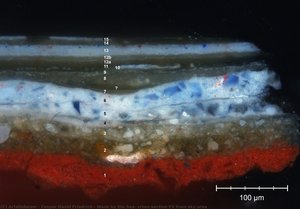
 Radiografía
 Presentación de diapositivas
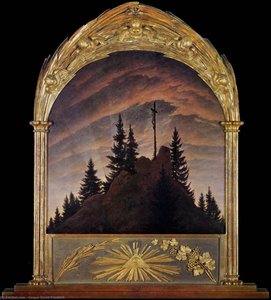
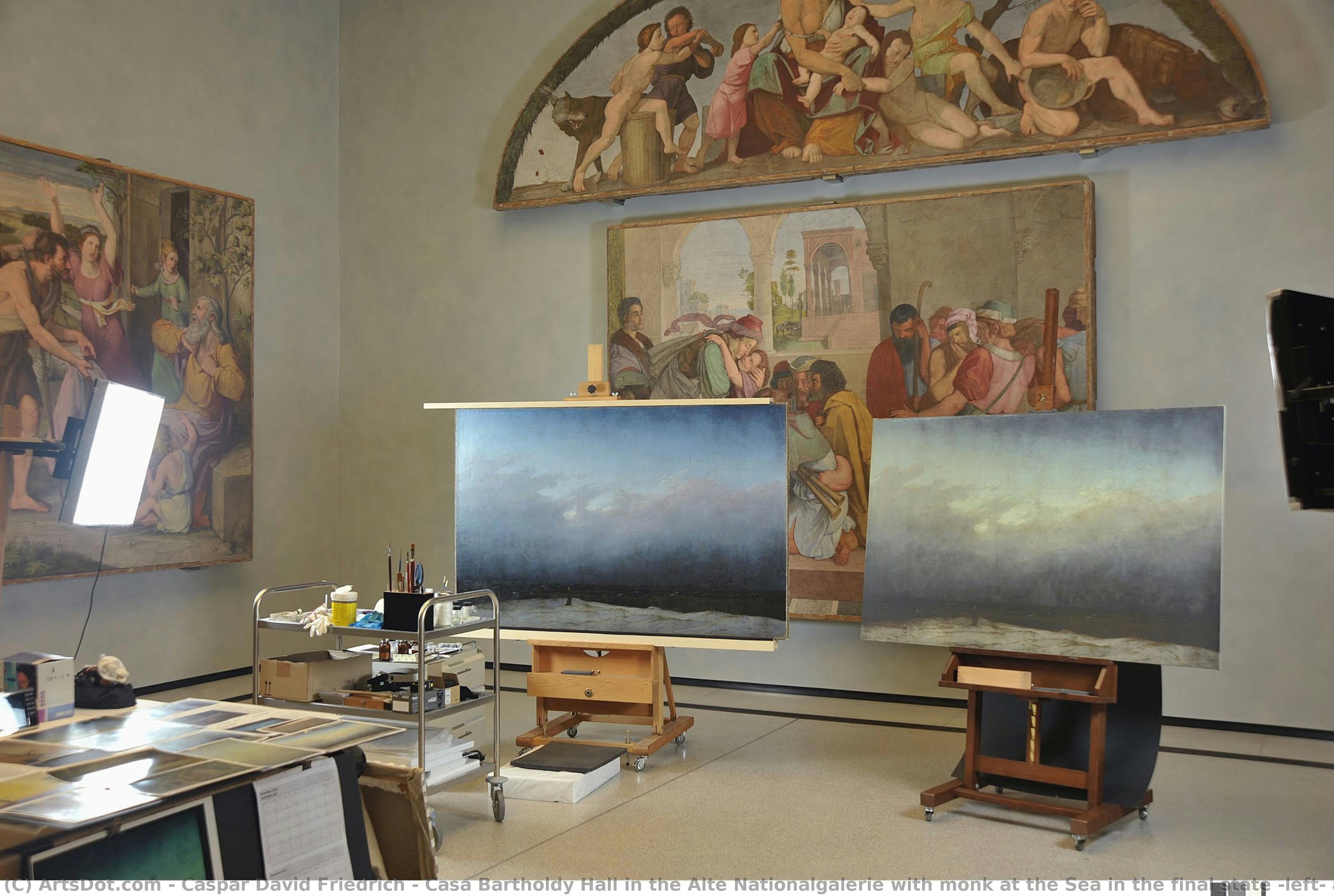
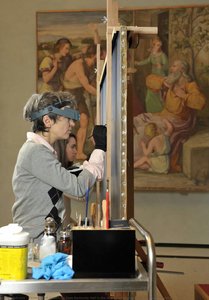
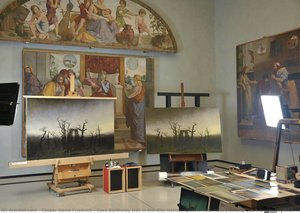
Casa Bartholdy Hall in the Alte Nationalgalerie with monk at the Sea in the final state (left) and photo of the previous state


 Ver más
Giclée / Impresión de arte
Impresiones giclée o en lienzo de calidad de museo con producción rápida y opciones de acabado flexibles. ( Comprar pintura hecha a mano Comprar imagen)




P118B $10

P118H $10

P118W $10

P438Z $10

P508JH $12

P508YH $12

P805H $10

P805Z $10

P919BZ $10

P919G $10

P919XJ $10

P959ZH $10

P968JZ $12

W106C $8

W218G $10

W218JH $8

W218Y $10

W307PJ $10

W316G $10

W316PJ $8

W316Y $10

W398PJ $8

W4111J $10

W500HY $15

W500JH $15

W692G $12

W849H $8

W940BG $15

W953PJ $8




Elija entre nuestros tamaños predefinidos que respetan las proporciones originales de la obra.

Puede introducir sus propias dimensiones para adaptarse a un marco o espacio específico. Si el tamaño seleccionado no coincide con las proporciones de la imagen original, recortaremos la obra de arte o extenderemos la imagen con un borde con efecto espejo o de color sólido. Se enviará una maqueta digital para su aprobación antes de que comience la producción.
Tenga en cuenta que la vista previa en pantalla no refleja el recorte o la extensión real. Solo la maqueta mostrará con precisión la composición final.
Aunque existen tamaños personalizados, recomendamos seleccionar una dimensión de la lista predefinida para preservar las proporciones originales.
Envío a todo el mundo () en 2 semanas en lugar de las 4/5 semanas estándar. (2 septiembre)

Envío exprés gratuito a todo el mundo

Lienzo de lino de alta calidad

Seguro de envío total

Garantía de reembolso de impuestos aduaneros

Garantía de fidelidad cromática exacta

Política de devolución de 60 días (solo por defectos)

Garantía de devolución del 100% del dinero

Descuento por cantidad
 La opción de vidrio solo está disponible en tamaños inferiores a 110 cm.

Casa Bartholdy Hall in the Alte Nationalgalerie with monk at the Sea in the final state (left) and photo of the previous state
Giclée / Impresión de arte
Dimensiones de la reproducción
-


Precio total final
$ 62
A Glimpse into Restoration: Caspar David Friedrich’s “Casa Bartholdy Hall…”
This captivating image offers a rare behind-the-scenes look at the meticulous world of art conservation, specifically focusing on two significant works by the celebrated German Romantic painter, Caspar David Friedrich. The photograph depicts Casa Bartholdy Hall in Berlin's Alte Nationalgalerie during the complex process of retouching one of Friedrich’s masterpieces – a monumental seascape alongside an earlier state of what appears to be a classical mural. It is a compelling juxtaposition of artistic creation and preservation, offering insight into both the artist’s vision and the dedication required to maintain it for future generations.Subject & Composition
The composition centers around two distinct yet interconnected artworks. On the right dominates a large-scale seascape – likely one of Friedrich's iconic depictions of the Baltic Sea, characterized by dramatic skies and contemplative figures. To the left, we see a section of a classical mural undergoing restoration; its subject matter is less immediately apparent but suggests allegorical or historical themes. The surrounding space reveals a working conservation studio: tables laden with tools, lighting rigs illuminating the canvases, and stools positioned for the conservators. This deliberate inclusion of the workshop environment grounds the image in reality, emphasizing the *human* element involved in art history.Style & Technique
The photograph showcases Friedrich’s signature Romantic style – a profound engagement with nature, spirituality, and the sublime. His seascapes are renowned for their atmospheric perspective, evocative use of light and shadow, and ability to inspire feelings of awe and melancholy. The mural, in contrast, represents a more classical approach, hinting at the artistic traditions that preceded Friedrich’s innovative style. The photograph itself is a realistic depiction, utilizing a wide-angle lens to convey the scale of the artworks and the spaciousness of the gallery. Both paintings are executed in oil on canvas, a technique favored by Friedrich for its richness and versatility.Historical Context & Symbolism
Caspar David Friedrich (1774–1840) was a pivotal figure in German Romanticism, rejecting Enlightenment rationalism in favor of emotional experience and spiritual introspection. His landscapes often served as metaphors for the human condition – exploring themes of mortality, faith, and the power of nature. The act of restoration itself carries symbolic weight. It represents not only a commitment to preserving cultural heritage but also an attempt to understand and reconnect with the artist’s original intent. The presence of the earlier state of the mural alongside its current form highlights the layers of history embedded within each artwork, revealing the interventions and interpretations that have shaped its appearance over time. The name “Caspar” itself is intriguing – referencing one of the Three Magi, traditionally associated with bringing gifts and seeking wisdom, subtly linking the restoration process to a quest for deeper understanding.Emotional Impact & Interior Design Considerations
This image evokes a sense of reverence for art and its enduring power. It’s a visual testament to the dedication of those who work tirelessly to protect our cultural treasures. For interior designers, a high-quality reproduction of this photograph could serve as a sophisticated focal point in a study, gallery wall, or even a contemporary living space. Its neutral color palette – dominated by cool blues, grays, and whites – would complement a variety of décor styles. The image’s intellectual depth and artistic sensibility make it an ideal choice for those seeking to create a space that is both visually appealing and intellectually stimulating. It speaks to the beauty of process as much as product, offering a unique perspective on the world of art. The photograph isn't merely about looking at paintings; it’s about witnessing their journey through time.Obras relacionadas
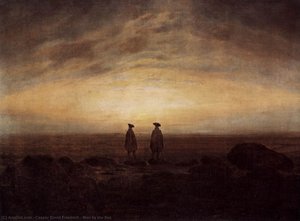
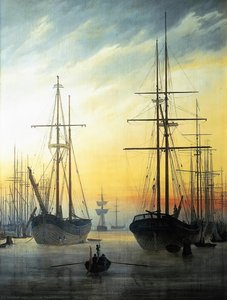
Biografía del artista
vida temprana y carrera
caspar david friedrich, una figura destacada del movimiento romántico alemán, nació el 5 de septiembre de 1774, en Greifswald, que entonces formaba parte de Pomerania sueca. Sus primeros años estuvieron marcados por una inclinación innata hacia el arte, lo que le llevó a estudiar en la Universidad de Leipzig y posteriormente en Copenhague.estilo artístico y temas
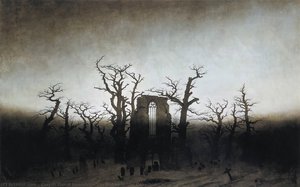
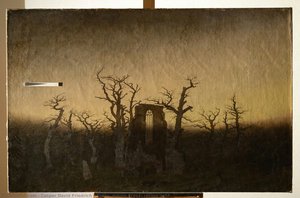
La obra de Friedrich se caracteriza por el uso profundo de elementos góticos y fenómenos naturales para evocar una profunda contemplación y un sentido del sublime. Sus paisajes a menudo disminuyen las figuras humanas para resaltar la inmensidad del mundo natural, reflejando el cambio social de su época hacia la espiritualidad en lugar de los beneficios materiales.- abbey among oak trees, un estado intermedio después de la eliminación del aglutinante viejo y retoques, muestra la maestría de Friedrich para capturar la esencia de la naturaleza (alte nationalgalerie, Berlín, Alemania, fotografía).
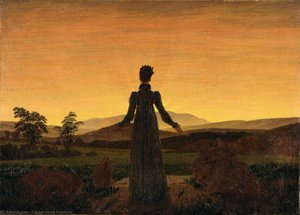
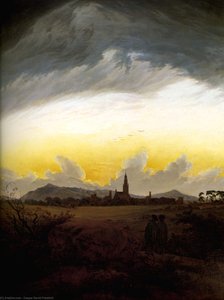
- Morning (óleo) ejemplifica su capacidad para representar escenas serenas e introspectivas.
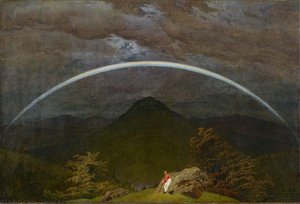
- northern landscape, spring (óleo) y landscape in the riesengebirge (óleo) demuestran aún más su habilidad para capturar la belleza de la naturaleza en diferentes estaciones y paisajes.
influencia y legado
La influencia de Friedrich en la historia del arte es profunda, siendo su obra pionera del romanticismo alemán. Su estilo contemplativo, aunque inicialmente celebrado, cayó fuera de sintonía con el progreso industrial de Alemania más tarde. Sin embargo, a fines del siglo XX, fue aclamado como un artista de renombre internacional. puntos clave en la carrera de Friedrich:- reconocimiento temprano por su 'tragedia del paisaje' en su obra.
- declive en popularidad durante su vida posterior debido al progreso industrial en Alemania.
- aclamación póstuma como pionero del romanticismo alemán a fines del siglo XX.
explore more at ArtsDot
Para una extensa base de datos de obras de arte y biografías de artistas, incluyendo las obras de Caspar David Friedrich, visite [https://ArtsDot.com](https://ArtsDot.com). Descubra la evolución del arte occidental a través de los siglos, desde la Edad Media temprana hasta la era moderna, con la wahoo art timeline. Aprenda sobre las figuras clave en la historia del arte y explore los diferentes estilos y movimientos que dieron forma al mundo del arte.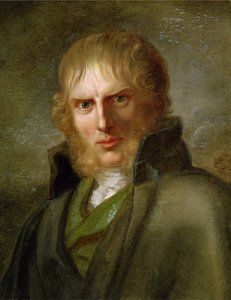
Caspar David Friedrich
1774 - 1840 , Alemania
Datos clave
- Artistas Que Influyeron:
- Jacob van Ruisdael
- Immanuel Kant
- Fecha De Muerte: 7 de mayo de 1840
- Fecha De Nacimiento: 5 de septiembre de 1774
- Influencia Artística:
- Simbolistas
- Surrealistas
- Lugar De Nacimiento: Greifswald, Alemania
- Movimiento Artístico: Romanticismo alemán
- Nacionalidad: Alemán
- Nombre Completo: Caspar David Friedrich
- Obras Notables:
- El mar de hielo
- El caminante sobre el
- Abadía en el hayedo
- Acantilados de tiza en Rügen
Artículos relacionados

Caspar David Friedrich: Romanticism's Master of Landscape & the Sublimity of Inner Experience
Explore the profound landscapes of Caspar David Friedrich, a master of German Romanticism. Discover the symbolism, themes & enduring influence of this iconic artist. A deep dive into his life and work.
Los 10 Maestros del Neoclasicismo: Obras que Definieron una Era |
Descubre los 10 imprescindibles del Neoclasicismo con . Obras de David, Ingres y Canova que marcaron una era. Historia, técnica y significado de cada pieza. Encuentra reproducciones de arte de museo en

Paisajes Románticos: 10 Obras Maestras que Definieron un Movimiento Artístico
Descubre los 10 paisajes románticos más influyentes de artistas como Caspar David Friedrich y Turner. Explora la belleza, el simbolismo y las técnicas del movimiento romántico. Reproducciones de arte exclusivas en ArtsDot.com.
El Legado Perenne del Clasicismo: Principios Fundamentales, Evolución e Influencia en el Arte Occidental
Descubre la historia del arte clásico occidental: desde sus orígenes en Grecia y Roma hasta su influencia en el Renacimiento y las corrientes contemporáneas. Análisis experto, artistas clave y obras maestras imperdibles.

The Enduring Legacy of Oil on Canvas: Technique, History & Aesthetic Impact
Explore the rich history & techniques of oil painting – from Renaissance masters to Impressionism. Discover pigments, layering methods, and why this timeless medium endures. Expert insights for artists & art enthusiasts.