 Vista previa
 Compartir
 Compartir
 Ver detalles

 Descargar
 Ver similares
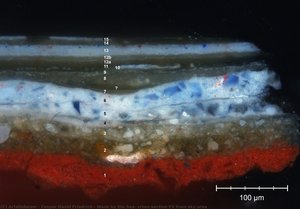
 Radiografía
 Presentación de diapositivas
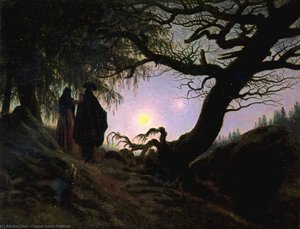
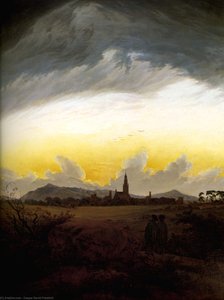
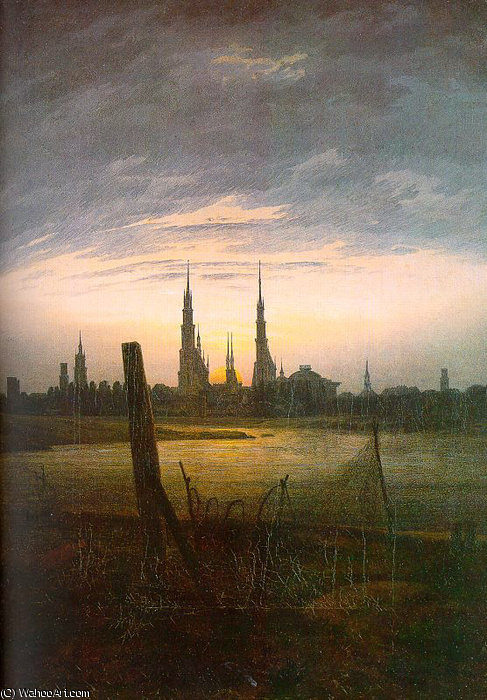
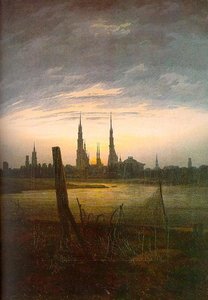
City at Moonrise


 Leer más
Reproducción al óleo hecha a mano
Óleo sobre lienzo pintado a mano en el tamaño y marco de su elección, realizado por encargo por nuestros artistas. ( Pedir impresión Comprar descarga)




P118B $10

P118H $10

P118W $10

P438Z $10

P508JH $12

P508YH $12

P805H $10

P805Z $10

P919BZ $10

P919G $10

P919XJ $10

P959ZH $10

P968JZ $12

W106C $8

W218G $10

W218JH $8

W218Y $10

W307PJ $10

W316G $10

W316PJ $8

W316Y $10

W398PJ $8

W4111J $10

W500HY $15

W500JH $15

W692G $12

W849H $8

W940BG $15

W953PJ $8




Elija entre nuestros tamaños predefinidos que respetan las proporciones originales de la obra.

Puede ingresar sus propias dimensiones para adaptarse a un marco o espacio específico. Si el tamaño seleccionado no coincide con las proporciones de la imagen original, recortaremos la obra o extenderemos la pintura con elementos adicionales pintados a mano. Se le enviará una maqueta digital para su aprobación antes de comenzar la producción.
Tenga en cuenta que la vista previa en pantalla no refleja el recorte o la extensión reales. Solo la maqueta mostrará con precisión la composición final.
Si bien existen tamaños personalizados, recomendamos seleccionar una dimensión de la lista predefinida para preservar las proporciones originales.
Tras realizar el pedido, el equipo de ArtsDot.com enviará un correo electrónico al cliente para solicitar instrucciones y proporcionarle una vista previa del boceto.
Envío a todo el mundo () en 3-4 semanas en lugar de las 5 semanas estándar. (21 agosto). Sin comprometer la calidad.

Envío exprés gratuito a todo el mundo

Lienzo de lino de alta calidad

Seguro de envío completo

Garantía de reembolso de aranceles aduaneros

Garantía de fidelidad cromática exacta

Política de devolución de 60 días (solo por defectos)

Garantía de devolución del 100% del dinero

Oferta por volumen
 La opción de vidrio solo está disponible en tamaños inferiores a 110 cm.

City at Moonrise
Técnica de reproducción
Tamaño de la reproducción
-


Precio total
$ 263
Descripción de la obra
A Symphony of Dusk: Exploring Caspar David Friedrich’s “City at Moonrise”
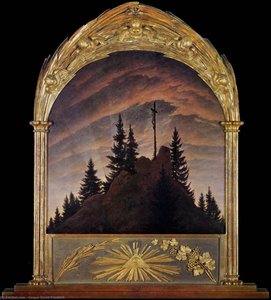
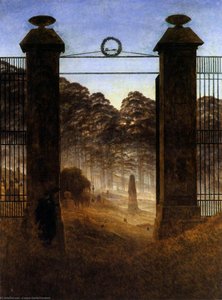
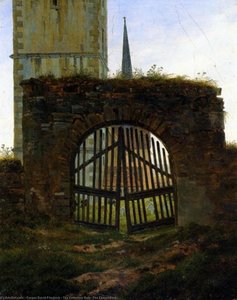
Caspar David Friedrich's "City at Moonrise" is more than just a depiction of a nocturnal cityscape; it’s a profound meditation on the human condition, rendered with the meticulous precision and deeply felt emotion that defined his oeuvre. Painted during a period of intense introspection – a time marked by personal loss and a burgeoning Romantic sensibility – this artwork embodies Friedrich's signature style: a haunting blend of sublime landscape and carefully observed detail. The scene unfolds with a quiet drama, dominated by the evocative presence of a city bathed in the ethereal glow of a moonlit sky. Two imposing structures punctuate the foreground, their silhouettes sharp against the swirling clouds, while a simple fence adds a layer of poignant vulnerability to the composition.
The Romantic Vision: Landscape as Spiritual Reflection
- Historical Context: Friedrich emerged during the late 18th and early 19th centuries, a period witnessing a shift away from Neoclassical ideals towards Romanticism. This movement prioritized emotion, intuition, and the power of nature over reason and classical restraint.
- Symbolic Landscape: Friedrich’s landscapes were rarely merely scenic representations; they served as vehicles for exploring profound philosophical and spiritual themes. The solitary figures often depicted within his scenes – absent in this particular work but implied by the atmosphere – represented humanity's relationship with the vastness and mystery of the natural world.
- The Sublime: The painting masterfully captures the concept of the sublime, a term popularized by Edmund Burke, referring to experiences that inspire awe and terror simultaneously. The dramatic sky, the imposing buildings, and the implied scale of the city contribute to this overwhelming effect.
Technique and Materiality: A Masterclass in Atmospheric Perspective
Friedrich’s technical skill is immediately apparent in “City at Moonrise.” He employed a meticulous layering technique, building up thin glazes of oil paint to achieve the luminous quality of the sky and the subtle gradations of light and shadow across the buildings. The use of atmospheric perspective – where distant objects appear paler and less distinct – creates a convincing sense of depth and distance, drawing the viewer into the scene. Note the delicate rendering of the clouds, achieved through careful brushwork and a masterful understanding of color mixing. The cool blues and purples of the sky contrast dramatically with the warm tones of the city lights, further enhancing the painting’s emotional impact.
Emotional Resonance: Melancholy and Contemplation
“City at Moonrise” is imbued with a palpable sense of melancholy – a hallmark of Friedrich's work. The scene evokes feelings of isolation, longing, and perhaps even mortality. The moonlit cityscape suggests a world beyond human comprehension, prompting contemplation about our place within the grand scheme of things. The painting’s quiet stillness invites viewers to pause, reflect, and connect with their own emotions. It is a testament to Friedrich's ability to translate complex philosophical ideas into a powerfully evocative visual experience.
A Timeless Masterpiece: Reproduction Options
ArtsDot offers meticulously crafted hand-painted reproductions of Caspar David Friedrich’s “City at Moonrise,” ensuring that you possess an authentic representation of this iconic artwork. Our skilled artisans employ the same techniques and materials as Friedrich himself, capturing every nuance of light, shadow, and texture. Whether for your home, office, or collection, a ArtsDot reproduction provides a lasting connection to one of art history’s most profound visions.
Obras relacionadas

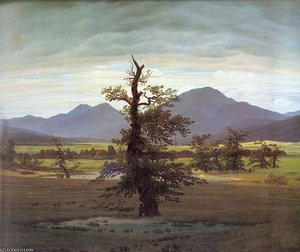
Biografía del artista
vida temprana y carrera
caspar david friedrich, una figura destacada del movimiento romántico alemán, nació el 5 de septiembre de 1774, en Greifswald, que entonces formaba parte de Pomerania sueca. Sus primeros años estuvieron marcados por una inclinación innata hacia el arte, lo que le llevó a estudiar en la Universidad de Leipzig y posteriormente en Copenhague.estilo artístico y temas
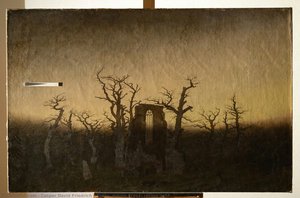
La obra de Friedrich se caracteriza por el uso profundo de elementos góticos y fenómenos naturales para evocar una profunda contemplación y un sentido del sublime. Sus paisajes a menudo disminuyen las figuras humanas para resaltar la inmensidad del mundo natural, reflejando el cambio social de su época hacia la espiritualidad en lugar de los beneficios materiales.- abbey among oak trees, un estado intermedio después de la eliminación del aglutinante viejo y retoques, muestra la maestría de Friedrich para capturar la esencia de la naturaleza (alte nationalgalerie, Berlín, Alemania, fotografía).
- Morning (óleo) ejemplifica su capacidad para representar escenas serenas e introspectivas.
- northern landscape, spring (óleo) y landscape in the riesengebirge (óleo) demuestran aún más su habilidad para capturar la belleza de la naturaleza en diferentes estaciones y paisajes.
influencia y legado
La influencia de Friedrich en la historia del arte es profunda, siendo su obra pionera del romanticismo alemán. Su estilo contemplativo, aunque inicialmente celebrado, cayó fuera de sintonía con el progreso industrial de Alemania más tarde. Sin embargo, a fines del siglo XX, fue aclamado como un artista de renombre internacional. puntos clave en la carrera de Friedrich:- reconocimiento temprano por su 'tragedia del paisaje' en su obra.
- declive en popularidad durante su vida posterior debido al progreso industrial en Alemania.
- aclamación póstuma como pionero del romanticismo alemán a fines del siglo XX.
explore more at ArtsDot
Para una extensa base de datos de obras de arte y biografías de artistas, incluyendo las obras de Caspar David Friedrich, visite [https://ArtsDot.com](https://ArtsDot.com). Descubra la evolución del arte occidental a través de los siglos, desde la Edad Media temprana hasta la era moderna, con la wahoo art timeline. Aprenda sobre las figuras clave en la historia del arte y explore los diferentes estilos y movimientos que dieron forma al mundo del arte.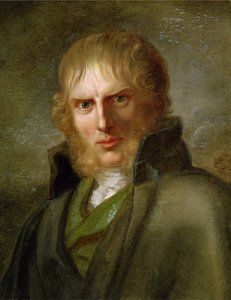
Caspar David Friedrich
1774 - 1840 , Alemania
Datos clave
- Artistas Que Influyeron:
- Jacob van Ruisdael
- Immanuel Kant
- Fecha De Muerte: 7 de mayo de 1840
- Fecha De Nacimiento: 5 de septiembre de 1774
- Influencia Artística:
- Simbolistas
- Surrealistas
- Lugar De Nacimiento: Greifswald, Alemania
- Movimiento Artístico: Romanticismo alemán
- Nacionalidad: Alemán
- Nombre Completo: Caspar David Friedrich
- Obras Notables:
- El mar de hielo
- El caminante sobre el
- Abadía en el hayedo
- Acantilados de tiza en Rügen
Artículos relacionados

Paisajes Románticos: 10 Obras Maestras que Definieron un Movimiento Artístico
Descubre los 10 paisajes románticos más influyentes de artistas como Caspar David Friedrich y Turner. Explora la belleza, el simbolismo y las técnicas del movimiento romántico. Reproducciones de arte exclusivas en ArtsDot.com.

Katsushika Hokusai: Las 25 Obras Maestras del Ukiyo-e que Transformaron el Arte Japonés | ArtsDot
Descubre las 25 obras maestras de Katsushika Hokusai, el genio del ukiyo-e. Explora 'La Gran Ola', paisajes japoneses y su impacto en el arte moderno. Reproducciones de alta calidad para tu hogar en ArtsDot.com.
Caspar David Friedrich: Romanticism's Master of Landscape & the Sublimity of Inner Experience
Explore the profound landscapes of Caspar David Friedrich, a master of German Romanticism. Discover the symbolism, themes & enduring influence of this iconic artist. A deep dive into his life and work.
El Sublime y lo Pintoresco: Explorando la Emoción y la Naturaleza en la Pintura Romántica de Paisaje
Explora la profunda conexión entre el arte romántico y la naturaleza. Descubre a Caspar David Friedrich, John Constable y otros maestros del sublime y lo pintoresco. Análisis experto e historia del movimiento.
Evoking Nature's Sublime: A Comprehensive Exploration of 19th-Century Landscape Painting
Explore the captivating world of 19th-century landscape painting! Discover renowned artists like Friedrich & Monet, key movements, and find the perfect artwork to bring nature's serenity into your home. Expert insights at ArtsDot.