 Vista previa
 Compartir
 Compartir
 Ver detalles

 Descargar
 Ver similares
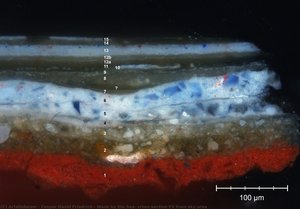
 Radiografía
 Presentación de diapositivas
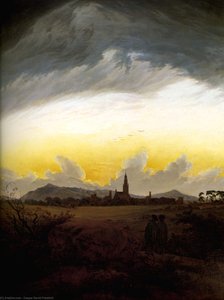
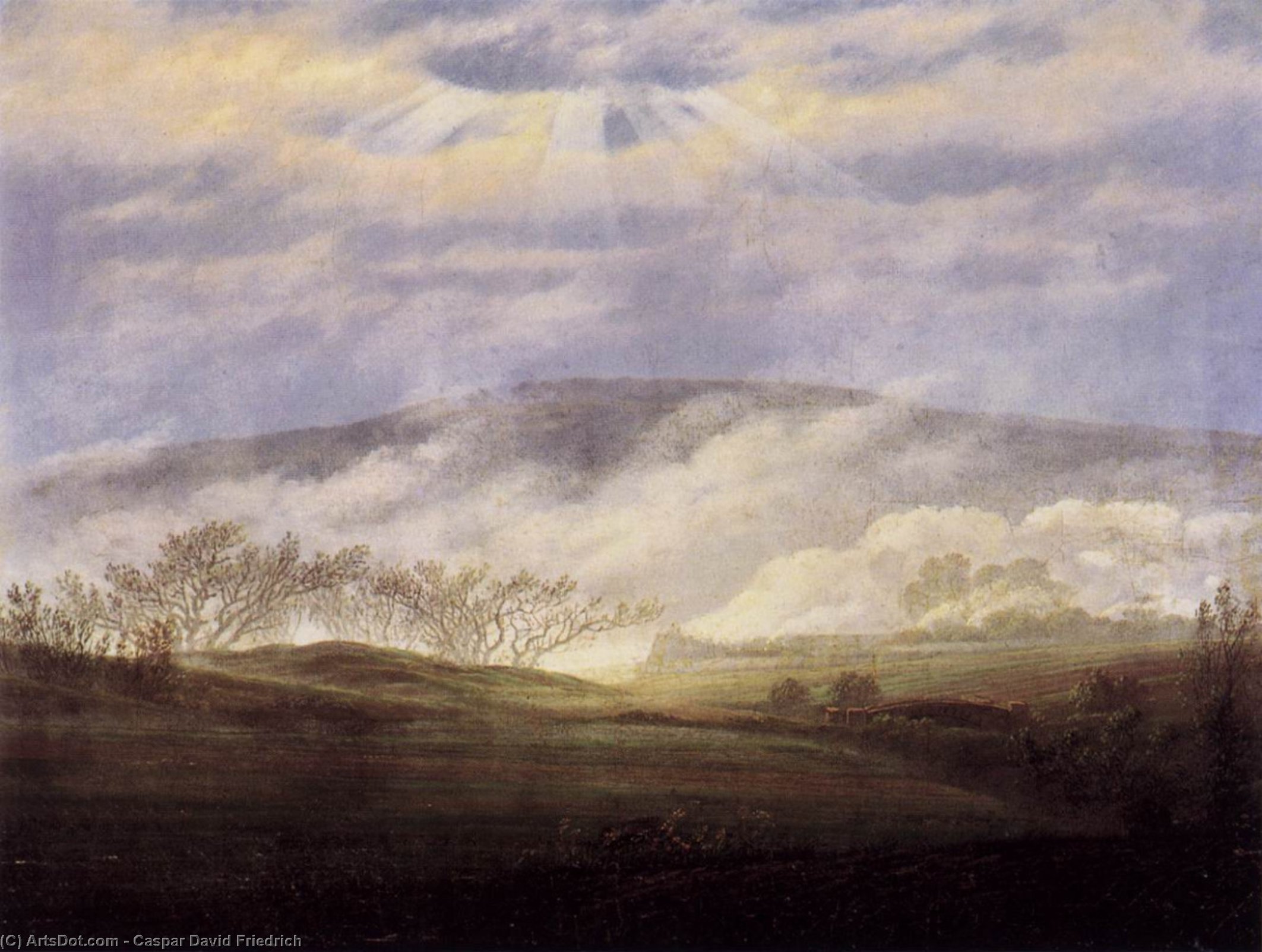
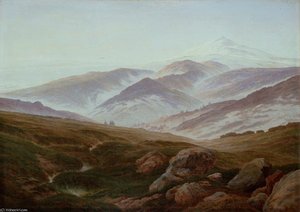
Niebla en el Valle del Elba
 Acrílico sobre lienzo
- Arte de pared
- Romanticismo
 1821
1821 33.0 x 43.0 cm
 Nationalgalerie
 Leer más
Giclée / Impresión de arte
Impresiones giclée o en lienzo de calidad de museo con producción rápida y opciones de acabado flexibles. ( Encargar reproducción pintada a mano Comprar descarga)




P118B $10

P118H $10

P118W $10

P438Z $10

P508JH $12

P508YH $12

P805H $10

P805Z $10

P919BZ $10

P919G $10

P919XJ $10

P959ZH $10

P968JZ $12

W106C $8

W218G $10

W218JH $8

W218Y $10

W307PJ $10

W316G $10

W316PJ $8

W316Y $10

W398PJ $8

W4111J $10

W500HY $15

W500JH $15

W692G $12

W849H $8

W940BG $15

W953PJ $8




Elija entre nuestros tamaños predefinidos que respetan las proporciones originales de la obra.

Puede introducir sus propias dimensiones para adaptarse a un marco o espacio específico. Si el tamaño seleccionado no coincide con las proporciones de la imagen original, recortaremos la obra de arte o extenderemos la imagen con un borde con efecto espejo o de color sólido. Se enviará una maqueta digital para su aprobación antes de que comience la producción.
Tenga en cuenta que la vista previa en pantalla no refleja el recorte o la extensión real. Solo la maqueta mostrará con precisión la composición final.
Aunque existen tamaños personalizados, recomendamos seleccionar una dimensión de la lista predefinida para preservar las proporciones originales.
Envío a todo el mundo () en 2 semanas en lugar de las 4/5 semanas estándar. (21 agosto)

Envío exprés gratuito a todo el mundo

Lienzo de lino de alta calidad

Seguro de envío completo

Garantía de reembolso de aranceles aduaneros

Garantía de fidelidad cromática exacta

Política de devolución de 60 días (solo por defectos)

Garantía de devolución del 100% del dinero

Oferta por volumen
 La opción de vidrio solo está disponible en tamaños inferiores a 110 cm.

Niebla en el Valle del Elba
Giclée / Impresión de arte
Tamaño de la reproducción
-


Precio total
$ 62
Descripción de la pieza
Introduction to the Artist and Painting
Caspar David Friedrich, a renowned German Romantic painter, is celebrated for his captivating landscapes that evoke a sense of awe and contemplation. One of his most notable works is Fog in the Elbe Valley, created in 1821. This painting is currently housed in the Alte Nationalgalerie in Berlin, Germany.Friedrich’s artistic vision was profoundly shaped by personal tragedy—the deaths of his mother and siblings instilled a sensitivity to mortality that became central themes in his oeuvre. Initially educated by his older brother Christian in drawing, Friedrich’s formal training began at the University of Leipzig, where he pursued both art and theology, though neither degree was completed.
The Painting's Composition and Symbolism
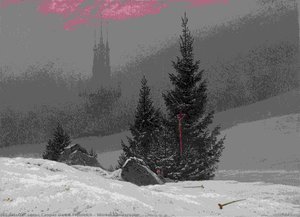
Measuring 33 x 43 cm, Fog in the Elbe Valley is a masterpiece that showcases Friedrich’s skillful use of light and atmosphere. The painting depicts a serene landscape with fog rolling in from the mountains, casting an ethereal glow over the valley below. The trees in the foreground, mere silhouettes against the misty backdrop, lead our gaze towards the distant hills, their peaks swallowed by the heavy fog. The artist’s use of muted greens and browns to depict the terrain adds a sense of earthiness to the scene.Friedrich’s masterful composition directs the viewer's eye upwards toward the horizon, emphasizing the grandeur of nature and its sublime beauty. The subtle gradations of color—particularly the pale blues and yellows of the sky—suggest the liminal time of dawn or dusk, further enhancing the atmosphere of mystery.
Artistic Style and Influence
Friedrich was a master of Romanticism, a movement that emphasized emotion, imagination, and individualism. His work often explored themes of nature, spirituality, and the human condition. Fog in the Elbe Valley is a quintessential example of his style, with its dreamy, atmospheric quality and sense of depth. The painting’s influence can be seen in later artistic movements, such as Impressionism and Expressionism.Friedrich's innovative use of light and color paved the way for future generations of artists to experiment with new techniques and styles. He sought to capture not merely what he saw but how he felt—a profound connection to the natural world imbued with spiritual significance.
Conclusion
Fog in the Elbe Valley by Caspar David Friedrich is a captivating landscape that invites us to contemplate the beauty and mystery of nature. The painting’s ethereal quality, masterful use of light, and sense of depth make it a standout work in the Romantic movement.For those interested in exploring more of Friedrich’s works or learning about other artists and movements, visit https://ArtsDot.com for a comprehensive collection of handmade oil painting reproductions.
Additionally, you can find detailed information on Caspar David Friedrich and his contributions to art history at https://en.wikipedia.org/wiki/Caspar_David_Friedrich.
Obras relacionadas
Biografía del artista
vida temprana y carrera
caspar david friedrich, una figura destacada del movimiento romántico alemán, nació el 5 de septiembre de 1774, en Greifswald, que entonces formaba parte de Pomerania sueca. Sus primeros años estuvieron marcados por una inclinación innata hacia el arte, lo que le llevó a estudiar en la Universidad de Leipzig y posteriormente en Copenhague.estilo artístico y temas
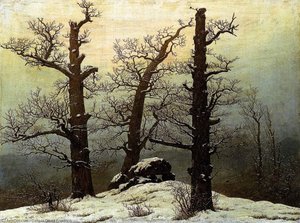
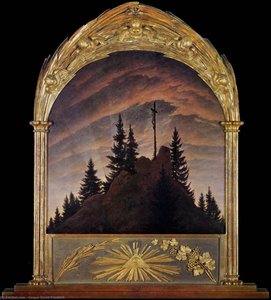
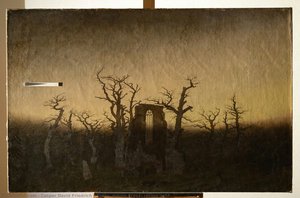
La obra de Friedrich se caracteriza por el uso profundo de elementos góticos y fenómenos naturales para evocar una profunda contemplación y un sentido del sublime. Sus paisajes a menudo disminuyen las figuras humanas para resaltar la inmensidad del mundo natural, reflejando el cambio social de su época hacia la espiritualidad en lugar de los beneficios materiales.- abbey among oak trees, un estado intermedio después de la eliminación del aglutinante viejo y retoques, muestra la maestría de Friedrich para capturar la esencia de la naturaleza (alte nationalgalerie, Berlín, Alemania, fotografía).
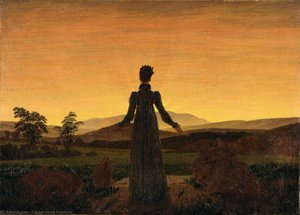
- Morning (óleo) ejemplifica su capacidad para representar escenas serenas e introspectivas.
- northern landscape, spring (óleo) y landscape in the riesengebirge (óleo) demuestran aún más su habilidad para capturar la belleza de la naturaleza en diferentes estaciones y paisajes.
influencia y legado
La influencia de Friedrich en la historia del arte es profunda, siendo su obra pionera del romanticismo alemán. Su estilo contemplativo, aunque inicialmente celebrado, cayó fuera de sintonía con el progreso industrial de Alemania más tarde. Sin embargo, a fines del siglo XX, fue aclamado como un artista de renombre internacional. puntos clave en la carrera de Friedrich:- reconocimiento temprano por su 'tragedia del paisaje' en su obra.
- declive en popularidad durante su vida posterior debido al progreso industrial en Alemania.
- aclamación póstuma como pionero del romanticismo alemán a fines del siglo XX.
explore more at ArtsDot
Para una extensa base de datos de obras de arte y biografías de artistas, incluyendo las obras de Caspar David Friedrich, visite [https://ArtsDot.com](https://ArtsDot.com). Descubra la evolución del arte occidental a través de los siglos, desde la Edad Media temprana hasta la era moderna, con la wahoo art timeline. Aprenda sobre las figuras clave en la historia del arte y explore los diferentes estilos y movimientos que dieron forma al mundo del arte.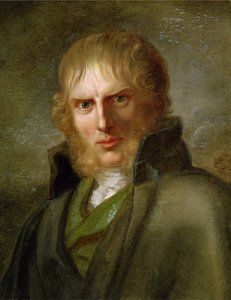
Caspar David Friedrich
1774 - 1840 , Alemania
Datos clave
- Artistas Que Influyeron:
- Jacob van Ruisdael
- Immanuel Kant
- Fecha De Muerte: 7 de mayo de 1840
- Fecha De Nacimiento: 5 de septiembre de 1774
- Influencia Artística:
- Simbolistas
- Surrealistas
- Lugar De Nacimiento: Greifswald, Alemania
- Movimiento Artístico: Romanticismo alemán
- Nacionalidad: Alemán
- Nombre Completo: Caspar David Friedrich
- Obras Notables:
- El mar de hielo
- El caminante sobre el
- Abadía en el hayedo
- Acantilados de tiza en Rügen
Artículos relacionados

Paisajes Románticos: 10 Obras Maestras que Definieron un Movimiento Artístico
Descubre los 10 paisajes románticos más influyentes de artistas como Caspar David Friedrich y Turner. Explora la belleza, el simbolismo y las técnicas del movimiento romántico. Reproducciones de arte exclusivas en ArtsDot.com.

Caspar David Friedrich: Romanticism's Master of Landscape & the Sublimity of Inner Experience
Explore the profound landscapes of Caspar David Friedrich, a master of German Romanticism. Discover the symbolism, themes & enduring influence of this iconic artist. A deep dive into his life and work.
Romantic Realism's Finest: 10 Masterpieces for Your Home | ArtsDot
Explore 10 defining masterpieces of Romantic Realism! Discover Courbet, Millet & Daumier's powerful paintings—capturing emotion and social realities. Find museum-quality reproductions for your home at ArtsDot.com.
El Sublime y lo Pintoresco: Explorando la Emoción y la Naturaleza en la Pintura Romántica de Paisaje
Explora la profunda conexión entre el arte romántico y la naturaleza. Descubre a Caspar David Friedrich, John Constable y otros maestros del sublime y lo pintoresco. Análisis experto e historia del movimiento.
Romanticismo: 10 Obras Maestras que Definieron una Era |
Descubre las 10 obras maestras del Romanticismo que marcaron una época. Explora la historia de Delacroix, Goya y más. Reproducciones de arte en para decorar tu hogar con belleza y emoción. ¡Explora la colección online!