 Vista previa
 Compartir
 Compartir
 Ver detalles

 Descargar
 Ver similares
 Radiografía
 Presentación de diapositivas
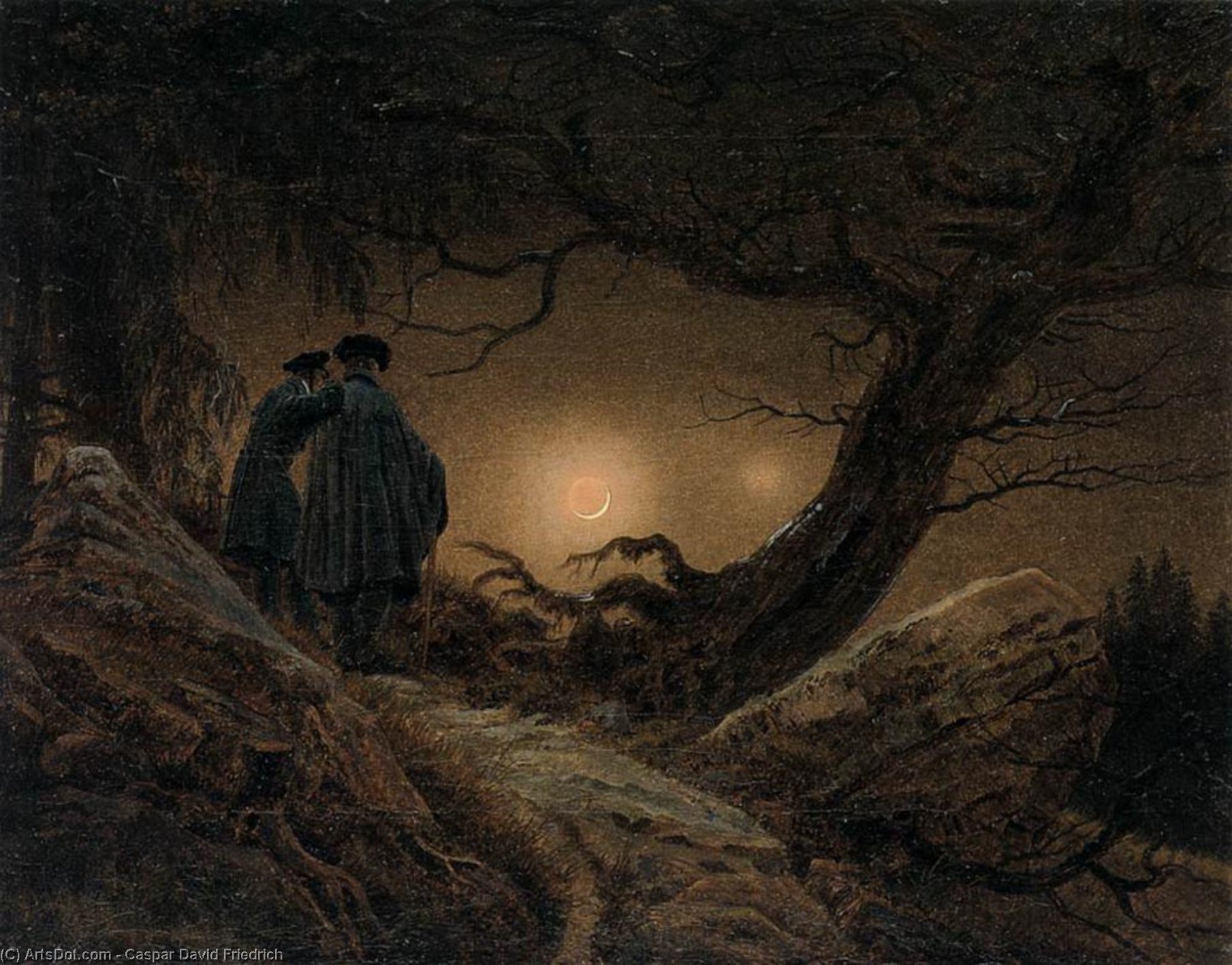
two men contemplating the moon


 Leer más
Reproducción al óleo hecha a mano
Óleo sobre lienzo pintado a mano en el tamaño y marco de su elección, realizado por encargo por nuestros artistas. ( Pedir impresión Comprar descarga)




P118B $10

P118H $10

P118W $10

P438Z $10

P508JH $12

P508YH $12

P805H $10

P805Z $10

P919BZ $10

P919G $10

P919XJ $10

P959ZH $10

P968JZ $12

W106C $8

W218G $10

W218JH $8

W218Y $10

W307PJ $10

W316G $10

W316PJ $8

W316Y $10

W398PJ $8

W4111J $10

W500HY $15

W500JH $15

W692G $12

W849H $8

W940BG $15

W953PJ $8




Elija entre nuestros tamaños predefinidos que respetan las proporciones originales de la obra.

Puede ingresar sus propias dimensiones para adaptarse a un marco o espacio específico. Si el tamaño seleccionado no coincide con las proporciones de la imagen original, recortaremos la obra o extenderemos la pintura con elementos adicionales pintados a mano. Se le enviará una maqueta digital para su aprobación antes de comenzar la producción.
Tenga en cuenta que la vista previa en pantalla no refleja el recorte o la extensión reales. Solo la maqueta mostrará con precisión la composición final.
Si bien existen tamaños personalizados, recomendamos seleccionar una dimensión de la lista predefinida para preservar las proporciones originales.
Tras realizar el pedido, el equipo de ArtsDot.com enviará un correo electrónico al cliente para solicitar instrucciones y proporcionarle una vista previa del boceto.
Envío a todo el mundo () en 3-4 semanas en lugar de las 5 semanas estándar. (20 agosto). Sin comprometer la calidad.

Envío exprés gratuito a todo el mundo

Lienzo de lino de alta calidad

Seguro de envío completo

Garantía de reembolso de aranceles aduaneros

Garantía de fidelidad cromática exacta

Política de devolución de 60 días (solo por defectos)

Garantía de devolución del 100% del dinero

Oferta por volumen
 La opción de vidrio solo está disponible en tamaños inferiores a 110 cm.

two men contemplating the moon
Técnica de reproducción
Tamaño de la reproducción
-


Precio total
$ 263
Descripción de la obra
A Celestial Meditation: The Soul of Romanticism
In the quiet, silvered depths of Caspar David Friedrich’s “Two Men Contemplating the Moon,” we encounter more than a mere landscape; we enter a profound psychological space. Executed during the height of the Romantic era, between 1835 and 1840, this monochrome masterpiece serves as a poignant window into the human condition. The scene presents two solitary figures positioned beneath the skeletal silhouette of a tree, their gazes fixed upon a luminous night sky. Yet, Friedrich transcends simple observation by populating the heavens with multiple moons, creating a dreamlike, surrealist atmosphere that defies the rational laws of our world. This deliberate departure from reality invites the viewer to step away from the mundane and enter a realm of pure, unadulterated feeling.
The technical mastery of this work lies in its restrained, atmospheric brilliance. Eschewing the vibrant palettes of his contemporaries, Friedrich utilizes a sophisticated range of tonal gradations in shades of gray to sculpt light from darkness. Through a masterful application of sfumato and subtle blending, he achieves an illusion of infinite depth, where the boundaries between the earth and the cosmos seem to dissolve. The presence of three small birds, scattered delicately throughout the composition, adds a layer of fragile life to the stillness, acting as tiny anchors of movement within the vast, silent expanse. For the discerning collector or interior designer, this painting offers a sophisticated focal point—a piece that does not demand attention through noise, but commands it through a quiet, magnetic intensity.
Symbolism and the Sublime
To gaze upon this work is to engage with the very heart of German Romanticism. Friedrich’s life, marked by early personal tragedies and a deep-seated spiritual inquiry, is etched into every brushstroke. The tree, standing resilient against the nocturnal void, serves as a powerful symbol of rootedness and the enduring connection between the terrestrial and the divine. As the two men stand in contemplative silence, they become proxies for the viewer, embodying the sublime—that overwhelming sensation of awe mixed with a touch of melancholy when faced with the infinite grandeur of nature. This tension between the smallness of humanity and the vastness of the universe is what gives the painting its enduring emotional resonance.
Historically, this piece stands as a defiant reaction against the rigid rationalism of the Enlightenment. While the era sought to categorize and explain the world through logic, Friedrich sought to experience it through intuition and spirit. The multiple moons suggest a fractured or expanded reality, hinting at the layers of existence that lie beyond human perception. For those seeking to adorn a space with art that inspires deep thought and provides a sanctuary for reflection, this reproduction offers an unparalleled opportunity. It is not merely a decoration; it is an invitation to pause, to breathe, and to lose oneself in the eternal dance of light and shadow.
Obras relacionadas
Biografía del artista
vida temprana y carrera
caspar david friedrich, una figura destacada del movimiento romántico alemán, nació el 5 de septiembre de 1774, en Greifswald, que entonces formaba parte de Pomerania sueca. Sus primeros años estuvieron marcados por una inclinación innata hacia el arte, lo que le llevó a estudiar en la Universidad de Leipzig y posteriormente en Copenhague.estilo artístico y temas
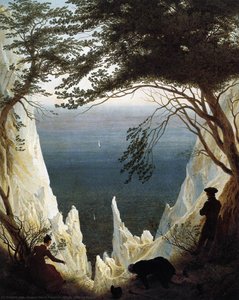
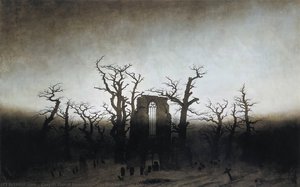
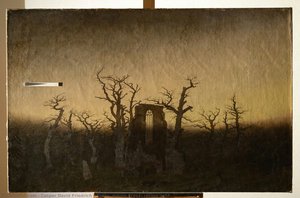
La obra de Friedrich se caracteriza por el uso profundo de elementos góticos y fenómenos naturales para evocar una profunda contemplación y un sentido del sublime. Sus paisajes a menudo disminuyen las figuras humanas para resaltar la inmensidad del mundo natural, reflejando el cambio social de su época hacia la espiritualidad en lugar de los beneficios materiales.- abbey among oak trees, un estado intermedio después de la eliminación del aglutinante viejo y retoques, muestra la maestría de Friedrich para capturar la esencia de la naturaleza (alte nationalgalerie, Berlín, Alemania, fotografía).
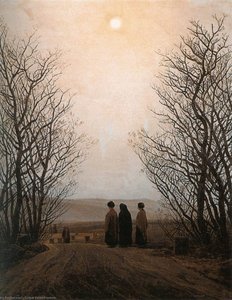
- Morning (óleo) ejemplifica su capacidad para representar escenas serenas e introspectivas.
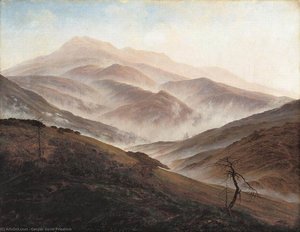
- northern landscape, spring (óleo) y landscape in the riesengebirge (óleo) demuestran aún más su habilidad para capturar la belleza de la naturaleza en diferentes estaciones y paisajes.
influencia y legado
La influencia de Friedrich en la historia del arte es profunda, siendo su obra pionera del romanticismo alemán. Su estilo contemplativo, aunque inicialmente celebrado, cayó fuera de sintonía con el progreso industrial de Alemania más tarde. Sin embargo, a fines del siglo XX, fue aclamado como un artista de renombre internacional. puntos clave en la carrera de Friedrich:- reconocimiento temprano por su 'tragedia del paisaje' en su obra.
- declive en popularidad durante su vida posterior debido al progreso industrial en Alemania.
- aclamación póstuma como pionero del romanticismo alemán a fines del siglo XX.
explore more at ArtsDot
Para una extensa base de datos de obras de arte y biografías de artistas, incluyendo las obras de Caspar David Friedrich, visite [https://ArtsDot.com](https://ArtsDot.com). Descubra la evolución del arte occidental a través de los siglos, desde la Edad Media temprana hasta la era moderna, con la wahoo art timeline. Aprenda sobre las figuras clave en la historia del arte y explore los diferentes estilos y movimientos que dieron forma al mundo del arte.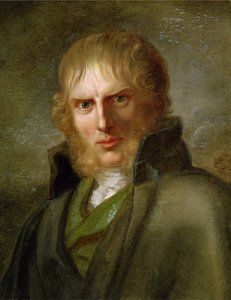
Caspar David Friedrich
1774 - 1840 , Alemania
Datos clave
- Artistas Que Influyeron:
- Jacob van Ruisdael
- Immanuel Kant
- Fecha De Muerte: 7 de mayo de 1840
- Fecha De Nacimiento: 5 de septiembre de 1774
- Influencia Artística:
- Simbolistas
- Surrealistas
- Lugar De Nacimiento: Greifswald, Alemania
- Movimiento Artístico: Romanticismo alemán
- Nacionalidad: Alemán
- Nombre Completo: Caspar David Friedrich
- Obras Notables:
- El mar de hielo
- El caminante sobre el
- Abadía en el hayedo
- Acantilados de tiza en Rügen
Artículos relacionados

Paisajes Románticos: 10 Obras Maestras que Definieron un Movimiento Artístico
Descubre los 10 paisajes románticos más influyentes de artistas como Caspar David Friedrich y Turner. Explora la belleza, el simbolismo y las técnicas del movimiento romántico. Reproducciones de arte exclusivas en ArtsDot.com.

Los 10 Paisajes Más Icónicos de la Historia del Arte | ArtsDot
Descubre los 10 paisajes más emblemáticos de la historia del arte, desde Monet a Van Gogh. Explora su significado, técnica y belleza atemporal. Encuentra reproducciones de alta calidad e inspira tu hogar con ArtsDot.com.

Caspar David Friedrich: Romanticism's Master of Landscape & the Sublimity of Inner Experience
Explore the profound landscapes of Caspar David Friedrich, a master of German Romanticism. Discover the symbolism, themes & enduring influence of this iconic artist. A deep dive into his life and work.

Las 10 Pinturas Más Famosas Dominadas por el Negro | Arte y Decoración
Descubre las 10 pinturas más impactantes dominadas por el negro. Explora obras maestras de Rembrandt, Goya y Rothko, su historia y significado. Encuentra reproducciones de arte exclusivas para transformar tu hogar en .

John Constable: Las 25 Obras Maestras del Paisaje Inglés | ArtsDot
Descubre las 25 obras maestras de John Constable, el pintor romántico inglés que capturó la belleza del paisaje. Explora su técnica, historia y significado en ArtsDot.com. Reproducciones de arte de alta calidad para tu hogar.