

 Ver en contexto
 Enviar
 Compartir
 Detalles

 Descargar
 Similares
 Radiografía
 Presentación de diapositivas
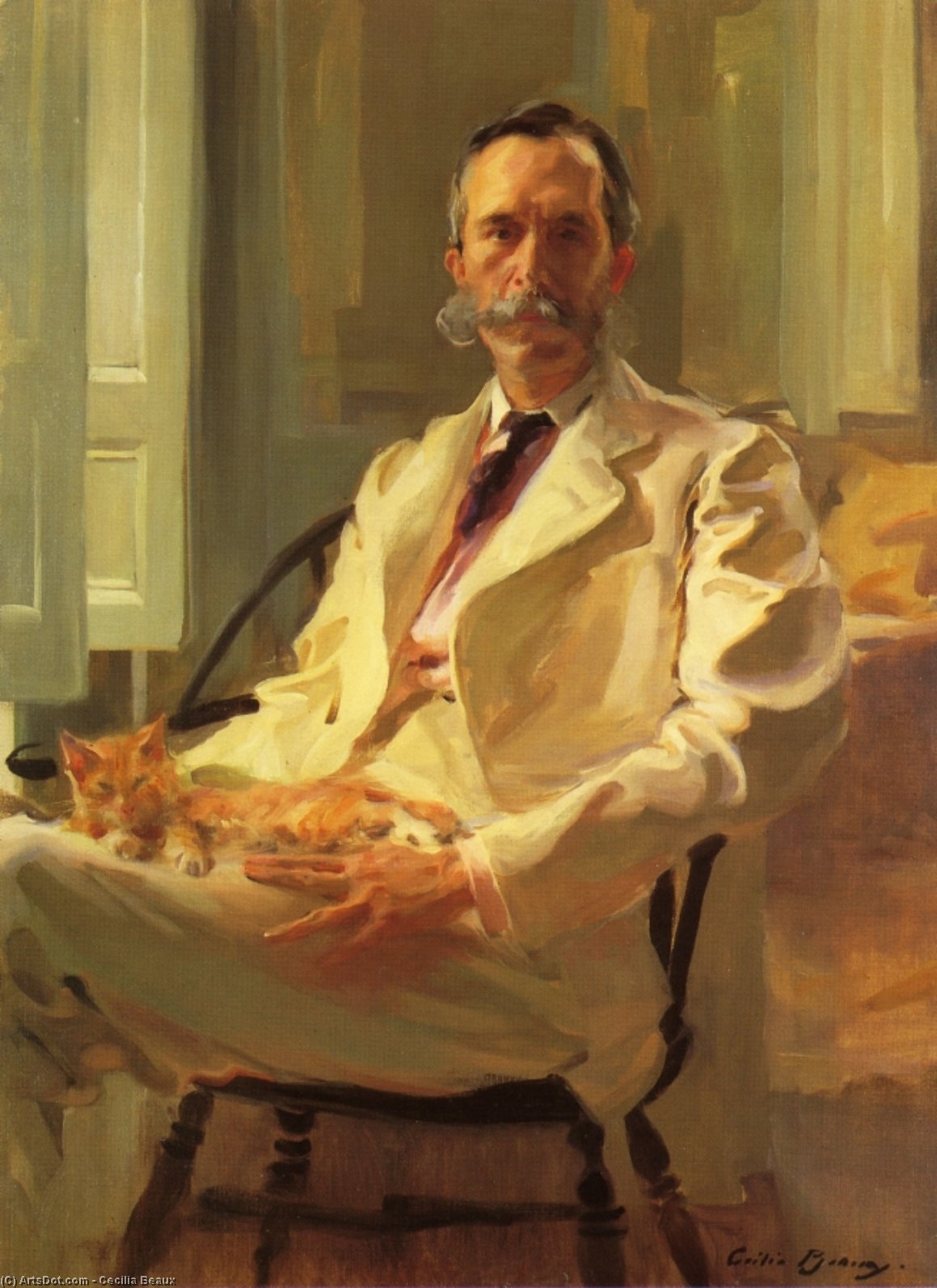
Man with the Cat (Henry Sturgis Drinker)


 Ver más
Reproducción al óleo hecha a mano
Óleo sobre lienzo pintado a mano en el tamaño y marco de su elección, realizado por encargo por nuestros artistas. ( Comprar impresión Comprar imagen)




P118B $10

P118H $10

P118W $10

P438Z $10

P508JH $12

P508YH $12

P805H $10

P805Z $10

P919BZ $10

P919G $10

P919XJ $10

P959ZH $10

P968JZ $12

W106C $8

W218G $10

W218JH $8

W218Y $10

W307PJ $10

W316G $10

W316PJ $8

W316Y $10

W398PJ $8

W4111J $10

W500HY $15

W500JH $15

W692G $12

W849H $8

W940BG $15

W953PJ $8




Elija entre nuestros tamaños predefinidos que respetan las proporciones originales de la obra.

Puede ingresar sus propias dimensiones para adaptarse a un marco o espacio específico. Si el tamaño seleccionado no coincide con las proporciones de la imagen original, recortaremos la obra o extenderemos la pintura con elementos adicionales pintados a mano. Se le enviará una maqueta digital para su aprobación antes de comenzar la producción.
Tenga en cuenta que la vista previa en pantalla no refleja el recorte o la extensión reales. Solo la maqueta mostrará con precisión la composición final.
Si bien existen tamaños personalizados, recomendamos seleccionar una dimensión de la lista predefinida para preservar las proporciones originales.
Tras realizar el pedido, el equipo de ArtsDot.com enviará un correo electrónico al cliente para solicitar instrucciones y proporcionarle una vista previa del boceto.
Envío a todo el mundo () en 3-4 semanas en lugar de las 5 semanas estándar. (24 agosto). Sin comprometer la calidad.

Envío exprés gratuito a todo el mundo

Lienzo de lino de alta calidad

Seguro de envío total

Garantía de reembolso de impuestos aduaneros

Garantía de fidelidad cromática exacta

Política de devolución de 60 días (solo por defectos)

Garantía de devolución del 100% del dinero

Descuento por cantidad
 La opción de vidrio solo está disponible en tamaños inferiores a 110 cm.

Man with the Cat (Henry Sturgis Drinker)
Técnica de reproducción
Dimensiones de la reproducción
-


Precio total final
$ 263
Descripción de la obra
A Moment of Quietude: The Soul of Cecilia Beaux
In the grand tapestry of American Gilded Age portraiture, few threads shine with as much warmth and psychological depth as the work of Cecilia Beaux. Her 1898 masterpiece, Man with the Cat (Henry Sturgis Drinker), serves as a profound window into a bygone era of domestic elegance and quiet intimacy. This oil on canvas, currently held in the prestigious Smithsonian American Art Museum, transcends the mere recording of a likeness; it captures a fleeting, tender heartbeat between man and companion. As we gaze upon the subject, Henry Sturgist Drinker, we are not merely observing a gentleman of status, but rather witnessing a private moment of repose that feels remarkably modern in its emotional accessibility.
The painting is a masterclass in the use of light and atmosphere to evoke a sense of sanctuary. Beaux employs a palette dominated by rich, autumnal tones—creams, beiges, deep browns, and shimmering golds—that wrap the viewer in a blanket of warmth. The lighting, reminiscent of soft natural light filtering through a high window, dances across the textures of the man's coat and the delicate fur of his ginger cat. This careful manipulation of light does more than define form; it establishes a mood of profound comfort and domestic peace. The background, softly blurred in a technique that hints at Impressionistic influence, pushes the subject forward, creating a shallow perspective that pulls the observer into the very circle of intimacy shared by the man and his feline friend.
Technique and the Art of Texture
To behold this work is to appreciate the meticulous hand of an artist who understood the language of touch. Beaux’s technique involves a sophisticated layering of oil paints, building up a surface that possesses its own tactile reality. One can almost feel the weight of the heavy fabric in the man's attire and the soft, rhythmic pulse of the cat's breathing through the visible, deliberate brushstrokes. The artist’s ability to balance precise, detailed rendering with a certain painterly softness allows the piece to breathe, preventing the realism from becoming static or cold.
For the discerning collector or interior designer, this painting offers an unparalleled opportunity to introduce a sense of historical gravity and soulful warmth into a living space. The organic shapes—the gentle curve of the man's face, the relaxed posture of the cat, and the soft contours of the chair—work in harmony to create a composition that is both balanced and inviting. It is a piece that does not demand attention through loud colors or jarring movements, but rather commands it through a quiet, undeniable presence.
Symbolism and Lasting Legacy
Beyond its aesthetic brilliance, Man with the Cat carries subtle layers of symbolism regarding companionship and the sanctity of the home. The cat, nestled trustingly in the man's lap, serves as a symbol of peace and the untamed spirit brought into harmony with civilization. There is a profound sense of "home" embedded in the composition, suggesting that true wealth and status are found not just in the fine furniture or the gentleman's dignified bearing, but in the capacity for tenderness and connection.
As an exemplar of late 19th-century American art, this painting remains a vital touchstone for anyone seeking to understand the evolution of portraiture. It stands as a testament to Cecilia Beaux’s ability to capture the essence of her subjects—not just their outward appearance, but their inner temperament. Whether displayed in a sunlit library or a sophisticated study, a high-quality reproduction of this work brings with it the enduring spirit of the Gilded Age, offering a timeless invitation to pause, reflect, and find beauty in the quietest moments of life.
Obras relacionadas

Biografía del artista
Primeros años y formación
Cecilia Beaux, una destacada retratista estadounidense de la sociedad, nació el 1 de mayo de 1855 en Filadelfia, Pensilvania. Su infancia temprana se vio marcada por la prematura muerte de su madre, Cecilia Kent Leavitt, cuando Beaux era solo una bebé. Este evento llevó a que fuera criada por su abuela materna y sus tías en Filadelfia. El viaje artístico de Beaux comenzó con lecciones de Catherine Ann Drinker, una pariente y artista consumada, a la edad de 16 años. Continuó su formación bajo Francis Adolf van der Wielen durante dos años, centrándose en la perspectiva y el dibujo de moldes. Dada la inclinación de la época victoriana contra las estudiantes femeninas, se le negó el estudio directo de anatomía hasta mucho más tarde.Carrera artística
El avance de Beaux llegó cuando comenzó a asistir a la Academia de Bellas Artes de Pensilvania en 1876, bajo la influencia de Thomas Eakins. Aunque evitó los fervientes seguidores de Eakins, su trabajo se vio significativamente influenciado por la progresista filosofía docente de este último. Beaux ganó el premio Mary Smith en las exposiciones de la Academia de Bellas Artes de Pensilvania en 1885, 1887, 1891 y 1892.- Sus representaciones empáticas de la clase dirigente estadounidense la convirtieron en una de las retratistas más exitosas de su época.
- Junto con John Singer Sargent y William Merritt Chase, Beaux fue una retratista líder en los Estados Unidos a principios del siglo XX.
- Chase la elogió como "no solo la mayor pintora mujer viviente, sino la mejor que jamás haya existido".
Obras notables y legado
Una de las obras más aclamadas de Beaux es su retrato de Harriet Sears Amory, que muestra sus retratos de gran formato de la élite social e intelectual. Esta pieza, ejecutada con los pinceladas audaces y el impasto pesado del impresionismo, ejemplifica su dominio del género. Vea más obras de Cecilia Beaux en ArtsDot.com:- Cecilia Beaux: retrato de Harriet Sears Amory
- Explore la página Cecilia Beaux para una colección completa de sus obras de arte.
Museos y colecciones con su obra
- El Museo Westmoreland de Arte Americano (Estados Unidos): presenta una impresionante colección de arte estadounidense, incluidas obras de Beaux.
- Academia de Bellas Artes de Pensilvania (Filadelfia, Estados Unidos): donde Beaux recibió su formación y ganó varios premios.
- El Museo Westmoreland de Arte Americano (Estados Unidos)
- El museo Academia de Bellas Artes de Pensilvania (Filadelfia, Estados Unidos)
Influencias y desarrollo artístico
Beaux fue influenciada por varios artistas importantes. Su estudio en la Academia Julian en París le expuso al trabajo de Tony Robert-Fleury y William-Adolphe Bouguereau, así como a las obras de Édouard Manet y Edgar Degas. Su estilo se comparó con el de John Singer Sargent, lo que demuestra su habilidad para capturar la esencia del sujeto con una técnica magistral. Beaux creía en la conexión entre las características físicas y los rasgos de comportamiento, un concepto que influyó en su enfoque de la representación humana.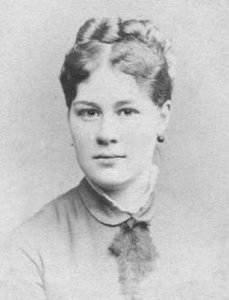
Cecilia Beaux
1855 - 1942 , Estados Unidos de América
Datos clave
- Artistas Que Influyeron:
- Thomas Eakins
- William Sartain
- Fecha De Fallecimiento: 17 de septiembre de 1942
- Fecha De Nacimiento: 1 de mayo de 1855
- Lugar De Nacimiento: Filadelfia, Estados Unidos
- Movimiento Artístico: Retrato, Impresionismo
- Nacionalidad: Estadounidense
- Nombre Completo: Cecilia Beaux
- Obras Notables: ['Retrato de Harriet Sears Amory']
Artículos relacionados
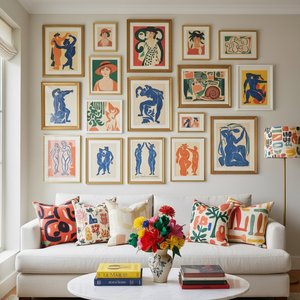
Henri Matisse: Las 25 Obras Maestras que Definieron un Genio del Color | ArtsDot
Descubre las 25 obras maestras de Henri Matisse, el rey del color y padre del fauvismo. Explora su arte moderno, lienzos vibrantes y la historia detrás de cada pintura icónica. Encuentra reproducciones de alta calidad en ArtsDot.com.

The Enduring Legacy of Oil on Canvas: Technique, History & Aesthetic Impact
Explore the rich history & techniques of oil painting – from Renaissance masters to Impressionism. Discover pigments, layering methods, and why this timeless medium endures. Expert insights for artists & art enthusiasts.

El Óleo sobre Lienzo: Historia, Técnica y la Persistencia de un Medio Artístico Atemporal
Descubre la historia y técnica del óleo sobre lienzo. Explora reproducciones fieles hechas a mano, personalización artística y consejos de expertos con ArtsDot. ¡Colecciona arte con confianza!

The Enduring Power of Painting: A Historical & Contemporary Exploration of Form and Emotion
Explore the rich history & enduring techniques of oil painting with ArtsDot. Discover masterpieces, learn about art collecting, and find authentic handmade reproductions crafted by skilled artists.

El Legado Duradero del Óleo sobre Lienzo: Técnica, Historia y Práctica Contemporánea
Descubre la historia y técnica del óleo sobre lienzo. Explora reproducciones fieles hechas a mano, personalización artística y consejos de expertos con .

