

 Ver en contexto
 Enviar
 Compartir
 Detalles

 Descargar
 Similares
 Radiografía
 Presentación de diapositivas
 Stats
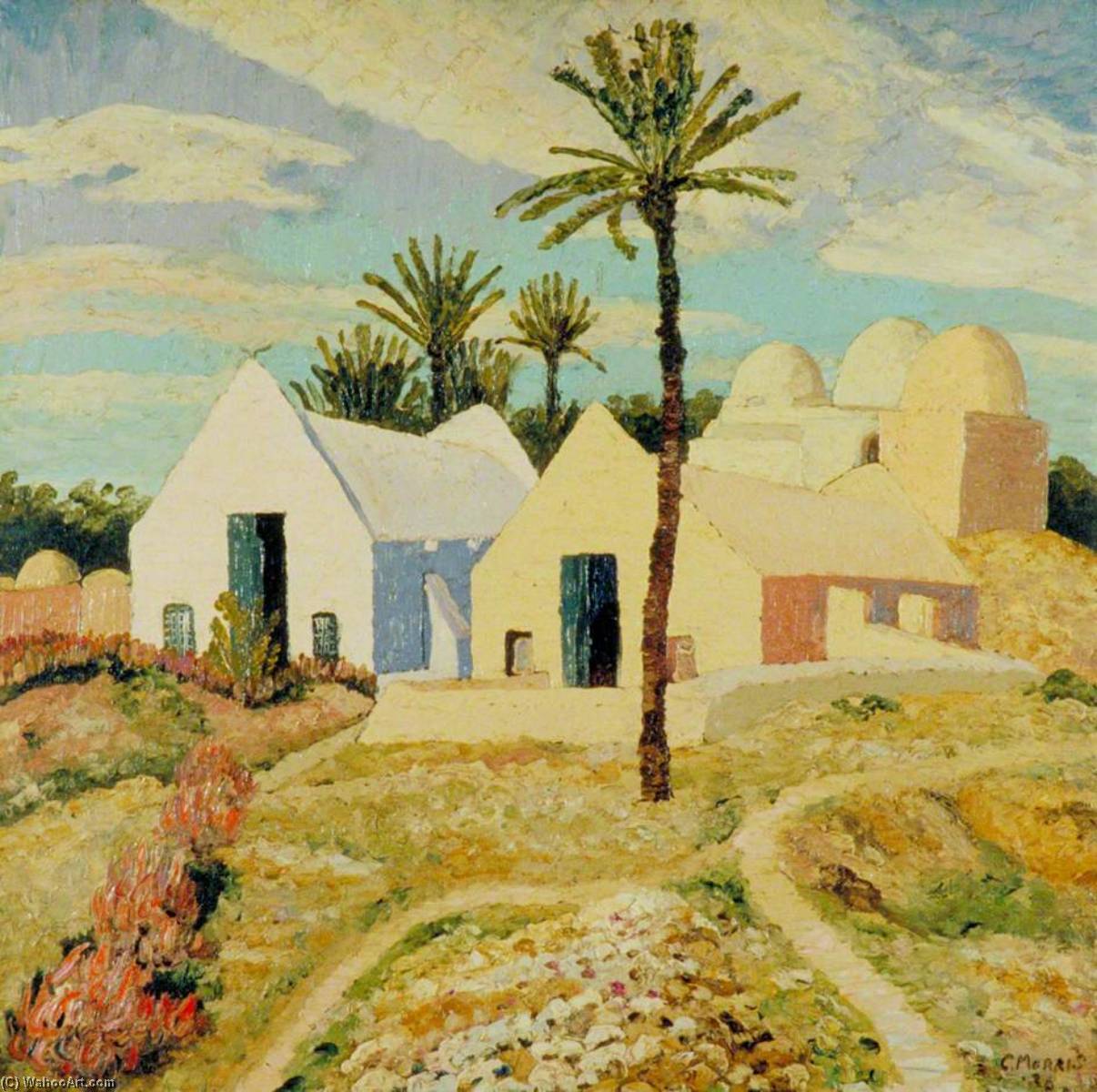
StatsAtelier Tapisseries, Djerba, Tunisia
 Acrylic On Canvas
- WallArt
- Early 20th Century
 1926
1926 64.0 x 64.0 cm
 Colección de Arte del Gobierno
 Ver más
Giclée / Impresión de arte
Impresiones giclée o en lienzo de calidad de museo con producción rápida y opciones de acabado flexibles. ( Comprar pintura hecha a mano Switch to Digital Image)




P118B $10

P118H $10

P118W $10

P438Z $10

P508JH $12

P508YH $12

P805H $10

P805Z $10

P919BZ $10

P919G $10

P919XJ $10

P959ZH $10

P968JZ $12

W106C $8

W218G $10

W218JH $8

W218Y $10

W307PJ $10

W316G $10

W316PJ $8

W316Y $10

W398PJ $8

W4111J $10

W500HY $15

W500JH $15

W692G $12

W849H $8

W940BG $15

W953PJ $8




Elija entre nuestros tamaños predefinidos que respetan las proporciones originales de la obra.

Puede introducir sus propias dimensiones para adaptarse a un marco o espacio específico. Si el tamaño seleccionado no coincide con las proporciones de la imagen original, recortaremos la obra de arte o extenderemos la imagen con un borde con efecto espejo o de color sólido. Se enviará una maqueta digital para su aprobación antes de que comience la producción.
Tenga en cuenta que la vista previa en pantalla no refleja el recorte o la extensión real. Solo la maqueta mostrará con precisión la composición final.
Aunque existen tamaños personalizados, recomendamos seleccionar una dimensión de la lista predefinida para preservar las proporciones originales.
Envío a todo el mundo () en 2 semanas en lugar de las 4/5 semanas estándar. (8 septiembre)

Envío exprés gratuito a todo el mundo

Lienzo de lino de alta calidad

Seguro de envío total

Garantía de reembolso de impuestos aduaneros

Garantía de fidelidad cromática exacta

Política de devolución de 100 días (solo por defectos)

Garantía de devolución del 100% del dinero

Descuento por cantidad
 La opción de vidrio solo está disponible en tamaños inferiores a 110 cm.

Atelier Tapisseries, Djerba, Tunisia
Giclée / Impresión de arte
Dimensiones de la reproducción
-


Precio total final
$ 62
A Glimpse of Tunisian Life: Atelier Tapisseries, Djerba
Cedric Lockwood Morris’s “Atelier Tapisseries, Djerba, Tunisia,” painted in 1926, offers more than just a picturesque scene; it's a vibrant snapshot of daily life within the ancient trading post of Djerba, an island off the coast of North Africa. The painting immediately draws the eye with its sun-drenched palette – ochre yellows, terracotta reds, and deep blues – evoking the intense heat and rich colors characteristic of the Tunisian landscape. It’s a scene brimming with quiet industry and a palpable sense of community, inviting the viewer to step into a world both familiar and utterly foreign.
Morris, born in 1889 in Sketty, Wales, was a man of considerable artistic versatility, initially pursuing music before finding his true calling in painting. His travels throughout Europe and North America profoundly shaped his style, resulting in works that often blend Impressionistic techniques with elements of Orientalism – a fascination with the cultures and aesthetics of the East. This piece exemplifies this fusion perfectly; while rooted in Western artistic traditions, it possesses an undeniable sensitivity to the rhythms and textures of Tunisian life.
The Architecture and its Significance
The heart of the composition is dominated by a cluster of buildings constructed from sun-baked adobe – a testament to the island’s long history as a vital trading hub. These structures, with their simple yet sturdy forms, speak volumes about the resilience and practicality of Djerba's inhabitants. Notably, two large, rounded domes stand prominently in the center, likely representing a local mosque or perhaps a communal building. These architectural features are not merely decorative; they’re integral to understanding the spiritual and social life of the village. The use of round structures is deeply symbolic, referencing the earth and the cyclical nature of time – concepts central to many North African cultures.
The surrounding buildings, with their distinctive blue doors, further contribute to the painting's visual richness. Blue, in this context, isn’t simply a color; it represents protection, spirituality, and good fortune—a significant element within Tunisian tradition. The arrangement of these dwellings suggests a tightly knit community, where generations have lived and worked side-by-side.
Technique and Artistic Impression
Morris's brushwork is loose and expressive, characteristic of the Impressionistic movement he embraced. He captures not just the appearance of the scene but also its atmosphere – the shimmering heat haze, the dappled sunlight filtering through palm fronds, and the subtle shifts in color that define the Tunisian landscape. The artist skillfully employs broken color to create a sense of depth and luminosity, particularly evident in the depiction of the buildings and the distant mountains. The figures scattered throughout the scene are rendered with a delicate touch, conveying their movements and interactions without resorting to detailed portraits.
He utilizes a technique that blends observation with imagination, prioritizing capturing the *feeling* of Djerba over strict realism. The slightly flattened perspective and the selective use of detail contribute to this effect, creating an image that is both immediate and dreamlike. The painting’s composition guides the viewer's eye through the scene, drawing them into the heart of the village.
A Legacy of Color and Culture
"Atelier Tapisseries, Djerba, Tunisia" transcends its subject matter to become a poignant meditation on cultural exchange and the beauty of everyday life. It’s a reminder that art can not only document a place but also evoke its spirit—a spirit of resilience, community, and connection to the land. Morris's work stands as a testament to his ability to capture the essence of a culture through color, light, and composition. Today, reproductions of this captivating painting offer a window into a bygone era, allowing us to appreciate the rich tapestry of Tunisian life and the enduring legacy of Cedric Lockwood Morris’s artistic vision.
Obras relacionadas
Biografía del artista
Primeros Años y Educación
- Nacimiento: 11 de diciembre de 1889, en Sketty, Swansea, Gales del Sur
- Padres: George Lockwood Morris (industrialista e internacional rugby) y Wilhelmina Cory
- Antecedentes Familiares: Descendiente de Sir John Morris, 1er Barón; conexión con los fundadores de la Galería de Cuadros Dulwich.
- Educación: Escuela St Cyprian's, Eastbourne; Charterhouse School, Godalming.
- Primeras Ambiciones: Intentó obtener una comisión militar pero fracasó; trabajó en granjas en Canadá y ocupó varios puestos en Nueva York.
- Intereses Musicales: Estudió brevemente canto en el Royal College of Music de Londres antes de dedicarse a la pintura.
Desarrollo Artístico e Influencias
- Formación Temprana: Estudió en la Académie Delécluse en Montparnasse, París (1914).
- Experiencia en la Primera Guerra Mundial: Sirvió con los Artists' Rifles pero fue considerado médicamente no apto; trabajó entrenando caballos.
- Relaciones Clave: Cercana amistad y asociación artística con Arthur Lett-Haines (a partir de 1918); asociación con Frances Hodgkins.
- Estilo Temprano: Inicialmente influenciado por el Impresionismo y el Postimpresionismo, evidente en sus paisajes y retratos.
- Desarrollo del Estilo Característico: Se hizo conocido por vibrantes pinturas de flores, uso audaz del color y representaciones expresivas del campo de East Anglia.
Obras Principales y Contribuciones Artísticas
- Retratos: Produjo numerosos retratos que capturan el carácter y la personalidad de sus sujetos.
- Pinturas de Flores: Sus obras más celebradas; caracterizadas por colores intensos y un enfoque en los detalles botánicos. A menudo descrito como "un Van Gogh o Utrillo para aquellos de modestos medios".
- Paisajes: Representó los paisajes de Gales del Sur y East Anglia con un estilo distintivo y expresivo.
- Murales: Pintó grandes murales de flores a bordo del liner Queen Mary (1935).
- East Anglian School of Painting and Drawing: Co-fundada con Arthur Lett-Haines en 1937; fomentó una generación de artistas británicos, incluyendo a Lucian Freud y Maggi Hambling. La escuela enfatizaba el sentimiento sobre la representación estricta.
Vida Posterior y Legado
- Activismo Político: Se involucró con el Partido Laborista de Hadleigh a fines de la década de 1930.
- Declive en la Popularidad: Experimentó un período de relativa oscuridad después de la Segunda Guerra Mundial.
- Revival del Interés: Una nueva apreciación por su obra comenzó en los últimos años de su vida y ha continuado desde su muerte.
- Fallecimiento: Falleció el 8 de febrero de 1982, en Hadleigh, Suffolk.
- Significado Histórico: Reconocido como una figura significativa en el arte británico del siglo XX; su obra ejemplifica una mezcla única de observación y expresión. Su influencia a través de la East Anglian School también es notable.
Datos Clave
- Títulos: Sir (1947), 9º Barón
- Nacionalidad: Británico
- Movimiento: Asociado con el Arte Moderno Británico
- Medios: Pintura al óleo, acuarela
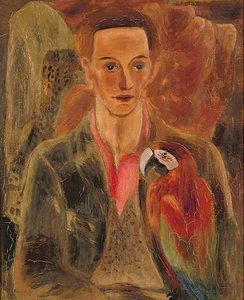
Cedric Morris
1889 - 1982 , Reino Unido
Datos clave
- Artistas O Movimientos Influenciados Por Este Artista:
- Lucian Freud
- Maggi Hambling
- Artistas Que Influyeron En Este Artista:
- Noel Desenfans
- Francis Bourgeois
- Fecha De Fallecimiento: 8 de febrero de 1982
- Fecha De Nacimiento: 11 de diciembre de 1889
- Lugar De Nacimiento: Sketty, Reino Unido
- Movimiento Artístico O Estilo: Moderno Británico
- Nacionalidad: Británico
- Nombre Completo: Cedric Lockwood Morris
Artículos relacionados

John Constable: Las 25 Obras Maestras del Paisaje Inglés | ArtsDot
Descubre las 25 obras maestras de John Constable, el pintor romántico inglés que capturó la belleza del paisaje. Explora su técnica, historia y significado en ArtsDot.com. Reproducciones de arte de alta calidad para tu hogar.
George Frederic Watts: Symbolism, Spirituality & Victorian Ideal Beauty
Explore the captivating Symbolist art of George Frederic Watts. Discover his allegorical masterpieces, classical influences & spiritual themes. Learn about his legacy and find high-quality reproductions at ArtsDot.
Edward Hopper: Las 25 Obras Maestras que Definen la Soledad Moderna | ArtsDot
Descubre las 25 obras maestras de Edward Hopper, el pintor de la soledad moderna. Explora su realismo americano, luz y sombra, e icónicas escenas urbanas. Reproducciones de arte en ArtsDot.com para decorar tu hogar con estilo.
Morris Louis: Pioneering Color Field Painting & Abstract Expressionism's Legacy
Explore the groundbreaking abstract expressionism of Morris Louis, a pioneer of Color Field painting. Discover his innovative techniques, influential series & lasting legacy in post-war American art. Learn more at ArtsDot.

Los 10 Maestros del Paisaje Impresionista: Obras que Cambiaron la Historia del Arte
Descubre los 10 lienzos impresionistas que revolucionaron el arte. Monet, Renoir y más… Explora la historia, técnica y belleza de cada obra maestra. Encuentra reproducciones de alta calidad para tu hogar en ArtsDot.com.