

 Ver en contexto
 Enviar
 Compartir
 Detalles

 Descargar
 Similares
 Radiografía
 Presentación de diapositivas
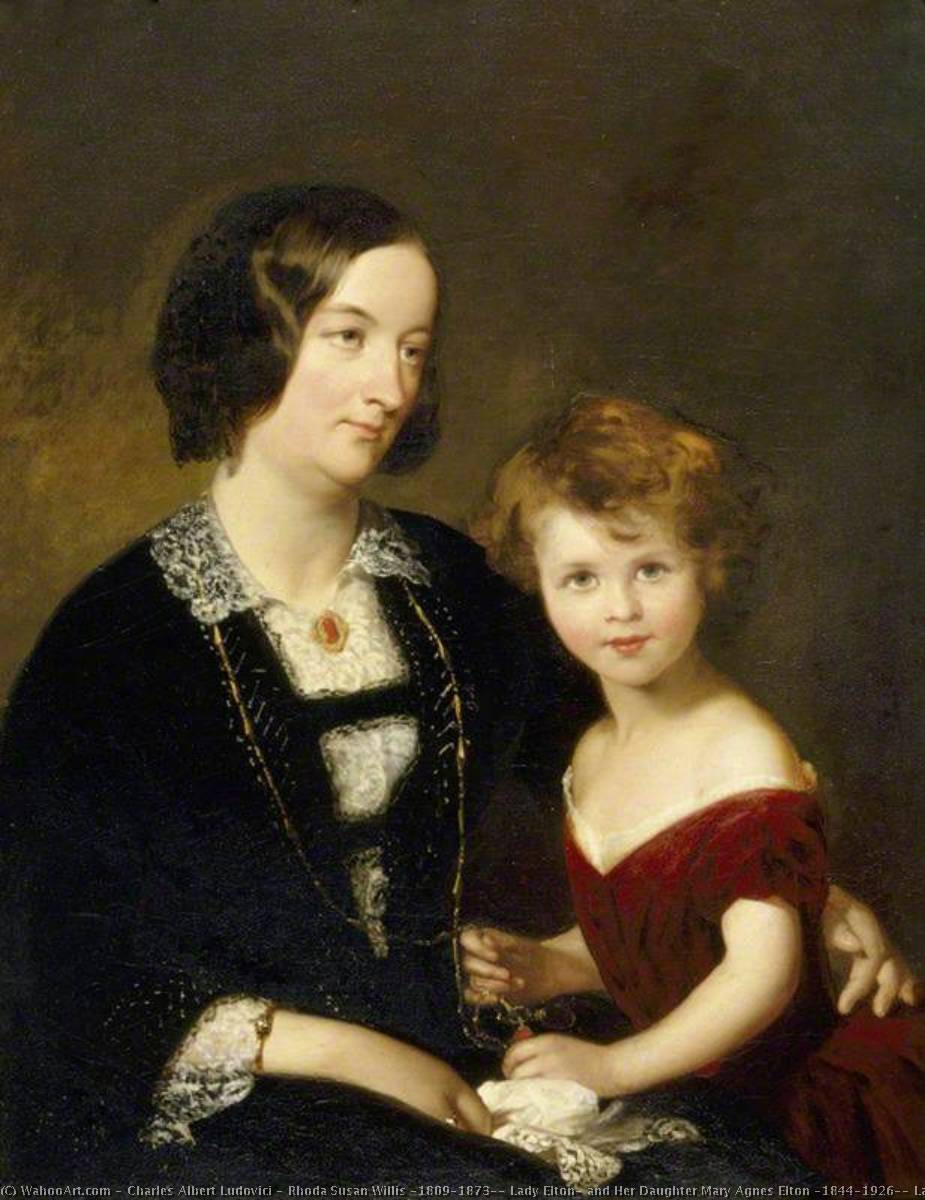
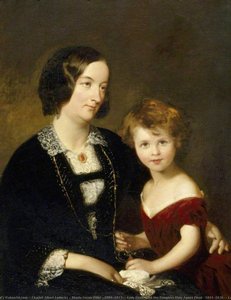
Rhoda Susan Willis (1809–1873), Lady Elton, and Her Daughter Mary Agnes Elton (1844–1926), Later Lady Elton
 Neoclassicism
 1860
1860 91.0 x 71.0 cm
 National Trust
 Ver más
Reproducción al óleo hecha a mano
Óleo sobre lienzo pintado a mano en el tamaño y marco de su elección, realizado por encargo por nuestros artistas. ( Comprar impresión Comprar imagen)




































Elija entre nuestros tamaños predefinidos que respetan las proporciones originales de la obra.

Puede ingresar sus propias dimensiones para adaptarse a un marco o espacio específico. Si el tamaño seleccionado no coincide con las proporciones de la imagen original, recortaremos la obra o extenderemos la pintura con elementos adicionales pintados a mano. Se le enviará una maqueta digital para su aprobación antes de comenzar la producción.
Tenga en cuenta que la vista previa en pantalla no refleja el recorte o la extensión reales. Solo la maqueta mostrará con precisión la composición final.
Si bien existen tamaños personalizados, recomendamos seleccionar una dimensión de la lista predefinida para preservar las proporciones originales.
Tras realizar el pedido, el equipo de ArtsDot.com enviará un correo electrónico al cliente para solicitar instrucciones y proporcionarle una vista previa del boceto.
Envío a todo el mundo () en 3-4 semanas en lugar de las 5 semanas estándar. (27 agosto). Sin comprometer la calidad.

Envío exprés gratuito a todo el mundo

Lienzo de lino de alta calidad

Seguro de envío total

Garantía de reembolso de impuestos aduaneros

Garantía de fidelidad cromática exacta

Política de devolución de 60 días (solo por defectos)

Garantía de devolución del 100% del dinero

Descuento por cantidad
 La opción de vidrio solo está disponible en tamaños inferiores a 110 cm.

Rhoda Susan Willis (1809–1873), Lady Elton, and Her Daughter Mary Agnes Elton (1844–1926), Later Lady Elton
Técnica de reproducción
Dimensiones de la reproducción
-


Precio total final
$ 288
Obras relacionadas
Biografía del artista
The Legacy of Charles Albert Ludovici: A Victorian Master of Portraiture
In the golden age of Victorian portraiture, few artists captured the quiet dignity and social complexity of the era as masterfully as Charles Albert Ludovici. Born in 1820 into a lineage of creative distinction—his father being a noted sculptor—Ludovici was destined for a life steeped in the fine arts. His journey was one of international refinement, bridging the artistic traditions of the Continent with the prestigious academic circles of London. This unique heritage allowed him to infuse his work with a cosmopolitan elegance that set him apart from many of his British contemporaries, establishing him as a painter capable of translating both physical likeness and psychological depth onto the canvas.
Ludovici’s formal education at the Royal Academy in London served as the bedrock of his technical prowess. Under the guidance of luminaries such as Sir George Watts and Frederic Leighton, he mastered the rigorous academic conventions of his time. Yet, even within these structured boundaries, a restless, emotive spirit began to emerge. Influenced by the sweeping drama of the Romantic movement and the evocative lighting of artists like Eugène Delacroix, Ludovici developed a style that moved beyond mere documentation. He sought to capture the very soul of his subjects, utilizing subtle nuances in gesture and expression to tell stories that resided beneath the surface of silk and lace.
Technique, Light, and the Art of Observation
The true magic of a Ludovici portrait lies in its luminous execution. A devotee of oil on canvas, he employed a sophisticated glazing method, layering thin, translucent coats of pigment to achieve a breathtaking depth of tone. This technique allowed light to penetrate the paint layers and reflect back, giving skin a lifelike radiance and fabrics a tactile, shimmering quality. His ability to manipulate light was not merely a technical feat but a narrative tool; he used theatrical shadows and soft highlights to direct the viewer's eye and evoke specific moods, ranging from the somber gravity of a scholar to the delicate innocence of a child.
His repertoire of subjects reflected the stratified elegance of 19th-century society. Ludovici became a sought-after portraitist for the era's most influential figures, including:
- Members of the Royal Family, capturing the formal majesty of Queen Victoria and Prince Albert.
- Intellectual Giants, such as the poet Lord Tennyson and the renowned scientist Sir William Crookes.
- The Pre-Raphaelite Circle, notably documenting the presence of Dante Gabriel Rossetti within his social orbit.
- The Aristocracy and Industrialists, providing enduring visual records of the families that shaped the British Empire.
A Lasting Impression on Art History
As the 19th century progressed, Ludovici’s work remained a steadfast pillar of realism amidst changing artistic tides. While later movements would push toward abstraction and impressionism, Ludovici stayed true to the power of the human form and the importance of meticulous detail. His legacy is not merely found in the museums that house his works, but in the way he documented a vanishing world—a period of profound transition where tradition met modernity. Through his brush, the faces of the past continue to gaze upon us with an unmistakable vitality, reminding us of the enduring human connection that fine art provides across the centuries.
charles albert ludovici
1820 - 1894
Datos clave
- Artistic Movement Or Style: Victorian Portraiture
- Artists Or Movements Influenced By This Artist: ['Pre-Raphaelites']
- Artists Who Influenced This Artist: ['William Holman Hunt']
- Date Of Birth: 1820
- Date Of Death: 1894
- Full Name: Charles Albert Ludovici
- Nationality: French
- Notable Artworks: ['Portrait of Queen Victoria']
- Place Of Birth: Paris, France
Artículos relacionados

Romantic Realism's Finest: 10 Masterpieces for Your Home | ArtsDot
Explore 10 defining masterpieces of Romantic Realism! Discover Courbet, Millet & Daumier's powerful paintings—capturing emotion and social realities. Find museum-quality reproductions for your home at ArtsDot.com.
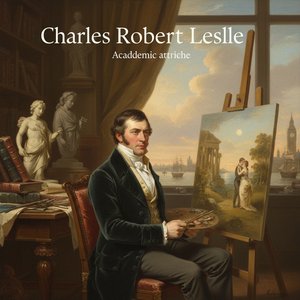
Charles Robert Leslie: Navigating Romantic Ideals & Academic Tradition
Explore the life & art of Charles Robert Leslie, a key figure bridging Romantic ideals with Victorian academic tradition. Discover his captivating portraits, literary scenes, and enduring legacy as Constable’s biographer.
Albert Goodwin: Capturing Victorian Light & Atmosphere – A Study in Landscape Painting
Explore the captivating landscapes of Albert Goodwin (1845-1932), a celebrated Victorian watercolourist influenced by Turner & Ruskin. Discover his techniques, prolific collection, and lasting legacy in British art history.
Dante Gabriel Rossetti: Las 25 Obras Maestras del Prerrafaelismo | ArtsDot
Descubre las 25 obras maestras de Dante Gabriel Rossetti, el máximo exponente del Prerrafaelismo. Explora su simbolismo, retratos victorianos y la belleza femenina en lienzos inolvidables. Reproducciones de arte exclusivas en ArtsDot.com.
Thomas Edwin Mostyn: A Victorian Genre Painter's Journey from Realism to Romantic Enchantment
Discover the captivating world of Thomas Edwin Mostyn (1864-1930), a Victorian artist renowned for his romantic garden scenes and evocative portraits. Explore his artistic journey, legacy & find high-quality reproductions at ArtsDot.

