 Vista previa
 Compartir
 Compartir
 Ver detalles

 Descargar
 Ver similares
 Radiografía
 Presentación de diapositivas
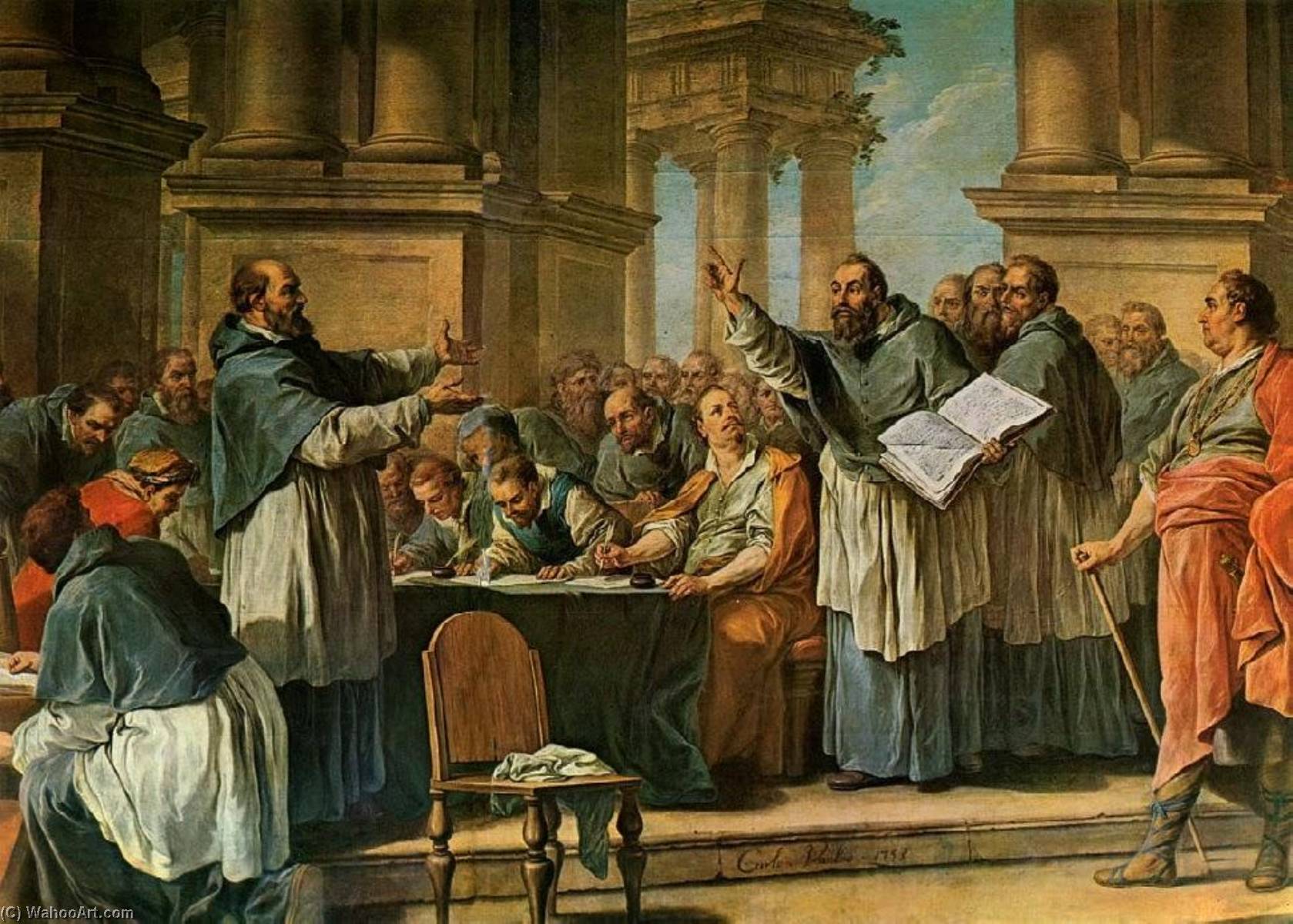
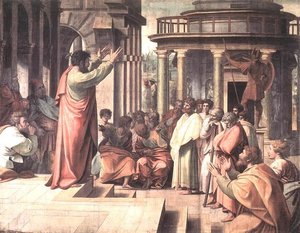
Life of St Augustine Saint Augustine Disputing with the Donatists
 Oil On Canvas
- WallArt
- Rococo Style
 1753
1753- Renaissance
 400.0 x 550.0 cm
 Basílica Nuestra
 Leer más
Reproducción al óleo hecha a mano
Óleo sobre lienzo pintado a mano en el tamaño y marco de su elección, realizado por encargo por nuestros artistas. ( Pedir impresión Comprar descarga)




P118B $10

P118H $10

P118W $10

P438Z $10

P508JH $12

P508YH $12

P805H $10

P805Z $10

P919BZ $10

P919G $10

P919XJ $10

P959ZH $10

P968JZ $12

W106C $8

W218G $10

W218JH $8

W218Y $10

W307PJ $10

W316G $10

W316PJ $8

W316Y $10

W398PJ $8

W4111J $10

W500HY $15

W500JH $15

W692G $12

W849H $8

W940BG $15

W953PJ $8




Elija entre nuestros tamaños predefinidos que respetan las proporciones originales de la obra.

Puede ingresar sus propias dimensiones para adaptarse a un marco o espacio específico. Si el tamaño seleccionado no coincide con las proporciones de la imagen original, recortaremos la obra o extenderemos la pintura con elementos adicionales pintados a mano. Se le enviará una maqueta digital para su aprobación antes de comenzar la producción.
Tenga en cuenta que la vista previa en pantalla no refleja el recorte o la extensión reales. Solo la maqueta mostrará con precisión la composición final.
Si bien existen tamaños personalizados, recomendamos seleccionar una dimensión de la lista predefinida para preservar las proporciones originales.
Tras realizar el pedido, el equipo de ArtsDot.com enviará un correo electrónico al cliente para solicitar instrucciones y proporcionarle una vista previa del boceto.
Envío a todo el mundo () en 3-4 semanas en lugar de las 5 semanas estándar. (20 agosto). Sin comprometer la calidad.

Envío exprés gratuito a todo el mundo

Lienzo de lino de alta calidad

Seguro de envío completo

Garantía de reembolso de aranceles aduaneros

Garantía de fidelidad cromática exacta

Política de devolución de 60 días (solo por defectos)

Garantía de devolución del 100% del dinero

Oferta por volumen
 La opción de vidrio solo está disponible en tamaños inferiores a 110 cm.

Life of St Augustine Saint Augustine Disputing with the Donatists
Técnica de reproducción
Tamaño de la reproducción
-


Precio total
$ 263
Descripción de la obra
A Window Into Enlightenment: Exploring Charles-André van Loo’s “Life of St Augustine Saint Augustine Disputing with the Donatists”
The painting "Life of St Augustine Saint Augustine Disputing with the Donatists," executed by Charles-André van Loo in 1753, stands as a quintessential emblem of Rococo artistry—a style that prioritized elegance and refined ornamentation above all else. More than just a depiction of biblical narrative, it’s a meticulously crafted tableau reflecting the intellectual fervor of the Enlightenment era and imbued with subtle symbolic resonances that continue to captivate viewers today.The Scene Unfolds: Composition and Narrative
Van Loo's masterful composition draws the eye immediately into the central figure—a man engaged in animated debate with several companions. This posture conveys not merely disagreement but a fervent pursuit of truth, mirroring the philosophical debates prevalent during Louis XV’s reign. The figures are arranged around a table laden with books and documents, suggesting an academic discussion focused on theological disputes surrounding the Donatist heresy – a challenge to papal authority that shook Catholic Europe in the preceding decades. Notice how the artist utilizes chiaroscuro—the dramatic interplay of light and shadow—to heighten tension and emphasize the importance of each participant’s stance. The positioning of the figures contributes to a dynamic visual narrative, inviting contemplation on the complexities of faith and reason.Rococo Technique: Delicate Brushwork and Luxurious Palette
The painting exemplifies the hallmarks of Rococo technique. Van Loo employed a delicate brushstroke—characteristic of the style—to achieve an ethereal quality, particularly evident in the drapery folds and facial expressions. The artist’s palette is rich with pastel hues – creams, golds, pinks, and blues – creating a luminous atmosphere that contrasts sharply with darker tones used to define architectural elements and create depth. These colors wouldn't have been chosen for mere aesthetic pleasure; they were carefully selected to convey nobility and sophistication—values deeply ingrained in the aristocratic patronage of the time. The meticulous layering of paint contributes to an illusionistic effect, blurring boundaries between reality and fantasy and transporting the viewer into a meticulously crafted world.Symbolism Beyond Belief: Layers of Meaning
Beyond its immediate narrative, “Life of St Augustine Saint Augustine Disputing with the Donatists” is laden with symbolic significance. The books represent knowledge and intellectual inquiry—a cornerstone of Enlightenment thought—while the debate itself symbolizes the clash between dogma and rational argument. The inclusion of a prominent crucifix subtly underscores the importance of Christian faith amidst the intellectual currents of the period, reminding viewers that even in times of philosophical upheaval, spiritual values remained paramount. Furthermore, the ornate setting – reminiscent of aristocratic salons – speaks to the artistic conventions of the era and reinforces the painting’s status as a celebration of refined taste and cultural prestige.Emotional Resonance: Capturing Human Drama
Ultimately, Van Loo succeeds in conveying profound human drama—a palpable tension between conviction and doubt. The artist captures the intensity of emotion through expressive facial expressions and gestures, inviting viewers to empathize with the characters involved. The painting’s luminous colors and graceful composition evoke a sense of grandeur and contemplation, prompting reflection on fundamental questions about morality and spirituality. It's a piece that transcends its historical context, continuing to resonate with audiences who appreciate the beauty of artistic craftsmanship and the power of visual storytelling.A Legacy Enduring: Reproduction Considerations
Today, reproductions of “Life of St Augustine Saint Augustine Disputing with the Donatists” offer collectors and interior designers alike an opportunity to experience the splendor of Rococo artistry firsthand. Selecting a high-quality print ensures that the painting’s delicate brushwork and luminous palette are faithfully reproduced, allowing admirers to appreciate Van Loo's artistic vision in their own homes—a testament to the enduring appeal of this masterpiece.Obras relacionadas

Biografía del artista
Primeros Años y Formación
- Nacimiento: 15 de febrero de 1705, en Niza, Francia
- Antecedentes Familiares: Hijo de Louis-Abraham van Loo y hermano menor de Jean-Baptiste van Loo. Miembro de una exitosa dinastía de pintores de origen holandés.
- Educación Temprana: Formación inicial en Turín, seguida por estudios en Roma (1712) bajo las enseñanzas de Benedetto Luti y Pierre Legros.
- Estudios Parisinos: Asistió a la Académie royale, ganando el primer premio para dibujo en 1723 y pintura histórica en 1727.
Carrera Artística y Obras Notables
- Estilo: Principalmente conocido como pintor rococó, caracterizado por la elegancia, la gracia y el detalle ornamentado.
- Temática: Amplia gama que incluye retratos, escenas mitológicas, pinturas históricas, alegorías y escenas de género.
- Obras Significativas:
- Venus y Amor (Kunsthalle Bremen) – Demuestra maestría del estilo rococó.
- Alto de la Caza (The Metropolitan Museum of Art) - Captura actividades aristocráticas.
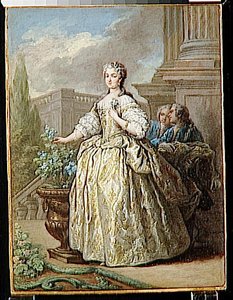
- Retrato de Marie Leszczynska, Reina de Francia – Un notable retrato real.
- Júpiter y Antiope - Muestra temas mitológicos.
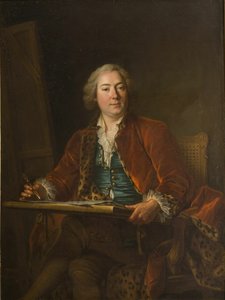
- Autorretrato – Proporciona una visión del auto-concepto del artista.
- Perseo y Andromeda (múltiples versiones) – Ilustra habilidad en la representación de la mitología clásica.
- Mademoiselle Clairon como Medea (pequeña versión) - Un cautivador retrato rococó de 1760.
Patronazgo y Reconocimiento Real
- Patronazgo Real: Disfrutó del patronazgo de Madame de Pompadour y la corte francesa.
- Nombramiento en la Corte: Se convirtió en Primer Pintor del Rey Luis XV en 1762, un puesto prestigioso.
- Orden de San Miguel: Decorado con la Orden de San Miguel, lo que significaba el favor real.
Influencias y Legado
- Influencia Familiar: Fuertemente influenciado por su padre y hermano, ambos pintores consumados.
- Rivalidad: Competía con François Boucher, otro prominente artista rococó.
- Escuela Francesa Moderna: Su "simplicidad de estilo y corrección de diseño" influyó significativamente en la escuela francesa moderna de pintura.
- Fortuna Crítica: Si bien su posición crítica fluctuó con el tiempo, su habilidad y la amplitud de su obra merecen respeto.
Colecciones de Museos y Exploración Adicional
- Presencia en Museos: Sus obras se presentan en museos destacados como el Louvre (El Matrimonio de la Virgen), Kunsthalle Bremen y The Metropolitan Museum of Art.
- Recursos Adicionales:
- Página de ArtsDot sobre Charles-André van Loo: https://www.ArtsDot.com/artists/charles-andre-van-loo/
- Página de ArtsDot sobre los Mayores Artistas de Todos los Tiempos: https://www.ArtsDot.com/greatest-artists
- Museo Virtual de ArtsDot: https://www.ArtsDot.com/
- Artículo de Wikipedia: https://en.wikipedia.org/wiki/Charles-Andr%C3%A9_van_Loo
Charles-André van Loo
1705 - 1765 , Francia
Datos clave
- Artistas Que Influyeron:
- Benedetto Luti
- Pierre Le Gros
- Escuela Francesa Moderna: Influenciado
- Fecha De Fallecimiento: 15 de julio de 1765
- Fecha De Nacimiento: 15 de febrero de 1705
- Lugar De Nacimiento: Niza, Francia
- Movimiento Artístico: Rococó
- Nacionalidad: Francés
- Nombre Completo: Charles-André van Loo
- Obras Notables:
- Venus y Amor
- Alto de la Caza
- Retrato de Marie Leszczynska
- Júpiter y Antiope
- Autorretrato
- Perseo y Andrómeda
Artículos relacionados
Las 25 Obras Maestras de Van Gogh: Un Viaje Emocional a Través del Arte
Descubre las 25 obras maestras de Van Gogh, desde 'La Noche Estrellada' hasta sus icónicos girasoles. Explora su vida, técnica impresionista y el profundo significado de cada cuadro. Reproducciones de arte de museo en ArtsDot.com.
Charles-André van Loo: A Study in Rococo Portraiture & the French Court's Artistic Dynamics
Explore the elegant world of Charles-André van Loo, a master of Rococo portraiture at the French court. Discover his life, techniques, and enduring influence on 18th-century art. Hand-painted reproductions available.

Rembrandt van Rijn: Las 25 Obras Maestras que Definen un Genio | Arte, Historia y Decoración
Descubre las 25 obras maestras de Rembrandt van Rijn, el genio del barroco holandés. Explora su historia, técnica y simbolismo en retratos icónicos como 'La Ronda Nocturna'. Encuentra reproducciones de arte exclusivas para decorar tu hogar con ArtsDot.com.

Rococó: 10 Obras Maestras que Definieron una Época | Arte y Decoración en
Descubre las 10 obras maestras del Rococó que marcaron una época. Explora la elegancia de Fragonard, Boucher y Watteau en . Reproducciones de arte de calidad museo para decorar tu hogar con estilo.

Los 10 Maestros del Primitivo Flamenco: Obras que Definen un Arte Inigualable | ArtsDot
Descubre los 10 imprescindibles del Primitivo Flamenco: Jan van Eyck, Robert Campin y más. Explora la historia, simbolismo y técnica de estas obras maestras renacentistas tempranas. Encuentra reproducciones de arte de museo en ArtsDot.com.