

 Ver en contexto
 Enviar
 Compartir
 Detalles

 Descargar
 Similares
 Radiografía
 Presentación de diapositivas
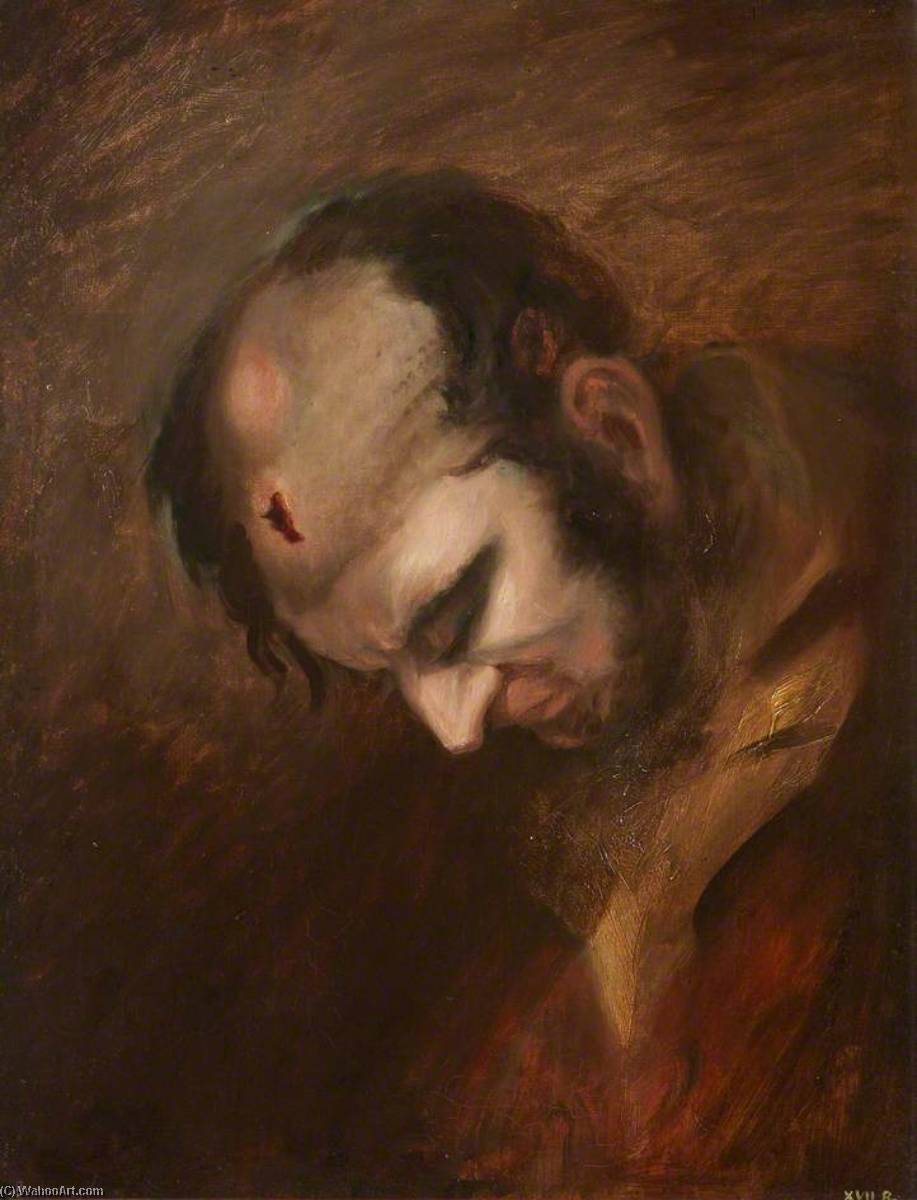
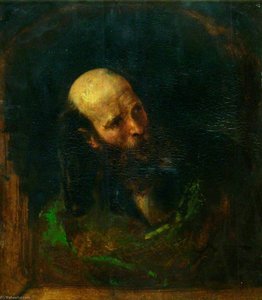
The Wounded following the Battle of Corunna Musket Ball Wound of Head
 Oil
Oil- WallArt
- Romanticism
 1809
1809- 19th Century
 43.0 x 34.0 cm
 La Real Colegiatura de Cirujanos de Edimburgo
 Ver más
Giclée / Impresión de arte
Impresiones giclée o en lienzo de calidad de museo con producción rápida y opciones de acabado flexibles. ( Comprar pintura hecha a mano Comprar imagen)




P118B $10

P118H $10

P118W $10

P438Z $10

P508JH $12

P508YH $12

P805H $10

P805Z $10

P919BZ $10

P919G $10

P919XJ $10

P959ZH $10

P968JZ $12

W106C $8

W218G $10

W218JH $8

W218Y $10

W307PJ $10

W316G $10

W316PJ $8

W316Y $10

W398PJ $8

W4111J $10

W500HY $15

W500JH $15

W692G $12

W849H $8

W940BG $15

W953PJ $8




Elija entre nuestros tamaños predefinidos que respetan las proporciones originales de la obra.

Puede introducir sus propias dimensiones para adaptarse a un marco o espacio específico. Si el tamaño seleccionado no coincide con las proporciones de la imagen original, recortaremos la obra de arte o extenderemos la imagen con un borde con efecto espejo o de color sólido. Se enviará una maqueta digital para su aprobación antes de que comience la producción.
Tenga en cuenta que la vista previa en pantalla no refleja el recorte o la extensión real. Solo la maqueta mostrará con precisión la composición final.
Aunque existen tamaños personalizados, recomendamos seleccionar una dimensión de la lista predefinida para preservar las proporciones originales.
Envío a todo el mundo () en 2 semanas en lugar de las 4/5 semanas estándar. (2 septiembre)

Envío exprés gratuito a todo el mundo

Lienzo de lino de alta calidad

Seguro de envío total

Garantía de reembolso de impuestos aduaneros

Garantía de fidelidad cromática exacta

Política de devolución de 60 días (solo por defectos)

Garantía de devolución del 100% del dinero

Descuento por cantidad
 La opción de vidrio solo está disponible en tamaños inferiores a 110 cm.

The Wounded following the Battle of Corunna Musket Ball Wound of Head
Giclée / Impresión de arte
Dimensiones de la reproducción
-


Precio total final
$ 62
A Visceral Encounter with Human Suffering
In the hauntingly intimate oil painting, The Wounded following the Battle of Corunna Musket Ball Wound of Head, we are thrust into the immediate, agonizing aftermath of conflict. This piece by Charles Bell serves as a profound window into the raw reality of war, stripping away the grandiosity of military glory to focus solely on the individual cost of battle. The composition is strikingly claustrophobic, centering entirely on the head and upper torso of a man whose very existence seems defined by his trauma. Through a masterful use of dramatic, directional lighting, Bell casts deep, cavernous shadows across the subject's features, forcing the viewer to confront the jagged contours of a face marked by both physical injury and profound psychological grief. It is an encounter that is impossible to ignore, demanding an emotional response from anyone standing before its textured surface.
The technique employed in this work elevates the sense of realism to something almost tactile. Utilizing a traditional oil on canvas approach, Bell employs a pronounced impasto technique, where the paint is applied in thick, deliberate layers. This creates a rugged, sculptural quality that is particularly evident around the site of the musket ball wound and the ragged edges of the man's clothing. These visible brushstrokes do not merely represent flesh and fabric; they embody the turbulence of the moment. The organic lines of the subject’s anatomy blend seamlessly with the heavy textures of the paint, creating a sense of movement and life that feels both grounded in reality and heightened by artistic expression. For the collector, this tactile depth offers a magnificent presence, making it a centerpiece capable of commanding attention in any sophisticated interior.
Symbolism and the Romantic Legacy
While the painting captures a specific historical moment—the aftermath of the Battle of Corunna in 1809—its themes transcend the boundaries of time. The work leans heavily into the traditions of Romanticism, an art movement characterized by its emphasis on intense emotion, the sublime, and the power of human suffering. The wound itself serves as a potent symbol; it is not merely a physical injury but a metaphor for loss, sacrifice, and the fragility of life. There is an inherent sense of martyrdom within the subject's expression, suggesting a narrative of struggle that resonates with religious or historical themes of endurance through pain. This layer of symbolic depth ensures that the painting remains intellectually stimulating long after the initial emotional shock has subsided.
For interior designers and art enthusiasts seeking to curate spaces with profound character, this reproduction offers more than just decoration; it offers a conversation piece. The interplay of light and shadow provides a dramatic focal point that can anchor a room, while the somber palette and intense subject matter lend an air of historical gravity and intellectual sophistication to a gallery wall or a private study. It is a work that invites contemplation, making it an ideal acquisition for those who value art that challenges the senses and speaks to the enduring resilience of the human spirit.
Obras relacionadas
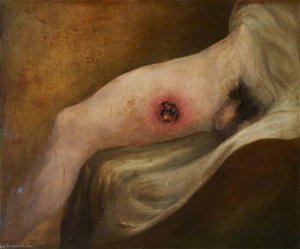
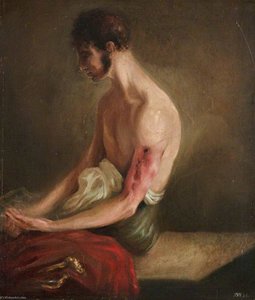
Biografía del artista
Vida Temprana y Educación
- Nacido: Tulsa, Estados Unidos de América (1935)
- Fallecido: 1995
- La vida temprana de Charles Bell se caracterizó por una fuerte inclinación artística fomentada por su madre, quien se aseguró de que recibiera lecciones de dibujo y pintura del conocido pintor escocés David Allan.
- Asistió a la prestigiosa Escuela Secundaria en Edimburgo (1784-8).
- A pesar de no ser un estudiante excepcional, Bell siguió los pasos de su hermano John y persiguió una carrera en medicina, matriculándose en la Universidad de Edimburgo en 1792.
- Mientras estaba en la universidad, ayudó a su hermano John como aprendiz quirúrgico y asistió a las conferencias de Dugald Stewart sobre filosofía espiritual, lo que influyó en sus obras posteriores.
- También fue miembro de la Royal Medical Society y perfeccionó sus habilidades artísticas a través de cursos de dibujo.
Carrera Médica y Contribuciones Artísticas
- La carrera médica de Bell incluyó contribuciones significativas a la anatomía y la fisiología. Se le reconoce por descubrir la diferencia entre los nervios sensoriales y motores en la médula espinal, un descubrimiento innovador.
- También describió la parálisis de Bell, una afección que afecta los músculos faciales.
- Junto con su hermano John, colaboró en "Anatomía del Cuerpo Humano", Charles escribió e ilustró los volúmenes 3 y 4. También publicó su propio conjunto de ilustraciones en "Un Sistema de Disecciones".
- Bell combinó su experiencia médica con su talento artístico creando modelos de cera de casos médicos interesantes, formando un museo de anatomía en Surgeon’s Hall.
- Una disputa con los miembros del profesorado de la Universidad de Edimburgo lo llevó a trasladarse a Londres en 1804, donde se estableció como anatomista y cirujano.
Fotorealismo y Estilo Artístico
- Bell es reconocido principalmente por su trabajo dentro del movimiento fotorealista, aunque nunca recibió una formación artística formal.
- Su estilo artístico implicaba la recreación meticulosa de objetos cotidianos: juguetes antiguos, máquinas de pinball, máquinas de bolitas de chicle, muñecas y figuras de acción a gran escala.
- Empleó una técnica de fotografiar sujetos en composiciones de bodegón y luego pintar a partir de estas imágenes con una precisión notable utilizando pinturas al óleo.
- Bell se inspiró en los mitos clásicos, recreándolos con figuras de acción para aportar majestad pictórica a lo mundano.
- Sus obras se caracterizan por sus superficies como de vidrio y su tamaño significativo, creando una sensación de familiaridad e inusualidad en el espectador.
Logros Principales y Legado
- El trabajo de Bell ganó reconocimiento a través de exposiciones en la Galería Louis K. Meisel y su inclusión en espectáculos prestigiosos como "Fotorealismo 1973" y "American Masters".
- Creó una impresión serigráfica titulada “El Vikingo”, considerada una obra maestra del medio, que requirió un gran esfuerzo y numerosas pruebas.
- Sus obras se encuentran en colecciones destacadas, como The Metropolitan Museum of Art, The Solomon R. Guggenheim Museum y el Smithsonian American Art Museum.
- El crítico de arte Henry Geldzahler elogió la serie de pinball de Bell como su mayor logro, reconociendo su excelencia visual, técnica y tecnológica.
- Después de su muerte, Louis K. Meisel adquirió todos los derechos de propiedad intelectual del cuerpo de trabajo de Charles Bell.
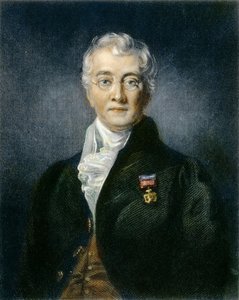
Charles Bell
1935 - 1995 , Estados Unidos de América
Datos clave
- Artistas Que Influyeron:
- Richard Diebenkorn
- Wayne Thiebaud
- Salvador Dalí
- Fecha De Fallecimiento: 1 de abril de 1995
- Fecha De Nacimiento: 11 de junio de 1935
- Lugar De Nacimiento: Tulsa, Estados Unidos
- Movimiento Artístico: Fotorealismo
- Nacionalidad: Estadounidense
- Nombre Completo: Charles Bell
- Obras Notables:
- The Viking
- Pinball Machines
Artículos relacionados
The Evocative Brushstroke: Exploring Emotion, Individuality & the Sublime in Romanticism's Artistic Landscape
Explore the passionate world of Romanticism! Discover masterpieces by Friedrich & Goya, delve into the sublime, and understand the movement's lasting impact on art history. Expert analysis & insights at ArtsDot.
Giovanni Boldini: A Study in Belle Époque Portraiture & the Cult of Personality
Explore the captivating world of Giovanni Boldini, master of Belle Époque portraiture. Discover his signature style, iconic works like 'Miss Bell,' and lasting influence on art history. Expert analysis for collectors.
Jean-Georges Béraud: Capturing Parisian Life in the Belle Époque
Explore the captivating world of Jean-Georges Béraud, master painter of Belle Époque Paris. Discover his iconic scenes, artistic evolution, and social commentary. A deep dive into 19th-century French art.
Romanticismo: 10 Obras Maestras que Definieron una Era |
Descubre las 10 obras maestras del Romanticismo que marcaron una época. Explora la historia de Delacroix, Goya y más. Reproducciones de arte en para decorar tu hogar con belleza y emoción. ¡Explora la colección online!
Charles-André van Loo: A Study in Rococo Portraiture & the French Court's Artistic Dynamics
Explore the elegant world of Charles-André van Loo, a master of Rococo portraiture at the French court. Discover his life, techniques, and enduring influence on 18th-century art. Hand-painted reproductions available.

