

 Ver en contexto
 Enviar
 Compartir
 Detalles

 Descargar
 Similares
 Radiografía
 Presentación de diapositivas
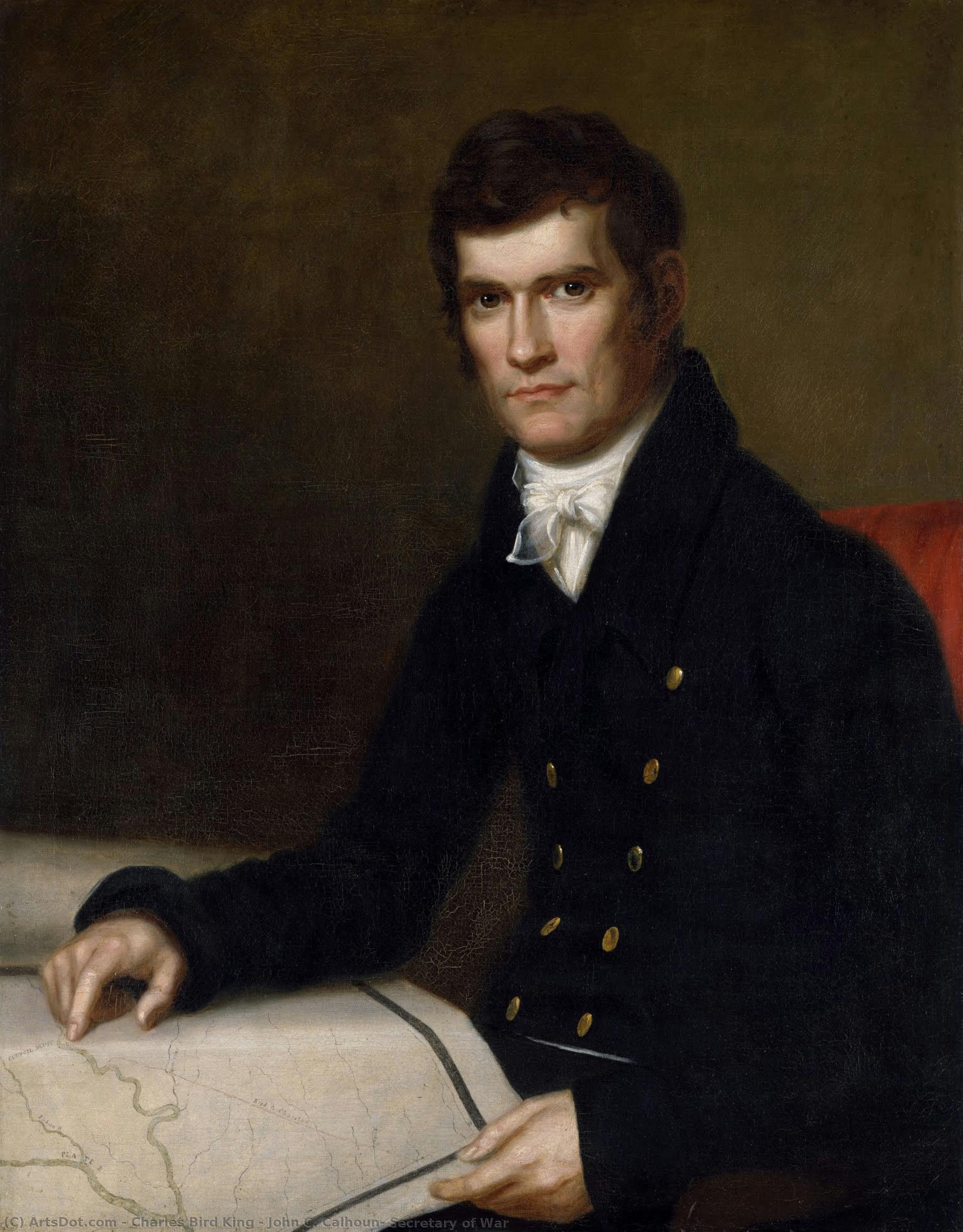
John C. Calhoun, Secretary of War
 Oil On Canvas
- WallArt
- Academic Realism
 91.0 x 72.0 cm
 Museo de Arte Chrysler
 Ver más
Adquiera una imagen digital de alta resolución y optimizada, muy superior a la vista previa en línea.
Cada archivo es preparado meticulosamente por nuestros especialistas internos mediante el uso de herramientas avanzadas y un experto retoque manual. Nos aseguramos de que cada imagen posea una claridad excepcional, una precisión cromática impecable y un detalle minucioso.
El archivo final se entrega por correo electrónico en un plazo de 72 horas, optimizado para su uso inmediato en entornos profesionales, editoriales y de impresión. Esta es la misma calidad en la que confían los estudios de diseño, las editoriales y las galerías de primer nivel.
Imagen Digital
Descarga un archivo de alta resolución para exhibición personal, impresión y proyectos creativos. ( Comprar impresión Comprar pintura hecha a mano)
Incluido en cada pedido de imágenes digitales
Entrega digital experta, garantizada.
Al elegir ArtsDot.com, no solo está adquiriendo una imagen; está recibiendo una obra de arte digital mejorada profesionalmente, elaborada con precisión y respaldada por una garantía de satisfacción. Esto es todo lo que incluye su pedido, automáticamente:

Entrega rápida por email
Recibirá su archivo de imagen digital en alta resolución por correo electrónico en un plazo de 72 horas tras realizar su pedido, listo para su uso inmediato.

Archivo digital optimizado por IA
Su obra de arte se optimiza profesionalmente mediante herramientas avanzadas de IA y edición manual, garantizando el máximo detalle, claridad y precisión cromática.

Reenvío gratuito de por vida
¿Has borrado o perdido tu archivo por error? No te preocupes: te lo volveremos a enviar en cualquier momento, sin coste adicional.

Sin gastos de importación, siempre
Disfrute de su obra de arte al instante sin aduanas, aranceles ni gastos de envío; las descargas digitales siempre están libres de impuestos.

Garantía de fidelidad de color
Garantizamos que su imagen digital refleje los colores originales con la mayor fidelidad posible, mediante el uso de herramientas profesionales y gestión del color.

Garantía de satisfacción de 60 días
Si no está satisfecho con su imagen digital, la revisaremos o le reembolsaremos el 100% en un plazo de 60 días, sin preguntas.

100% Garantía de devolución de dinero
¿No está satisfecho? Obtenga un reembolso completo dentro de los 60 días posteriores a la recepción de su archivo digital, sin necesidad de explicaciones.

Descuentos por pedidos grandes
Compra 3 imágenes, ahorra 10% - Compra 5, ahorra 15% - Compra 10+, ahorra 20%. Ideal para proyectos creativos, galerías y agencias.
Descripción del coleccionable
A Portrait of Power and Principle: John C. Calhoun by Charles Bird King
The oil painting “John C. Calhoun, Secretary of War,” executed in 1818 by the American artist Charles Bird King, is more than a simple likeness; it’s a carefully constructed tableau of political ambition, Southern identity, and the burgeoning complexities of early America. King, deeply influenced by European artistic traditions – particularly Dutch masters known for their dramatic lighting and meticulous detail – rendered Calhoun not merely as a man, but as an embodiment of his era's fervent debates over federalism, states’ rights, and the future of the nation. The painting immediately commands attention with its masterful use of chiaroscuro, a technique borrowed from Rembrandt, which casts Calhoun in a pool of deep shadow, emphasizing the severity of his features and lending him an air of formidable authority.The Man and His Moment
John Caldwell Calhoun (1782-1850) was a pivotal figure in the early republic, serving as Secretary of War under President James Monroe. A staunch advocate for limited government and states’ rights, he became increasingly associated with the South's defense of slavery and its resistance to federal overreach. King’s portrait captures Calhoun at a critical juncture – a man poised on the cusp of shaping national policy through his powerful arguments in Congress. The map spread before him isn’t merely a backdrop; it represents Calhoun’s strategic vision for westward expansion, particularly concerning the Missouri Compromise and the contentious issue of slavery's extension into new territories. His pointed finger directs our gaze towards these proposed fortifications, symbolizing his belief in federal intervention to secure Southern interests.Technique and Artistic Influence
King’s skill lies not just in replicating a likeness but in imbuing it with character and psychological depth. He employed a meticulous academic style, characteristic of the era, prioritizing anatomical accuracy and realistic detail. Notice the careful rendering of Calhoun's suit – the rich textures of the fabric, the subtle sheen of the buttons, all meticulously painted to convey wealth and status. The artist’s use of color is restrained yet effective, dominated by deep browns, grays, and ochres, reflecting the seriousness of the subject matter. However, King subtly incorporates elements of Dutch portraiture – a penchant for dramatic lighting, a focus on capturing the sitter's inner character—demonstrating his artistic education in London before returning to America. The composition itself is carefully balanced, drawing the eye to Calhoun’s face and hands while simultaneously conveying a sense of intellectual engagement with the strategic map.Symbolism and Legacy
Beyond a straightforward portrait, “John C. Calhoun” carries significant symbolic weight. The stern expression on Calhoun's face reflects his unwavering conviction in his political beliefs, even when those beliefs proved deeply divisive. The map represents not just military strategy but also the broader struggle over power between the federal government and individual states. Furthermore, the painting serves as a visual record of a man who profoundly shaped – and ultimately contributed to fracturing—the American experiment. While King’s artistic talent is undeniable, it's important to acknowledge the complex historical context surrounding this portrait: its depiction of a controversial figure whose legacy continues to be debated today. It stands as a powerful reminder of the tensions that defined early America and the enduring questions about power, liberty, and the future of the nation. Reproductions of this work offer a valuable window into a pivotal period in American history, inviting viewers to contemplate the complexities of Calhoun’s life and his lasting impact on the country.Obras relacionadas
Biografía del artista
Primeros años y formación
Charles Bird King, un destacado artista estadounidense de retratos, nació el 26 de septiembre de 1785 en Newport, Rhode Island. Era el único hijo de Deborah Bird y el capitán Zebulon King, un veterano de la Revolución Americana. Tras la prematura muerte de su padre a manos de nativos americanos cerca de Marietta, Ohio, cuando Charles tenía solo cuatro años, él y su madre regresaron a Newport.Desarrollo artístico
A los 15 años, King comenzó su viaje artístico bajo la tutela del pintor de retratos Edward Savage en Nueva York. Posteriormente se trasladó a Londres para estudiar con el renombrado Benjamin West en la Royal Academy durante siete años. Esta exposición a los estilos artísticos europeos influyó significativamente en su obra. Al regresar a los Estados Unidos debido a la Guerra de 1812, King trabajó en Filadelfia, Baltimore y Richmond antes de establecerse en Washington, D.C., atraído por sus oportunidades económicas.Obras notables y estilo
Los retratos de King de líderes nativos americanos y miembros de tribus son particularmente dignos de mención. Algunas de sus obras más celebradas incluyen:- John C. Calhoun, secretario de guerra, que muestra el espíritu ambicioso del político (actualmente en el Museo Chrysler del Arte en Norfolk, Estados Unidos).
- Kee-shes-wa, un jefe fox, un testimonio de su habilidad para capturar a los líderes nativos americanos.
- Jack-o-pa, un jefe chippeway [chippewa], otro ejemplo de su experiencia en el retrato.
- Teh-ro-hon, un guerrero ioway, que refleja su capacidad para capturar la esencia de los guerreros nativos americanos.
- Co-sne-boin, un retrato que muestra su dominio sobre diversos sujetos.
Legado e impacto
El éxito económico de King se puede atribuir a su habilidad para socializar con la gente adinerada y relacionarse con políticos bien educados. Sus mecenas incluyeron figuras prominentes como John Quincy Adams, Henry Clay, James Monroe y Daniel Webster. A pesar de nunca haberse casado, King vivió en Washington hasta su muerte el 18 de marzo de 1862. Dejó atrás una colección de pinturas, libros e impresiones para la Biblioteca y Ateneo Redwood. Puntos clave:- Fue elegido académico honorario de la National Academy of Design en 1827.
- Se le conoce por sus manierismos europeos tradicionales adaptados a los sujetos nativos americanos.
- Su obra se caracteriza por una mezcla de influencias holandesas y del norte de Europa, lo que refleja su tiempo en la Royal Academy.
- Explore más obras de Charles Bird King en ArtsDot.
- Conozca a otros artistas como Moroni, Giovanni Battista, conocidos por sus retratos realistas, en la página del artista de ArtsDot.
- Descubra la evolución del arte occidental a través de los siglos en la línea de tiempo del arte wahoo.
Referencias:
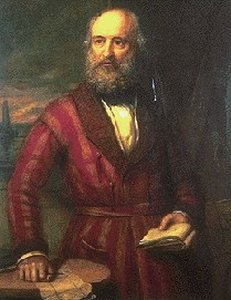
Charles Bird King
1785 - 1862 , Estados Unidos de América
Breves datos
- Artistas Que Influyeron En Este Artista:
- Benjamin West
- Edward Savage
- Fecha De Muerte: 18 de marzo de 1862
- Fecha De Nacimiento: 26 de septiembre de 1785
- Lugar De Nacimiento: Newport News, EE. UU.
- Movimiento Artístico O Estilo: Retrato, influencias europeas
- Nacionalidad: Estadounidense
- Nombre Completo: Charles Bird King
- Obras Notables:
- John C. Calhoun, secretario de guerra
- Kee-shes-wa, un jefe fox
- Jack-o-pa, un jefe chippeway
- Teh-ro-hon, un guerrero ioway

