

 Vista previa
 Compartir
 Compartir
 Ver detalles

 Descargar
 Ver similares
 Radiografía
 Presentación de diapositivas
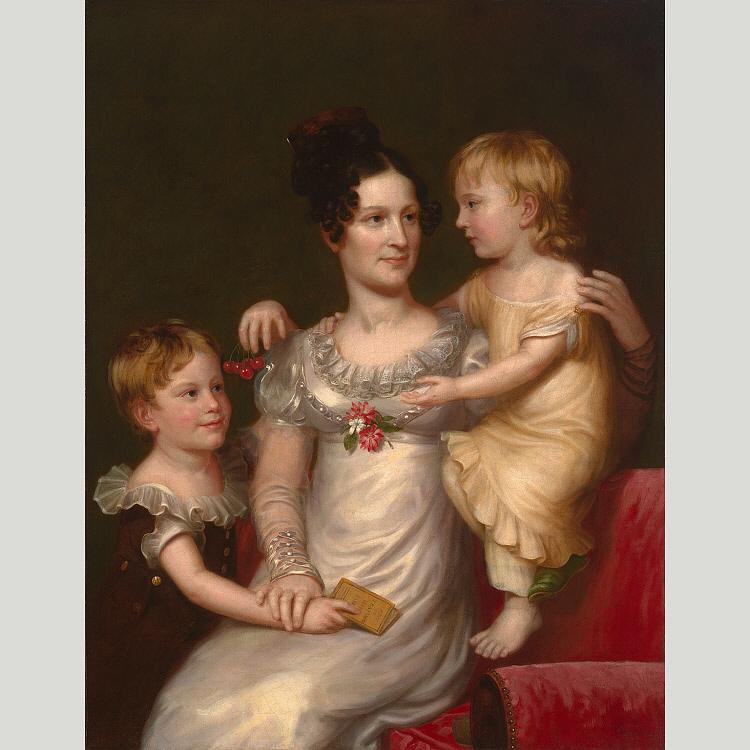
Sarah Weston Seaton with her Children Augustine and Julia
 Oil
Oil- WallArt
- American Portraiture
 1815
1815- 19th Century
 112.0 x 87.0 cm
 Leer más
Giclée / Impresión de arte
Impresiones giclée o en lienzo de calidad de museo con producción rápida y opciones de acabado flexibles. ( Encargar reproducción pintada a mano Comprar descarga)




































Elija entre nuestros tamaños predefinidos que respetan las proporciones originales de la obra.

Puede introducir sus propias dimensiones para adaptarse a un marco o espacio específico. Si el tamaño seleccionado no coincide con las proporciones de la imagen original, recortaremos la obra de arte o extenderemos la imagen con un borde con efecto espejo o de color sólido. Se enviará una maqueta digital para su aprobación antes de que comience la producción.
Tenga en cuenta que la vista previa en pantalla no refleja el recorte o la extensión real. Solo la maqueta mostrará con precisión la composición final.
Aunque existen tamaños personalizados, recomendamos seleccionar una dimensión de la lista predefinida para preservar las proporciones originales.
Envío a todo el mundo () en 2 semanas en lugar de las 4/5 semanas estándar. (22 agosto)

Envío exprés gratuito a todo el mundo

Lienzo de lino de alta calidad

Seguro de envío completo

Garantía de reembolso de aranceles aduaneros

Garantía de fidelidad cromática exacta

Política de devolución de 60 días (solo por defectos)

Garantía de devolución del 100% del dinero

Oferta por volumen
 La opción de vidrio solo está disponible en tamaños inferiores a 110 cm.

Sarah Weston Seaton with her Children Augustine and Julia
Giclée / Impresión de arte
Tamaño de la reproducción
-


Precio total
$ 62
Descripción de la pieza
A Tender Legacy Captured in Oil
In the quiet intimacy of Charles Bird King’s 1815 masterpiece, Sarah Weston Seaton with her Children Augustine and Julia, we are invited into a private sanctuary of maternal devotion. This exquisite portrait serves as more than a mere likeness; it is a window into the domestic heart of early nineteenth-century American life. The composition centers on Sarah Weston Seaton, whose poised yet gentle presence anchors the scene. Seated with an air of quiet grace, she holds a book—a subtle nod to the intellect and cultivation expected of her station—while her children, Augustine and Julia, surround her in a display of pure, unscripted affection. One child rests upon her lap, anchored by her warmth, while the other stands beside her, eyes wandering toward an unseen point of interest, perhaps caught in a moment of childhood wonder. The presence of another figure softly receding into the background adds a layer of lived-in reality to the scene, suggesting a bustling, vibrant household where love and lineage are nurtured daily.
The technical mastery of Charles Bird King is on full display through his delicate handling of light and texture. As an artist who rose to prominence by capturing both the political elite and the profound dignity of Native American leaders, King brings a sophisticated, Dutch-influenced sensibility to this family portrait. His brushwork breathes life into the soft fabrics of the children's garments and the subtle sheen of the surroundings, creating a tactile experience for the viewer. The lighting is masterfully orchestrated to cast a warm, golden glow over the subjects, emphasizing the softness of skin and the tender expressions that define this familial bond. This luminous quality does not merely illuminate the figures; it imbues the entire canvas with an emotional warmth, transforming a formal commission into a timeless celebration of human connection.
An Elegant Addition to the Refined Interior
For the discerning collector or interior designer, this painting offers a profound sense of historical continuity and emotional depth. The artwork transcends simple decoration, acting as a focal point that commands attention through its narrative richness rather than mere spectacle. Its palette, characterized by earthy tones and soft highlights, possesses a versatile elegance that complements both classical and contemporary settings. Whether placed in a sun-drenched morning room or a stately library, the painting introduces an atmosphere of tranquility and sophisticated nostalgia.
Investing in a high-quality reproduction of this work allows one to bring the storied history of American portraiture into the modern home. The piece serves as a conversation starter, inviting guests to contemplate the enduring themes of motherhood, growth, and the sanctity of the family unit. It is an ideal selection for those seeking to infuse their living spaces with a sense of heritage, grace, and the quiet beauty of a moment frozen in time.
Obras relacionadas
Biografía del artista
Primeros años y formación
Charles Bird King, un destacado artista estadounidense de retratos, nació el 26 de septiembre de 1785 en Newport, Rhode Island. Era el único hijo de Deborah Bird y el capitán Zebulon King, un veterano de la Revolución Americana. Tras la prematura muerte de su padre a manos de nativos americanos cerca de Marietta, Ohio, cuando Charles tenía solo cuatro años, él y su madre regresaron a Newport.Desarrollo artístico
A los 15 años, King comenzó su viaje artístico bajo la tutela del pintor de retratos Edward Savage en Nueva York. Posteriormente se trasladó a Londres para estudiar con el renombrado Benjamin West en la Royal Academy durante siete años. Esta exposición a los estilos artísticos europeos influyó significativamente en su obra. Al regresar a los Estados Unidos debido a la Guerra de 1812, King trabajó en Filadelfia, Baltimore y Richmond antes de establecerse en Washington, D.C., atraído por sus oportunidades económicas.Obras notables y estilo
Los retratos de King de líderes nativos americanos y miembros de tribus son particularmente dignos de mención. Algunas de sus obras más celebradas incluyen:- John C. Calhoun, secretario de guerra, que muestra el espíritu ambicioso del político (actualmente en el Museo Chrysler del Arte en Norfolk, Estados Unidos).
- Kee-shes-wa, un jefe fox, un testimonio de su habilidad para capturar a los líderes nativos americanos.
- Jack-o-pa, un jefe chippeway [chippewa], otro ejemplo de su experiencia en el retrato.
- Teh-ro-hon, un guerrero ioway, que refleja su capacidad para capturar la esencia de los guerreros nativos americanos.
- Co-sne-boin, un retrato que muestra su dominio sobre diversos sujetos.
Legado e impacto
El éxito económico de King se puede atribuir a su habilidad para socializar con la gente adinerada y relacionarse con políticos bien educados. Sus mecenas incluyeron figuras prominentes como John Quincy Adams, Henry Clay, James Monroe y Daniel Webster. A pesar de nunca haberse casado, King vivió en Washington hasta su muerte el 18 de marzo de 1862. Dejó atrás una colección de pinturas, libros e impresiones para la Biblioteca y Ateneo Redwood. Puntos clave:- Fue elegido académico honorario de la National Academy of Design en 1827.
- Se le conoce por sus manierismos europeos tradicionales adaptados a los sujetos nativos americanos.
- Su obra se caracteriza por una mezcla de influencias holandesas y del norte de Europa, lo que refleja su tiempo en la Royal Academy.
- Explore más obras de Charles Bird King en ArtsDot.
- Conozca a otros artistas como Moroni, Giovanni Battista, conocidos por sus retratos realistas, en la página del artista de ArtsDot.
- Descubra la evolución del arte occidental a través de los siglos en la línea de tiempo del arte wahoo.
Referencias:
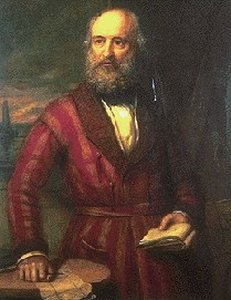
Charles Bird King
1785 - 1862 , Estados Unidos de América
Datos clave
- Artistas Que Influyeron En Este Artista:
- Benjamin West
- Edward Savage
- Fecha De Muerte: 18 de marzo de 1862
- Fecha De Nacimiento: 26 de septiembre de 1785
- Lugar De Nacimiento: Newport News, EE. UU.
- Movimiento Artístico O Estilo: Retrato, influencias europeas
- Nacionalidad: Estadounidense
- Nombre Completo: Charles Bird King
- Obras Notables:
- John C. Calhoun, secretario de guerra
- Kee-shes-wa, un jefe fox
- Jack-o-pa, un jefe chippeway
- Teh-ro-hon, un guerrero ioway
Artículos relacionados
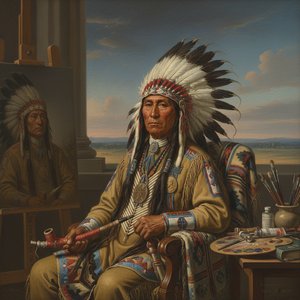
Charles Bird King: Capturing Native American Dignity Through Portraiture & Cultural Exchange
Explore the captivating portraits of Charles Bird King, renowned for his depictions of Native American leaders. Discover the historical context, artistic techniques, and collecting value of these significant 19th-century artworks.
Evolución de los Retratos: El Arte Personalizado como Crónica de la Vida Familiar a Través de las Generaciones
Descubre la evolución del retrato familiar y cómo convertir tus recuerdos en obras de arte atemporales. Pinturas al óleo personalizadas por artistas expertos. ¡Preserva tu legado con ArtsDot!
Feathered Visions: A Historical & Artistic Exploration of Birds in Painting
Explore the rich history of birds in painting! Discover symbolism, artistic movements & master artists like Audubon. High-quality reproductions available at ArtsDot.
The Enduring Legacy of Family Portraiture: A Historical & Artistic Exploration
Explore the rich history of family portraiture with ArtsDot. Discover artistic styles, symbolism & collecting insights. Commission a custom oil painting or appraise your existing artwork today!
Ecos de la Ancestralidad: Retratos Familiares a Través de la Historia
Descubra la historia y el simbolismo del retrato familiar a través de los siglos. En , revive tu legado con reproducciones y comisiones personalizadas.

