

 Ver en contexto
 Enviar
 Compartir
 Detalles

 Descargar
 Similares
 Radiografía
 Presentación de diapositivas
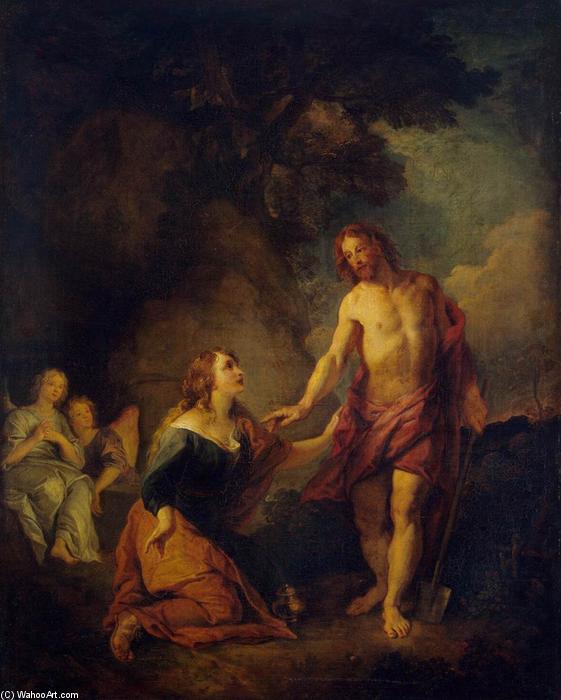
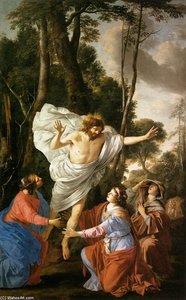
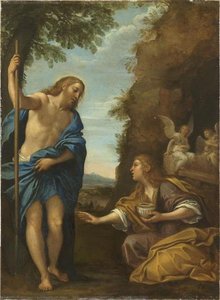
Christ Appearing to Mary Magdalene
 Acrylic On Canvas
- WallArt
- Baroque
 1680
1680 81.0 x 65.0 cm
 Museo del Hermitage
 Ver más
Adquiera una imagen digital de alta resolución y optimizada, muy superior a la vista previa en línea.
Cada archivo es preparado meticulosamente por nuestros especialistas internos mediante el uso de herramientas avanzadas y un experto retoque manual. Nos aseguramos de que cada imagen posea una claridad excepcional, una precisión cromática impecable y un detalle minucioso.
El archivo final se entrega por correo electrónico en un plazo de 72 horas, optimizado para su uso inmediato en entornos profesionales, editoriales y de impresión. Esta es la misma calidad en la que confían los estudios de diseño, las editoriales y las galerías de primer nivel.
Imagen Digital
Descarga un archivo de alta resolución para exhibición personal, impresión y proyectos creativos. ( Comprar impresión Comprar pintura hecha a mano)
Incluido en cada pedido de imágenes digitales
Entrega digital experta, garantizada.
Al elegir ArtsDot.com, no solo está adquiriendo una imagen; está recibiendo una obra de arte digital mejorada profesionalmente, elaborada con precisión y respaldada por una garantía de satisfacción. Esto es todo lo que incluye su pedido, automáticamente:

Entrega rápida por email
Recibirá su archivo de imagen digital en alta resolución por correo electrónico en un plazo de 72 horas tras realizar su pedido, listo para su uso inmediato.

Archivo digital optimizado por IA
Su obra de arte se optimiza profesionalmente mediante herramientas avanzadas de IA y edición manual, garantizando el máximo detalle, claridad y precisión cromática.

Reenvío gratuito de por vida
¿Has borrado o perdido tu archivo por error? No te preocupes: te lo volveremos a enviar en cualquier momento, sin coste adicional.

Sin gastos de importación, siempre
Disfrute de su obra de arte al instante sin aduanas, aranceles ni gastos de envío; las descargas digitales siempre están libres de impuestos.

Garantía de fidelidad de color
Garantizamos que su imagen digital refleje los colores originales con la mayor fidelidad posible, mediante el uso de herramientas profesionales y gestión del color.

Garantía de satisfacción de 60 días
Si no está satisfecho con su imagen digital, la revisaremos o le reembolsaremos el 100% en un plazo de 60 días, sin preguntas.

100% Garantía de devolución de dinero
¿No está satisfecho? Obtenga un reembolso completo dentro de los 60 días posteriores a la recepción de su archivo digital, sin necesidad de explicaciones.

Descuentos por pedidos grandes
Compra 3 imágenes, ahorra 10% - Compra 5, ahorra 15% - Compra 10+, ahorra 20%. Ideal para proyectos creativos, galerías y agencias.
The Divine Encounter: Charles de La Fosse’s “Christ Appearing to Mary Magdalene”
Within the hallowed halls of the Hermitage Museum resides a painting that transcends mere representation, offering instead a profound meditation on faith, redemption, and the enduring power of divine grace. Charles de La Fosse's "Christ Appearing to Mary Magdalene," completed around 1680, is not simply a depiction of a biblical scene; it’s a carefully constructed tableau brimming with Baroque drama, subtle symbolism, and an undeniable emotional resonance. The painting captures a pivotal moment – the revelation of Christ to his devoted disciple, Mary Magdalene – rendered with a masterful blend of classical restraint and burgeoning Rococo sensibility.
The composition immediately draws the eye to the central figures: Jesus, radiating a serene yet powerful light, and Mary Magdalene, kneeling in humble reverence. The setting is deliberately evocative; a cave-like space, subtly illuminated by an unseen source, creates an atmosphere of intimacy and spiritual intensity. A solitary tree stands sentinel behind them, its branches reaching upwards as if mirroring the ascent to heaven. This deliberate choice of location—a naturalistic backdrop juxtaposed with the divine encounter—heightens the painting’s symbolic weight.
A Master of French Baroque: The Life and Art of Charles de La Fosse
Charles de La Fosse (1636-1716) emerged as a pivotal figure in the flourishing world of French Baroque painting. Trained under the influential Charles Le Brun, he initially embraced the rigorous principles of academic art, yet subtly began to incorporate elements that would foreshadow the lighter, more fluid style of the Rococo era. His travels through Italy exposed him to the grandeur of Venetian masters like Veronese, influencing his use of light and color—particularly in the luminous depiction of Christ’s presence. La Fosse's work reflects a deep understanding of religious iconography combined with an evolving artistic vision, making him a transitional figure between two distinct styles.
The painting’s meticulous detail is evident in every brushstroke – from the folds of Mary Magdalene’s garments to the texture of Christ’s beard. La Fosse's technique showcases his command of chiaroscuro, employing dramatic contrasts of light and shadow to emphasize key elements and create a sense of depth and volume. The subtle gradations of color contribute to the painting’s overall atmosphere of solemnity and reverence.
Symbolism and Spiritual Depth
Beyond its technical brilliance, “Christ Appearing to Mary Magdalene” is rich in symbolic meaning. Mary Magdalene's kneeling posture signifies her humility and devotion, while her gaze towards Christ embodies a profound sense of gratitude and acceptance. The presence of the angel-like figure in the background—often interpreted as an intermediary between heaven and earth—underscores the sacred nature of the encounter. The tree itself can be seen as a symbol of life, faith, and connection to God’s divine realm.
Furthermore, the painting speaks to themes of forgiveness and redemption. Mary Magdalene, once associated with sin in popular imagination, is presented here as a figure of profound spiritual transformation—a testament to Christ's boundless mercy and the possibility of new beginnings. The scene powerfully conveys the message that even those who have stumbled can find solace and grace through faith.
A Timeless Legacy: Reproductions and Artistic Inspiration
Today, reproductions of “Christ Appearing to Mary Magdalene” continue to captivate audiences with their beauty and emotional depth. Ocean’s Bridge offers meticulously crafted hand-painted replicas that faithfully capture the essence of La Fosse's original masterpiece. These reproductions are not merely copies; they are works of art in their own right, imbued with the same spirit and artistry as the original. Whether adorning a grand salon or a more intimate space, this painting’s timeless message of faith, hope, and redemption will undoubtedly enrich any setting.
Obras relacionadas

Biografía del artista
A Master of French Baroque: The Life and Art of Charles de La Fosse
Charles de La Fosse (1636–1716) stands as a monumental figure in the annals of French Baroque painting, arguably its apex alongside Charles Le Brun. While biographical details surrounding his formative years remain somewhat sparse—scholarly research continues to illuminate facets of his early life—it is universally acknowledged that he received foundational training within the atelier of Le Brun, cementing his allegiance to classical principles and honing his draughtsmanship skills. This unwavering dedication to academic rigor would permeate his artistic endeavors throughout his illustrious career.From Classical Foundations to Baroque Grandeur
La Fosse’s artistic trajectory was irrevocably shaped by his protracted sojourn in Italy between 1658 and 1663. Immersed within the vibrant artistic milieu of Rome and Venice, he absorbed the dramatic fervor characteristic of Italian Baroque masters like Pietro da Cortona, simultaneously captivated by the luminous color palettes and atmospheric effects pioneered by Venetian luminaries such as Veronese and Correggio. This transformative exposure broadened his artistic horizons, infusing his canvases with newfound vibrancy and emotional depth—a hallmark that would define his distinctive style. Upon returning to France, La Fosse swiftly ascended to prominence as a sought-after decorator, contributing substantially to the opulent interiors of Versailles and numerous aristocratic residences. His diploma piece for the Académie des Beaux-Arts in 1673, *The Rape of Proserpine*, eloquently demonstrated his technical virtuosity and narrative prowess, solidifying his reputation amongst the artistic elite. The painting embodies La Fosse’s ability to synthesize classical mythology with Baroque dynamism—a masterful orchestration of dramatic lighting and expressive figures designed to elicit profound emotional responses from the viewer.A Transatlantic Commission and Parisian Triumph
In 1689, La Fosse undertook a prestigious commission from the Duke of Montagu to embellish Montagu House in London—an undertaking that necessitated two extended expeditions across the Channel. This transatlantic venture showcased his international recognition and underscored his adaptability as an artist, evidenced by his successful engagement with diverse architectural contexts. The decoration of Montagu House, though tragically destroyed centuries later, stands as a testament to La Fosse’s artistic vision and collaborative spirit alongside fellow French luminaries like Rousseau and Monnoyer. Subsequently, he embarked upon what constitutes arguably his most enduring achievement: the monumental fresco adorning the dome and pendentives of Les Invalides between 1702 and 1704—a project that cemented his legacy as a master of illusionistic painting. This ambitious undertaking culminated in a breathtaking celestial panorama—a sublime embodiment of Baroque grandeur that continues to inspire awe and admiration. The stylistic innovations evident at Les Invalides foreshadowed the burgeoning Rococo aesthetic, marking a pivotal juncture in French artistic history.Legacy and Influence
Charles de La Fosse breathed his last in Paris in 1716, bequeathing an indelible mark upon the trajectory of French painting—a testament to his unparalleled talent and enduring influence. His oeuvre transcended mere stylistic adherence; it represented a harmonious fusion of classical tradition and artistic experimentation—a pioneering spirit that paved the way for subsequent generations of artists. La Fosse’s masterful technique—characterized by meticulous detail and profound emotional resonance—combined with his astute understanding of visual storytelling ensured that his works would resonate across centuries. Today, La Fosse’s masterpieces reside in prestigious collections worldwide—primarily within the Louvre Museum—providing invaluable insight into the splendor of Louis XIV's reign and the enduring legacy of Baroque art. Examining his oeuvre unveils a profound appreciation for artistic innovation while honoring the foundational principles of classical aesthetics—a singular contribution to French cultural heritage.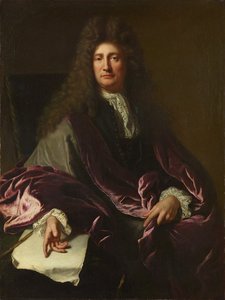
Charles De La Fosse
1636 - 1716 , Francia
Breves datos
- Artistas Que Influyeron: ['Charles Le Brun']
- Fecha De Fallecimiento: 1716
- Fecha De Nacimiento: 1636
- Influenciado A: ['Pintores barrocos tardíos']
- Lugar De Nacimiento: París, Francia
- Movimiento Artístico: Barroco francés
- Nacionalidad: Francés
- Nombre Completo: Charles de La Fosse
- Obras Notables:
- La Virgen en Gloria
- Una escena de batalla

