

 Ver en contexto
 Enviar
 Compartir
 Detalles

 Descargar
 Similares
 Radiografía
 Presentación de diapositivas
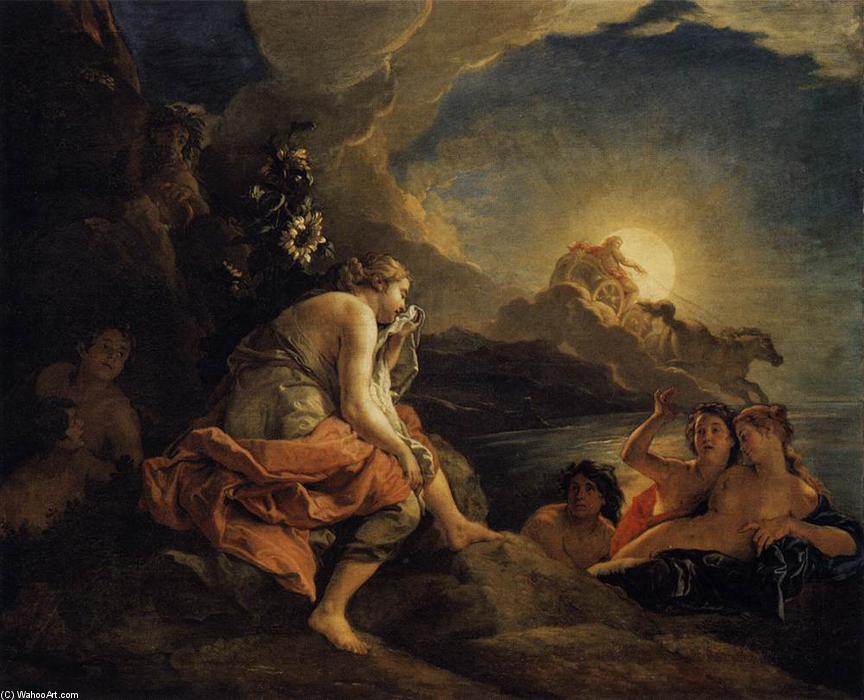
Clytie Transformed into a Sunflower
 Oil On Canvas
- WallArt
- Baroque Grandeur
 1688
1688- Renaissance
 131.0 x 159.0 cm
 Grand Trianón
 Ver más
Reproducción al óleo hecha a mano
Óleo sobre lienzo pintado a mano en el tamaño y marco de su elección, realizado por encargo por nuestros artistas. ( Comprar impresión Comprar imagen)




P118B $10

P118H $10

P118W $10

P438Z $10

P508JH $12

P508YH $12

P805H $10

P805Z $10

P919BZ $10

P919G $10

P919XJ $10

P959ZH $10

P968JZ $12

W106C $8

W218G $10

W218JH $8

W218Y $10

W307PJ $10

W316G $10

W316PJ $8

W316Y $10

W398PJ $8

W4111J $10

W500HY $15

W500JH $15

W692G $12

W849H $8

W940BG $15

W953PJ $8




Elija entre nuestros tamaños predefinidos que respetan las proporciones originales de la obra.

Puede ingresar sus propias dimensiones para adaptarse a un marco o espacio específico. Si el tamaño seleccionado no coincide con las proporciones de la imagen original, recortaremos la obra o extenderemos la pintura con elementos adicionales pintados a mano. Se le enviará una maqueta digital para su aprobación antes de comenzar la producción.
Tenga en cuenta que la vista previa en pantalla no refleja el recorte o la extensión reales. Solo la maqueta mostrará con precisión la composición final.
Si bien existen tamaños personalizados, recomendamos seleccionar una dimensión de la lista predefinida para preservar las proporciones originales.
Tras realizar el pedido, el equipo de ArtsDot.com enviará un correo electrónico al cliente para solicitar instrucciones y proporcionarle una vista previa del boceto.
Envío a todo el mundo () en 3-4 semanas en lugar de las 5 semanas estándar. (30 agosto). Sin comprometer la calidad.

Envío exprés gratuito a todo el mundo

Lienzo de lino de alta calidad

Seguro de envío total

Garantía de reembolso de impuestos aduaneros

Garantía de fidelidad cromática exacta

Política de devolución de 60 días (solo por defectos)

Garantía de devolución del 100% del dinero

Descuento por cantidad
 La opción de vidrio solo está disponible en tamaños inferiores a 110 cm.

Clytie Transformed into a Sunflower
Técnica de reproducción
Dimensiones de la reproducción
-


Precio total final
$ 263
Charles de La Fosse’s “Clytie Transformed into a Sunflower”: A Study in Baroque Grace
The painting "Clytie Transformed into a Sunflower," executed by Charles de La Fosse in 1688, stands as a testament to the burgeoning Rococo style's subtle influence on the artistic sensibilities of Louis XIV’s court. While firmly rooted in Classical foundations – mirroring La Fosse’s training under the tutelage of Charles Le Brun – the artwork possesses an ethereal quality that anticipates the decorative exuberance characteristic of its era, marking it as a pivotal piece within French Baroque art history.Subject Matter and Mythological Narrative
At its core lies a captivating depiction of myth—specifically, the tale of Clytie, Apollo’s rejected lover. The painting portrays Clytie seated upon a rocky outcrop, her gaze directed towards the horizon, embodying both sorrow and acceptance. Surrounding her are figures representing Apollo and Leucothea, symbolizing the tragic love affair that culminated in Clytie's demise and transformation into the sunflower—a plant perpetually turning its face toward the sun, mirroring her unwavering devotion to Apollo despite his abandonment. This narrative choice wasn’t merely decorative; it served as a conduit for exploring themes of loss, perseverance, and ultimately, transcendence. La Fosse skillfully captured the emotional intensity of the myth, conveying Clytie's poignant yearning through nuanced facial expressions and posture.Technique and Artistic Style
La Fosse employed oil paint on canvas—a technique prevalent during his time—to achieve remarkable luminosity and textural detail. The artist’s meticulous brushwork contributes to a velvety surface finish that enhances the painting’s visual richness. Notably, La Fosse subtly departed from the rigid formalism of Classical art, favoring softer contours and delicate color palettes typical of Rococo aesthetics. This stylistic shift is evident in the muted hues employed—primarily yellows and greens—which evoke the warmth of sunlight and the vibrancy of nature. The artist's masterful use of chiaroscuro – dramatic contrasts between light and shadow – further emphasizes Clytie’s figure, drawing attention to her expressive gaze and conveying a sense of solemn beauty.Historical Context: Versailles and Artistic Patronage
“Clytie Transformed into a Sunflower” was created during Louis XIV's reign—a period marked by unparalleled artistic patronage and the establishment of Académie des Beaux-Arts as a cornerstone of French cultural prestige. La Fosse’s commission for the Grand Trianon, alongside other ambitious projects undertaken to embellish Versailles, exemplifies the royal court’s commitment to elevating art as a tool for glorifying monarchy and disseminating humanist ideals. The painting reflects the broader artistic trends of the time—a move away from austere grandeur toward refined elegance and an embrace of mythological subjects imbued with psychological depth.Symbolism: Sunflowers and Eternal Devotion
The sunflower itself carries profound symbolic significance, representing unwavering devotion, resilience, and the pursuit of enlightenment. Its constant orientation towards the sun embodies Clytie’s enduring love for Apollo—a love that transcends physical separation and culminates in spiritual transformation. La Fosse's choice to depict Clytie as a sunflower underscores this central theme, elevating the artwork beyond mere narrative representation into a meditation on human emotion and the power of perseverance. The flower’s golden hue symbolizes Apollo’s radiant glory and Clytie’s unwavering faith—a visual metaphor for her acceptance of fate and her transformation into an emblem of enduring beauty.Emotional Impact: Tranquility Amidst Tragedy
Despite its melancholic subject matter, “Clytie Transformed into a Sunflower” exudes a remarkable serenity. La Fosse's skillful composition—characterized by balanced lines and harmonious color relationships—creates a sense of contemplative stillness that invites viewers to contemplate the complexities of love, loss, and spiritual renewal. The painting’s luminous quality contributes to its emotional resonance, conveying a feeling of ethereal grace and capturing the sublime beauty inherent in accepting life’s inevitable hardships. It remains an enduring masterpiece, demonstrating La Fosse's ability to transform myth into visual poetry—a testament to the transformative power of art itself.Obras relacionadas
Biografía del artista
A Master of French Baroque: The Life and Art of Charles de La Fosse
Charles de La Fosse (1636–1716) stands as a monumental figure in the annals of French Baroque painting, arguably its apex alongside Charles Le Brun. While biographical details surrounding his formative years remain somewhat sparse—scholarly research continues to illuminate facets of his early life—it is universally acknowledged that he received foundational training within the atelier of Le Brun, cementing his allegiance to classical principles and honing his draughtsmanship skills. This unwavering dedication to academic rigor would permeate his artistic endeavors throughout his illustrious career.From Classical Foundations to Baroque Grandeur
La Fosse’s artistic trajectory was irrevocably shaped by his protracted sojourn in Italy between 1658 and 1663. Immersed within the vibrant artistic milieu of Rome and Venice, he absorbed the dramatic fervor characteristic of Italian Baroque masters like Pietro da Cortona, simultaneously captivated by the luminous color palettes and atmospheric effects pioneered by Venetian luminaries such as Veronese and Correggio. This transformative exposure broadened his artistic horizons, infusing his canvases with newfound vibrancy and emotional depth—a hallmark that would define his distinctive style. Upon returning to France, La Fosse swiftly ascended to prominence as a sought-after decorator, contributing substantially to the opulent interiors of Versailles and numerous aristocratic residences. His diploma piece for the Académie des Beaux-Arts in 1673, *The Rape of Proserpine*, eloquently demonstrated his technical virtuosity and narrative prowess, solidifying his reputation amongst the artistic elite. The painting embodies La Fosse’s ability to synthesize classical mythology with Baroque dynamism—a masterful orchestration of dramatic lighting and expressive figures designed to elicit profound emotional responses from the viewer.A Transatlantic Commission and Parisian Triumph
In 1689, La Fosse undertook a prestigious commission from the Duke of Montagu to embellish Montagu House in London—an undertaking that necessitated two extended expeditions across the Channel. This transatlantic venture showcased his international recognition and underscored his adaptability as an artist, evidenced by his successful engagement with diverse architectural contexts. The decoration of Montagu House, though tragically destroyed centuries later, stands as a testament to La Fosse’s artistic vision and collaborative spirit alongside fellow French luminaries like Rousseau and Monnoyer. Subsequently, he embarked upon what constitutes arguably his most enduring achievement: the monumental fresco adorning the dome and pendentives of Les Invalides between 1702 and 1704—a project that cemented his legacy as a master of illusionistic painting. This ambitious undertaking culminated in a breathtaking celestial panorama—a sublime embodiment of Baroque grandeur that continues to inspire awe and admiration. The stylistic innovations evident at Les Invalides foreshadowed the burgeoning Rococo aesthetic, marking a pivotal juncture in French artistic history.Legacy and Influence
Charles de La Fosse breathed his last in Paris in 1716, bequeathing an indelible mark upon the trajectory of French painting—a testament to his unparalleled talent and enduring influence. His oeuvre transcended mere stylistic adherence; it represented a harmonious fusion of classical tradition and artistic experimentation—a pioneering spirit that paved the way for subsequent generations of artists. La Fosse’s masterful technique—characterized by meticulous detail and profound emotional resonance—combined with his astute understanding of visual storytelling ensured that his works would resonate across centuries. Today, La Fosse’s masterpieces reside in prestigious collections worldwide—primarily within the Louvre Museum—providing invaluable insight into the splendor of Louis XIV's reign and the enduring legacy of Baroque art. Examining his oeuvre unveils a profound appreciation for artistic innovation while honoring the foundational principles of classical aesthetics—a singular contribution to French cultural heritage.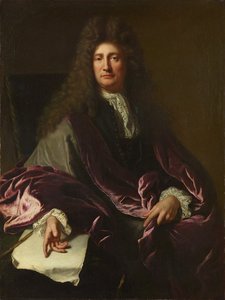
Charles De La Fosse
1636 - 1716 , Francia
Datos clave
- Artistas Que Influyeron: ['Charles Le Brun']
- Fecha De Fallecimiento: 1716
- Fecha De Nacimiento: 1636
- Influenciado A: ['Pintores barrocos tardíos']
- Lugar De Nacimiento: París, Francia
- Movimiento Artístico: Barroco francés
- Nacionalidad: Francés
- Nombre Completo: Charles de La Fosse
- Obras Notables:
- La Virgen en Gloria
- Una escena de batalla
Artículos relacionados
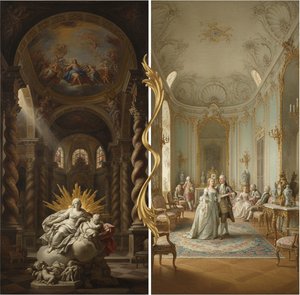
From Grandeur to Grace: Exploring the Evolution of Baroque & Rococo Art
Explore the captivating evolution from Baroque's drama to Rococo's grace! Discover key artists, characteristics & lasting influence of these art movements with expert insights at ArtsDot.

La Estética Rococó: Opulencia, Rebelión y Placer en el Arte del Siglo XVIII
Descubre la fascinante estética rococó: su historia, características clave y los artistas más influyentes del siglo XVIII. Un análisis profundo para amantes del arte y coleccionistas.

Rococó: 10 Obras Maestras que Definieron una Época | Arte y Decoración en
Descubre las 10 obras maestras del Rococó que marcaron una época. Explora la elegancia de Fragonard, Boucher y Watteau en . Reproducciones de arte de calidad museo para decorar tu hogar con estilo.
The Allure of Elegance in Art: A Historical & Aesthetic Exploration of Refinement & Grace
Explore the exquisite world of Rococo art! Discover its history, masters (Watteau, Boucher & more), and defining elegance. Expert insights for collectors seeking museum-quality reproductions & custom portraits.
Decoding Baroque Grandeur: A Guide to the Drama and Emotion of 17th-Century Art
Explore the breathtaking drama of 17th-century Baroque art. Our expert guide decodes the use of chiaroscuro, emotional intensity, and historical grandeur to help you appreciate and curate timeless masterpieces for your collection.

