 Ver en contexto
 Enviar
 Compartir
 Detalles

 Descargar
 Similares
 Radiografía
 Presentación de diapositivas
 Estadísticas
Swnage


 Ver más
Giclée / Impresión de arte
Impresiones giclée o en lienzo de calidad de museo con producción rápida y opciones de acabado flexibles. ( Comprar pintura hecha a mano Cambiar a imagen digital)




P118B $10

P118H $10

P118W $10

P438Z $10

P508JH $12

P508YH $12

P805H $10

P805Z $10

P919BZ $10

P919G $10

P919XJ $10

P959ZH $10

P968JZ $12

W106C $8

W218G $10

W218JH $8

W218Y $10

W307PJ $10

W316G $10

W316PJ $8

W316Y $10

W398PJ $8

W4111J $10

W500HY $15

W500JH $15

W692G $12

W849H $8

W940BG $15

W953PJ $8




Elija entre nuestros tamaños predefinidos que respetan las proporciones originales de la obra.

Puede introducir sus propias dimensiones para adaptarse a un marco o espacio específico. Si el tamaño seleccionado no coincide con las proporciones de la imagen original, recortaremos la obra de arte o extenderemos la imagen con un borde con efecto espejo o de color sólido. Se enviará una maqueta digital para su aprobación antes de que comience la producción.
Tenga en cuenta que la vista previa en pantalla no refleja el recorte o la extensión real. Solo la maqueta mostrará con precisión la composición final.
Aunque existen tamaños personalizados, recomendamos seleccionar una dimensión de la lista predefinida para preservar las proporciones originales.
Envío a todo el mundo () en 2 semanas en lugar de las 4/5 semanas estándar. (8 septiembre)

Envío exprés gratuito a todo el mundo

Lienzo de lino de alta calidad

Seguro de envío total

Garantía de reembolso de impuestos aduaneros

Garantía de fidelidad cromática exacta

Política de devolución de 100 días (solo por defectos)

Garantía de devolución del 100% del dinero

Descuento por cantidad
 La opción de vidrio solo está disponible en tamaños inferiores a 110 cm.

Swnage
Giclée / Impresión de arte
Dimensiones de la reproducción
-


Precio total final
$ 62
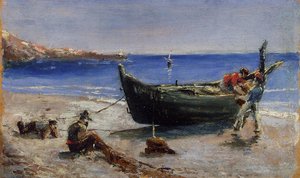
Charles Edward Conder’s “Swnage”: A Coastal Symphony of Light and Leisure
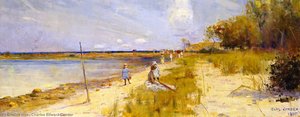
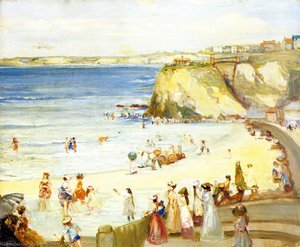
“Swnage,” painted by Charles Edward Conder in approximately 1901, isn't merely a depiction of a beach scene; it’s an immersive experience of the Australian coastline captured with Impressionistic fervor. This captivating work, now housed within the Tate Britain collection, transports the viewer to a moment of serene leisure amidst the rugged beauty of South Wales – specifically, Swnage Bay. Conder, a pivotal figure in Australia's Heidelberg School movement, masterfully employed light and color to evoke not just a visual representation but also a palpable sense of atmosphere and emotion.
Conder’s artistic journey began in England, yet it was his relocation to Sydney in 1884 that truly ignited his creative spirit. He quickly abandoned surveying for the more immediate allure of landscape painting, finding inspiration in the vibrant hues and dramatic light of the Australian bush. “Swnage” reflects this newfound passion, showcasing a deliberate shift away from rigid realism towards a looser, more expressive style. The brushstrokes are visible, creating a textured surface that seems to shimmer with reflected sunlight. Notice how Conder doesn’t meticulously render every detail; instead, he focuses on capturing the essence of the scene – the play of light on water and sand, the suggestion of figures enjoying the day.
Impressionistic Techniques and Color Palette
The painting's strength lies in its masterful use of Impressionistic techniques. Conder’s approach mirrors that of his contemporaries like Monet and Renoir, prioritizing the fleeting effects of light and atmosphere over precise detail. He employed broken color – applying small dabs of paint side-by-side rather than blending them seamlessly – to create a vibrant, luminous quality. The dominant colors are warm ochres, yellows, and blues, reflecting the intense sunlight bathing the beach. These hues aren’t applied uniformly; Conder strategically uses darker tones in the shadows to heighten the sense of depth and volume, particularly in the foreground dunes. The subtle gradations of color create a dynamic visual experience, as if the scene is constantly shifting with the movement of light.
Furthermore, Conder’s use of atmospheric perspective—a technique where distant objects appear paler and less distinct—effectively conveys the vastness of the coastline. The figures in the painting are small and indistinct, emphasizing their insignificance against the grandeur of nature. This compositional choice invites the viewer to become part of the scene, sharing in the feeling of peaceful contemplation.
Symbolism and Context
“Swnage” is more than just a pretty beach scene; it’s imbued with symbolic meaning rooted in Conder's personal experiences and artistic philosophy. As an expatriate Englishman living in Australia, Conder often explored themes of displacement and the search for belonging. The painting can be interpreted as a yearning for a simpler life, a retreat from the complexities of urban existence. The figures on the beach represent leisure, friendship, and connection with nature – values that were particularly appealing to artists of the Heidelberg School.
Considering Conder’s background, it's also important to note the painting’s context within the broader artistic landscape. The Heidelberg School, which emerged in Melbourne during the late 19th century, challenged traditional academic art by embracing a more informal and subjective approach. Conder’s work exemplifies this shift, prioritizing personal observation and emotional expression over strict adherence to classical conventions. The influence of Impressionism is undeniable, but Conder infused it with his own unique Australian sensibility.
A Legacy of Light and Landscape
“Swnage” remains a powerful testament to Charles Edward Conder’s artistic vision. It's a painting that invites viewers to slow down, breathe deeply, and appreciate the beauty of the natural world. Reproductions of this evocative work capture not only its visual splendor but also the spirit of leisure and connection with nature that defined the Heidelberg School. Whether displayed in a contemporary home or a prestigious gallery, “Swnage” continues to resonate with audiences today, reminding us of the enduring power of art to transport us to another time and place.
Obras relacionadas
Biografía del artista
Primeros años y trayectoria artística
Charles Edward Conder, pintor, litógrafo y diseñador británico, dejó una huella imborrable en el mundo del arte. Nacido en Tottenham, Middlesex, el 24 de octubre de 1868, la primera etapa de la vida de Conder se vio marcada por el fallecimiento de su madre en India cuando tan solo tenía cuatro años.Carrera artística en Australia
En 1884, a los 16 años, Conder se trasladó a Sydney, Australia, donde trabajó para su tío como topógrafo. Sin embargo, pronto descubrió que su verdadera pasión residía en dibujar el paisaje en lugar de realizar levantamientos topográficos. Para 1886, ya había sido contratado como artista del Illustrated Sydney News, junto con artistas destacados como Albert Henry Fullwood y Frank Mahony.La Escuela de Heidelberg y obras notables
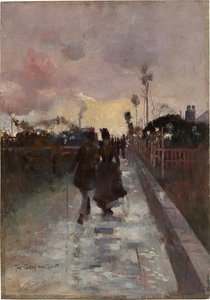
La obra maestra de Conder, “La partida del Orient – Circular Quay” (1888), demostró su dominio recién adquirido de la forma y el pincel. Esta escena portuaria, que representa el bullicioso puerto en Sydney Cove, fue rápidamente adquirida por la Galería de Arte de Nueva Gales del Sur, convirtiéndose en su primera obra en ingresar a una colección pública.- “Un día de vacaciones en Mentone” (1888), una pintura llena de alegría que muestra a hombres y mujeres relajándose en la playa, es otro ejemplo notable de su obra.
- La asociación de Conder con G. P. Nerli, un pintor italiano itinerante, influyó significativamente en su desarrollo artístico.
- Sus contribuciones a la Exposición de Impresionismo 9x5 en Melbourne, junto con Tom Roberts y Arthur Streeton, consolidaron su posición dentro del movimiento de la Escuela de Heidelberg.
Desarrollo Artístico y Influencias
Conder recibió influencias diversas que moldearon su estilo único. El contacto con artistas como Alfred Daplyn, Ashton y Nerli lo encaminó hacia el realismo al aire libre. La influencia de Phil May y Blamire Young le atrajo al arte de Whistler y la estética japonesa. Su obra se caracteriza por una poderosa inspiración en el pintor rococó Jean-Antoine Watteau, traduciendo su estilo al simbolismo a través de escenas ambientadas en las típicas festas galantes watteaunianas.Últimos años y legado
Los últimos años de Conder estuvieron marcados por problemas de salud, incluyendo parálisis y un episodio de delirium tremens. A pesar de esto, continuó pintando, dejando atrás un legado como una figura clave en la Escuela de Heidelberg. Su arte fue mejor recibido en Inglaterra que en París, con su retrato siendo pintado por Henri de Toulouse-Lautrec en 1892. Vea las obras de Conder en la Galería de Arte de Nueva Gales del Sur o explore más sobre la Escuela de Heidelberg en la página de Charles Edward Conder de ArtsDot.- Descubra más sobre la vida y las obras de Conder en la página de Wikipedia de Charles Conder.
- Explore la colección de pinturas de Conder en el sitio web de ArtsDot, incluyendo “Un día de vacaciones en Mentone” (1888) y “La partida del Orient – Circular Quay” (1888).
Significado Histórico
El impacto de Charles Edward Conder en el impresionismo australiano es innegable. Su legado, marcado por sus cautivadoras pinturas y su asociación con la Escuela de Heidelberg, continúa inspirando a los entusiastas del arte en todo el mundo.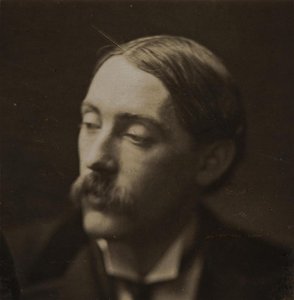
Charles Edward Conder
1868 - 1909 , Reino Unido
Datos clave
- Artistas Que Influyeron:
- G. P. Nerli
- Jean-Antoine Watteau
- Fecha De Muerte: 9 de febrero de 1909
- Fecha De Nacimiento: 24 de octubre de 1868
- Lugar De Nacimiento: Tottenham, Reino Unido
- Movimiento Artístico: Impresionismo australiano
- Nacionalidad: Británico
- Nombre Completo: Charles Edward Conder
- Obras Notables:
- Departure of the Orient
- A Holiday at Mentone
Artículos relacionados

El Sublime Paisaje Americano: Explorando el Movimiento de la Escuela del Río Hudson
Descubre la Escuela del Río Hudson: un movimiento artístico clave en la historia de la pintura estadounidense. Explora su estética romántica, sus artistas más destacados y el concepto del sublime paisaje americano.
Evoking Nature's Sublime: A Comprehensive Exploration of 19th-Century Landscape Painting
Explore the captivating world of 19th-century landscape painting! Discover renowned artists like Friedrich & Monet, key movements, and find the perfect artwork to bring nature's serenity into your home. Expert insights at ArtsDot.

Evocations of Place: A Historical Journey Through Landscape Art
Explore the rich history of landscape art with ArtsDot. Discover renowned artists, movements like Impressionism & Romanticism, and expert guidance for collecting timeless pieces. Find your perfect serene escape today!

Paisajes Románticos: 10 Obras Maestras que Definieron un Movimiento Artístico
Descubre los 10 paisajes románticos más influyentes de artistas como Caspar David Friedrich y Turner. Explora la belleza, el simbolismo y las técnicas del movimiento romántico. Reproducciones de arte exclusivas en ArtsDot.com.
Evocations of Place: A Historical Journey Through Landscape Art
Explore the rich history of landscape art with ArtsDot. Discover renowned artists, movements like Impressionism & tonalism, and expert guidance for collecting timeless pieces. Find your perfect serene escape today!