

 Vista previa
 Compartir
 Compartir
 Ver detalles

 Descargar
 Ver similares
 Radiografía
 Presentación de diapositivas
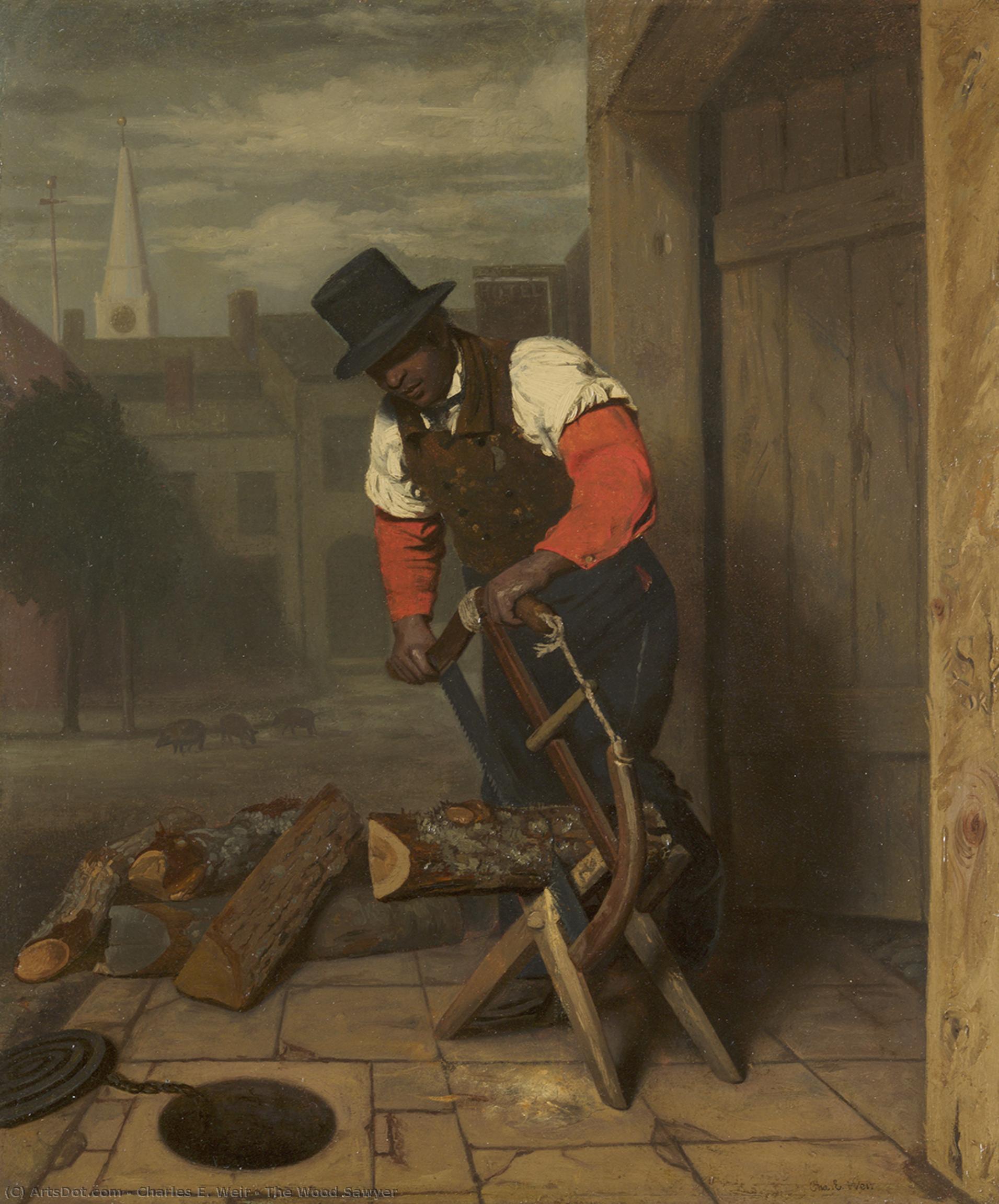
The Wood Sawyer
 Óleo sobre tabla
- Genre Painting
 1842
1842 57.0 x 46.0 cm
 Museo Metropolitano de Arte
 Leer más
Reproducción al óleo hecha a mano
Óleo sobre lienzo pintado a mano en el tamaño y marco de su elección, realizado por encargo por nuestros artistas. ( Pedir impresión Comprar descarga)




P118B $10

P118H $10

P118W $10

P438Z $10

P508JH $12

P508YH $12

P805H $10

P805Z $10

P919BZ $10

P919G $10

P919XJ $10

P959ZH $10

P968JZ $12

W106C $8

W218G $10

W218JH $8

W218Y $10

W307PJ $10

W316G $10

W316PJ $8

W316Y $10

W398PJ $8

W4111J $10

W500HY $15

W500JH $15

W692G $12

W849H $8

W940BG $15

W953PJ $8




Elija entre nuestros tamaños predefinidos que respetan las proporciones originales de la obra.

Puede ingresar sus propias dimensiones para adaptarse a un marco o espacio específico. Si el tamaño seleccionado no coincide con las proporciones de la imagen original, recortaremos la obra o extenderemos la pintura con elementos adicionales pintados a mano. Se le enviará una maqueta digital para su aprobación antes de comenzar la producción.
Tenga en cuenta que la vista previa en pantalla no refleja el recorte o la extensión reales. Solo la maqueta mostrará con precisión la composición final.
Si bien existen tamaños personalizados, recomendamos seleccionar una dimensión de la lista predefinida para preservar las proporciones originales.
Tras realizar el pedido, el equipo de ArtsDot.com enviará un correo electrónico al cliente para solicitar instrucciones y proporcionarle una vista previa del boceto.
Envío a todo el mundo () en 3-4 semanas en lugar de las 5 semanas estándar. (20 agosto). Sin comprometer la calidad.

Envío exprés gratuito a todo el mundo

Lienzo de lino de alta calidad

Seguro de envío completo

Garantía de reembolso de aranceles aduaneros

Garantía de fidelidad cromática exacta

Política de devolución de 60 días (solo por defectos)

Garantía de devolución del 100% del dinero

Oferta por volumen
 La opción de vidrio solo está disponible en tamaños inferiores a 110 cm.

The Wood Sawyer
Técnica de reproducción
Tamaño de la reproducción
-


Precio total
$ 263
Descripción de la obra
A Glimpse of Urban Life: Charles Edward Weir’s “The Wood Sawyer”
Charles Edward Weir's "The Wood Sawyer," painted in 1842, is more than just a depiction of a New York City scene; it’s a poignant window into the social fabric and burgeoning complexities of early 19th-century America. This remarkable genre painting, now residing within the Metropolitan Museum of Art, stands as one of Weir's most celebrated works – and arguably, one of the earliest significant portrayals of an African American subject in a positive and dignified manner within American art history. Weir, a talented artist tragically cut short at just 22 years old, created a work that simultaneously captures the grit and industry of a rapidly transforming city while subtly challenging prevailing societal norms.The Scene Unfolds: A Snapshot of Lower Manhattan
The painting immediately transports us to a bustling corner of Lower Manhattan – a vibrant yet undeniably rough-and-tumble area undergoing dramatic change during this period. The composition is meticulously detailed, revealing a scene brimming with everyday life. A man, identified as a “sawyer” – one who cuts wood for use in construction and heating – stands proudly beside a substantial pile of freshly cut timber. His attire, though modest, suggests a degree of respectability; he’s not presented as a laborer reduced to mere utility, but rather as an individual with a certain dignity. The backdrop is equally rich in detail: the partially visible stone sidewalk, hinting at the city's infrastructure and the presence of the Croton Aqueduct – a vital source of fresh water for the growing metropolis – and a distant white steeple likely belonging to St. Mark’s Church in-the-Bowery. The inclusion of two clocks adds a layer of realism, grounding the scene in time and place. Notably, the painting also features three simple chairs scattered about, suggesting a brief respite amidst the demanding labor.Symbolism and Social Commentary
Beyond its realistic depiction, “The Wood Sawyer” carries significant symbolic weight. The presence of rooting hogs in the middle distance is a deliberate detail, reflecting the sanitation challenges prevalent in working-class neighborhoods during this era – areas often neglected by city authorities. These animals, simultaneously a source of food and a symbol of urban decay, underscore the social inequalities that characterized rapidly industrializing New York. However, the most striking element is undoubtedly the subject himself: a free person of color engaged in honest labor. In an age dominated by racial prejudice and limited opportunities for African Americans, Weir’s decision to portray this individual with such respect and dignity was profoundly subversive. It's a testament to his artistic vision and perhaps a reflection of his own progressive sensibilities. The detail of the man’s dress – suggesting he might be a porter or even a coachman – subtly elevates his status beyond mere manual labor, hinting at a role within the city’s social hierarchy.An Artist's Legacy: Weir and His Context
Charles Edward Weir was a rising star in the American art scene when he tragically died in 1845, leaving behind a remarkably small but powerfully evocative body of work. His brother, Robert Weir, is perhaps more widely known for his contributions to American landscape painting, yet Charles’s “The Wood Sawyer” stands as a crucial counterpoint – a rare example of an artist actively challenging racial stereotypes and offering a nuanced portrayal of urban life. The painting's creation coincides with the visit of English writer and social critic Charles Dickens to New York City in 1842, who was reportedly astonished by the resilience and resourcefulness of African Americans navigating the challenges of city life. Weir’s work can be seen as a direct response to this observation, capturing a moment of quiet dignity amidst the chaos of an evolving metropolis.A Timeless Masterpiece: Reproduction and Appreciation
“The Wood Sawyer” remains a powerful and relevant artwork today, offering valuable insights into American history and social dynamics. High-quality reproductions capture the painting’s rich detail and evocative atmosphere, making it a compelling addition to any art collection or interior space. Its enduring appeal lies not only in its artistic merit but also in its poignant message of dignity, resilience, and the importance of challenging societal prejudices – themes that continue to resonate deeply with audiences today. Consider commissioning a hand-painted reproduction from ArtsDot.com to bring this remarkable piece into your home or office, ensuring its legacy continues for generations to come.Obras relacionadas





Biografía del artista
Introducción: Un Talento Efímero en la Escena Artística Americana
Charles Edward Weir, un nombre que evoca una promesa truncada y un potencial inexplorado, nació en Nueva York en 1823. Su vida, aunque breve, dejó una huella notable en el panorama artístico estadounidense, particularmente en el ámbito de la pintura de género y retratos. Su legado reside no solo en las obras que produjo durante su corta carrera, sino también en la valentía con la que abordó temas sociales y estéticos en un momento de transición para el arte americano.El Desarrollo Artístico: Una Trayectoria Prometedora
La trayectoria artística de Weir, aunque truncada por una prematura muerte en 1845, es un testimonio de su talento innato. Apenas dos años antes de su fallecimiento, ya se había consolidado como una figura destacada en el arte estadounidense, con "El Leñador" (The Wood Sawyer), ahora parte de la colección del Museo Metropolitano de Arte, convirtiéndose en uno de sus trabajos más emblemáticos. Esta obra, y otras piezas como “Junio – Connecticut”, revelan su versatilidad y su capacidad para capturar la esencia de los paisajes americanos con una sensibilidad particular.Obras Clave: Un Reflejo de su Tiempo
"El Leñador" no solo destaca por su maestría técnica, sino también por su representación audaz de un personaje negro en un contexto social donde tales figuras eran raras. La pintura se convierte así en una ventana a las dinámicas sociales de la época y en un intento de Weir de desafiar las normas establecidas. Otras obras, como “Junio – Connecticut”, demuestran su habilidad para plasmar la belleza del paisaje americano, capturando la luz y el color con una pincelada delicada y expresiva. Estas piezas reflejan no solo su talento artístico, sino también su interés por documentar y representar la vida cotidiana de los estadounidenses de su tiempo.Influencias e Impacto: Un Legado Subestimado
A pesar de su corta vida, la influencia de Weir en las generaciones posteriores de artistas es innegable. Su enfoque en la pintura de género y retrato ha sido objeto de estudio por historiadores del arte y aficionados por igual. Su obra se distingue por una notable atención al detalle y a la psicología de los personajes, ofreciendo una visión íntima y profunda de sus vidas. Weir fue un pionero en su época, desafiando las convenciones artísticas tradicionales y abriendo camino para futuros artistas que buscarían representar la realidad americana con mayor autenticidad y sensibilidad. Su trabajo, aunque poco conocido hoy en día, sigue siendo relevante por su valor histórico y artístico.Charles Edward Weir: Un Artista de su Época
La obra de Charles Edward Weir es un testimonio del arte americano del siglo XIX. Su habilidad para capturar la esencia de la vida cotidiana, combinada con su compromiso social, lo convierten en una figura importante en la historia del arte estadounidense. Su legado perdura a través de sus pinturas, que continúan inspirando y desafiando al público actual.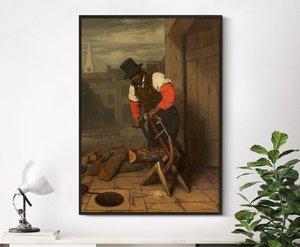
Charles Edward Weir
1823 - 1845 , Estados Unidos
Datos clave
- Artistic Movement Or Style: Género-figurativo
- Artists Or Movements Influenced By This Artist: ['Arte americano']
- Artists Who Influenced This Artist: ['Robert Weir']
- Date Of Birth: 1823-09-27
- Full Name: Charles Edward Weir
- Nationality: Americano
- Notable Artworks:
- El Leñador
- Junio - Connecticut
- Place Of Birth: Nueva York, EE.UU.
Artículos relacionados

Grant Wood & American Regionalism: Identity, Myth & the Rural Landscape
Explore the world of Grant Wood & American Regionalism with ArtsDot. Discover the symbolism behind 'American Gothic', recurring themes, and the movement's lasting impact on art history. High-quality reproductions available.

Julian Alden Weir: A Quiet Master of American Impressionism & Rural Life
Discover Julian Alden Weir, a leading American Impressionist painter celebrated for his serene landscapes & depictions of rural life. Explore his artistic evolution, influence on 'The Ten', and legacy at Weir Farm.

Regionalismo Americano: Un Crisol de Identidad en el Arte y la Sociedad
Explora el Regionalismo Americano: su historia, artistas clave como Benton y Wood, y su profundo compromiso con la sociedad de la Gran Depresión. Un análisis exhaustivo para amantes del arte.
Ecos del Lugar: Regionalismo e Identidad Americana en el Arte Entre Guerras
Descubra el Regionalismo americano: un movimiento artístico que capturó la esencia de la identidad rural y la vida en Estados Unidos entre guerras. Análisis experto, obras clave y legado cultural.

Realismo Estadounidense: 10 Obras Maestras que Cambiaron el Arte y la Decoración
Descubre 10 obras maestras del Realismo Estadounidense: Winslow Homer, Edward Hopper y más. Explora la historia, técnica y emoción de estos icónicos cuadros. Encuentra reproducciones de arte de museo en ArtsDot.com.

