 Vista previa
 Compartir
 Compartir
 Ver detalles

 Descargar
 Ver similares
 Radiografía
 Presentación de diapositivas
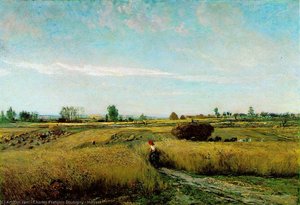
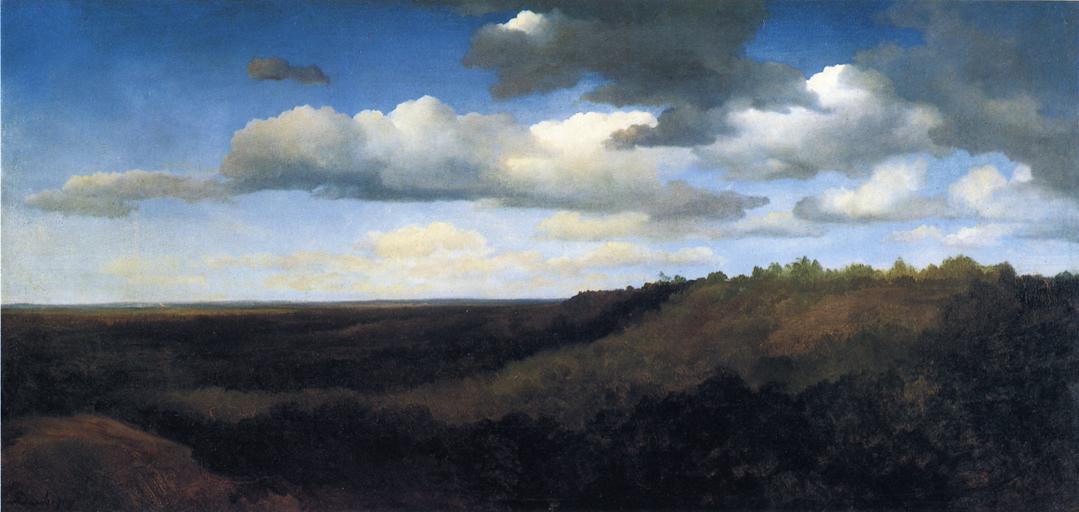
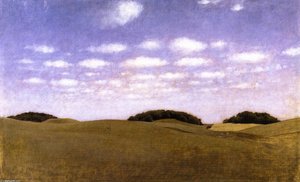
Landscape in the Campagna


 Leer más
Giclée / Impresión de arte
Impresiones giclée o en lienzo de calidad de museo con producción rápida y opciones de acabado flexibles. ( Encargar reproducción pintada a mano Comprar descarga)




P118B $10

P118H $10

P118W $10

P438Z $10

P508JH $12

P508YH $12

P805H $10

P805Z $10

P919BZ $10

P919G $10

P919XJ $10

P959ZH $10

P968JZ $12

W106C $8

W218G $10

W218JH $8

W218Y $10

W307PJ $10

W316G $10

W316PJ $8

W316Y $10

W398PJ $8

W4111J $10

W500HY $15

W500JH $15

W692G $12

W849H $8

W940BG $15

W953PJ $8




Elija entre nuestros tamaños predefinidos que respetan las proporciones originales de la obra.

Puede introducir sus propias dimensiones para adaptarse a un marco o espacio específico. Si el tamaño seleccionado no coincide con las proporciones de la imagen original, recortaremos la obra de arte o extenderemos la imagen con un borde con efecto espejo o de color sólido. Se enviará una maqueta digital para su aprobación antes de que comience la producción.
Tenga en cuenta que la vista previa en pantalla no refleja el recorte o la extensión real. Solo la maqueta mostrará con precisión la composición final.
Aunque existen tamaños personalizados, recomendamos seleccionar una dimensión de la lista predefinida para preservar las proporciones originales.
Envío a todo el mundo () en 2 semanas en lugar de las 4/5 semanas estándar. (21 agosto)

Envío exprés gratuito a todo el mundo

Lienzo de lino de alta calidad

Seguro de envío completo

Garantía de reembolso de aranceles aduaneros

Garantía de fidelidad cromática exacta

Política de devolución de 60 días (solo por defectos)

Garantía de devolución del 100% del dinero

Oferta por volumen
 La opción de vidrio solo está disponible en tamaños inferiores a 110 cm.

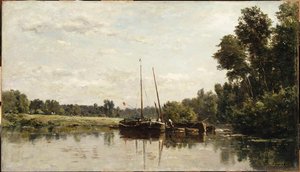
Landscape in the Campagna
Giclée / Impresión de arte
Tamaño de la reproducción
-


Precio total
$ 62
Descripción de la pieza
Landscape in the Campagna – A Vision of Tranquility Captured by Daubigny
Charles-François Daubigny’s “Landscape in the Campagna” stands as a cornerstone of French Impressionism, embodying not merely a depiction of scenery but an exploration of mood and atmosphere—a testament to his pioneering spirit and unwavering devotion to capturing the immediacy of nature. Painted in 1836 during his formative journey through Italy alongside Henri Mignan, this artwork transcends mere representation; it’s infused with a palpable sense of serenity and contemplation that continues to resonate with viewers today.The Essence of Atmospheric Impressionism
Daubigny's artistic breakthrough occurred precisely at the cusp of Impressionism’s emergence. Influenced by luminists like Jean-Baptiste Camille Corot, he rejected the rigid academic conventions prevalent in his time—the meticulous blending and glazing favored by traditional painters—opting instead for a looser brushstroke technique that prioritized capturing fleeting moments of light and color. This approach, championed by artists like Monet and Sisley, sought to convey not what the eye sees but how it feels – an ambition brilliantly realized in “Landscape in the Campagna.” The artist eschewed detailed rendering, favoring broken color patches that shimmer with reflected sunlight, creating a luminous effect characteristic of Impressionist painting.A Journey Through Roman Landscape
The scene itself transports us to the Roman Campagna—a region celebrated for its rolling hills and olive groves—a landscape profoundly impacting Daubigny’s artistic sensibilities. The composition is deceptively simple: a verdant field dominates the foreground, punctuated by scattered trees that reach upwards towards a sky filled with soft, diffused clouds. Unlike idealized depictions of pastoral beauty common in earlier art movements, Daubigny presents a landscape imbued with subtle melancholy—a feeling conveyed through the muted palette and hazy atmosphere. The artist skillfully utilizes tonal variations to sculpt the contours of the hillsides and trees, subtly suggesting depth and volume without resorting to precise shading.Symbolism Beneath the Surface Calm
Beyond its aesthetic beauty, “Landscape in the Campagna” carries symbolic weight. The expansive sky represents not just meteorological conditions but also a broader contemplation of the sublime—the awe-inspiring grandeur of nature that inspires wonder and humility. The trees symbolize resilience and permanence amidst the ephemeral beauty of the landscape, mirroring Daubigny’s own artistic quest for enduring expression. Furthermore, the muted colors evoke feelings of peace and introspection, inviting viewers to pause and appreciate the quiet contemplation of the natural world.A Legacy Enduring Through Reproduction
Today, a high-quality reproduction of “Landscape in the Campagna” offers an exceptional opportunity to experience Daubigny’s artistic vision firsthand. ArtsDot.com meticulously recreates this masterpiece using archival pigments on canvas, ensuring that its luminous colors and textural nuances are faithfully preserved for generations to come. Bringing this evocative landscape into your home or workspace will undoubtedly infuse it with a sense of tranquility and inspire appreciation for the transformative power of Impressionist art—a timeless celebration of beauty and emotion captured by one of France’s most influential painters.Obras relacionadas
Biografía del artista
Primeros años y formación
Charles-François Daubigny, un artista francés, nació el 15 de febrero de 1817 en París, dentro de una familia de pintores. Recibió su formación artística de su padre, Edmond François Daubigny, y de su tío, el miniaturista Pierre Daubigny. Esta temprana exposición al arte sentó las bases para el futuro éxito de Daubigny.La Escuela de Barbizon e Impresionismo
Daubigny fue uno de los pintores de la Escuela de Barbizon, un grupo de artistas que trabajaron en y alrededor del pueblo de Barbizon, en el bosque de Fontainebleau, al sureste de París. Buscaban crear representaciones precisas y sin adornos de la vida rural y el paisaje, a menudo pintando al aire libre. El trabajo de Daubigny se considera un precursor importante del Impresionismo, un estilo que enfatiza capturar la realidad fugaz de la naturaleza.Obras destacadas
Algunas de las obras más notables de Daubigny incluyen:- La Cosecha (1857), ahora en el Musée d'Orsay (París, Francia), que muestra su capacidad para capturar la esencia de la vida rural.
- Los estanques de Gylieu (1864), que demuestra la habilidad de Daubigny en la pintura de paisajes, ahora alberga el Museo de Arte de Cincinnati (Cincinnati, Estados Unidos).
- Luz de luna (1865) y Auvers-sur-Oise (1868), que consolidan aún más su posición como maestro de los paisajes impresionistas.
Evolución artística y desarrollo
Daubigny inicialmente se formó con su padre, el pintor paisajista Edmond-François Daubigny (1861–1869). Posteriormente, se convirtió en aprendiz de un grabador y desarrolló sus talentos en el arte del grabado. Durante el siglo XIX, varios artistas progresistas surgieron que impactaron la futura dirección del arte y su aceptación pública. Daubigny fue uno de estos artistas, una influencia y un ferviente defensor del emergente grupo impresionista. Aunque logró el éxito, las pinturas más apreciadas por el público fueron aquellas menos apreciadas por él mismo, lo que atestigua la naturaleza dual de su trabajo: tanto vendible como progresista. Al igual que muchos otros artistas, su estilo abrió las puertas a la generación más joven. Daubigny combinó su talento para la pintura y el grabado con una voluntad de mantener los ideales de su gusto artístico tomando medidas decisivas que a menudo mostraban su apoyo a nuevas tendencias.Legado y reconocimiento
Charles-François Daubigny falleció el 19 de febrero de 1878 en París. Sus restos están enterrados en el Cimetière du Père-Lachaise (división 24). Hoy, sus seguidores y alumnos continúan siendo reconocidos por sus contribuciones al mundo del arte.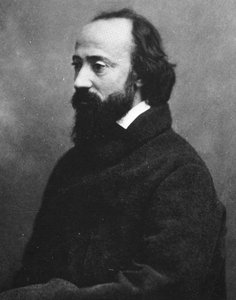
Charles-François Daubigny
1817 - 1878 , Francia
Datos clave
- Artistas Influyentes:
- Edmond François Daubigny
- Pierre Daubigny
- Estilo Artístico: Barbizon e Impresionismo
- Fecha De Fallecimiento: 19 de febrero de 1878
- Fecha De Nacimiento: 15 de febrero de 1817
- Influenciado A Artistas: ['Claude Monet']
- Lugar De Nacimiento: París, Francia
- Nacionalidad: Francesa
- Nombre Completo: Charles-François Daubigny
- Obras Notables:
- Cosecha (1857)
- Los estanques de Gylieu (1864)
- Luna (1865)
- Auvers-sur-oise (1868)
Artículos relacionados

Los 10 Maestros del Paisaje Impresionista: Obras que Cambiaron la Historia del Arte
Descubre los 10 lienzos impresionistas que revolucionaron el arte. Monet, Renoir y más… Explora la historia, técnica y belleza de cada obra maestra. Encuentra reproducciones de alta calidad para tu hogar en ArtsDot.com.
Los 10 Maestros del Paisaje Impresionista: Obras que Cambiaron la Historia del Arte
Descubre los 10 lienzos impresionistas que revolucionaron el arte. Explora la historia de Monet, Van Gogh y Renoir, sus técnicas y colores vibrantes. Encuentra reproducciones de alta calidad para decorar tu hogar en ArtsDot.com

Paul Cézanne: Las 25 Obras Maestras que Definieron el Arte Moderno | ArtsDot
Descubre las 25 obras maestras de Paul Cézanne que revolucionaron el arte moderno. Explora su técnica, inspiración y significado en paisajes, bodegones y retratos. Reproducciones de alta calidad para decorar tu hogar con arte inolvidable. ¡Explora la colección completa en ArtsDot.com!
Capturando la Luz Efímera: La Pintura Paisajística Impresionista y su Legado
Descubre la magia del Impresionismo y su revolucionaria pintura paisajística. Análisis de Monet, técnicas innovadoras y el legado de este movimiento artístico clave. ¡Explora obras maestras y sumérgete en la luz!

Los 10 Paisajes Más Icónicos de la Historia del Arte | ArtsDot
Descubre los 10 paisajes más emblemáticos de la historia del arte, desde Monet a Van Gogh. Explora su significado, técnica y belleza atemporal. Encuentra reproducciones de alta calidad e inspira tu hogar con ArtsDot.com.