

 Ver en contexto
 Enviar
 Compartir
 Detalles

 Descargar
 Similares
 Radiografía
 Presentación de diapositivas
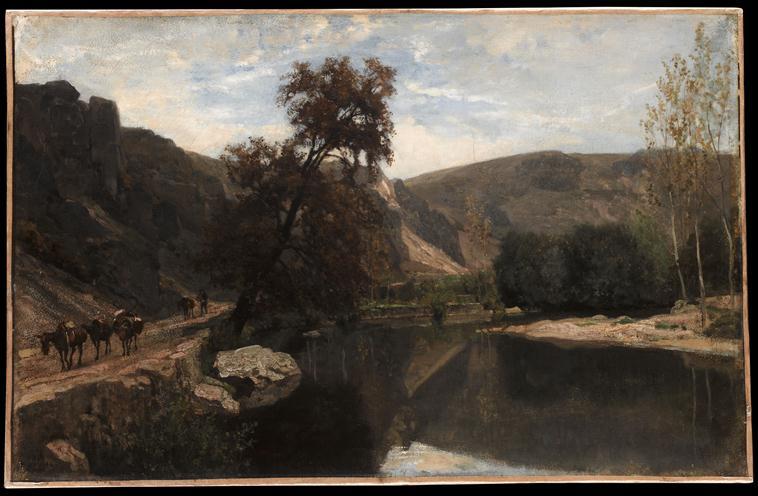
LES BORDS DU COUSIN, PRES D'AVALLON


 Ver más
Adquiera una imagen digital de alta resolución y optimizada, muy superior a la vista previa en línea.
Cada archivo es preparado meticulosamente por nuestros especialistas internos mediante el uso de herramientas avanzadas y un experto retoque manual. Nos aseguramos de que cada imagen posea una claridad excepcional, una precisión cromática impecable y un detalle minucioso.
El archivo final se entrega por correo electrónico en un plazo de 72 horas, optimizado para su uso inmediato en entornos profesionales, editoriales y de impresión. Esta es la misma calidad en la que confían los estudios de diseño, las editoriales y las galerías de primer nivel.
Imagen Digital
Descarga un archivo de alta resolución para exhibición personal, impresión y proyectos creativos. ( Comprar impresión Comprar pintura hecha a mano)
Incluido en cada pedido de imágenes digitales
Entrega digital experta, garantizada.
Al elegir ArtsDot.com, no solo está adquiriendo una imagen; está recibiendo una obra de arte digital mejorada profesionalmente, elaborada con precisión y respaldada por una garantía de satisfacción. Esto es todo lo que incluye su pedido, automáticamente:

Entrega rápida por email
Recibirá su archivo de imagen digital en alta resolución por correo electrónico en un plazo de 72 horas tras realizar su pedido, listo para su uso inmediato.

Archivo digital optimizado por IA
Su obra de arte se optimiza profesionalmente mediante herramientas avanzadas de IA y edición manual, garantizando el máximo detalle, claridad y precisión cromática.

Reenvío gratuito de por vida
¿Has borrado o perdido tu archivo por error? No te preocupes: te lo volveremos a enviar en cualquier momento, sin coste adicional.

Sin gastos de importación, siempre
Disfrute de su obra de arte al instante sin aduanas, aranceles ni gastos de envío; las descargas digitales siempre están libres de impuestos.

Garantía de fidelidad de color
Garantizamos que su imagen digital refleje los colores originales con la mayor fidelidad posible, mediante el uso de herramientas profesionales y gestión del color.

Garantía de satisfacción de 60 días
Si no está satisfecho con su imagen digital, la revisaremos o le reembolsaremos el 100% en un plazo de 60 días, sin preguntas.

100% Garantía de devolución de dinero
¿No está satisfecho? Obtenga un reembolso completo dentro de los 60 días posteriores a la recepción de su archivo digital, sin necesidad de explicaciones.

Descuentos por pedidos grandes
Compra 3 imágenes, ahorra 10% - Compra 5, ahorra 15% - Compra 10+, ahorra 20%. Ideal para proyectos creativos, galerías y agencias.
Descripción del coleccionable
A Window into Barbizon Realism: Exploring Daubigny's “Les Bords du Cousin près d’Avallon”
Charles-François Daubigny stands as a pivotal figure in the Barbizon School movement—a reaction against Neoclassical idealism and an embrace of direct observation of nature. Born in Paris in 1817, he descended from a lineage steeped in artistic heritage, inheriting influences from his father, Edmé François Daubigny, and uncle, Pierre Daubigny, both accomplished painters who championed a new aesthetic direction. Unlike the polished surfaces and idealized compositions favored by academic art academies, Daubigny sought to capture the essence of the French countryside with uncompromising honesty—a pursuit that profoundly shaped his artistic vision and ultimately paved the way for Impressionism.Composition and Technique: Capturing Atmospheric Light
“Les Bords du Cousin près d’Avallon,” painted in 1848, exemplifies Daubigny's masterful approach to landscape painting. The artwork adheres to a classic compositional structure—a winding path draws the viewer’s eye into the scene, flanked by rugged cliffs on one side and gently sloping hills on the other. Dominating the mid-ground is a substantial tree, its branches gracefully arching over the tranquil river below, serving as a focal point for visual interest. The river itself occupies a significant portion of the lower half of the image, functioning as a mirror reflecting the surrounding sky and foliage—a technique crucial to conveying Daubigny’s fascination with capturing fleeting atmospheric conditions. His brushstrokes are loose and expressive, layering colors subtly to create tonal variations that mimic the play of light and shadow across the landscape. Employing oil paint on canvas, Daubigny meticulously blended hues to achieve a luminous effect characteristic of Barbizon realism.Color Palette and Symbolism: Earthy Tones Reflect Tranquility
The painting’s color palette is dominated by earthy tones—browns, greens, and greys—creating an atmosphere of serenity and natural beauty. These muted hues skillfully convey the subdued light of an overcast day, mirroring the mood of contemplation often associated with rural landscapes. Hints of blue and white shimmer in the sky and are subtly reflected on the water’s surface, adding depth and vibrancy to the composition. Beyond its aesthetic appeal, “Les Bords du Cousin près d’Avallon” carries symbolic resonance—the calm river represents tranquility and introspection, inviting viewers to consider the profound connection between humanity and the natural world.Historical Context: Barbizon's Rebellion Against Academic Convention
Daubigny’s work emerged during a period of significant artistic upheaval in France. The Barbizon School challenged the prevailing academic style—characterized by meticulous detail and idealized representations—favoring instead a more spontaneous approach rooted in plein air painting—working outdoors directly from observation. Artists like Daubigny rejected studio conventions, prioritizing accuracy and capturing the immediacy of natural light and color. This stylistic shift signaled a rejection of Neoclassical ideals and embraced a humanist perspective that celebrated the beauty of rural life and the power of nature to inspire artistic expression.Emotional Impact: A Moment Frozen in Time
“Les Bords du Cousin près d’Avallon” transcends mere visual representation; it evokes a palpable sense of peace and contemplation. Daubigny's skillful rendering of light and texture invites viewers into the scene, transporting them to a tranquil riverside landscape bathed in diffused sunlight. The painting’s understated beauty speaks to a deeper appreciation for the sublime—the awe-inspiring grandeur of nature that transcends rational understanding. It remains a testament to Daubigny’s ability to capture not just what he saw but also how he felt—a timeless masterpiece embodying the spirit of Barbizon realism and Impressionism's precursor.Obras relacionadas

Biografía del artista
Primeros años y formación
Charles-François Daubigny, un artista francés, nació el 15 de febrero de 1817 en París, dentro de una familia de pintores. Recibió su formación artística de su padre, Edmond François Daubigny, y de su tío, el miniaturista Pierre Daubigny. Esta temprana exposición al arte sentó las bases para el futuro éxito de Daubigny.La Escuela de Barbizon e Impresionismo
Daubigny fue uno de los pintores de la Escuela de Barbizon, un grupo de artistas que trabajaron en y alrededor del pueblo de Barbizon, en el bosque de Fontainebleau, al sureste de París. Buscaban crear representaciones precisas y sin adornos de la vida rural y el paisaje, a menudo pintando al aire libre. El trabajo de Daubigny se considera un precursor importante del Impresionismo, un estilo que enfatiza capturar la realidad fugaz de la naturaleza.Obras destacadas
Algunas de las obras más notables de Daubigny incluyen:- La Cosecha (1857), ahora en el Musée d'Orsay (París, Francia), que muestra su capacidad para capturar la esencia de la vida rural.
- Los estanques de Gylieu (1864), que demuestra la habilidad de Daubigny en la pintura de paisajes, ahora alberga el Museo de Arte de Cincinnati (Cincinnati, Estados Unidos).
- Luz de luna (1865) y Auvers-sur-Oise (1868), que consolidan aún más su posición como maestro de los paisajes impresionistas.
Evolución artística y desarrollo
Daubigny inicialmente se formó con su padre, el pintor paisajista Edmond-François Daubigny (1861–1869). Posteriormente, se convirtió en aprendiz de un grabador y desarrolló sus talentos en el arte del grabado. Durante el siglo XIX, varios artistas progresistas surgieron que impactaron la futura dirección del arte y su aceptación pública. Daubigny fue uno de estos artistas, una influencia y un ferviente defensor del emergente grupo impresionista. Aunque logró el éxito, las pinturas más apreciadas por el público fueron aquellas menos apreciadas por él mismo, lo que atestigua la naturaleza dual de su trabajo: tanto vendible como progresista. Al igual que muchos otros artistas, su estilo abrió las puertas a la generación más joven. Daubigny combinó su talento para la pintura y el grabado con una voluntad de mantener los ideales de su gusto artístico tomando medidas decisivas que a menudo mostraban su apoyo a nuevas tendencias.Legado y reconocimiento
Charles-François Daubigny falleció el 19 de febrero de 1878 en París. Sus restos están enterrados en el Cimetière du Père-Lachaise (división 24). Hoy, sus seguidores y alumnos continúan siendo reconocidos por sus contribuciones al mundo del arte.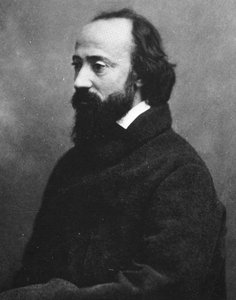
Charles-François Daubigny
1817 - 1878 , Francia
Breves datos
- Artistas Influyentes:
- Edmond François Daubigny
- Pierre Daubigny
- Estilo Artístico: Barbizon e Impresionismo
- Fecha De Fallecimiento: 19 de febrero de 1878
- Fecha De Nacimiento: 15 de febrero de 1817
- Influenciado A Artistas: ['Claude Monet']
- Lugar De Nacimiento: París, Francia
- Nacionalidad: Francesa
- Nombre Completo: Charles-François Daubigny
- Obras Notables:
- Cosecha (1857)
- Los estanques de Gylieu (1864)
- Luna (1865)
- Auvers-sur-oise (1868)

