 Ver en contexto
 Enviar
 Compartir
 Detalles

 Descargar
 Similares
 Radiografía
 Presentación de diapositivas
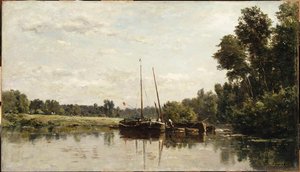
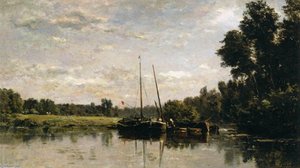
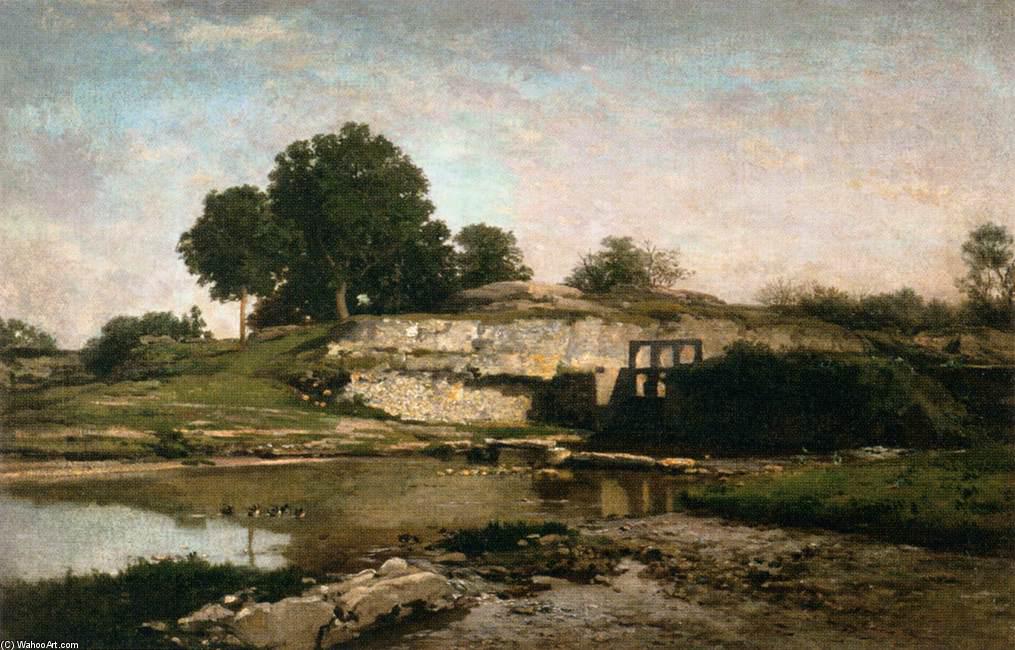
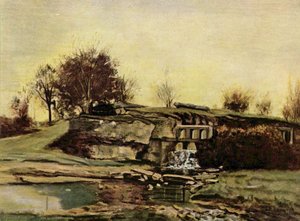
The Sluice-gate at Optevoz (Isère)
 Oil On Canvas
- WallArt
- Impressionistic Landscape
 1859
1859- 19th Century
 48.0 x 73.0 cm
 Museo del Louvre
 Ver más
Reproducción al óleo hecha a mano
Óleo sobre lienzo pintado a mano en el tamaño y marco de su elección, realizado por encargo por nuestros artistas. ( Comprar impresión Comprar imagen)




P118B $10

P118H $10

P118W $10

P438Z $10

P508JH $12

P508YH $12

P805H $10

P805Z $10

P919BZ $10

P919G $10

P919XJ $10

P959ZH $10

P968JZ $12

W106C $8

W218G $10

W218JH $8

W218Y $10

W307PJ $10

W316G $10

W316PJ $8

W316Y $10

W398PJ $8

W4111J $10

W500HY $15

W500JH $15

W692G $12

W849H $8

W940BG $15

W953PJ $8




Elija entre nuestros tamaños predefinidos que respetan las proporciones originales de la obra.

Puede ingresar sus propias dimensiones para adaptarse a un marco o espacio específico. Si el tamaño seleccionado no coincide con las proporciones de la imagen original, recortaremos la obra o extenderemos la pintura con elementos adicionales pintados a mano. Se le enviará una maqueta digital para su aprobación antes de comenzar la producción.
Tenga en cuenta que la vista previa en pantalla no refleja el recorte o la extensión reales. Solo la maqueta mostrará con precisión la composición final.
Si bien existen tamaños personalizados, recomendamos seleccionar una dimensión de la lista predefinida para preservar las proporciones originales.
Tras realizar el pedido, el equipo de ArtsDot.com enviará un correo electrónico al cliente para solicitar instrucciones y proporcionarle una vista previa del boceto.
Envío a todo el mundo () en 3-4 semanas en lugar de las 5 semanas estándar. (27 agosto). Sin comprometer la calidad.

Envío exprés gratuito a todo el mundo

Lienzo de lino de alta calidad

Seguro de envío total

Garantía de reembolso de impuestos aduaneros

Garantía de fidelidad cromática exacta

Política de devolución de 60 días (solo por defectos)

Garantía de devolución del 100% del dinero

Descuento por cantidad
 La opción de vidrio solo está disponible en tamaños inferiores a 110 cm.

The Sluice-gate at Optevoz (Isère)
Técnica de reproducción
Dimensiones de la reproducción
-


Precio total final
$ 263
Descripción de la obra
A Window into the Soul of the Barbizon Landscape
In the quietude of the French countryside, where the light dances upon the ripples of the Ouvre River, lies the heart of Charles-François Daubigny’s The Sluice-gate at Optevoz (Isère). Completed in 1859, this evocative masterpiece serves as much more than a mere topographical record; it is a profound meditation on the serenity of nature. The scene unfolds with a breathtaking sense of peace, centered around the picturesque sluice-gate bridge that spans the water, acting as a gateway between the viewer and the untamed beauty of the Isère landscape. As one gazes upon the lush vegetation and the gentle flow of the river, there is an immediate, visceral connection to the earth, making this piece an essential acquisition for those who seek to bring the restorative power of the natural world into their private sanctuaries.
The technical brilliance of Daubigny lies in his ability to marry the grounded realism of the Barbizon School with the burgeoning, light-drenched spirit of Impressionism. Through a masterful application of thick impasto strokes, the artist breathes life into the foliage, creating a tactile surface where the materiality of leaves and bark feels almost palpable. He employs a sophisticated use of chiaroscuro, orchestrating a delicate interplay between deep, cool shadows and the sudden, brilliant warmth of sunlight filtering through the canopy. This rhythmic movement of light and shadow does not merely decorate the canvas; it sculpts the very atmosphere, capturing that fleeting, ephemeral moment when the sun strikes the water just right—a quality that makes a high-quality reproduction of this work feel alive within any interior setting.
A Bridge Between Eras and Emotions
Historically, this painting stands as a pivotal moment in the evolution of modern art. As a precursor to the Impressionist movement, Daubigny’s work represents a revolutionary departure from the rigid, idealized landscapes of the French Academy. Instead of seeking grand, mythological narratives, he turned his gaze toward the authentic, the everyday, and the atmospheric. The presence of two small figures near the bridge—likely fellow artists immersed in their own observations—serves as a poignant symbol of human engagement with the environment. They are not masters of the landscape, but humble observers, reminding us that the true value of nature lies in our ability to witness and connect with its quiet rhythms.
For the discerning collector or interior designer, The Sluice-gate at Optevoz offers a unique emotional resonance. The bridge itself acts as a powerful metaphor for connection—linking the structured world of man to the fluid, organic world of nature. Whether placed in a sunlit studio or a sophisticated living space, the painting introduces a sense of balanced composition and tranquil depth. It is a piece that invites contemplation, offering a respite from the frenetic pace of modern life and replacing it with the timeless, breathing essence of the French countryside. To possess this work is to hold a fragment of art history that continues to inspire awe through its luminous textures and soulful perspective.
Obras relacionadas


Biografía del artista
Primeros años y formación
Charles-François Daubigny, un artista francés, nació el 15 de febrero de 1817 en París, dentro de una familia de pintores. Recibió su formación artística de su padre, Edmond François Daubigny, y de su tío, el miniaturista Pierre Daubigny. Esta temprana exposición al arte sentó las bases para el futuro éxito de Daubigny.La Escuela de Barbizon e Impresionismo
Daubigny fue uno de los pintores de la Escuela de Barbizon, un grupo de artistas que trabajaron en y alrededor del pueblo de Barbizon, en el bosque de Fontainebleau, al sureste de París. Buscaban crear representaciones precisas y sin adornos de la vida rural y el paisaje, a menudo pintando al aire libre. El trabajo de Daubigny se considera un precursor importante del Impresionismo, un estilo que enfatiza capturar la realidad fugaz de la naturaleza.Obras destacadas
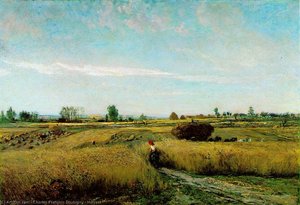
Algunas de las obras más notables de Daubigny incluyen:- La Cosecha (1857), ahora en el Musée d'Orsay (París, Francia), que muestra su capacidad para capturar la esencia de la vida rural.
- Los estanques de Gylieu (1864), que demuestra la habilidad de Daubigny en la pintura de paisajes, ahora alberga el Museo de Arte de Cincinnati (Cincinnati, Estados Unidos).
- Luz de luna (1865) y Auvers-sur-Oise (1868), que consolidan aún más su posición como maestro de los paisajes impresionistas.
Evolución artística y desarrollo
Daubigny inicialmente se formó con su padre, el pintor paisajista Edmond-François Daubigny (1861–1869). Posteriormente, se convirtió en aprendiz de un grabador y desarrolló sus talentos en el arte del grabado. Durante el siglo XIX, varios artistas progresistas surgieron que impactaron la futura dirección del arte y su aceptación pública. Daubigny fue uno de estos artistas, una influencia y un ferviente defensor del emergente grupo impresionista. Aunque logró el éxito, las pinturas más apreciadas por el público fueron aquellas menos apreciadas por él mismo, lo que atestigua la naturaleza dual de su trabajo: tanto vendible como progresista. Al igual que muchos otros artistas, su estilo abrió las puertas a la generación más joven. Daubigny combinó su talento para la pintura y el grabado con una voluntad de mantener los ideales de su gusto artístico tomando medidas decisivas que a menudo mostraban su apoyo a nuevas tendencias.Legado y reconocimiento
Charles-François Daubigny falleció el 19 de febrero de 1878 en París. Sus restos están enterrados en el Cimetière du Père-Lachaise (división 24). Hoy, sus seguidores y alumnos continúan siendo reconocidos por sus contribuciones al mundo del arte.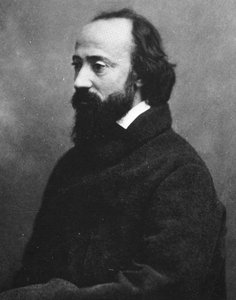
Charles-François Daubigny
1817 - 1878 , Francia
Datos clave
- Artistas Influyentes:
- Edmond François Daubigny
- Pierre Daubigny
- Estilo Artístico: Barbizon e Impresionismo
- Fecha De Fallecimiento: 19 de febrero de 1878
- Fecha De Nacimiento: 15 de febrero de 1817
- Influenciado A Artistas: ['Claude Monet']
- Lugar De Nacimiento: París, Francia
- Nacionalidad: Francesa
- Nombre Completo: Charles-François Daubigny
- Obras Notables:
- Cosecha (1857)
- Los estanques de Gylieu (1864)
- Luna (1865)
- Auvers-sur-oise (1868)
Artículos relacionados

Los 10 Maestros del Paisaje Impresionista: Obras que Cambiaron la Historia del Arte
Descubre los 10 lienzos impresionistas que revolucionaron el arte. Monet, Renoir y más… Explora la historia, técnica y belleza de cada obra maestra. Encuentra reproducciones de alta calidad para tu hogar en ArtsDot.com.

Los 10 Maestros del Paisaje Impresionista: Obras que Cambiaron la Historia del Arte
Descubre los 10 lienzos impresionistas que revolucionaron el arte. Explora la historia de Monet, Van Gogh y Renoir, sus técnicas y colores vibrantes. Encuentra reproducciones de alta calidad para decorar tu hogar en ArtsDot.com

Katsushika Hokusai: Las 25 Obras Maestras del Ukiyo-e que Transformaron el Arte Japonés | ArtsDot
Descubre las 25 obras maestras de Katsushika Hokusai, el genio del ukiyo-e. Explora 'La Gran Ola', paisajes japoneses y su impacto en el arte moderno. Reproducciones de alta calidad para tu hogar en ArtsDot.com.

Paisajes Románticos: 10 Obras Maestras que Definieron un Movimiento Artístico
Descubre los 10 paisajes románticos más influyentes de artistas como Caspar David Friedrich y Turner. Explora la belleza, el simbolismo y las técnicas del movimiento romántico. Reproducciones de arte exclusivas en ArtsDot.com.
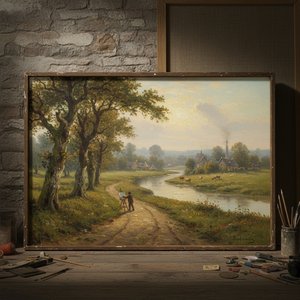
Charles-François Daubigny: Pioneering Atmospheric Light & Barbizon Realism
Explore the life & art of Charles-François Daubigny, a pivotal Barbizon School painter. Discover his innovative landscapes, mastery of light, and influence on Impressionism. High-quality reproductions available.