

 Vista previa
 Compartir
 Compartir
 Ver detalles

 Descargar
 Ver similares
 Radiografía
 Presentación de diapositivas
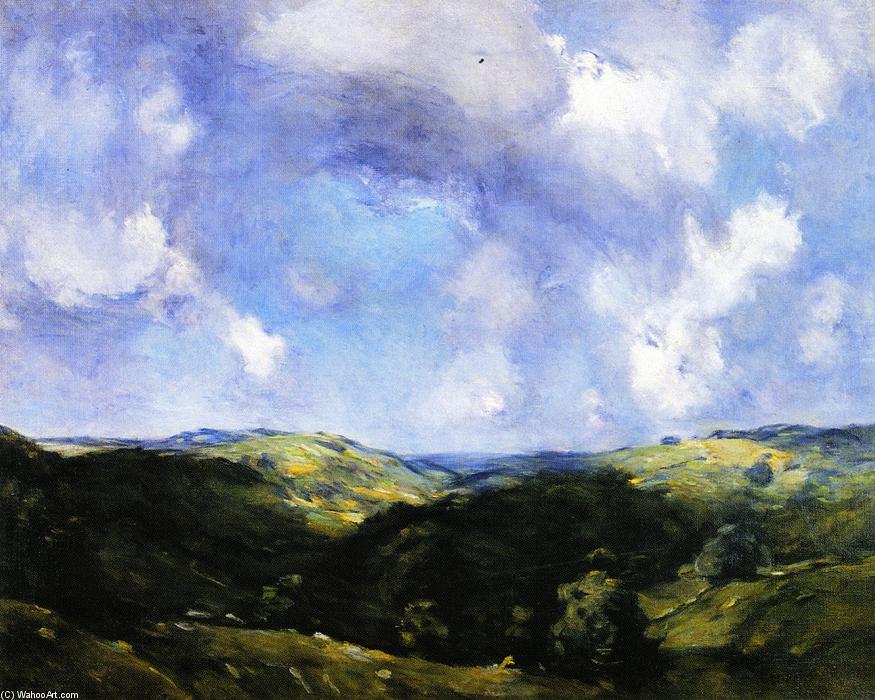
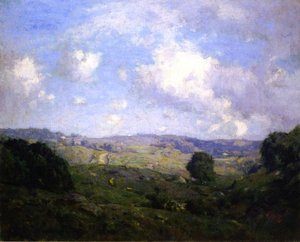
Clouds and Hills (also known as August)


 Leer más
Reproducción al óleo hecha a mano
Óleo sobre lienzo pintado a mano en el tamaño y marco de su elección, realizado por encargo por nuestros artistas. ( Pedir impresión Comprar descarga)




P118B $10

P118H $10

P118W $10

P438Z $10

P508JH $12

P508YH $12

P805H $10

P805Z $10

P919BZ $10

P919G $10

P919XJ $10

P959ZH $10

P968JZ $12

W106C $8

W218G $10

W218JH $8

W218Y $10

W307PJ $10

W316G $10

W316PJ $8

W316Y $10

W398PJ $8

W4111J $10

W500HY $15

W500JH $15

W692G $12

W849H $8

W940BG $15

W953PJ $8




Elija entre nuestros tamaños predefinidos que respetan las proporciones originales de la obra.

Puede ingresar sus propias dimensiones para adaptarse a un marco o espacio específico. Si el tamaño seleccionado no coincide con las proporciones de la imagen original, recortaremos la obra o extenderemos la pintura con elementos adicionales pintados a mano. Se le enviará una maqueta digital para su aprobación antes de comenzar la producción.
Tenga en cuenta que la vista previa en pantalla no refleja el recorte o la extensión reales. Solo la maqueta mostrará con precisión la composición final.
Si bien existen tamaños personalizados, recomendamos seleccionar una dimensión de la lista predefinida para preservar las proporciones originales.
Tras realizar el pedido, el equipo de ArtsDot.com enviará un correo electrónico al cliente para solicitar instrucciones y proporcionarle una vista previa del boceto.
Envío a todo el mundo () en 3-4 semanas en lugar de las 5 semanas estándar. (21 agosto). Sin comprometer la calidad.

Envío exprés gratuito a todo el mundo

Lienzo de lino de alta calidad

Seguro de envío completo

Garantía de reembolso de aranceles aduaneros

Garantía de fidelidad cromática exacta

Política de devolución de 60 días (solo por defectos)

Garantía de devolución del 100% del dinero

Oferta por volumen
 La opción de vidrio solo está disponible en tamaños inferiores a 110 cm.

Clouds and Hills (also known as August)
Técnica de reproducción
Tamaño de la reproducción
-


Precio total
$ 263
Descripción de la obra
A Serene Vision of the American Landscape
Charles Harold Davis’s “Clouds and Hills,” painted in 1908, isn't merely a depiction of a rural vista; it’s an immersion into a mood—a quiet contemplation of nature’s enduring beauty. The painting captures a valley bathed in the soft light of late summer, a scene rendered with a meticulous attention to detail that speaks volumes about Davis’s dedication to his craft and his deep connection to the American landscape. The composition is deceptively simple: rolling hills, punctuated by scattered trees, stretch towards a sky dominated by billowing clouds – not violent storm formations, but rather gentle, luminous masses that seem to drift with an almost ethereal grace.
Davis’s style firmly places him within the Tonalist movement, a trend prominent in late 19th and early 20th-century American art. Tonalists sought to capture the essence of a scene through subtle gradations of tone and color, prioritizing atmosphere and mood over sharp outlines or dramatic contrasts. This is evident here in the muted palette—a symphony of blues, greens, and browns—that evokes a sense of tranquility and timelessness. The artist skillfully employs atmospheric perspective, with distant hills fading into a hazy blue, creating an illusion of depth that draws the viewer into the scene.
The Influence of Barbizon and Impressionism
Davis’s artistic journey reveals a fascinating blend of influences. His time in Paris, particularly his studies under Jules Lefebvre and Gustave Boulanger at the Académie Julian, provided him with a rigorous grounding in traditional academic techniques. However, his sojourn in Barbizon, a region renowned for its landscape painting tradition, profoundly shaped his approach. The Barbizon school emphasized capturing the fleeting effects of light and atmosphere on nature, mirroring Davis’s own desire to convey a sense of immediacy and feeling. Yet, unlike many Barbizon painters who adhered strictly to traditional methods, Davis embraced elements of Impressionism, particularly in his treatment of color and light – a shift that became increasingly pronounced throughout his career.
Notice the subtle shifts in hue as the eye moves across the canvas. The clouds aren’t uniformly white; they possess delicate shades of grey, pink, and lavender, suggesting the interplay of sunlight and shadow. The trees are rendered with a loose, expressive brushstroke, capturing their form without sacrificing detail. This technique, combined with Davis's masterful use of atmospheric perspective, creates a remarkably realistic yet emotionally resonant image.
Symbolism and the American Spirit
“Clouds and Hills” resonates deeply with the American spirit—a reverence for nature, a sense of vastness, and an appreciation for the simple beauty of the everyday. The painting can be interpreted as a meditation on the relationship between humanity and the natural world. The distant figures, barely discernible in the landscape, represent the human presence within this grand panorama, suggesting our smallness yet also our connection to something larger than ourselves. The title itself—"Clouds and Hills"—is deliberately understated, inviting the viewer to contemplate the scene without imposing a specific interpretation.
Interestingly, Davis’s work often reflects a sense of nostalgia for a bygone era – a longing for a simpler time when life was closely tied to the rhythms of nature. The painting evokes a feeling of peace and serenity, offering a momentary escape from the complexities of modern life. It's a testament to the enduring power of landscape art to transport us to another place and time.
A Legacy Preserved
Today, “Clouds and Hills” is held within the Metropolitan Museum of Art in New York City, a testament to Davis’s artistic merit. Reproductions of this evocative painting continue to inspire collectors and interior designers alike, offering a touch of timeless beauty to any space. Its quiet elegance and masterful technique make it a truly exceptional example of American landscape art—a window into the soul of a bygone era.
Obras relacionadas


Biografía del artista
early life and training
Charles Harold Davis (1856-1933) was born in Amesbury, Massachusetts, on January 7th, 1856. His artistic journey began with a formative education at the Boston Museum of Fine Arts, where he honed his skills before embarking on a pivotal chapter of his life: a move to Paris in 1880. Recognizing the importance of European artistic traditions, Davis sought guidance from luminaries like Jules Joseph Lefebvre and Gustave Boulanger at the Académie Julian, fostering an understanding of Impressionism’s core principles. This immersive experience profoundly shaped his future endeavors.artistic style and influences
Davis's distinctive aesthetic emerged from a deep connection with Barbizon landscapes—a movement that championed plein air painting and idealized rural vistas. He absorbed the spirit of Impressionism, mirroring its focus on capturing fleeting moments of light and color. The ethereal cloudscapes he produced exemplify this influence, demonstrating an exceptional ability to convey atmosphere and emotion. His artistic vision was undeniably shaped by masters like Jules Joseph Lefebvre and Gustave Boulanger who instilled in him a meticulous approach to observation and representation.notable achievements and affiliations
Davis ascended to prominence within the American art world when he became a full member of the National Academy of Design in 1906, cementing his position as a respected figure among fellow artists. His dedication to artistic excellence was recognized through a prestigious silver medal awarded at the Paris Exhibition of 1889—a testament to his talent and ambition. Throughout his career, Davis’s artworks graced the collections of esteemed institutions such as the Metropolitan Museum of Art in New York, the Corcoran Gallery of Art in Washington D.C., and the Boston Museum of Fine Arts, ensuring his legacy would endure for generations to come.legacy
Beyond his artistic accomplishments, Charles Harold Davis played an instrumental role in establishing the Mystic Art Colony in Connecticut during the early 20th century—a haven for artists seeking inspiration and camaraderie. This collective fostered a vibrant artistic environment that continues to celebrate Davis’s contribution to American landscape painting. His enduring influence can be seen in the continued appreciation of his serene depictions of nature and the lasting impact of Impressionistic techniques on subsequent generations of painters.- Notable artworks: “A Path along the River”, “Rural Landscape”, “A Clearing”
- Places of Inspiration: Barbizon School, Mystic CT

Charles Harold Davis
1856 - 1933 , Estados Unidos
Datos clave
- Artistic Movement Or Style: Impressionism & Tonalist
- Artists Or Movements Influenced By This Artist: ['Mystic Art Colony']
- Artists Who Influenced This Artist:
- Gustave Boulanger
- Jules Joseph Lefebvre
- Date Of Birth: January 7, 1856
- Date Of Death: 1933
- Full Name: Charles Harold Davis
- Nationality: American
- Notable Artworks:
- A Path along the River
- Rural Landscape
- A Clearing
- Place Of Birth: Amesbury, United States
Artículos relacionados

Los 10 Paisajes Más Icónicos de la Historia del Arte | ArtsDot
Descubre los 10 paisajes más emblemáticos de la historia del arte, desde Monet a Van Gogh. Explora su significado, técnica y belleza atemporal. Encuentra reproducciones de alta calidad e inspira tu hogar con ArtsDot.com.

Evocations of Place: A Historical Journey Through Landscape Art
Explore the rich history of landscape art with ArtsDot. Discover renowned artists, movements like Impressionism & Romanticism, and expert guidance for collecting timeless pieces. Find your perfect serene escape today!

John Constable: Las 25 Obras Maestras del Paisaje Inglés | ArtsDot
Descubre las 25 obras maestras de John Constable, el pintor romántico inglés que capturó la belleza del paisaje. Explora su técnica, historia y significado en ArtsDot.com. Reproducciones de arte de alta calidad para tu hogar.

Paul Cézanne: Las 25 Obras Maestras que Definieron el Arte Moderno | ArtsDot
Descubre las 25 obras maestras de Paul Cézanne que revolucionaron el arte moderno. Explora su técnica, inspiración y significado en paisajes, bodegones y retratos. Reproducciones de alta calidad para decorar tu hogar con arte inolvidable. ¡Explora la colección completa en ArtsDot.com!
Evocations of Place: A Historical Journey Through Landscape Art
Explore the rich history of landscape art with ArtsDot. Discover renowned artists, movements like Impressionism & tonalism, and expert guidance for collecting timeless pieces. Find your perfect serene escape today!

