

 Ver en contexto
 Enviar
 Compartir
 Detalles

 Descargar
 Similares
 Radiografía
 Presentación de diapositivas
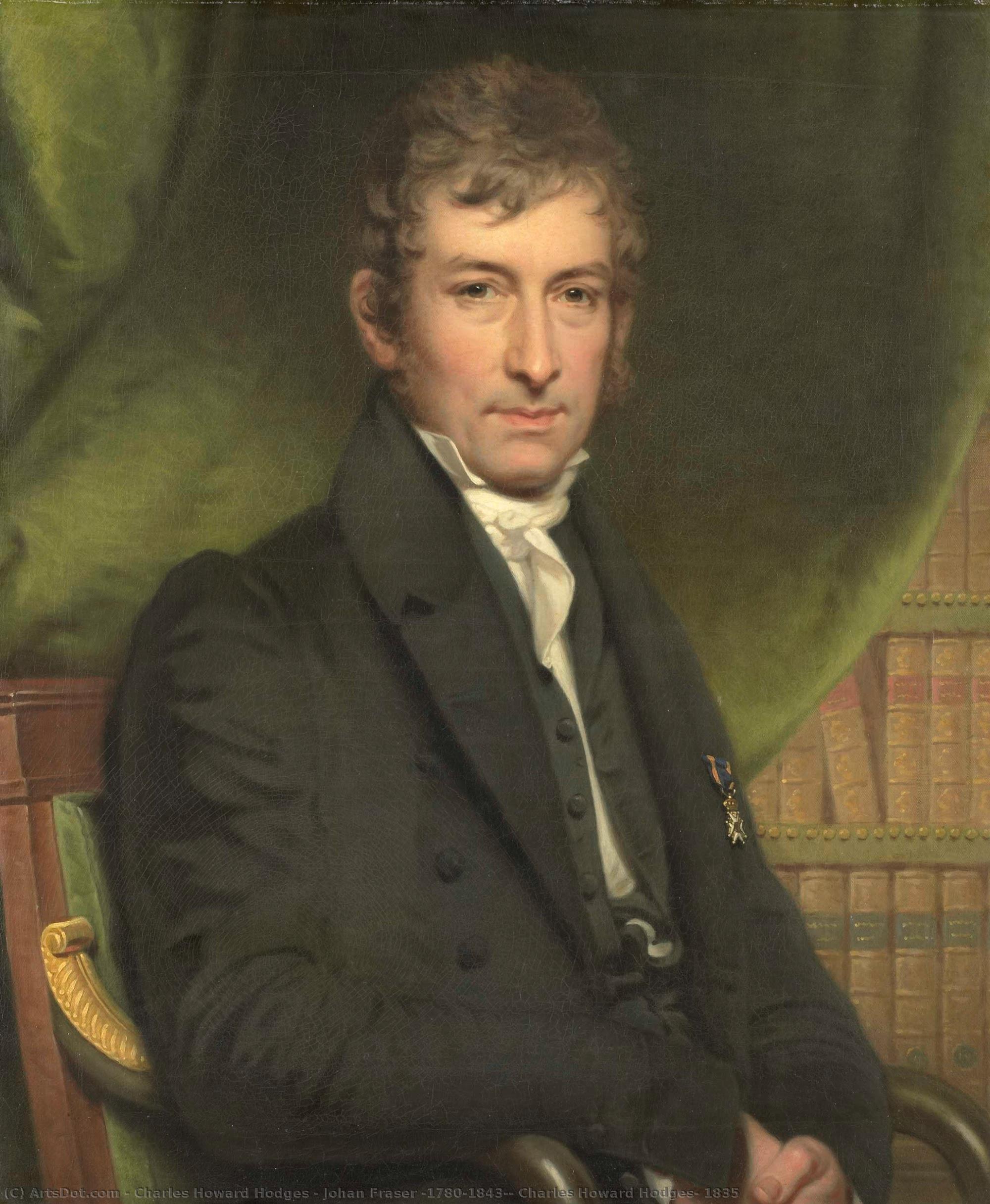
Johan Fraser (1780-1843), Charles Howard Hodges, 1835
 1835
1835 72.0 x 61.0 cm
 Ver más
Reproducción al óleo hecha a mano
Óleo sobre lienzo pintado a mano en el tamaño y marco de su elección, realizado por encargo por nuestros artistas. ( Comprar impresión Comprar imagen)




































Elija entre nuestros tamaños predefinidos que respetan las proporciones originales de la obra.

Puede ingresar sus propias dimensiones para adaptarse a un marco o espacio específico. Si el tamaño seleccionado no coincide con las proporciones de la imagen original, recortaremos la obra o extenderemos la pintura con elementos adicionales pintados a mano. Se le enviará una maqueta digital para su aprobación antes de comenzar la producción.
Tenga en cuenta que la vista previa en pantalla no refleja el recorte o la extensión reales. Solo la maqueta mostrará con precisión la composición final.
Si bien existen tamaños personalizados, recomendamos seleccionar una dimensión de la lista predefinida para preservar las proporciones originales.
Tras realizar el pedido, el equipo de ArtsDot.com enviará un correo electrónico al cliente para solicitar instrucciones y proporcionarle una vista previa del boceto.
Envío a todo el mundo () en 3-4 semanas en lugar de las 5 semanas estándar. (24 agosto). Sin comprometer la calidad.

Envío exprés gratuito a todo el mundo

Lienzo de lino de alta calidad

Seguro de envío total

Garantía de reembolso de impuestos aduaneros

Garantía de fidelidad cromática exacta

Política de devolución de 60 días (solo por defectos)

Garantía de devolución del 100% del dinero

Descuento por cantidad
 La opción de vidrio solo está disponible en tamaños inferiores a 110 cm.

Johan Fraser (1780-1843), Charles Howard Hodges, 1835
Técnica de reproducción
Dimensiones de la reproducción
-


Precio total final
$ 263
Descripción de la obra
Obras relacionadas







Biografía del artista
early life and training
Charles Howard Hodges (1764–1837), a british painter, was born in portsmouth. He began his artistic journey as a pupil of john raphael smith, a renowned artist of the time. In 1788, hodges visited amsterdam, which would later become his adopted home. Hodges’ formative years were marked by meticulous observation and disciplined study under smith's tutelage, absorbing classical principles that would underpin his subsequent artistic endeavors. This initial training instilled in him a profound understanding of anatomy, perspective, and composition—skills crucial for capturing the essence of human form and conveying narrative depth within his paintings.career and notable works
After a two-year sojourn in dublin, hodges relocated to the hague in 1792, eventually settling in amsterdam in 1797. There, he flourished under the mentorship of johann friedrich august tischbein at prinsengracht n° 205, where he honed his mezzotint and pastel techniques—skills he had acquired during his formative years in england and from tischbein himself. Hodges quickly established himself as a prolific portrait painter, earning acclaim for portraying over 700 prominent figures of his era. His subjects encompassed leaders of the netherlands during the napoleonic period: willem v, rutger jan schimmelpenninck, louis bonaparte, and napoleon bonaparte—individuals whose likenesses he meticulously rendered with remarkable accuracy and psychological insight. Notably, hodges undertook a singular commission to depict sebald justinus brugmans, capturing his subject’s dignified countenance with masterful precision.technique and style
Hodges' artistic prowess resided primarily in two distinct mediums: mezzotint and pastel. Mezzotint demanded painstaking etching—a process involving roughening the plate surface and applying ink to create tonal gradations—resulting in prints characterized by velvety textures and nuanced shading. Simultaneously, hodges mastered pastel drawing, utilizing powdered pigment adhered to paper with gum arabic binder, allowing for spontaneous blending and vibrant color palettes. These techniques reflected a commitment to capturing subtle nuances of light and shadow, mirroring the stylistic sensibilities prevalent during neoclassicism.influence and legacy
In 1815, hodges played an instrumental role in advising the dutch government on the repatriation of artworks seized by france during the napoleonic wars—a pivotal moment shaping cultural heritage policy. Although the return of all confiscated treasures from paris proved elusive, hodges’ portraits endured as enduring symbols of dutch artistic achievement. His works are prominently displayed within the rijksmuseum in amsterdam and numerous other museums across europe, cementing his position as a cornerstone of 19th-century portraiture and demonstrating the lasting impact of neoclassical principles on artistic expression. Hodges' legacy continues to inspire artists today, reminding us of the power of observation, disciplined craftsmanship, and unwavering dedication to capturing the human spirit with profound beauty and intellectual rigor.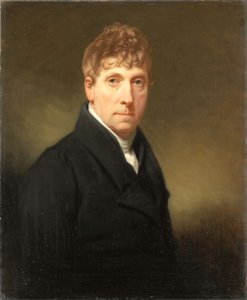
Charles Howard Hodges
1764 - 1837 , Inglaterra
Datos clave
- Artistic Movement Or Style: Mezzotint y Pastel
- Artists Or Movements Influenced By This Artist: ['Neoclasicismo']
- Artists Who Influenced This Artist: ['John Raphael Smith']
- Date Of Birth: 1764
- Full Name: Charles Howard Hodges
- Nationality: Británico
- Notable Artworks:
- Retrato de Willem V
- Retrato de Rutger Jan Schimmelpenninck
- Retrato de Luis Bonaparte
- Place Of Birth: Portsmouth, Inglaterra

