

 Ver en contexto
 Enviar
 Compartir
 Detalles

 Descargar
 Similares
 Radiografía
 Presentación de diapositivas
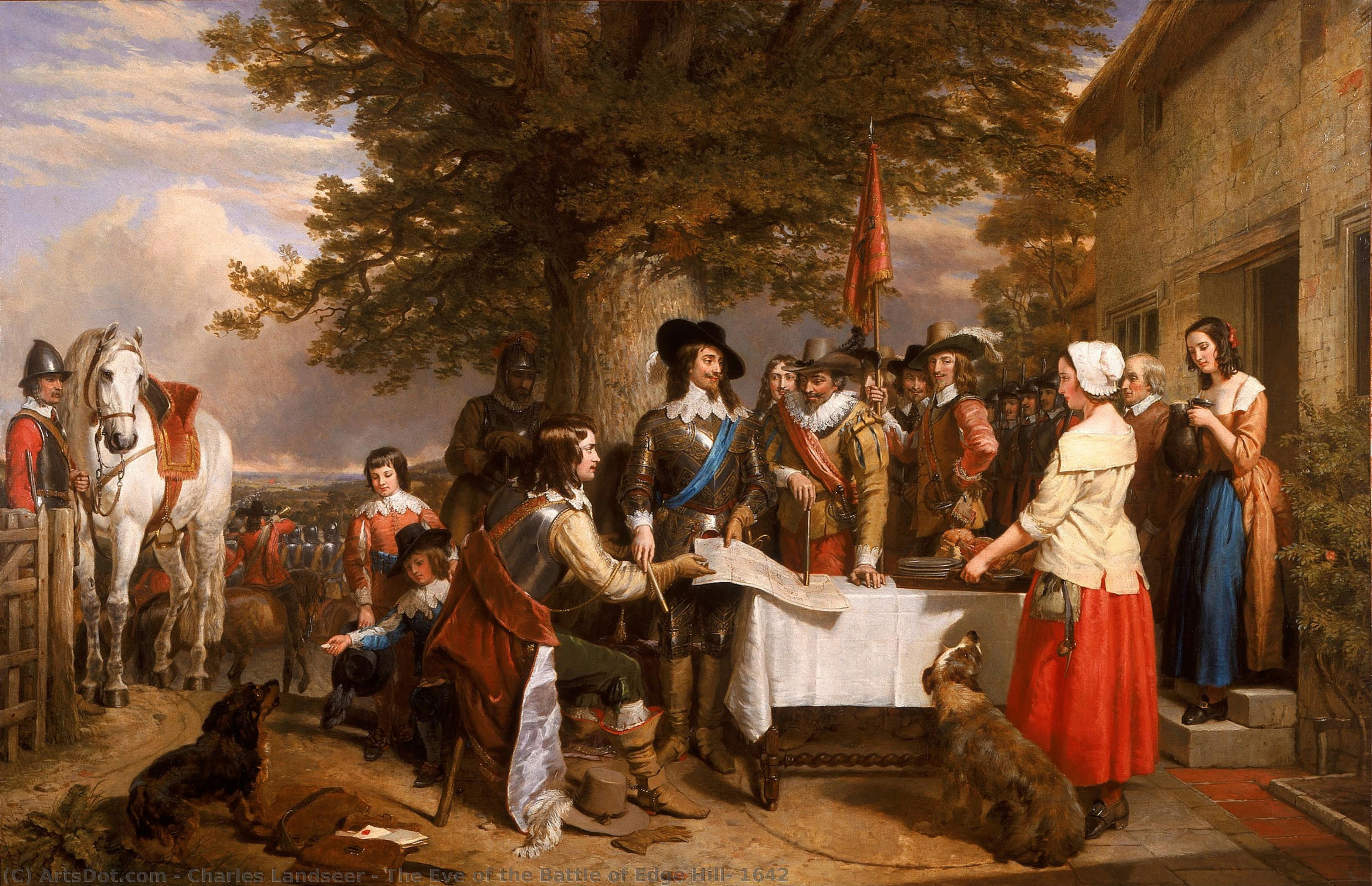
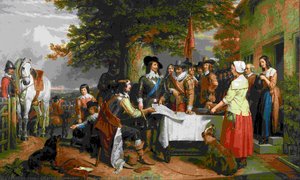
The Eve of the Battle of Edge Hill, 1642
 Oil On Canvas
- WallArt
- Romanticism
 1845
1845- 19th Century
 2137.0 x 1410.0 cm
 Galería de Arte Walker
 Ver más
Adquiera una imagen digital de alta resolución y optimizada, muy superior a la vista previa en línea.
Cada archivo es preparado meticulosamente por nuestros especialistas internos mediante el uso de herramientas avanzadas y un experto retoque manual. Nos aseguramos de que cada imagen posea una claridad excepcional, una precisión cromática impecable y un detalle minucioso.
El archivo final se entrega por correo electrónico en un plazo de 72 horas, optimizado para su uso inmediato en entornos profesionales, editoriales y de impresión. Esta es la misma calidad en la que confían los estudios de diseño, las editoriales y las galerías de primer nivel.
Imagen Digital
Descarga un archivo de alta resolución para exhibición personal, impresión y proyectos creativos. ( Comprar impresión Comprar pintura hecha a mano)
Incluido en cada pedido de imágenes digitales
Entrega digital experta, garantizada.
Al elegir ArtsDot.com, no solo está adquiriendo una imagen; está recibiendo una obra de arte digital mejorada profesionalmente, elaborada con precisión y respaldada por una garantía de satisfacción. Esto es todo lo que incluye su pedido, automáticamente:

Entrega rápida por email
Recibirá su archivo de imagen digital en alta resolución por correo electrónico en un plazo de 72 horas tras realizar su pedido, listo para su uso inmediato.

Archivo digital optimizado por IA
Su obra de arte se optimiza profesionalmente mediante herramientas avanzadas de IA y edición manual, garantizando el máximo detalle, claridad y precisión cromática.

Reenvío gratuito de por vida
¿Has borrado o perdido tu archivo por error? No te preocupes: te lo volveremos a enviar en cualquier momento, sin coste adicional.

Sin gastos de importación, siempre
Disfrute de su obra de arte al instante sin aduanas, aranceles ni gastos de envío; las descargas digitales siempre están libres de impuestos.

Garantía de fidelidad de color
Garantizamos que su imagen digital refleje los colores originales con la mayor fidelidad posible, mediante el uso de herramientas profesionales y gestión del color.

Garantía de satisfacción de 60 días
Si no está satisfecho con su imagen digital, la revisaremos o le reembolsaremos el 100% en un plazo de 60 días, sin preguntas.

100% Garantía de devolución de dinero
¿No está satisfecho? Obtenga un reembolso completo dentro de los 60 días posteriores a la recepción de su archivo digital, sin necesidad de explicaciones.

Descuentos por pedidos grandes
Compra 3 imágenes, ahorra 10% - Compra 5, ahorra 15% - Compra 10+, ahorra 20%. Ideal para proyectos creativos, galerías y agencias.
A Moment Frozen in Time: The Eve of the Battle of Edge Hill
In the grand tapestry of English history, few moments possess the quiet, heavy tension found in Charles Landseer’s 1845 masterpiece, The Eve of the Battle of Edge Hill, 1642. This evocative historical scene captures a council of war within the Royalist camp, set on the precipice of the first major conflict of the English Civil War. As the eye wanders through the composition, it encounters a world caught between the rigid duties of command and the fleeting distractions of human nature. Landseer masterfully orchestrates a gathering of figures—King Charles I, Prince Rupert, and the Earl of Lindsey—around a map that dictates the fate of a nation, yet the true soul of the painting lies in its subtle, almost heartbreaking, psychological depth.
The technique employed by Landseer reflects the height of nineteenth-century historical painting, blending meticulous detail with an atmospheric richness that breathes life into the Royalist camp. The artist utilizes a sophisticated interplay of light and shadow to direct the viewer's gaze, moving from the strategic intensity of the commanders pointing at the map to the more tender, domestic elements of the scene. One cannot help but notice the exquisite rendering of textures, from the heavy fabrics of the formal attire to the spirited presence of the animals. A fascinating footnote in the painting's history reveals that the dogs, painted by Landseer’s brother Edwin, were so beloved they were occasionally cut out and sold as separate works, a testament to the incredible anatomical precision and charm brought to this larger historical narrative.
Symbolism and the Weight of Destiny
Beyond the mere documentation of a military council, the painting serves as a profound allegory for the fragility of power. Landseer embeds a poignant sense of foreshadowing within the frame; while his commanders focus on the tactical maneuvers of the upcoming battle, King Charles I is depicted with a wandering concentration. His gaze drifts away from the strategic map, drawn instead to a pretty maid serving a dish of bacon. This subtle choice by the artist serves as a powerful symbol of the King's ultimate defeat—a moment where the distractions of the present moment overshadow the monumental responsibilities of the crown. It is a masterful use of character study to prefigure the tragic trajectory of the monarchy.
Contrasting this heavy political tension is the innocence of the future. Amidst the looming shadows of war, the King’s young sons, the future Charles II and James II, play playfully with a dog. This juxtaposition of childhood innocence against the grim machinery of war creates an emotional resonance that is deeply moving for any observer. The presence of the horses, standing watchful and poised throughout the camp, adds to the sense of restless anticipation, as if the very landscape itself is holding its breath before the storm of battle breaks.
An Essential Addition for Discerning Collectors
For the art collector or interior designer, a high-quality reproduction of this work offers more than just a decorative element; it provides a window into a pivotal era of human drama. The painting’s expansive scale and rich, warm palette make it an extraordinary centerpiece for a library, a formal study, or a grand dining hall. Its ability to spark conversation—ranging from the intricacies of the English Civil War to the fascinating familial collaboration between the Landseer brothers—ensures that it remains a focal point of intellectual and aesthetic engagement.
Owning a piece that captures such profound historical gravity allows one to surround themselves with the storytelling power of the Romantic era. Whether you are drawn to the strategic tension of the council, the delicate beauty of the period details, or the tragic symbolism of the wandering King, this work stands as a timeless testament to the ability of art to capture the fleeting moments that change the course of history forever.
Obras relacionadas


Biografía del artista
primeros años y formación
charles landseer, un destacado pintor inglés, nació el 12 de agosto de 1799 en Londres, hijo del grabador john landseer. Fue el segundo hijo y hermano mayor de sir edwin landseer, un renombrado pintor de animales. Charles se formó bajo la guía de su padre y más tarde estudió con benjamin robert haydon, un pintor célebre por sus temas históricos.trayectoria artística y obras notables
La carrera artística de charles landseer se extendió durante más de seis décadas, periodo en el cual se especializó en la pintura de temas históricos. Entre sus obras más memorables se encuentran:- el encuentro de carlos i y sus seguidores antes de la batalla de edgehill (expuesto en la tate gallery)
- clarissa harlowe en la sala de detención de la oficina del alguacil (1833, actualmente en la colección de la tate britain, londres)
- el saqueo de la casa de un judío durante el reinado de ricardo i (1839, tate gallery)
- la tentación de andrew marvel (1841)
logros y legado
En 1815, charles landseer fue galardonado con la paleta de plata de la royal society of arts por un dibujo de laocoonte. En 1837 se convirtió en asociado de la royal academy y en 1845 alcanzó el rango de académico pleno. En 1851, fue nombrado conservador de la royal academy, cargo que desempeñó hasta 1873. Es fundamental destacar que el legado de charles landseer trasciende sus contribuciones artísticas; dejó la suma de £10,000 a la royal academy para financiar becas, conocidas hoy como las becas landseer.referencias y lecturas adicionales
Para obtener más información sobre la vida y obra de charles landseer, visite: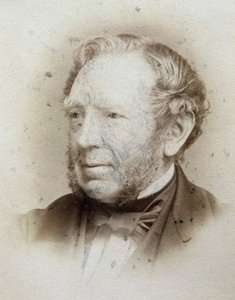
Charles Landseer
1799 - 1879 , Reino Unido

