 Ver en contexto
 Enviar
 Compartir
 Detalles

 Descargar
 Similares
 Radiografía
 Presentación de diapositivas
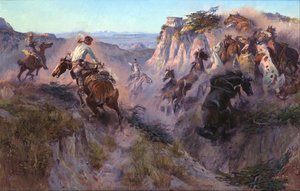
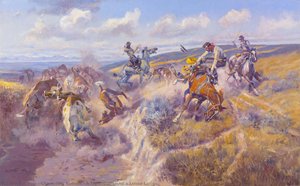
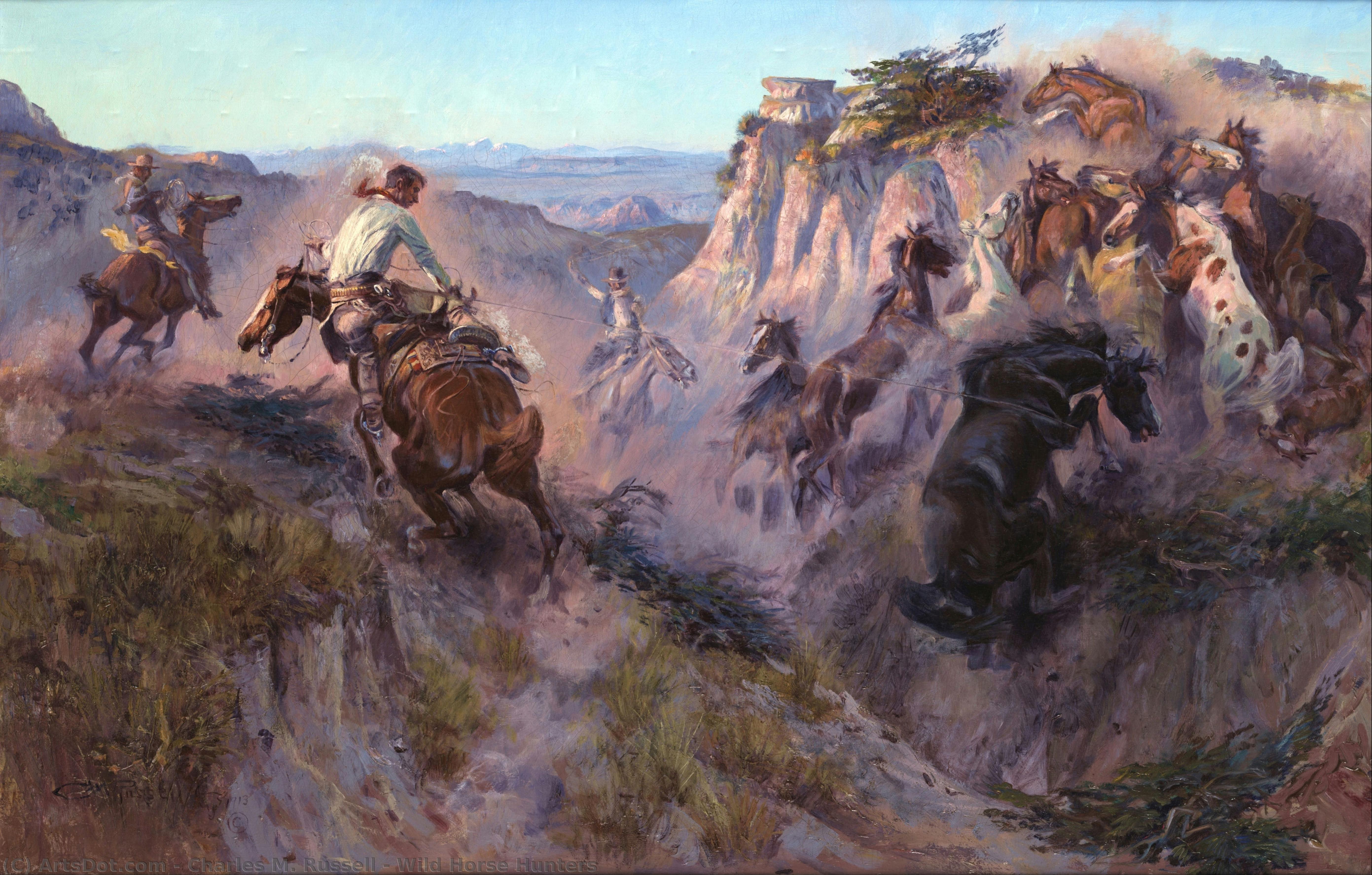
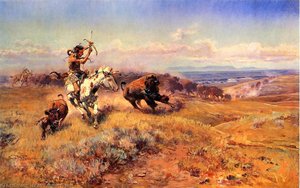
Cazadores de caballos salvajes
 Óleo sobre lienzo
- Arte de pared
- Realismo del Oeste
 1913
1913- Siglo XIX
 76.0 x 119.0 cm
 Amon Carter Museo de Arte Estadounidense
 Ver más
Reproducción al óleo hecha a mano
Óleo sobre lienzo pintado a mano en el tamaño y marco de su elección, realizado por encargo por nuestros artistas. ( Comprar impresión Comprar imagen)




P118B $10

P118H $10

P118W $10

P438Z $10

P508JH $12

P508YH $12

P805H $10

P805Z $10

P919BZ $10

P919G $10

P919XJ $10

P959ZH $10

P968JZ $12

W106C $8

W218G $10

W218JH $8

W218Y $10

W307PJ $10

W316G $10

W316PJ $8

W316Y $10

W398PJ $8

W4111J $10

W500HY $15

W500JH $15

W692G $12

W849H $8

W940BG $15

W953PJ $8




Elija entre nuestros tamaños predefinidos que respetan las proporciones originales de la obra.

Puede ingresar sus propias dimensiones para adaptarse a un marco o espacio específico. Si el tamaño seleccionado no coincide con las proporciones de la imagen original, recortaremos la obra o extenderemos la pintura con elementos adicionales pintados a mano. Se le enviará una maqueta digital para su aprobación antes de comenzar la producción.
Tenga en cuenta que la vista previa en pantalla no refleja el recorte o la extensión reales. Solo la maqueta mostrará con precisión la composición final.
Si bien existen tamaños personalizados, recomendamos seleccionar una dimensión de la lista predefinida para preservar las proporciones originales.
Tras realizar el pedido, el equipo de ArtsDot.com enviará un correo electrónico al cliente para solicitar instrucciones y proporcionarle una vista previa del boceto.
Envío a todo el mundo () en 3-4 semanas en lugar de las 5 semanas estándar. (24 agosto). Sin comprometer la calidad.

Envío exprés gratuito a todo el mundo

Lienzo de lino de alta calidad

Seguro de envío total

Garantía de reembolso de impuestos aduaneros

Garantía de fidelidad cromática exacta

Política de devolución de 60 días (solo por defectos)

Garantía de devolución del 100% del dinero

Descuento por cantidad
 La opción de vidrio solo está disponible en tamaños inferiores a 110 cm.

Cazadores de caballos salvajes
Técnica de reproducción
Dimensiones de la reproducción
-


Precio total final
$ 313
Descripción de la obra
A Symphony of Grit and Grace on the American Frontier
In the vast, untamed expanse of the American West, few images capture the raw pulse of life quite like Charles Marion Russell’s 1913 masterpiece, Wild Horse Hunters. This monumental oil painting is far more than a mere historical record; it is a visceral immersion into a world defined by movement, dust, and the relentless pursuit of freedom. As the viewer’s eye meets the canvas, they are immediately swept into a panoramic vista where rolling hills dissolve into a hazy, distant horizon, creating an overwhelming sense of scale. At the heart of this drama, a group of cowboys on horseback engages in a high-stakes chase across rugged, rocky terrain. The composition is masterfully orchestrated to guide the gaze through the chaos of the hunt, using the powerful diagonal lines of charging horses and leaning riders to instill a palpable sense of kinetic energy that seems to vibrate off the canvas.
Russell, often revered as the "Cowboy Artist," did not merely observe the frontier from a distance; he lived it. Having spent years working in Montana’s Judith Basin, his brushstrokes are informed by the very dust and sweat depicted in his work. This firsthand intimacy is evident in his commitment to Western Realism. Eschewing the polished, idealized aesthetics common in much of the era's art, Russell embraced a grittier, more textured approach. He utilized thick impasto techniques—applying paint heavily to capture the tactile roughness of rocky cliffs and the wild, flowing manes of the horses. This heavy texture, combined with visible, expressive brushwork, lends the scene a rugged authenticity that resonates deeply with those who appreciate art that feels alive and unrefined.
The Palette of the Wilderness and Emotional Resonance
The color story of Wild Horse Hunters is one of earthy harmony and dramatic contrast. The palette is dominated by the natural tones of the frontier: deep ochres, warm tans, weathered browns, and muted greens that suggest a landscape shaped by sun and wind. These somber, grounded hues are punctuated by brilliant highlights of white on the horses' coats and sudden flashes of blue in the shadows, providing a necessary visual tension. The lighting suggests the golden hour of late afternoon, where long, dramatic shadows stretch across the terrain, adding a layer of cinematic suspense to the pursuit. This interplay of light and shadow does more than define form; it heightens the emotional stakes of the hunt, casting the cowboys as figures caught in a fleeting moment of intense struggle and triumph.
For the collector or interior designer, this artwork offers a profound sense of narrative depth and atmospheric presence. Beyond the technical brilliance, the painting serves as a symbol of rugged individualism and the enduring spirit of exploration. The dust kicked up by the thundering hooves acts as a metaphor for the beautiful chaos of life on the edge of civilization. To hang a reproduction of this work is to invite a piece of American mythology into a space—a window into a time when the boundary between man and nature was a thin, exhilarating line. It provides an anchor of strength and adventure, making it an ideal centerpiece for those seeking to evoke themes of heritage, resilience, and the untamed beauty of the natural world.
Obras relacionadas
![Wild Horse Hunters [no. 2] — Charles Marion Russell, American Romanticism](/media/artworks/images-thumb/c2/49/c2497737fcda094617b952f27aa21547.jpg)
Biografía del artista
Primeros años e inspiración
Charles Marion Russell, un renombrado artista estadounidense, dejó una huella imborrable en el mundo del arte con sus cautivadoras representaciones del oeste americano. Nacido el 19 de marzo de 1864 en St. Louis, Missouri, la vida de Russell fue un testimonio de su pasión por el arte y el salvaje oeste.Carrera artística y obras notables
La carrera artística de Russell abarcó múltiples medios, incluyendo pintura y escultura en bronce. Sus obras se caracterizan por sus vívidas representaciones de vaqueros, nativos americanos y paisajes ubicados en los Estados Unidos occidentales y Alberta, Canadá. Algunas obras notables incluyen:- A Bad Hoss (1904) - un ejemplo esencial de la capacidad de Russell para capturar el espíritu del oeste americano. (ver obras similares en ArtsDot)
- Batalla del Río Belly River (1905) - esta pintura muestra la habilidad de Russell para representar escenas dramáticas con precisión y detalle. (explorar más arte occidental en ArtsDot)
- Lewis y Clark se encuentran con los indios en Ross' Hole (1916) - un mural notable que cuelga en las cámaras de la casa del capitolio de Montana, mostrando el estilo narrativo histórico de Russell. (descubrir más arte americano en ArtsDot)
Desarrollo artístico y influencias
La fascinación de Russell por el oeste comenzó en su infancia, leyendo relatos de exploradores y comerciantes de pieles. A los 16 años, se trasladó a Montana para trabajar en una granja de ovejas, lo que le permitió experimentar la vida del oeste de primera mano. Su tiempo como vaquero y wrangler durante once años fue crucial para su desarrollo artístico, proporcionándole el material y la inspiración para sus pinturas. La cultura nativa americana también influyó profundamente en Russell, especialmente después de vivir cerca de las tribus Blackfoot, Piegan y Blood en Alberta, Canadá, en 1888. Esta experiencia se reflejó en sus detalladas representaciones de la vida de los nativos americanos.Legado y colecciones
El legado de Russell está preservado a través de varias colecciones, incluyendo:- El Complejo del Museo C. M. Russell en Great Falls, Montana, que alberga más de 2000 obras de arte de Russell, objetos personales y artefactos.
- La Sociedad Histórica de Montana en Helena, Montana, que presenta una colección significativa de las obras de Russell.
- El Centro Buffalo Bill del Oeste en Cody, Wyoming, que muestra el arte de Russell y el oeste americano.
Conclusión
El legado artístico de Charles Marion Russell continúa cautivando al público con su auténtica representación del oeste americano. A través de sus obras, experimentamos la esencia de una época pasada, preservada para siempre en el reino del arte. Explore más del arte de Russell y otras obras maestras occidentales en ArtsDot.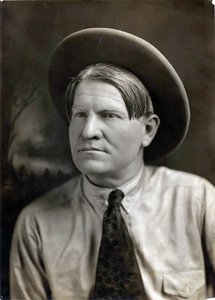
Charles Marion Russell
1864 - 1926 , Estados Unidos de América
Datos clave
- Estilo Artístico: Arte del Viejo Oeste
- Fecha De Fallecimiento: 24 de octubre de 1926
- Fecha De Nacimiento: 19 de marzo de 1864
- Lugar De Nacimiento: St. Louis, EE. UU.
- Nacionalidad: Estadounidense
- Nombre Completo: Charles Marion Russell
- Obras Notables:
- A Bad Hoss
- Battle of Belly River
- Lewis and Clark Meeting Indians
Artículos relacionados
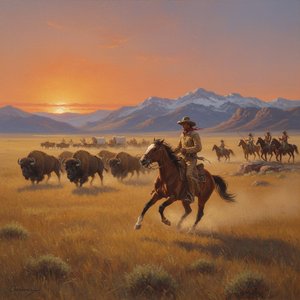
Charles Marion Russell: Capturing the American West Through a Romantic Lens
Explore the captivating world of Charles Marion Russell, 'the cowboy artist.' Discover his life, iconic paintings, advocacy for Native Americans, and investment potential. A guide for discerning art collectors.
Benjamin West: Transatlantic Ambition & Shaping American Art
Explore the life & legacy of Benjamin West, pioneering American artist and Royal Academy president. Discover his Neoclassical masterpieces, transatlantic influence, and lasting impact on art history. Learn more at ArtsDot.
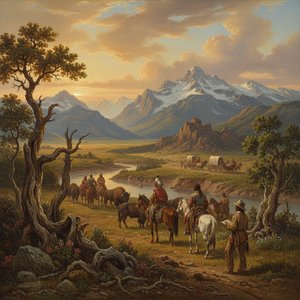
Alfred Jacob Miller: Chronicling the American West Through Artistic Observation & Narrative
Explore the captivating art of Alfred Jacob Miller, chronicler of the American West. Discover his iconic paintings, techniques & lasting legacy – a valuable addition to any serious collection. Learn more at ArtsDot.
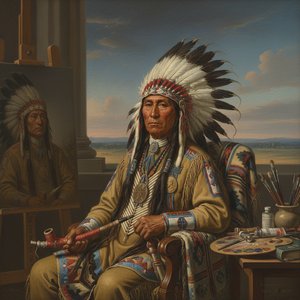
Charles Bird King: Capturing Native American Dignity Through Portraiture & Cultural Exchange
Explore the captivating portraits of Charles Bird King, renowned for his depictions of Native American leaders. Discover the historical context, artistic techniques, and collecting value of these significant 19th-century artworks.
Grant Wood & American Regionalism: Identity, Myth & the Rural Landscape
Explore the world of Grant Wood & American Regionalism with ArtsDot. Discover the symbolism behind 'American Gothic', recurring themes, and the movement's lasting impact on art history. High-quality reproductions available.