 Vista previa
 Compartir
 Compartir
 Ver detalles

 Descargar
 Ver similares
 Radiografía
 Presentación de diapositivas
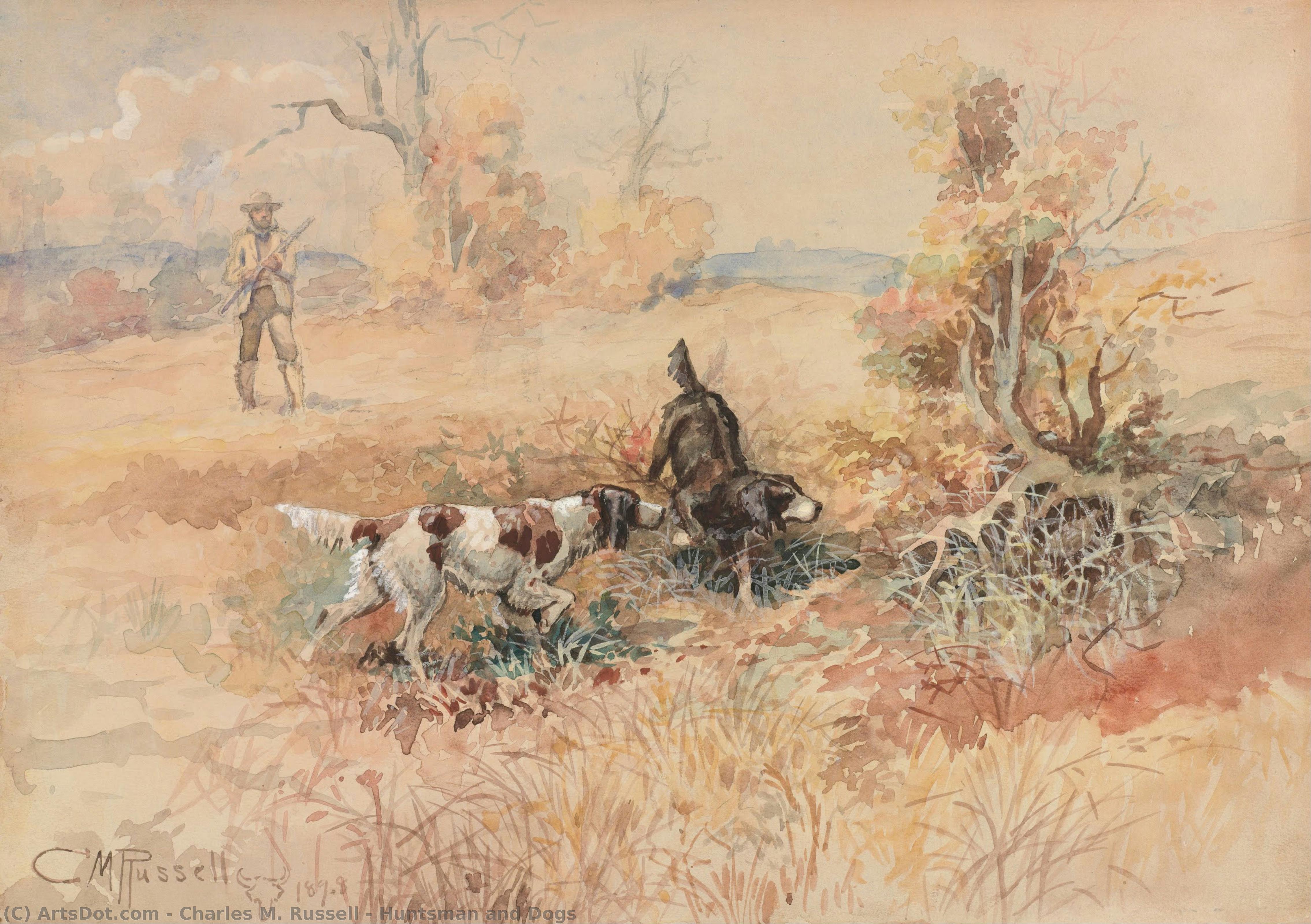
Huntsman and Dogs
 Acuarela
- Arte de pared
- Impressionistic Realism
 1898
1898- Siglo XIX
 37.0 x 26.0 cm
 Amon Carter Museo de Arte Estadounidense
 Leer más
Reproducción al óleo hecha a mano
Óleo sobre lienzo pintado a mano en el tamaño y marco de su elección, realizado por encargo por nuestros artistas. ( Pedir impresión Comprar descarga)




P118B $10

P118H $10

P118W $10

P438Z $10

P508JH $12

P508YH $12

P805H $10

P805Z $10

P919BZ $10

P919G $10

P919XJ $10

P959ZH $10

P968JZ $12

W106C $8

W218G $10

W218JH $8

W218Y $10

W307PJ $10

W316G $10

W316PJ $8

W316Y $10

W398PJ $8

W4111J $10

W500HY $15

W500JH $15

W692G $12

W849H $8

W940BG $15

W953PJ $8




Elija entre nuestros tamaños predefinidos que respetan las proporciones originales de la obra.

Puede ingresar sus propias dimensiones para adaptarse a un marco o espacio específico. Si el tamaño seleccionado no coincide con las proporciones de la imagen original, recortaremos la obra o extenderemos la pintura con elementos adicionales pintados a mano. Se le enviará una maqueta digital para su aprobación antes de comenzar la producción.
Tenga en cuenta que la vista previa en pantalla no refleja el recorte o la extensión reales. Solo la maqueta mostrará con precisión la composición final.
Si bien existen tamaños personalizados, recomendamos seleccionar una dimensión de la lista predefinida para preservar las proporciones originales.
Tras realizar el pedido, el equipo de ArtsDot.com enviará un correo electrónico al cliente para solicitar instrucciones y proporcionarle una vista previa del boceto.
Envío a todo el mundo () en 3-4 semanas en lugar de las 5 semanas estándar. (21 agosto). Sin comprometer la calidad.

Envío exprés gratuito a todo el mundo

Lienzo de lino de alta calidad

Seguro de envío completo

Garantía de reembolso de aranceles aduaneros

Garantía de fidelidad cromática exacta

Política de devolución de 60 días (solo por defectos)

Garantía de devolución del 100% del dinero

Oferta por volumen
 La opción de vidrio solo está disponible en tamaños inferiores a 110 cm.

Huntsman and Dogs
Técnica de reproducción
Tamaño de la reproducción
-


Precio total
$ 263
Descripción de la obra
A Lone Figure Against the Vast West: Charles Marion Russell’s “Huntsman and Dogs”
Charles Marion Russell's "Huntsman and Dogs," painted in 1898, isn’t merely a depiction of a Western hunting scene; it’s a profound meditation on solitude, connection to nature, and the enduring spirit of the American frontier. Born in St. Louis and forged by a life spent immersed in Montana's rugged landscape, Russell possessed an unparalleled ability to capture not just the visual elements but also the very essence of the West—its vastness, its challenges, and its quiet beauty. This particular painting, rendered in delicate watercolor on paper, exemplifies his signature style: a blend of realistic observation with impressionistic brushwork that imbues the scene with a palpable sense of atmosphere and emotion.
The composition immediately draws the eye to the solitary huntsman, positioned slightly off-center against a backdrop of rolling hills and a dramatic, cloud-streaked sky. Two dogs, alert and poised, flank him, suggesting an imminent pursuit. The low horizon line emphasizes the immense scale of the landscape, dwarfing the figures and placing them within a truly epic setting. Russell masterfully utilizes atmospheric perspective – the subtle lightening and blurring of distant elements – to create a convincing illusion of depth, drawing the viewer into the heart of the scene. The muted earth tones—browns, tans, ochres—are punctuated by hints of blue and gray, evoking the cool shadows cast by the approaching dusk or perhaps an early morning light.
Technique and Materials: A Watercolor Masterpiece
Russell’s choice of watercolor as his primary medium is crucial to understanding the painting's evocative power. The loose, fluid application of paint—characterized by visible brushstrokes and washes of color—creates a textured surface that feels both immediate and spontaneous. Unlike the crisp lines of academic realism, Russell embraces the inherent unpredictability of watercolor, allowing the colors to bleed and mingle, mirroring the natural world’s organic forms. Dry brushwork is particularly evident in the rendering of foliage and grasses, adding a tactile quality to the scene. The layering of washes—building up color gradually—allows him to capture subtle shifts in light and shadow, contributing significantly to the painting's atmospheric depth.
The paper itself plays an important role. It’s likely a high-quality watercolor paper chosen for its ability to absorb water and hold pigment effectively. The slight texture of the paper adds another layer of visual interest, complementing the artist’s loose brushwork. The painting was completed in 1898, a period when Russell was establishing himself as one of the leading Western artists, experimenting with techniques that would become his trademark.
Symbolism and Narrative
Beyond its picturesque beauty, “Huntsman and Dogs” is rich in symbolic meaning. The solitary huntsman represents self-reliance, resilience, and a deep connection to the land—qualities highly valued in the Western ethos. The dogs, loyal companions on this arduous journey, symbolize friendship, teamwork, and the enduring bond between humans and animals. The vast landscape itself serves as a metaphor for the challenges and opportunities of frontier life. It’s a reminder of both the beauty and the harshness of the West, a place where survival demanded courage, skill, and an intimate understanding of nature.
Russell's background as a working cowboy profoundly shaped his artistic vision. He wasn’t simply painting what he saw; he was translating his lived experience—the smells of the campfire, the feel of the wind on his face, the sounds of the wilderness—onto canvas. His depictions of Native Americans and frontier life were often imbued with respect for indigenous cultures and a critical perspective on westward expansion.
A Legacy of the American West
"Huntsman and Dogs" stands as a testament to Charles Marion Russell’s extraordinary talent and his profound understanding of the American West. It's a painting that invites contemplation, sparking an appreciation for both the beauty and the complexities of this iconic landscape. Reproductions capture much of the original’s atmosphere, but nothing truly replicates the tactile quality of the brushstrokes or the emotional resonance of the scene. Today, Russell’s work continues to inspire artists and collectors alike, solidifying his place as one of America's most beloved Western painters.
Obras relacionadas
Biografía del artista
Primeros años e inspiración
Charles Marion Russell, un renombrado artista estadounidense, dejó una huella imborrable en el mundo del arte con sus cautivadoras representaciones del oeste americano. Nacido el 19 de marzo de 1864 en St. Louis, Missouri, la vida de Russell fue un testimonio de su pasión por el arte y el salvaje oeste.Carrera artística y obras notables
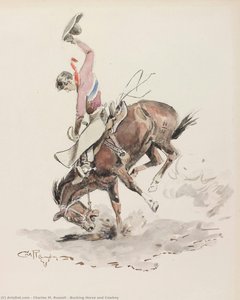
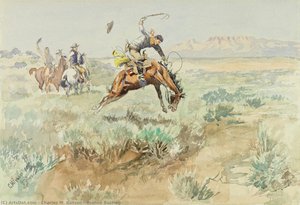
La carrera artística de Russell abarcó múltiples medios, incluyendo pintura y escultura en bronce. Sus obras se caracterizan por sus vívidas representaciones de vaqueros, nativos americanos y paisajes ubicados en los Estados Unidos occidentales y Alberta, Canadá. Algunas obras notables incluyen:- A Bad Hoss (1904) - un ejemplo esencial de la capacidad de Russell para capturar el espíritu del oeste americano. (ver obras similares en ArtsDot)
- Batalla del Río Belly River (1905) - esta pintura muestra la habilidad de Russell para representar escenas dramáticas con precisión y detalle. (explorar más arte occidental en ArtsDot)
- Lewis y Clark se encuentran con los indios en Ross' Hole (1916) - un mural notable que cuelga en las cámaras de la casa del capitolio de Montana, mostrando el estilo narrativo histórico de Russell. (descubrir más arte americano en ArtsDot)
Desarrollo artístico y influencias
La fascinación de Russell por el oeste comenzó en su infancia, leyendo relatos de exploradores y comerciantes de pieles. A los 16 años, se trasladó a Montana para trabajar en una granja de ovejas, lo que le permitió experimentar la vida del oeste de primera mano. Su tiempo como vaquero y wrangler durante once años fue crucial para su desarrollo artístico, proporcionándole el material y la inspiración para sus pinturas. La cultura nativa americana también influyó profundamente en Russell, especialmente después de vivir cerca de las tribus Blackfoot, Piegan y Blood en Alberta, Canadá, en 1888. Esta experiencia se reflejó en sus detalladas representaciones de la vida de los nativos americanos.Legado y colecciones
El legado de Russell está preservado a través de varias colecciones, incluyendo:- El Complejo del Museo C. M. Russell en Great Falls, Montana, que alberga más de 2000 obras de arte de Russell, objetos personales y artefactos.
- La Sociedad Histórica de Montana en Helena, Montana, que presenta una colección significativa de las obras de Russell.
- El Centro Buffalo Bill del Oeste en Cody, Wyoming, que muestra el arte de Russell y el oeste americano.
Conclusión
El legado artístico de Charles Marion Russell continúa cautivando al público con su auténtica representación del oeste americano. A través de sus obras, experimentamos la esencia de una época pasada, preservada para siempre en el reino del arte. Explore más del arte de Russell y otras obras maestras occidentales en ArtsDot.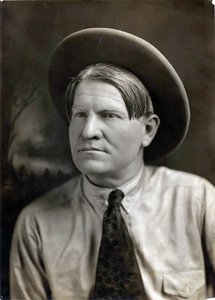
Charles Marion Russell
1864 - 1926 , Estados Unidos de América
Datos clave
- Estilo Artístico: Arte del Viejo Oeste
- Fecha De Fallecimiento: 24 de octubre de 1926
- Fecha De Nacimiento: 19 de marzo de 1864
- Lugar De Nacimiento: St. Louis, EE. UU.
- Nacionalidad: Estadounidense
- Nombre Completo: Charles Marion Russell
- Obras Notables:
- A Bad Hoss
- Battle of Belly River
- Lewis and Clark Meeting Indians
Artículos relacionados
Charles Marion Russell: Capturing the American West Through a Romantic Lens
Explore the captivating world of Charles Marion Russell, 'the cowboy artist.' Discover his life, iconic paintings, advocacy for Native Americans, and investment potential. A guide for discerning art collectors.

Acuarelas Legendarias: 10 Obras Maestras que Transformaron el Arte | ArtsDot
Descubre 10 acuarelas legendarias de Turner, Monet y Sargent que revolucionaron el arte. Explora la historia, técnica y belleza de estas obras maestras impresionistas y románticas. Reproducciones de museo en ArtsDot.com.

Ephemeral Visions: Exploring the Artistic Legacy & Contemporary Practice of Watercolor Painting
Explore the captivating world of watercolor painting! Discover its rich history, essential techniques, influential artists & collecting tips. A comprehensive guide for art enthusiasts from ArtsDot.

Visiones Efímeras: Historia y Resonancia Emocional de la Pintura Acuarela
Descubre la fascinante historia de la acuarela, desde sus orígenes hasta su expresión contemporánea. Explora técnicas, artistas clave como Paul Klee y encuentra reproducciones de alta calidad en ArtsDot.

Ephemeral Visions: Exploring the Artistic Legacy & Nuances of Watercolor Painting
Explore the captivating world of watercolor painting! Discover its rich history, essential techniques, influential artists & collecting tips from art experts. A comprehensive guide for enthusiasts.