 Ver en contexto
 Enviar
 Compartir
 Detalles

 Descargar
 Similares
 Radiografía
 Presentación de diapositivas
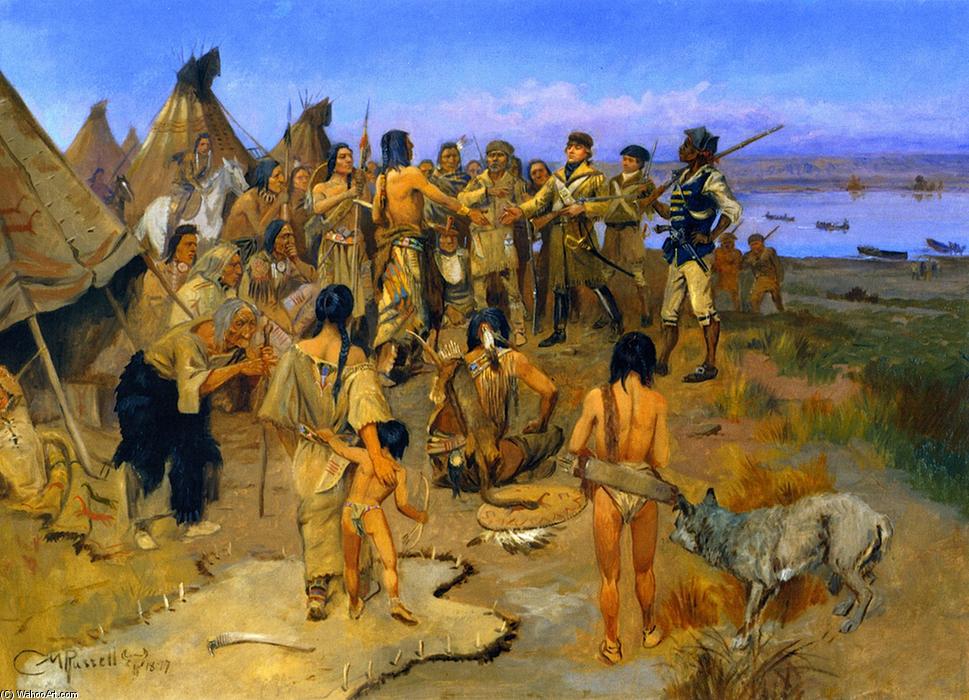
Lewis and Clark Meeting the Mandan Indians (also known as Captain William Clark of the Lewis and Clark Expedition Meeting with the Indians of the Northwest)


 Ver más
Giclée / Impresión de arte
Impresiones giclée o en lienzo de calidad de museo con producción rápida y opciones de acabado flexibles. ( Comprar pintura hecha a mano Comprar imagen)




P118B $10

P118H $10

P118W $10

P438Z $10

P508JH $12

P508YH $12

P805H $10

P805Z $10

P919BZ $10

P919G $10

P919XJ $10

P959ZH $10

P968JZ $12

W106C $8

W218G $10

W218JH $8

W218Y $10

W307PJ $10

W316G $10

W316PJ $8

W316Y $10

W398PJ $8

W4111J $10

W500HY $15

W500JH $15

W692G $12

W849H $8

W940BG $15

W953PJ $8




Elija entre nuestros tamaños predefinidos que respetan las proporciones originales de la obra.

Puede introducir sus propias dimensiones para adaptarse a un marco o espacio específico. Si el tamaño seleccionado no coincide con las proporciones de la imagen original, recortaremos la obra de arte o extenderemos la imagen con un borde con efecto espejo o de color sólido. Se enviará una maqueta digital para su aprobación antes de que comience la producción.
Tenga en cuenta que la vista previa en pantalla no refleja el recorte o la extensión real. Solo la maqueta mostrará con precisión la composición final.
Aunque existen tamaños personalizados, recomendamos seleccionar una dimensión de la lista predefinida para preservar las proporciones originales.
Envío a todo el mundo () en 2 semanas en lugar de las 4/5 semanas estándar. (29 agosto)

Envío exprés gratuito a todo el mundo

Lienzo de lino de alta calidad

Seguro de envío total

Garantía de reembolso de impuestos aduaneros

Garantía de fidelidad cromática exacta

Política de devolución de 60 días (solo por defectos)

Garantía de devolución del 100% del dinero

Descuento por cantidad
 La opción de vidrio solo está disponible en tamaños inferiores a 110 cm.

Lewis and Clark Meeting the Mandan Indians (also known as Captain William Clark of the Lewis and Clark Expedition Meeting with the Indians of the Northwest)
Giclée / Impresión de arte
Dimensiones de la reproducción
-


Precio total final
$ 62
Charles Marion Russell’s “Lewis and Clark Meeting the Mandan Indians”: A Window into the American West
Charles Marion Russell's "Lewis and Clark Meeting the Mandan Indians," completed in 1897, is more than just a painting; it’s a vibrant portal to a pivotal moment in American history. This oil on canvas masterpiece, currently housed within the Sid Richardson Collection of Western Art, captures not merely an event but the very spirit of exploration and cultural exchange that defined the era. Russell, a master of his craft, doesn't simply record a scene; he evokes a palpable sense of wonder and cautious optimism as Lewis and Clark initiate contact with the Mandan people, marking the first sustained interaction between European-Americans and Native Americans in this region.
- Subject Matter: The painting depicts the historic meeting between Captain William Clark of the Lewis and Clark Expedition and representatives of the Mandan tribe.
- Setting: A grassy field, a symbolic space representing both opportunity and potential conflict, becomes the stage for this encounter.
- Characters: Russell skillfully portrays figures from both cultures – the determined explorers, the wary but curious Native Americans, and their horses, integral to the landscape and the expedition’s progress.
A Symphony of Color and Texture: Russell's Artistic Technique
Russell’s mastery lies in his bold and expressive use of oil paint. He employs a technique characterized by thick impasto – layers of pigment built up on the canvas – creating a tactile surface that practically vibrates with energy. The colors are rich and saturated, reflecting the vastness of the Montana landscape and the intensity of the moment. Notice how he uses light to sculpt the forms, highlighting the textures of fur, leather, and woven garments. His brushstrokes aren’t delicate; they're assertive, conveying a sense of movement and immediacy. This isn't a static depiction; it feels as though you could step into the scene and witness the interaction unfold before your eyes.
Historical Context and Symbolism
The painting is inextricably linked to the Lewis and Clark Expedition (1804-1806), a defining chapter in American history. Russell’s work transcends a simple historical record, however. The boat on the water serves as a potent symbol of westward expansion – a relentless drive towards the unknown. The presence of the dogs adds an element of companionship and trust, hinting at the potential for peaceful relations between the two cultures. The carefully arranged composition—the central figures surrounded by horses and Native Americans—underscores the importance of this meeting in shaping the future of the American West. It’s a visual representation of the complex negotiations inherent in colonization.
Emotional Impact and Legacy
"Lewis and Clark Meeting the Mandan Indians" resonates with viewers on multiple levels. Beyond its historical significance, it speaks to themes of exploration, cultural exchange, and the enduring human desire for connection. Russell’s ability to capture both the grandeur of the landscape and the nuanced emotions of his subjects elevates this painting beyond a mere depiction; it's a powerful testament to the artist's profound understanding of the American West and its people. The painting remains a cornerstone of Charles Marion Russell’s oeuvre, solidifying his place as one of America’s most celebrated Western artists.
Obras relacionadas
Biografía del artista
Primeros años e inspiración
Charles Marion Russell, un renombrado artista estadounidense, dejó una huella imborrable en el mundo del arte con sus cautivadoras representaciones del oeste americano. Nacido el 19 de marzo de 1864 en St. Louis, Missouri, la vida de Russell fue un testimonio de su pasión por el arte y el salvaje oeste.Carrera artística y obras notables
La carrera artística de Russell abarcó múltiples medios, incluyendo pintura y escultura en bronce. Sus obras se caracterizan por sus vívidas representaciones de vaqueros, nativos americanos y paisajes ubicados en los Estados Unidos occidentales y Alberta, Canadá. Algunas obras notables incluyen:- A Bad Hoss (1904) - un ejemplo esencial de la capacidad de Russell para capturar el espíritu del oeste americano. (ver obras similares en ArtsDot)
- Batalla del Río Belly River (1905) - esta pintura muestra la habilidad de Russell para representar escenas dramáticas con precisión y detalle. (explorar más arte occidental en ArtsDot)
- Lewis y Clark se encuentran con los indios en Ross' Hole (1916) - un mural notable que cuelga en las cámaras de la casa del capitolio de Montana, mostrando el estilo narrativo histórico de Russell. (descubrir más arte americano en ArtsDot)
Desarrollo artístico y influencias
La fascinación de Russell por el oeste comenzó en su infancia, leyendo relatos de exploradores y comerciantes de pieles. A los 16 años, se trasladó a Montana para trabajar en una granja de ovejas, lo que le permitió experimentar la vida del oeste de primera mano. Su tiempo como vaquero y wrangler durante once años fue crucial para su desarrollo artístico, proporcionándole el material y la inspiración para sus pinturas. La cultura nativa americana también influyó profundamente en Russell, especialmente después de vivir cerca de las tribus Blackfoot, Piegan y Blood en Alberta, Canadá, en 1888. Esta experiencia se reflejó en sus detalladas representaciones de la vida de los nativos americanos.Legado y colecciones
El legado de Russell está preservado a través de varias colecciones, incluyendo:- El Complejo del Museo C. M. Russell en Great Falls, Montana, que alberga más de 2000 obras de arte de Russell, objetos personales y artefactos.
- La Sociedad Histórica de Montana en Helena, Montana, que presenta una colección significativa de las obras de Russell.
- El Centro Buffalo Bill del Oeste en Cody, Wyoming, que muestra el arte de Russell y el oeste americano.
Conclusión
El legado artístico de Charles Marion Russell continúa cautivando al público con su auténtica representación del oeste americano. A través de sus obras, experimentamos la esencia de una época pasada, preservada para siempre en el reino del arte. Explore más del arte de Russell y otras obras maestras occidentales en ArtsDot.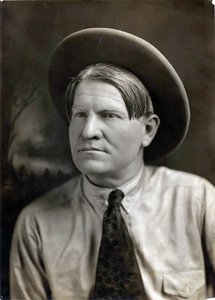
Charles Marion Russell
1864 - 1926 , Estados Unidos de América
Datos clave
- Estilo Artístico: Arte del Viejo Oeste
- Fecha De Fallecimiento: 24 de octubre de 1926
- Fecha De Nacimiento: 19 de marzo de 1864
- Lugar De Nacimiento: St. Louis, EE. UU.
- Nacionalidad: Estadounidense
- Nombre Completo: Charles Marion Russell
- Obras Notables:
- A Bad Hoss
- Battle of Belly River
- Lewis and Clark Meeting Indians
Artículos relacionados
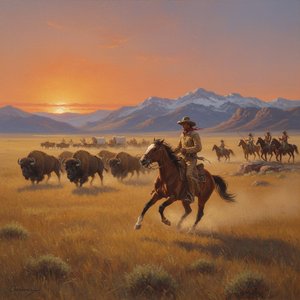
Charles Marion Russell: Capturing the American West Through a Romantic Lens
Explore the captivating world of Charles Marion Russell, 'the cowboy artist.' Discover his life, iconic paintings, advocacy for Native Americans, and investment potential. A guide for discerning art collectors.
James Otto Lewis: Navigating American Modernism Through Regional Identity & Stylistic Innovation
Explore the captivating portraits of James Otto Lewis, a pivotal figure bridging 19th-century realism & American Modernism. Discover his groundbreaking work documenting Native American culture and regional identity.
Grant Wood & American Regionalism: Identity, Myth & the Rural Landscape
Explore the world of Grant Wood & American Regionalism with ArtsDot. Discover the symbolism behind 'American Gothic', recurring themes, and the movement's lasting impact on art history. High-quality reproductions available.
Realismo Estadounidense: 10 Obras Maestras que Cambiaron el Arte y la Decoración
Descubre 10 obras maestras del Realismo Estadounidense: Winslow Homer, Edward Hopper y más. Explora la historia, técnica y emoción de estos icónicos cuadros. Encuentra reproducciones de arte de museo en ArtsDot.com.
George Catlin: Witnessing & Representing Indigenous Life on the American Frontier
Explore the captivating art of George Catlin, renowned for his vivid portraits & landscapes documenting Native American life on the frontier. Discover a vanishing world through stunning paintings and historical context.