 Ver en contexto
 Enviar
 Compartir
 Detalles

 Descargar
 Similares
 Radiografía
 Presentación de diapositivas
To the Victor Belong the Spoils


 Ver más
Giclée / Impresión de arte
Impresiones giclée o en lienzo de calidad de museo con producción rápida y opciones de acabado flexibles. ( Comprar pintura hecha a mano Comprar imagen)




P118B $10

P118H $10

P118W $10

P438Z $10

P508JH $12

P508YH $12

P805H $10

P805Z $10

P919BZ $10

P919G $10

P919XJ $10

P959ZH $10

P968JZ $12

W106C $8

W218G $10

W218JH $8

W218Y $10

W307PJ $10

W316G $10

W316PJ $8

W316Y $10

W398PJ $8

W4111J $10

W500HY $15

W500JH $15

W692G $12

W849H $8

W940BG $15

W953PJ $8




Elija entre nuestros tamaños predefinidos que respetan las proporciones originales de la obra.

Puede introducir sus propias dimensiones para adaptarse a un marco o espacio específico. Si el tamaño seleccionado no coincide con las proporciones de la imagen original, recortaremos la obra de arte o extenderemos la imagen con un borde con efecto espejo o de color sólido. Se enviará una maqueta digital para su aprobación antes de que comience la producción.
Tenga en cuenta que la vista previa en pantalla no refleja el recorte o la extensión real. Solo la maqueta mostrará con precisión la composición final.
Aunque existen tamaños personalizados, recomendamos seleccionar una dimensión de la lista predefinida para preservar las proporciones originales.
Envío a todo el mundo () en 2 semanas en lugar de las 4/5 semanas estándar. (1 septiembre)

Envío exprés gratuito a todo el mundo

Lienzo de lino de alta calidad

Seguro de envío total

Garantía de reembolso de impuestos aduaneros

Garantía de fidelidad cromática exacta

Política de devolución de 60 días (solo por defectos)

Garantía de devolución del 100% del dinero

Descuento por cantidad
 La opción de vidrio solo está disponible en tamaños inferiores a 110 cm.

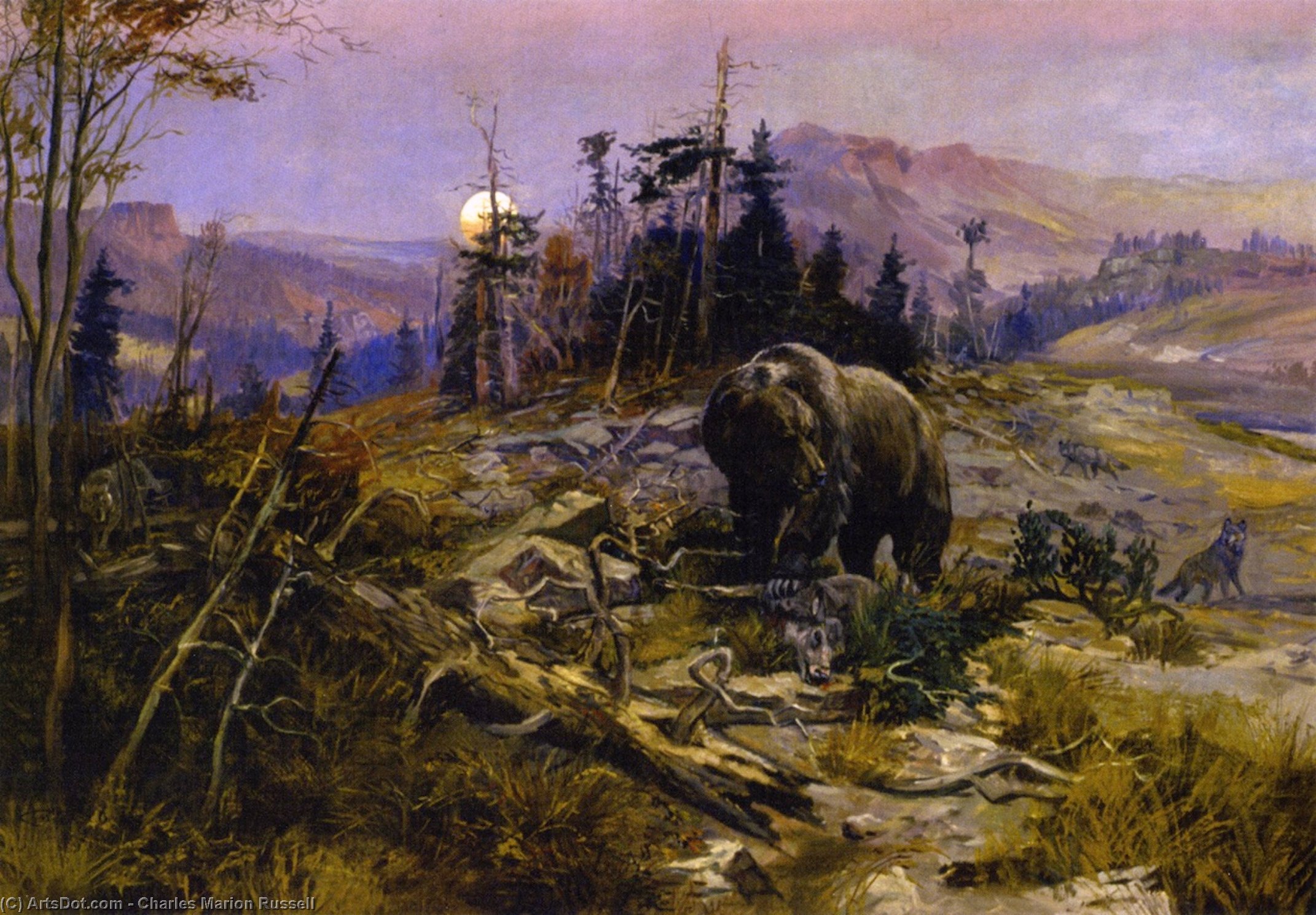
To the Victor Belong the Spoils
Giclée / Impresión de arte
Dimensiones de la reproducción
-


Precio total final
$ 62
A Midnight Encounter in the American Wild
In the quiet, shadowed depths of the Montana wilderness, where the moonlight filters through a dense canopy of ancient trees, Charles Marion Russell captures a moment of profound natural drama. "To the Victor Belong the Spoils" is not merely a depiction of wildlife; it is an immersive journey into the nocturnal heart of the American West. At the center of this oil on canvas masterpiece stands a majestic bear, its powerful form navigating the thickets of a moonlit forest. The scene is alive with a sense of hidden movement, as other bears emerge from the periphery—some lurking in the foreground, others fading into the misty distance—creating a layered composition that pulls the viewer deep into the woods. Above this primal gathering, the sky breathes with a quiet energy, punctuated by the delicate presence of birds: one perched silently in the upper reaches of the trees and another gliding through the night air, adding a sense of scale and life to the nocturnal landscape.
The technical mastery of Russell is evident in his ability to manipulate light and shadow to evoke a palpable atmosphere. Using a rich, textured application of oil paint, he captures the way moonlight dances across the coarse fur of the bears and glints off the leaves of the surrounding foliage. The color palette is a sophisticated blend of deep, nocturnal blues, earthy umbers, and silvery highlights that lend the painting its ethereal glow. This skillful use of chiaroscuro—the dramatic contrast between light and dark—does more than just define shapes; it builds a sense of mystery and tension. For the collector or interior designer, this piece offers a profound emotional resonance, bringing the untamed spirit and the quiet majesty of the wilderness into any curated space.
The Legacy of the Cowboy Artist
To understand the soul of this painting, one must look to the life of its creator. Charles Marion Russell, often revered as the definitive "Cowboy Artist," did not paint the West from a distance; he painted it from within. Having spent eleven years living the rugged, demanding life of a Montana cowboy, Russell possessed an intimate knowledge of the rhythms of nature and the raw beauty of the frontier. This firsthand experience is woven into every brushstroke of "To the Victor Belong the Spoils." There is an authenticity in his portrayal of the animals that can only come from a deep respect for the creatures that shared his landscape. His work serves as a historical window, preserving a version of the American West that was characterized by both its breathtaking splendor and its formidable, untamed power.
Beyond its historical value, the painting functions as a powerful symbol of survival and the natural order. The title itself suggests a narrative of triumph and the primal reality of the wild, where strength and instinct dictate the flow of life. For those seeking to adorn their homes with art that tells a story, this reproduction offers more than just aesthetic beauty; it provides a window into a vanishing era. Whether placed in a grand study or a contemporary living space, Russell’s work invites contemplation on our connection to the natural world and the enduring allure of the great American frontier.
Obras relacionadas
Biografía del artista
Primeros años e inspiración
Charles Marion Russell, un renombrado artista estadounidense, dejó una huella imborrable en el mundo del arte con sus cautivadoras representaciones del oeste americano. Nacido el 19 de marzo de 1864 en St. Louis, Missouri, la vida de Russell fue un testimonio de su pasión por el arte y el salvaje oeste.Carrera artística y obras notables
La carrera artística de Russell abarcó múltiples medios, incluyendo pintura y escultura en bronce. Sus obras se caracterizan por sus vívidas representaciones de vaqueros, nativos americanos y paisajes ubicados en los Estados Unidos occidentales y Alberta, Canadá. Algunas obras notables incluyen:- A Bad Hoss (1904) - un ejemplo esencial de la capacidad de Russell para capturar el espíritu del oeste americano. (ver obras similares en ArtsDot)
- Batalla del Río Belly River (1905) - esta pintura muestra la habilidad de Russell para representar escenas dramáticas con precisión y detalle. (explorar más arte occidental en ArtsDot)
- Lewis y Clark se encuentran con los indios en Ross' Hole (1916) - un mural notable que cuelga en las cámaras de la casa del capitolio de Montana, mostrando el estilo narrativo histórico de Russell. (descubrir más arte americano en ArtsDot)
Desarrollo artístico y influencias
La fascinación de Russell por el oeste comenzó en su infancia, leyendo relatos de exploradores y comerciantes de pieles. A los 16 años, se trasladó a Montana para trabajar en una granja de ovejas, lo que le permitió experimentar la vida del oeste de primera mano. Su tiempo como vaquero y wrangler durante once años fue crucial para su desarrollo artístico, proporcionándole el material y la inspiración para sus pinturas. La cultura nativa americana también influyó profundamente en Russell, especialmente después de vivir cerca de las tribus Blackfoot, Piegan y Blood en Alberta, Canadá, en 1888. Esta experiencia se reflejó en sus detalladas representaciones de la vida de los nativos americanos.Legado y colecciones
El legado de Russell está preservado a través de varias colecciones, incluyendo:- El Complejo del Museo C. M. Russell en Great Falls, Montana, que alberga más de 2000 obras de arte de Russell, objetos personales y artefactos.
- La Sociedad Histórica de Montana en Helena, Montana, que presenta una colección significativa de las obras de Russell.
- El Centro Buffalo Bill del Oeste en Cody, Wyoming, que muestra el arte de Russell y el oeste americano.
Conclusión
El legado artístico de Charles Marion Russell continúa cautivando al público con su auténtica representación del oeste americano. A través de sus obras, experimentamos la esencia de una época pasada, preservada para siempre en el reino del arte. Explore más del arte de Russell y otras obras maestras occidentales en ArtsDot.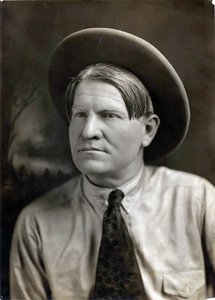
Charles Marion Russell
1864 - 1926 , Estados Unidos de América
Datos clave
- Estilo Artístico: Arte del Viejo Oeste
- Fecha De Fallecimiento: 24 de octubre de 1926
- Fecha De Nacimiento: 19 de marzo de 1864
- Lugar De Nacimiento: St. Louis, EE. UU.
- Nacionalidad: Estadounidense
- Nombre Completo: Charles Marion Russell
- Obras Notables:
- A Bad Hoss
- Battle of Belly River
- Lewis and Clark Meeting Indians
Artículos relacionados
Charles Marion Russell: Capturing the American West Through a Romantic Lens
Explore the captivating world of Charles Marion Russell, 'the cowboy artist.' Discover his life, iconic paintings, advocacy for Native Americans, and investment potential. A guide for discerning art collectors.
The Enchanted Canopy: Exploring Forests in Art History – From Romantic Idealization to Ecological Consciousness
Explore the rich history of forests in art! Discover Romantic masterpieces by Friedrich & Monet, Symbolist depths, and contemporary visions. Find inspiration & quality reproductions at ArtsDot.
Nature’s Sanctuary: Curating Enchanting Forest Artworks to Transform Your Home into a Serene Woodland Retreat
Transform your home into a serene woodland retreat with enchanting forest artworks. Discover museum-quality oil reproductions and custom landscape commissions designed to bring the peaceful beauty of nature indoors.
Charles-André van Loo: A Study in Rococo Portraiture & the French Court's Artistic Dynamics
Explore the elegant world of Charles-André van Loo, a master of Rococo portraiture at the French court. Discover his life, techniques, and enduring influence on 18th-century art. Hand-painted reproductions available.
Charles Fraser: A Life Immersed in Light and Landscape – Exploring the Scottish Colourist's Vision
Discover the captivating world of Charles Fraser (1782-1860), a leading American artist renowned for his serene landscapes and detailed portraits of Southern life. Explore his legacy & find museum-quality reproductions at ArtsDot.