

 Vista previa
 Compartir
 Compartir
 Ver detalles

 Descargar
 Ver similares
 Radiografía
 Presentación de diapositivas
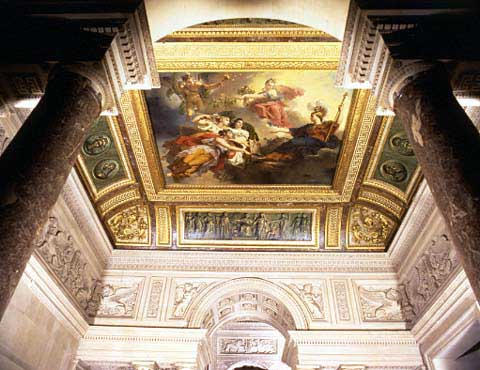
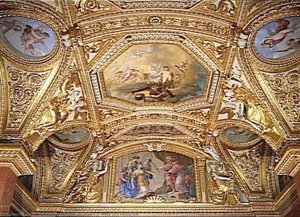
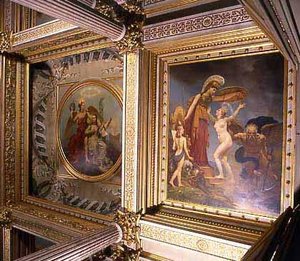
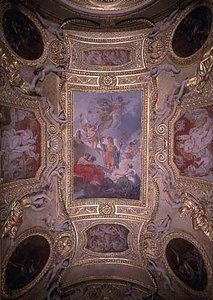
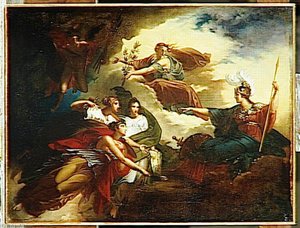
La France, sous les traits de Minerve, protégeant les arts


 Leer más
Reproducción al óleo hecha a mano
Óleo sobre lienzo pintado a mano en el tamaño y marco de su elección, realizado por encargo por nuestros artistas. ( Pedir impresión Comprar descarga)




P118B $10

P118H $10

P118W $10

P438Z $10

P508JH $12

P508YH $12

P805H $10

P805Z $10

P919BZ $10

P919G $10

P919XJ $10

P959ZH $10

P968JZ $12

W106C $8

W218G $10

W218JH $8

W218Y $10

W307PJ $10

W316G $10

W316PJ $8

W316Y $10

W398PJ $8

W4111J $10

W500HY $15

W500JH $15

W692G $12

W849H $8

W940BG $15

W953PJ $8




Elija entre nuestros tamaños predefinidos que respetan las proporciones originales de la obra.

Puede ingresar sus propias dimensiones para adaptarse a un marco o espacio específico. Si el tamaño seleccionado no coincide con las proporciones de la imagen original, recortaremos la obra o extenderemos la pintura con elementos adicionales pintados a mano. Se le enviará una maqueta digital para su aprobación antes de comenzar la producción.
Tenga en cuenta que la vista previa en pantalla no refleja el recorte o la extensión reales. Solo la maqueta mostrará con precisión la composición final.
Si bien existen tamaños personalizados, recomendamos seleccionar una dimensión de la lista predefinida para preservar las proporciones originales.
Tras realizar el pedido, el equipo de ArtsDot.com enviará un correo electrónico al cliente para solicitar instrucciones y proporcionarle una vista previa del boceto.
Envío a todo el mundo () en 3-4 semanas en lugar de las 5 semanas estándar. (22 agosto). Sin comprometer la calidad.

Envío exprés gratuito a todo el mundo

Lienzo de lino de alta calidad

Seguro de envío completo

Garantía de reembolso de aranceles aduaneros

Garantía de fidelidad cromática exacta

Política de devolución de 60 días (solo por defectos)

Garantía de devolución del 100% del dinero

Oferta por volumen
 La opción de vidrio solo está disponible en tamaños inferiores a 110 cm.

La France, sous les traits de Minerve, protégeant les arts
Técnica de reproducción
Tamaño de la reproducción
-


Precio total
$ 363
Descripción de la obra
Charles Meynier’s “La France, sous les traits de Minerve protégeant les arts”: A Symphony of Classical Ideals
“La France, sous les traits de Minerve protégeant les arts,” painted by Charles Meynier in 1819, stands as a monumental testament to the neoclassical aesthetic and French cultural pride during Louis XVIII’s reign. Housed prominently within the Musée du Louvre's Salle 706 – Percier et Fontaine, this fresco transcends mere decoration; it embodies a deliberate assertion of republican values amidst the turbulent aftermath of Napoleon’s defeat. Its sheer scale—measuring approximately 3.3 meters by 4.4 meters—immediately commands attention and invites contemplation of its intricate composition and masterful execution.- Composition & Perspective: Meynier skillfully employs pyramidal structure, a hallmark of neoclassical art, to draw the viewer’s gaze upwards towards Minerva – the Roman goddess of wisdom and protector of arts – who dominates the central panel. Flanking columns provide structural support while simultaneously framing the painted area, creating an illusion of depth that reinforces the grandeur of the scene.
- Symbolism & Allegory: The fresco is rife with symbolic representations reflecting Enlightenment ideals. Minerva herself embodies France’s commitment to reason and intellectual pursuits, surrounded by figures representing various artistic disciplines – sculpture, painting, architecture, literature – symbolizing the nation's cultural heritage and aspirations for renewal.
- Color Palette & Technique: Meynier’s palette utilizes rich hues—primarily blues, golds, reds, and creams—to evoke a sense of majesty and luminosity. The fresco is executed in oil paint on plaster, employing the technique of *fresco secco*, where pigments are applied to dry plaster rather than wet plaster, ensuring durability and vibrancy for generations to come.
- Historical Context: Created shortly after Napoleon’s downfall, “La France, sous les traits de Minerve protégeant les arts” served as a deliberate counterpoint to the imperial grandeur of the Napoleonic era. It represented a return to classical forms and moral values—a conscious effort to reaffirm French identity and cultural excellence in the face of European upheaval.
- Emotional Impact: The artwork’s serene atmosphere and idealized depiction of artistic patronage inspire awe and admiration for France's intellectual legacy. Its meticulous detail and masterful use of light contribute to a profound emotional resonance, conveying a message of stability, enlightenment, and enduring cultural significance.
Obras relacionadas


Biografía del artista
Early Life and Artistic Foundations
Charles Meynier, a pivotal figure in the neoclassical art movement of 18th and 19th-century France, was born in Paris on November 24, 1768. His initial path seemed destined for a more practical profession – his family intended he pursue a career as a tailor. However, from a young age, Meynier demonstrated an undeniable passion for the arts, a calling that ultimately shaped his destiny. This early inclination led him to apprentice under Pierre-Philippe Choffard, a highly respected engraver and artist of his time. This formative period provided him with a solid foundation in technical skills and artistic principles, laying the groundwork for his future success as a painter. The influence of Choffard’s meticulous approach to line and detail would be evident throughout Meynier's oeuvre.Rise to Prominence: Prix de Rome and Academic Recognition
Meynier’s career truly began to take shape in 1789, when he achieved a remarkable breakthrough by winning the second prize in the prestigious Prix de Rome competition. This accomplishment was not merely an accolade; it represented a significant step towards artistic recognition and opened doors to the Académie de France in Rome – a renowned institution that nurtured some of France’s most celebrated artists. Spending several years at the Academy allowed Meynier to immerse himself in the study of classical art, particularly sculpture, and to refine his technique under the guidance of leading masters. The experience profoundly influenced his artistic style, imbuing it with a sense of order, balance, and idealized beauty characteristic of the neoclassical movement.Notable Works and Commissions: Celebrating Napoleon
Throughout his career, Charles Meynier produced a diverse body of work that showcased his versatility and technical skill. He was particularly commissioned to create works celebrating the triumphs of Napoleon Bonaparte, reflecting the political climate of the era. A prime example is *Marshal Ney and the Soldiers of the 76th Regiment Retrieving their Flags from the Arsenal of Inspruck* (1808), a dramatic depiction of a pivotal moment during the Napoleonic Wars. This painting, lauded at the Salon in Paris that year, demonstrated Meynier’s ability to capture dynamic action and historical narrative with precision and emotional impact. Beyond this iconic work, he also contributed significantly to the decoration of the Arc de Triomphe du Carrousel in Paris, designing bas-reliefs and sculptures that enhanced the monument's grandeur. His artistic contributions extended to numerous other projects, including illustrations for medals and decorative elements within royal residences.Artistic Legacy and Lasting Influence
Charles Meynier’s impact on subsequent generations of artists is undeniable. He is often cited as a key influence on James Pradier, a prominent sculptor who continued the neoclassical tradition. Meynier's meticulous attention to detail, his command of classical forms, and his ability to convey both historical accuracy and emotional depth established him as a leading figure in the neoclassical movement. His work continues to be studied and admired for its elegance, sophistication, and enduring appeal. Charles Meynier passed away on September 6, 1832, leaving behind a rich legacy of neoclassical masterpieces that continue to inspire artists and art enthusiasts alike. His paintings can be found in prestigious collections worldwide, offering a tangible connection to a pivotal period in French artistic history. Explore his works further at https://ArtsDot.com/@/charlesmeynier, and delve deeper into the world of neoclassical art on Wikipedia: charles meynier - wikipedia.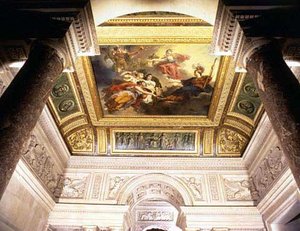
Charles Meynier
1768 - 1832 , FRA
Datos clave
- Artistic Movement Or Style: Neoclasicismo
- Artists Or Movements Influenced By This Artist: ['James Pradier']
- Artists Who Influenced This Artist:
- Pierre-Philippe Choffard
- François-André Vincent
- Date Of Birth: 24 de noviembre 1768
- Date Of Death: 6 de septiembre 1832
- Full Name: Charles Meynier
- Nationality: Francés
- Notable Artworks:
- Napoleón en Berlín
- Milo de Croton
- Marshal Ney...
- Place Of Birth: París, Francia
Artículos relacionados

Legado en las Paredes: Frescos Familiares que Trascienden el Tiempo
Descubre el arte del fresco muralístico para inmortalizar tu historia familiar. Expertos en frescos personalizados y técnicas ancestrales. Crea un legado visual único con .

The Enduring Legacy of Fresco Painting: Techniques, History & Contemporary Relevance
Explore the rich history & enduring artistry of fresco painting – from Giotto to Michelangelo! Discover techniques, conservation efforts, & modern applications. Learn how ArtsDot brings this timeless art form to your home.

The Enduring Legacy of Fresco: Technique, History & Artistic Expression Across Cultures
Explore the rich history & enduring legacy of fresco painting! Discover ancient techniques, Giotto's masterpieces, and modern applications. Expert insights for art lovers & professionals.

¿El Arte que Habita Contigo: El Poder Emocional de un Fresco Interior Personalizado?
Descubre el poder emocional de un fresco interior personalizado. Expertos en arte te guían para crear una obra única que refleje tu estilo y valore tu hogar. : calidad, confianza y diseño excepcional.
El Fresco a Través de los Siglos: Técnica, Historia y Expresión Artística Duradera
Descubre la historia y técnica del fresco, desde sus orígenes en la antigüedad hasta los maestros renacentistas. Guía completa sobre conservación, restauración y el legado artístico de este arte milenario.


