

 Ver en contexto
 Enviar
 Compartir
 Detalles

 Descargar
 Similares
 Radiografía
 Presentación de diapositivas
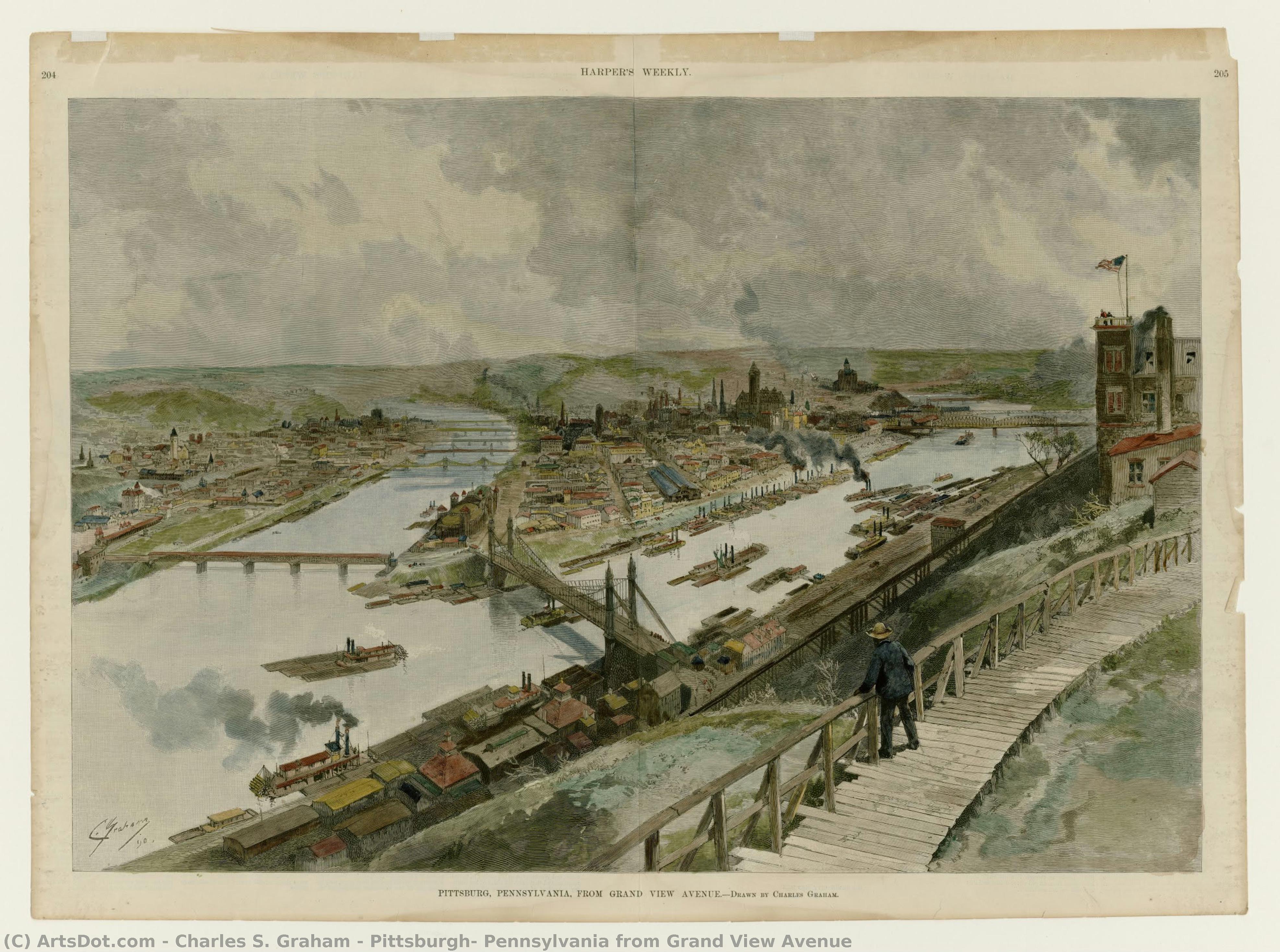
Pittsburgh, Pennsylvania from Grand View Avenue


 Ver más
Reproducción al óleo hecha a mano
Óleo sobre lienzo pintado a mano en el tamaño y marco de su elección, realizado por encargo por nuestros artistas. ( Comprar impresión Comprar imagen)




P118B $10

P118H $10

P118W $10

P438Z $10

P508JH $12

P508YH $12

P805H $10

P805Z $10

P919BZ $10

P919G $10

P919XJ $10

P959ZH $10

P968JZ $12

W106C $8

W218G $10

W218JH $8

W218Y $10

W307PJ $10

W316G $10

W316PJ $8

W316Y $10

W398PJ $8

W4111J $10

W500HY $15

W500JH $15

W692G $12

W849H $8

W940BG $15

W953PJ $8




Elija entre nuestros tamaños predefinidos que respetan las proporciones originales de la obra.

Puede ingresar sus propias dimensiones para adaptarse a un marco o espacio específico. Si el tamaño seleccionado no coincide con las proporciones de la imagen original, recortaremos la obra o extenderemos la pintura con elementos adicionales pintados a mano. Se le enviará una maqueta digital para su aprobación antes de comenzar la producción.
Tenga en cuenta que la vista previa en pantalla no refleja el recorte o la extensión reales. Solo la maqueta mostrará con precisión la composición final.
Si bien existen tamaños personalizados, recomendamos seleccionar una dimensión de la lista predefinida para preservar las proporciones originales.
Tras realizar el pedido, el equipo de ArtsDot.com enviará un correo electrónico al cliente para solicitar instrucciones y proporcionarle una vista previa del boceto.
Envío a todo el mundo () en 3-4 semanas en lugar de las 5 semanas estándar. (7 septiembre). Sin comprometer la calidad.

Envío exprés gratuito a todo el mundo

Lienzo de lino de alta calidad

Seguro de envío total

Garantía de reembolso de impuestos aduaneros

Garantía de fidelidad cromática exacta

Política de devolución de 100 días (solo por defectos)

Garantía de devolución del 100% del dinero

Descuento por cantidad
 La opción de vidrio solo está disponible en tamaños inferiores a 110 cm.

Pittsburgh, Pennsylvania from Grand View Avenue
Técnica de reproducción
Dimensiones de la reproducción
-


Precio total final
$ 263
A Window into the Industrial Soul of 1892
In this exquisite vintage engraving by the renowned American artist Charles S. Graham, we are transported back to a pivotal moment in the late 19th century. Titled "Pittsburgh, Pennsylvania from Grand View Avenue," the work offers much more than a mere topographical record; it serves as a breathtaking panoramic window into the heart of an era defined by rapid expansion and industrial triumph. As the viewer’s eye wanders across the scene, they are met with the rhythmic pulse of a city in motion. The composition is anchored by a solitary figure standing upon a wooden bridge, a silent observer perched above the river. This presence provides a profound sense of scale and human connection, inviting us to share in his quiet contemplation of the sprawling landscape below.
The river itself acts as a liquid artery for the city, teeming with the lifeblood of commerce. Steamboats and small tugboats navigate the currents, their silhouettes etched against the water, reminding us of the vital role that riverborne transport played in the growth of the American interior. The banks are lined with the architectural hallmarks of the age—sturdy warehouses, sprawling factories, and residential structures that speak to a burgeoning urban population. In the distance, the skyline is punctuated by the iconic smokestacks of coal-fired industries, casting a veil of progress over the horizon. This interplay between the natural river and the rising industrial monuments creates a narrative of transformation, capturing the very essence of the Industrial Revolution.
Mastery of Line and Historical Texture
Charles S. Graham, an artist whose career spanned from the rugged landscapes of the American West to the grand stages of Chicago’s theaters, brings a unique topographical precision to this piece. Utilizing the intricate medium of engraving, Graham employs a delicate dance of fine lines and cross-hatching to create depth, shadow, and texture. The muted, earthy color palette—dominated by sepia tones and soft greys—imbues the artwork with an unmistakable sense of nostalgia. There is a palpable weight to the paper, where visible creases and signs of age act as a testament to the piece's historical journey through time.
For the discerning collector or interior designer, this reproduction offers a sophisticated layer of historical storytelling. The artwork does not merely decorate a wall; it anchors a room with its profound sense of place and period. Its aesthetic is particularly suited for spaces that celebrate heritage, such as libraries, study halls, or classic executive offices, where the muted tones can harmonize with rich wood finishes and traditional textures. To possess this work is to hold a fragment of Pittsburgh's storied past, making it an evocative centerpiece for any collection dedicated to American history, industrial art, or the timeless beauty of the late 19th-century cityscape.
Obras relacionadas
Biografía del artista
primeros años y carrera
charles s. graham, artista estadounidense, nació en Rock Island, Illinois, en 1852. Sin haber recibido una formación artística formal, los inicios de la carrera de Graham se desarrollaron como topógrafo para el ferrocarril Northern Pacific en Idaho y Montana durante la década de 1870. Esta experiencia de exploración territorial, cargada de paisajes vírgenes, probablemente influyó profundamente en su labor posterior como escenógrafo.trayectoria artística
El viaje creativo de Graham dio un giro trascendental cuando se convirtió en escenógrafo para el teatro Hooley's en Chicago, seguido de periodos en diversos teatros de la ciudad de Nueva York. En 1877, se integró a Harper & Brothers, ilustrando la esencia del oeste americano para Harper's Weekly. Su talento lo llevó a crear una serie de artículos sobre el nuevo sur en 1886 y, más tarde, como colaborador independiente, enriqueció publicaciones de gran prestigio como Harper's, The Century Magazine, Collier's y el New York Herald.estilo artístico y obras notables
Alrededor de la década de 1890, el método de Graham experimentó una evolución técnica, transitando del dibujo a lápiz y la acuarela hacia la riqueza del óleo. Su consagración llegó al ser nombrado artista oficial de la Exposición Colombina Mundial en Chicago en 1893, momento en el que su obra fue exhibida ante un escenario nacional.- obras notables:
- serie del oeste americano (1877)
- artículos sobre el nuevo sur (1886)
- óleo de la década de 1890
- museos y colecciones:
- colección de Charles S. Graham en ArtsDot
- archivos de Harper & Brothers
legado y últimos años
Charles Graham falleció en la ciudad de Nueva York el 9 de agosto de 1911, dejando tras de sí un legado de labor pionera en el arte estadounidense. Sus contribuciones al desarrollo del arte escénico y su meticulosa documentación del oeste americano permanecen como testimonios de gran relevancia histórica.- ver más obras de charles s. graham:
- explorar más artistas estadounidenses:
Charles S. Graham
1852 - 1911 , Estados Unidos de América
Datos clave
- Artistic Movement Or Style: Pintor naturalista
- Artists Or Movements Influenced By This Artist:
- Anna Ancher
- Michael Ancher
- Artists Who Influenced This Artist:
- Hans Gude
- Frits Thaulow
- Date Of Birth: 1852-08-13
- Date Of Death: 1925-10-16
- Full Name: Christian Krohg
- Nationality: Noruego
- Notable Artworks:
- Harem
- The Natural Bridge
- Hafiz at the Fountain
- Place Of Birth: Vestre Aker, Noruega
Artículos relacionados

Los 10 Grabados Legendarios que Transformaron la Historia del Arte | ArtsDot
Descubre los 10 grabados legendarios de Dürer, Rembrandt y Goya que revolucionaron el arte. Explora la historia, técnicas y belleza atemporal de estas obras maestras. Reproducciones de alta calidad en ArtsDot.com para decorar tu hogar con arte clásico.
Engraving: A Historical Survey of Technique, Artistic Expression & Enduring Legacy
Explore the rich history of engraving with ArtsDot. Discover techniques, iconic artists like Dürer & Callot, collecting tips, and expert guidance for preserving your art investment. Learn about intaglio printing & more!

El Intricado Mundo del Grabado: Técnica, Expresión y Legado Histórico
Descubre la fascinante historia del grabado calcográfico: técnicas ancestrales, maestros como Goya y su impacto en el arte y la ciencia. Guía experta para coleccionistas y amantes del arte.
Arte Industrial: 10 Obras Maestras para un Hogar con Carácter | ArtsDot.com
Descubre 10 obras maestras que capturan la esencia del arte industrial. Explora la historia de Van Gogh, Hopper y Klimt, sus técnicas y paletas. Encuentra lienzos perfectos para un hogar con carácter en ArtsDot.com.

Charles Sheeler Jr.: Precisionism, Industrial Aesthetics & the American Modernist Vision
Explore the groundbreaking work of Charles Sheeler Jr., a pivotal figure in American Precisionism. Discover his iconic industrial landscapes, photographic studies & lasting influence on modernist art. Expert insights for collectors.