

 Ver en contexto
 Enviar
 Compartir
 Detalles

 Descargar
 Similares
 Radiografía
 Presentación de diapositivas
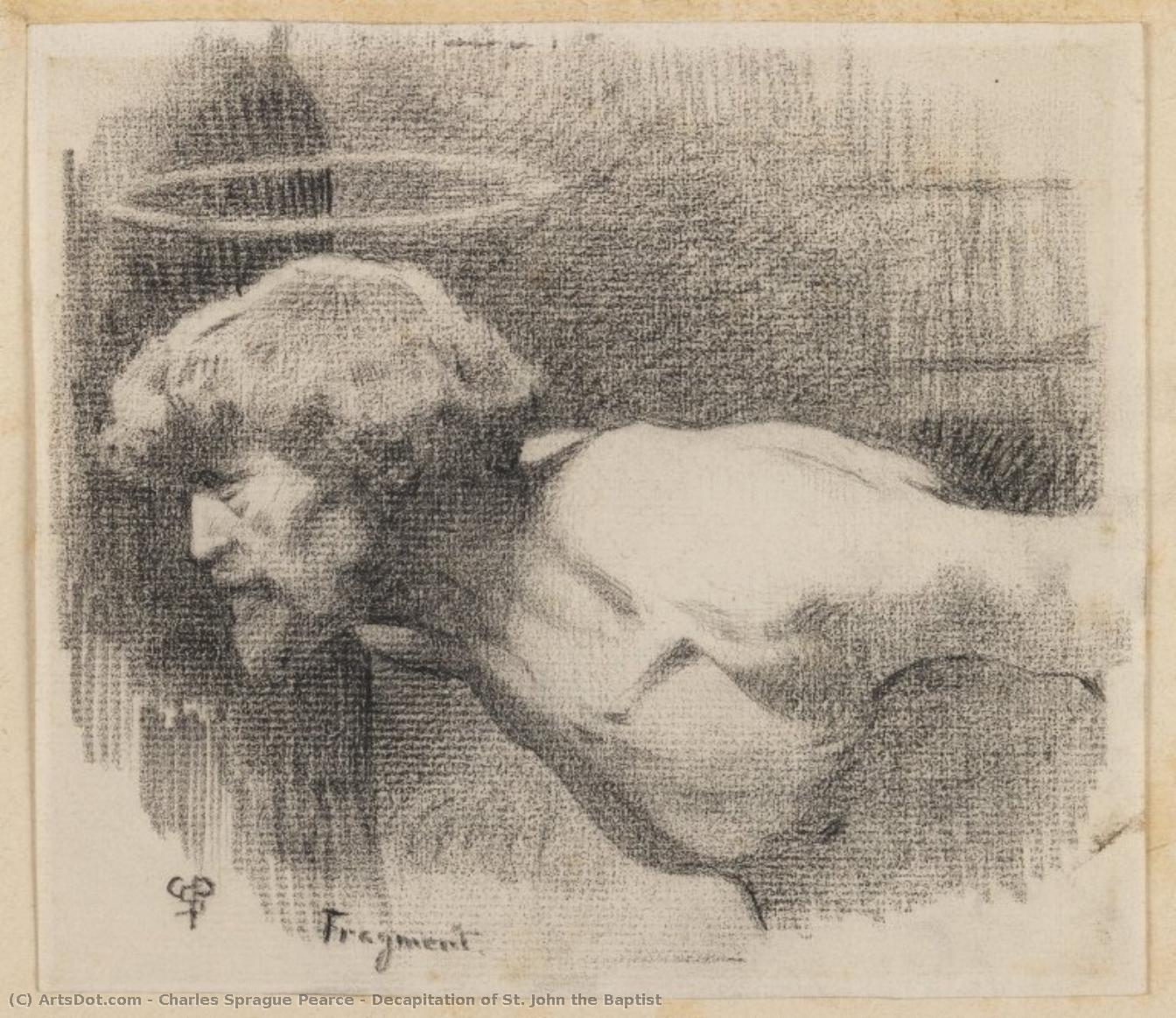
Decapitation of St. John the Baptist
 Acrylic On Canvas
- WallArt
- Realism
 1883
1883 18.0 x 16.0 cm
 Museo de Brooklyn
 Ver más
Giclée / Impresión de arte
Impresiones giclée o en lienzo de calidad de museo con producción rápida y opciones de acabado flexibles. ( Comprar pintura hecha a mano Comprar imagen)




P118B $10

P118H $10

P118W $10

P438Z $10

P508JH $12

P508YH $12

P805H $10

P805Z $10

P919BZ $10

P919G $10

P919XJ $10

P959ZH $10

P968JZ $12

W106C $8

W218G $10

W218JH $8

W218Y $10

W307PJ $10

W316G $10

W316PJ $8

W316Y $10

W398PJ $8

W4111J $10

W500HY $15

W500JH $15

W692G $12

W849H $8

W940BG $15

W953PJ $8




Elija entre nuestros tamaños predefinidos que respetan las proporciones originales de la obra.

Puede introducir sus propias dimensiones para adaptarse a un marco o espacio específico. Si el tamaño seleccionado no coincide con las proporciones de la imagen original, recortaremos la obra de arte o extenderemos la imagen con un borde con efecto espejo o de color sólido. Se enviará una maqueta digital para su aprobación antes de que comience la producción.
Tenga en cuenta que la vista previa en pantalla no refleja el recorte o la extensión real. Solo la maqueta mostrará con precisión la composición final.
Aunque existen tamaños personalizados, recomendamos seleccionar una dimensión de la lista predefinida para preservar las proporciones originales.
Envío a todo el mundo () en 2 semanas en lugar de las 4/5 semanas estándar. (2 septiembre)

Envío exprés gratuito a todo el mundo

Lienzo de lino de alta calidad

Seguro de envío total

Garantía de reembolso de impuestos aduaneros

Garantía de fidelidad cromática exacta

Política de devolución de 60 días (solo por defectos)

Garantía de devolución del 100% del dinero

Descuento por cantidad
 La opción de vidrio solo está disponible en tamaños inferiores a 110 cm.

Decapitation of St. John the Baptist
Giclée / Impresión de arte
Dimensiones de la reproducción
-


Precio total final
$ 62
A Moment Frozen in Line: Exploring Pearce’s “Decapitation of St. John the Baptist”
Charles Sprague Pearce's 1883 pencil drawing, "Decapitation of St. John the Baptist," isn’t merely a depiction of a biblical event; it’s a visceral exploration of suffering, faith, and the raw intensity of human experience. Born in Boston during a period when American artists were increasingly drawn to European artistic traditions, Pearce masterfully blended academic precision with an emerging interest in Symbolism, creating a work that resonates powerfully even today. The piece immediately commands attention not through vibrant color – it’s rendered entirely in monochrome – but through its remarkable textural complexity and the palpable sense of drama it conveys.
The subject itself, the beheading of St. John the Baptist, is steeped in religious significance. The event, recounted in both the New Testament Gospels and Jewish historical accounts, represents a profound sacrifice and a testament to unwavering faith. Pearce doesn’t shy away from the brutality of the scene; instead, he focuses on capturing the immediate aftermath – the stunned horror, the lingering pain, and the quiet dignity of the saint's final moments. The composition is deliberately dynamic, with John’s head and torso angled diagonally across the frame, pulling the viewer directly into the heart of the tragedy. This isn’t a sanitized illustration; it’s an intensely personal encounter with a pivotal moment in Christian history.
The Language of Line: Technique and Style
Pearce's technique is utterly captivating. He employs a masterful use of hatching, cross-hatching, and stippling to build up form and create a remarkable range of tonal values within the monochrome palette. The lines aren’t simply outlines; they are imbued with movement and texture, suggesting the weight of flesh, the flow of blood, and the desperate struggle for survival. The artist's hand is clearly visible in every stroke, lending the work an intimate and immediate quality. There’s a deliberate roughness to the execution – a sense that this isn’t a carefully polished academic study but rather a deeply felt expression of emotion.
- Dry Pencil Drawing: The primary medium is dry pencil, emphasizing line as the defining element.
- Hatching and Cross-Hatching: These techniques create depth, texture, and tonal variation.
- Expressive Line Work: The lines themselves convey emotion – tension, pain, and a quiet acceptance of fate.
A Window into the 1880s: Context and Symbolism
“Decapitation of St. John the Baptist” was created in 1883, a time when European artistic movements like Impressionism and Symbolism were profoundly influencing American artists. Pearce’s work reflects this influence, particularly in its focus on emotional intensity and its willingness to explore darker themes. The image itself is rich with symbolism. John's head, presented with stark realism, represents not just physical death but also the loss of innocence and the triumph of evil. The act of decapitation symbolizes sacrifice and martyrdom – a potent reminder of the cost of faith. Furthermore, the composition’s diagonal thrust creates a sense of instability and unease, mirroring the emotional turmoil of the scene.
Beyond the Canvas: Reproduction and Legacy
Reproductions of “Decapitation of St. John the Baptist” offer a remarkable opportunity to experience Pearce's artistic vision firsthand. The intricate detail and expressive power of the original are faithfully captured in high-quality reproductions, making it an ideal addition to any art collection or interior space. The work’s enduring appeal lies not only in its historical significance but also in its timeless exploration of human suffering and resilience. It serves as a poignant reminder of the complexities of faith, sacrifice, and the enduring power of artistic expression.
Obras relacionadas

Biografía del artista
Primeros años y formación
Charles Sprague Pearce, un pintor estadounidense, dejó una huella indeleble en el mundo del arte con sus obras evocadoras y meticulosamente detalladas. Nacido el 13 de octubre de 1851 en Boston, Massachusetts, el viaje de Pearce hacia el arte comenzó en una época de floreciente exploración artística en los Estados Unidos.Influencias artísticas y formación
Pearce se inscribió en la École des Beaux-Arts, estudiando bajo renombrados pintores académicos como Léon Bonnat. La formación que recibió bajo estos maestros fue fundamental para moldear sus habilidades técnicas y sensibilidades artísticas. Su trabajo a menudo se caracteriza por su precisión académica, un reflejo de su formación formal, pero también irradia una calidez y humanidad que lo distinguen.Obras notables y contribuciones
- Le Retour du Troupeau, una obra maestra que muestra la capacidad de Pearce para capturar la simple belleza del campo y sus habitantes, ubicada en el Museo de Auvers-sur-Oise.
- Solitud, un ejemplo conmovedor de las escenas de género de Pearce, que aportó una sensibilidad contemporánea a temas tradicionales, destacada en el Smithsonian American Art Museum.
- Paul Wayland Bartlett, un retrato que muestra la capacidad de Pearce para capturar la esencia de sus sujetos, exhibido en el Smithsonian American Art Museum.
Desarrollo artístico y logros
Después de su llegada a París, Pearce se inscribió en el taller de Léon Bonnat, donde perfeccionó sus habilidades técnicas y adoptó un enfoque académico del arte. Viajes a Egipto y Argelia en la década de 1870 inspiraron una serie de obras orientalistas que le valieron reconocimiento tanto en Europa como en Estados Unidos. Pearce también experimentó con el Japonismo, incorporando elementos estéticos japoneses en sus pinturas. A partir de la década de 1880, se estableció en Auvers-sur-Oise, donde pintó escenas de la vida rural francesa y exploró temas simbólicos y religiosos. Su compromiso con su oficio le valió numerosos premios y honores, incluido el prestigioso título de Caballero de la Legión de Honor francesa.Significado histórico y legado
El trabajo de Pearce representa una síntesis única de tradición académica e innovación artística. Sus escenas de género evocadoras, sus retratos perspicaces y sus obras orientalistas cautivaron al público y a los críticos por igual. Su participación en proyectos murales importantes para la Biblioteca del Congreso solidificó su reputación como uno de los artistas estadounidenses más respetados de su época. El legado de Pearce perdura hoy en día a través de sus obras, que se encuentran en museos y colecciones privadas de todo el mundo. Para explorar más las obras de Pearce y aprender sobre su vida, visite Charles Sprague Pearce | ArtsDot.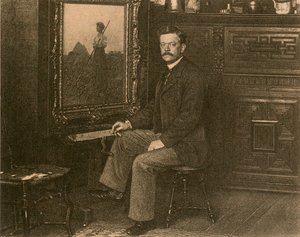
Charles Sprague Pearce
1851 - 1914 , Estados Unidos de América
Datos clave
- Artistas Que Influyeron: ['Léon Bonnat']
- Fecha De Muerte: 18 de mayo de 1914
- Fecha De Nacimiento: 13 de octubre de 1851
- Lugar De Nacimiento: Boston, Estados Unidos
- Movimiento Artístico: Academicismo, Orientalismo
- Nacionalidad: Estadounidense
- Nombre Completo: Charles Sprague Pearce
- Obras Notables:
- Le Retour du Troupeau
- Solitude
- Paul Wayland Bartlett
Artículos relacionados

John Constable: Las 25 Obras Maestras del Paisaje Inglés | ArtsDot
Descubre las 25 obras maestras de John Constable, el pintor romántico inglés que capturó la belleza del paisaje. Explora su técnica, historia y significado en ArtsDot.com. Reproducciones de arte de alta calidad para tu hogar.
John Singer Sargent: Las 25 Obras Maestras del Retrato y la Belle Époque | ArtsDot
Descubre las 25 obras maestras de John Singer Sargent, el maestro del retrato y la Belle Époque. Explora su técnica impresionista, historias fascinantes y encuentra reproducciones de arte exclusivas para decorar tu hogar con elegancia en ArtsDot.com.

El Greco: Las 25 Obras Maestras que Definen un Genio del Arte y la Fe
Descubre las 25 obras maestras de El Greco, el genio del Renacimiento español. Explora su arte religioso, manierismo y la historia detrás de cuadros icónicos como 'El Entierro del Conde de Orgaz'. Encuentra reproducciones de alta calidad en ArtsDot.com.
Gwen John: Intimacy, Modernity & the Quiet Power of Welsh Portraiture
Explore the captivating world of Gwen John, a pioneering Welsh artist renowned for her intimate portraits & subtle style. Discover her life, legacy, and how to bring her timeless beauty into your home with ArtsDot.
John Frederick Lewis: Orientalism, Detail & Genre Painting in 19th-Century British Art
Explore the captivating Orientalist paintings of John Frederick Lewis! Discover his mastery of detail, genre scenes & influence on 19th-century British art. Learn about his life, techniques & legacy at ArtsDot.

