

 Ver en contexto
 Enviar
 Compartir
 Detalles

 Descargar
 Similares
 Radiografía
 Presentación de diapositivas
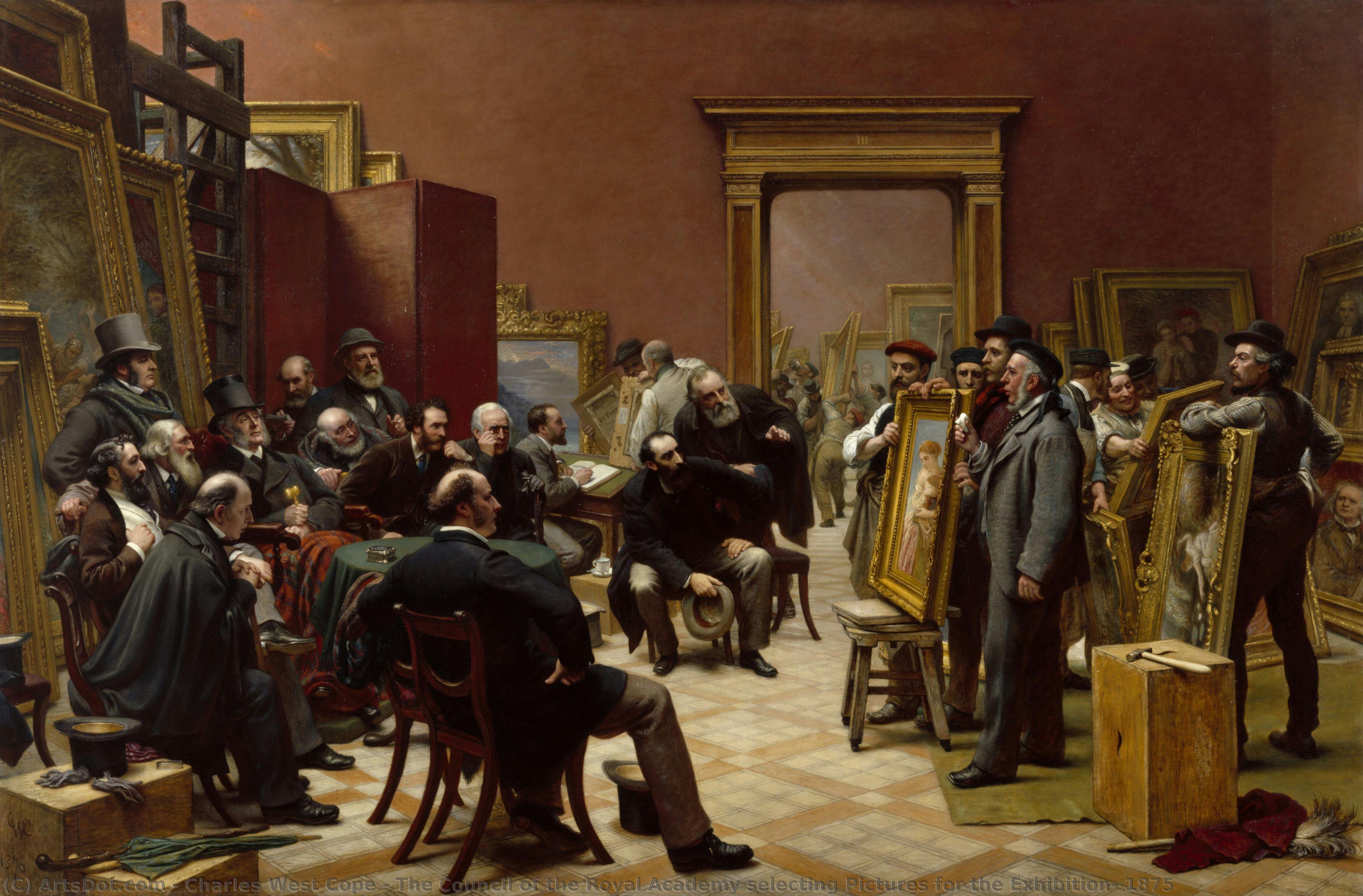
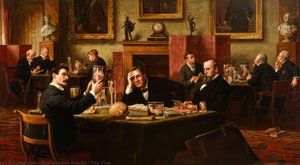
The Council of the Royal Academy selecting Pictures for the Exhibition, 1875


 Ver más
Reproducción al óleo hecha a mano
Óleo sobre lienzo pintado a mano en el tamaño y marco de su elección, realizado por encargo por nuestros artistas. ( Comprar impresión Comprar imagen)




































Elija entre nuestros tamaños predefinidos que respetan las proporciones originales de la obra.

Puede ingresar sus propias dimensiones para adaptarse a un marco o espacio específico. Si el tamaño seleccionado no coincide con las proporciones de la imagen original, recortaremos la obra o extenderemos la pintura con elementos adicionales pintados a mano. Se le enviará una maqueta digital para su aprobación antes de comenzar la producción.
Tenga en cuenta que la vista previa en pantalla no refleja el recorte o la extensión reales. Solo la maqueta mostrará con precisión la composición final.
Si bien existen tamaños personalizados, recomendamos seleccionar una dimensión de la lista predefinida para preservar las proporciones originales.
Tras realizar el pedido, el equipo de ArtsDot.com enviará un correo electrónico al cliente para solicitar instrucciones y proporcionarle una vista previa del boceto.
Envío a todo el mundo () en 3-4 semanas en lugar de las 5 semanas estándar. (27 agosto). Sin comprometer la calidad.

Envío exprés gratuito a todo el mundo

Lienzo de lino de alta calidad

Seguro de envío total

Garantía de reembolso de impuestos aduaneros

Garantía de fidelidad cromática exacta

Política de devolución de 60 días (solo por defectos)

Garantía de devolución del 100% del dinero

Descuento por cantidad
 La opción de vidrio solo está disponible en tamaños inferiores a 110 cm.

The Council of the Royal Academy selecting Pictures for the Exhibition, 1875
Técnica de reproducción
Dimensiones de la reproducción
-


Precio total final
$ 263
Descripción de la obra
A Moment Frozen in Artistic Judgement
In the grand, hushed halls of art history, few moments capture the weight of institutional legacy as poignantly as Charles West Cope’s The Council of the Royal Academy selecting Pictures for the Exhibition, 1875. This masterful composition serves as a window into a vanished era of Victorian prestige, transporting the viewer directly into the heart of the decision-making process that once dictated the pulse of the British art world. The scene is not merely a gathering; it is a high-stakes drama of intellect and aesthetic scrutiny. As the members of the Royal Academy congregate, we witness the intense, quiet gravity of men tasked with defining excellence. Through Cope’s lens, the viewer becomes an invisible participant in this sacred ritual, feeling the palpable tension that exists when the fate of an artist's career hangs upon a single, discerning glance.
The painting is a triumph of narrative complexity and crowded composition. From right to left, the canvas unfolds like a meticulously choreographed stage play, featuring a constellation of luminaries including J.E. Millais, F. Leighton, and R. Redgrave. Cope utilizes a sophisticated arrangement of figures to guide the eye through the room; some artists lean forward in deep contemplation, while others stand in quiet discussion, their silhouettes overlapping to create a sense of profound depth. The walls themselves are alive with the works being scrutinized—a gallery within a gallery—each piece contributing to the rich, textured atmosphere of the exhibition space. This layering of art within art creates a mesmerizing visual rhythm that rewards the attentive observer.
Technically, Cope demonstrates his unparalleled mastery of genre painting and historical scene construction. His ability to manage such a large-scale group portrait without sacrificing individual character is nothing short of extraordinary. The lighting is particularly evocative, casting soft shadows that define the heavy fabrics of the gentlemen's suits and the gilded edges of the frames, lending a sense of tactile reality to the scene. The palette is rich and academic, utilizing deep tones that evoke the warmth and solemnity of an institutional setting. For the collector or interior designer, this piece offers more than just decoration; it provides a sophisticated focal point that commands attention through its sheer historical density and painterly excellence.
Beyond its surface beauty, the work resonates with a profound emotional and symbolic weight. It represents the intersection of tradition and emerging talent, capturing the very moment where the established guard meets the new wave of creativity. There is a sense of stewardship in the air—a heavy responsibility felt by the Council as they navigate the delicate balance of selecting works that will define the Summer Exhibition. For those seeking to adorn a space with art that inspires conversation and intellectual curiosity, this reproduction offers an unparalleled opportunity to bring the prestige of the 19th-century London art scene into a contemporary setting, serving as a timeless tribute to the enduring power of human judgment and artistic passion.
Obras relacionadas
Biografía del artista
early life and training
Charles West Cope, a luminary of Victorian genre painting, was born on July 28, 1811, in Leeds, United Kingdom. His formative years were profoundly shaped by the untimely demise of his father, Charles Cope—a watercolour landscape painter and respected art teacher—in a tragic stagecoach accident in 1827. This devastating loss propelled young Charles into the tutelage of Sass’s Academy in Bloomsbury, London, where he honed his artistic skills alongside fellow aspiring artists. Subsequently, he enrolled at the Royal Academy in 1828, immersing himself in the rigorous traditions of British art education and establishing a foundation for his illustrious career.artistic career
Cope's artistic trajectory unfolded with remarkable success, characterized by an unparalleled ability to depict scenes from everyday life and historical narratives. His debut exhibition at the Royal Academy in 1833 garnered considerable acclaim, marking the commencement of a prolific creative output. Recognizing his talent, he embarked on a transformative journey to Italy during two consecutive years, dedicating himself to mastering techniques honed amidst the artistic fervor of Renaissance Florence.notable works and collaborations
Cope’s oeuvre boasts masterpieces that exemplify Victorian aesthetic sensibilities. Among these stand “Paolo and Francesca” (1837) and “Osteria di Campagna” (1838), swiftly acquired by discerning collectors after their unveiling at the Royal Academy, demonstrating his early artistic prowess.Furthermore, Cope’s monumental undertaking – the fresco cycle adorning the Houses of Lords – cemented his legacy as a pivotal figure in British art history. Specifically, “Prince Henry acknowledging the authority of Judge Gascoigne” and “Edward The Black Prince receiving the order of the garter,” commissioned in 1844, showcased Cope’s mastery of monumental painting and solidified his place among Britain's artistic elite.
He was also a founding member of The Etching Club, fostering collaborative relationships with fellow artists such as William Holman Hunt and Samuel Palmer—figures who championed Romantic idealism and influenced Cope’s stylistic choices. These connections underscored the vibrant intellectual milieu that nurtured British art during the Victorian era.
museum collections
Cope's artistic legacy resides prominently within the Parliamentary Art Collection in London, where his paintings continue to captivate audiences with their evocative depictions of historical moments and human emotion. Explore Cope’s remarkable artworks on ArtsDot.com view charles west cope's artworks on ArtsDot.com read more about charles west cope on wikipedia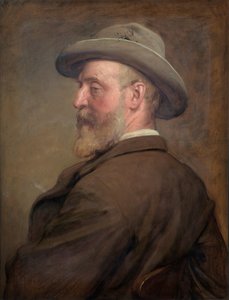
Charles West Cope
1811 - 1890 , Reino Unido
Datos clave
- Artistic Movement Or Style: Pintura género victoriana
- Artists Who Influenced This Artist:
- William Holman Hunt
- Samuel Palmer
- Date Of Birth: Julio 28, 1811
- Full Name: Charles West Cope
- Nationality: Británico
- Notable Artworks:
- Eduardo El Príncipe Negro
- Retrato de la hija del artista
- Place Of Birth: Leeds, Reino Unido
Artículos relacionados
James Sant: Capturing Victorian Childhood & the Evolving Landscape of British Genre Painting
Explore the life & art of James Sant (1820-1916), renowned Victorian portraitist to Queen Victoria. Discover his captivating depictions of childhood, landscapes, and aristocratic society. Learn about his legacy & find fine art reproductions.
R.A. Benjamin Williams: Victorian Genre Painting & Social Commentary
Explore the captivating world of Benjamin Williams Leader's Victorian genre paintings. Discover his mastery of naturalism, social commentary & lasting influence on British art. Expert insights at ArtsDot.
Thomas Edwin Mostyn: A Victorian Genre Painter's Journey from Realism to Romantic Enchantment
Discover the captivating world of Thomas Edwin Mostyn (1864-1930), a Victorian artist renowned for his romantic garden scenes and evocative portraits. Explore his artistic journey, legacy & find high-quality reproductions at ArtsDot.
Frederick Goodall (1822–1904): A Victorian Narrative of Rural Life and Artistic Tradition
Explore the captivating world of Frederick Goodall (1822–1904), a celebrated Victorian artist renowned for his detailed genre paintings and evocative Egyptian scenes. Discover his life, legacy & find high-quality reproductions at ArtsDot.
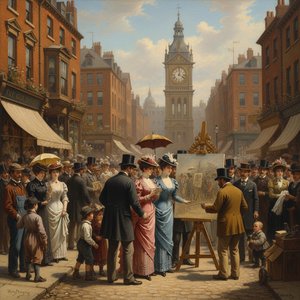
William Powell Frith: Narratives of Victorian Society & the Rise of Realist Painting
Explore the life & works of William Powell Frith, the 'greatest British painter of social scenes.' Discover his iconic Victorian genre paintings and learn about his lasting impact on realist art. Hand-painted reproductions available.

