 Ver en contexto
 Enviar
 Compartir
 Detalles

 Descargar
 Similares
 Radiografía
 Presentación de diapositivas
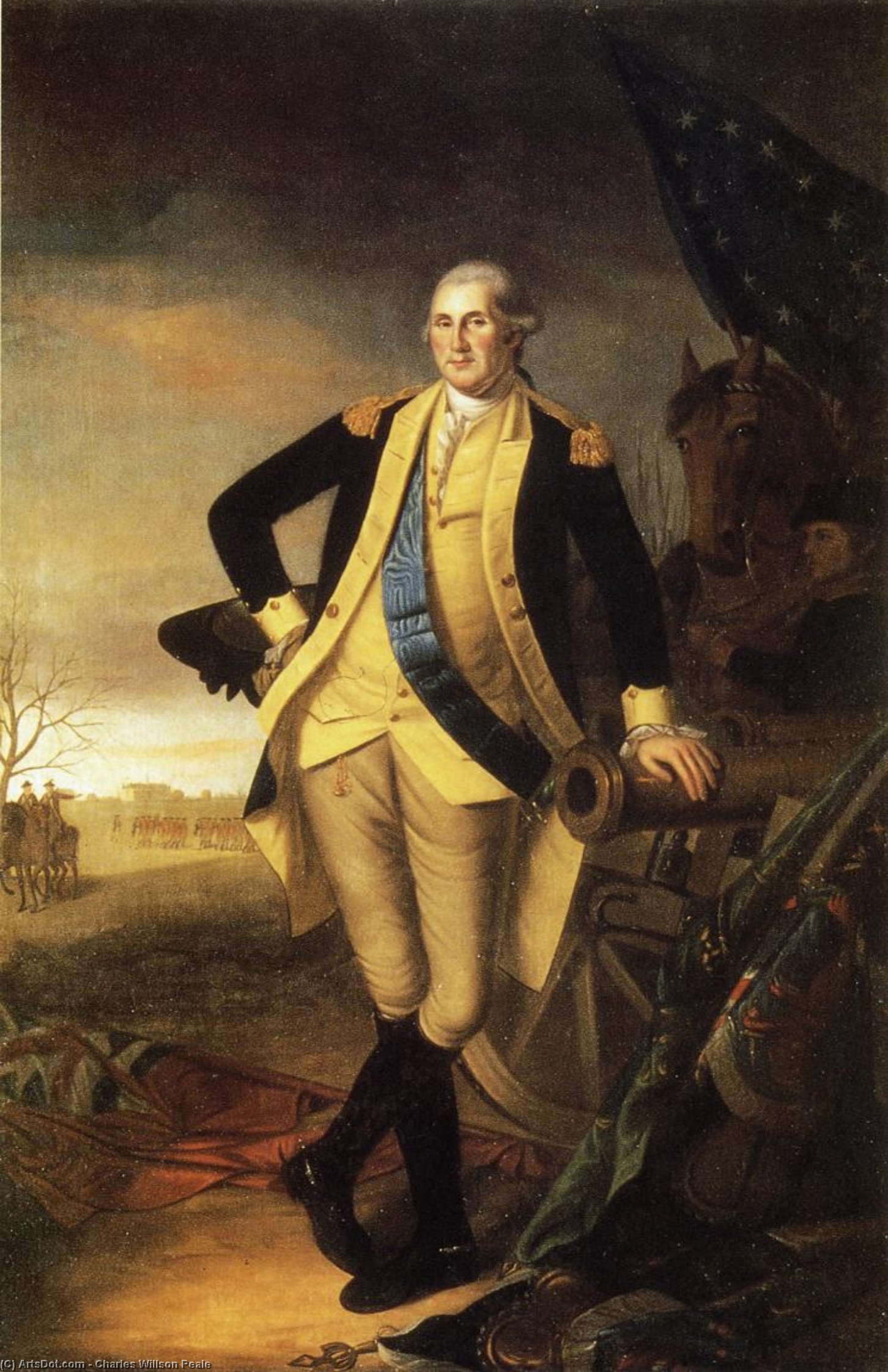
Washington After the Battle of Princeton, New Jersey


 Ver más
Giclée / Impresión de arte
Impresiones giclée o en lienzo de calidad de museo con producción rápida y opciones de acabado flexibles. ( Comprar pintura hecha a mano Comprar imagen)




P118B $10

P118H $10

P118W $10

P438Z $10

P508JH $12

P508YH $12

P805H $10

P805Z $10

P919BZ $10

P919G $10

P919XJ $10

P959ZH $10

P968JZ $12

W106C $8

W218G $10

W218JH $8

W218Y $10

W307PJ $10

W316G $10

W316PJ $8

W316Y $10

W398PJ $8

W4111J $10

W500HY $15

W500JH $15

W692G $12

W849H $8

W940BG $15

W953PJ $8




Elija entre nuestros tamaños predefinidos que respetan las proporciones originales de la obra.

Puede introducir sus propias dimensiones para adaptarse a un marco o espacio específico. Si el tamaño seleccionado no coincide con las proporciones de la imagen original, recortaremos la obra de arte o extenderemos la imagen con un borde con efecto espejo o de color sólido. Se enviará una maqueta digital para su aprobación antes de que comience la producción.
Tenga en cuenta que la vista previa en pantalla no refleja el recorte o la extensión real. Solo la maqueta mostrará con precisión la composición final.
Aunque existen tamaños personalizados, recomendamos seleccionar una dimensión de la lista predefinida para preservar las proporciones originales.
Envío a todo el mundo () en 2 semanas en lugar de las 4/5 semanas estándar. (2 septiembre)

Envío exprés gratuito a todo el mundo

Lienzo de lino de alta calidad

Seguro de envío total

Garantía de reembolso de impuestos aduaneros

Garantía de fidelidad cromática exacta

Política de devolución de 60 días (solo por defectos)

Garantía de devolución del 100% del dinero

Descuento por cantidad
 La opción de vidrio solo está disponible en tamaños inferiores a 110 cm.

Washington After the Battle of Princeton, New Jersey
Giclée / Impresión de arte
Dimensiones de la reproducción
-


Precio total final
$ 62
A Moment of Triumph: The Spirit of Revolution in Peale's Masterpiece
In the quiet intensity of 1779, Charles Willson Peale captured more than just a likeness; he immortalized the very heartbeat of a nascent nation. Washington After the Battle of Princeton, New Jersey serves as a profound window into the American Revolutionary War, offering a glimpse into the heavy atmosphere of victory and the weight of leadership. Through his masterful use of oil on canvas, Peale presents George Washington not merely as a general, but as a symbol of resilience. The painting breathes with the energy of the battlefield, where the dust of conflict has yet to settle, leaving the viewer suspended in a moment of profound historical significance.
The composition is a sophisticated tapestry of military grandeur and human connection. At the center stands Washington, draped in his iconic blue military coat adorned with meticulous gold trim, a visual testament to his command and the dignity of the Continental Army. His black hat and the sword resting at his side are not merely accessories but symbols of the duty and sacrifice required to forge a new republic. Peale’s keen eye for detail extends to the surrounding figures—soldiers and civilians alike—whose presence weaves a narrative of collective struggle. The inclusion of a horse in the scene grounds the portrait in the rugged reality of 18th-century warfare, adding a layer of kinetic potential to an otherwise poised and stately arrangement.
Technique and the Art of Realism
Charles Willson Peale’s artistic lineage, shaped by his studies under Benjamin West in London, is vibrantly evident in the technical execution of this work. His style is a masterful blend of European academic precision and an emerging American realism. Every brushstroke serves to enhance the texture of the fabric, the glint of the gold embroidery, and the somber depth of the shadows. This attention to detail creates a tactile experience for the observer, making the historical scene feel immediate and tangible.
The artist utilizes light and shadow to direct the viewer's emotional journey, drawing the eye toward Washington’s resolute expression while allowing the background elements—such as the patriotic American flag—to provide essential context without overwhelming the subject. This balance of focus ensures that the painting functions both as a historical document and a breathtaking work of fine art. For the discerning collector or interior designer, this piece offers a commanding presence, capable of anchoring a room with its rich colors and profound narrative depth.
A Legacy for the Modern Collector
Beyond its aesthetic brilliance, this painting carries an emotional resonance that transcends time. It evokes a sense of patriotism, courage, and the enduring human spirit. To possess a high-quality reproduction of this work is to invite a piece of history into one's personal space, providing a conversation starter that speaks of heritage and the foundational moments of democracy.
Whether displayed in a stately library, a sophisticated study, or a curated gallery wall, Washington After the Battle of Princeton, New Jersey brings an air of intellectual prestige and timeless elegance. It is an ideal selection for those who appreciate art that tells a story—a piece that does not merely decorate a wall but enriches the very soul of a home.
Obras relacionadas
Biografía del artista
Charles Willson Peale: Una Vida de Arte, Ciencia y Patriotismo
- Nacido: 15 de abril de 1741, Chester, Condado de Queen Anne, Maryland
- Fallecido: 22 de febrero de 1827, Filadelfia, Pensilvania
Primeros Años y Formación Artística
- La primera etapa de la vida de Peale estuvo marcada por dificultades económicas tras la muerte de su padre. Se formó como artesano en el oficio de sillero antes de descubrir su pasión por el arte.
- Recibió formación inicial de John Hesselius y estudió brevemente con John Singleton Copley, demostrando una aptitud temprana para el retrato.
- Un período crucial en su desarrollo fue su tiempo estudiando bajo la tutela de Benjamin West en Londres (1767-1770). Esta exposición a las tendencias artísticas europeas influyó significativamente en su estilo.
Carrera Artística y Obras Principales
- Retratista: Peale es conocido principalmente por sus retratos de figuras destacadas de la Revolución Americana, incluyendo numerosas representaciones de George Washington (casi sesenta en total). Estos retratos son valiosos documentos históricos además de logros artísticos.
- Estilo: Su estilo evolucionó con el tiempo, inicialmente influenciado por el enfoque neoclásico de West pero posteriormente incorporando elementos de realismo y un deseo de capturar la semejanza con precisión.
- Obras Notables:
- George Washington (1772): Marcó el comienzo de su larga asociación con Washington.
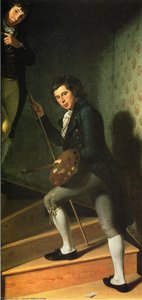
- El Grupo de la Escalera (c. 1795): Un ejemplo llamativo del "trompe l'oeil", que representa a sus hijos Raphael y Titian como si fueran parte del entorno arquitectónico.
Intereses Científicos y el Museo Americano de Peale
- Peale era un apasionado naturalista y científico, organizando expediciones para estudiar la historia natural.
- Fundó el Museo Americano de Peale en Filadelfia (1784), uno de los primeros museos en los Estados Unidos. Albergaba especímenes botánicos, biológicos y arqueológicos.
- El museo jugó un papel importante en la popularización de la ciencia y la educación en América. Era particularmente conocido por sus exhibiciones de huesos de mamut lanudo, adquiridos a través de una expedición en 1801.
- Se enseñó a sí mismo taxidermia para preservar especímenes para el museo, demostrando sus diversas habilidades.
Legado y Significado Histórico
- El trabajo de Peale une la brecha entre el arte y la ciencia, reflejando los ideales de la Ilustración de su época.
- Sus retratos proporcionan valiosos registros visuales de figuras clave en la historia estadounidense.
- La fundación del Museo Americano de Peale fue un esfuerzo pionero que ayudó a establecer el museo como una institución importante para la educación y la exploración científica.
- Influyó en generaciones posteriores de artistas y científicos, contribuyendo significativamente al desarrollo de la cultura americana.
- Su legado familiar continuó a través de sus hijos, incluyendo James Peale y Rubens Peale, quienes también se convirtieron en artistas consumados y contribuyeron a la colección del museo.
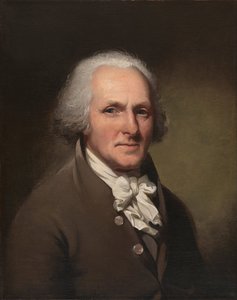
Charles Willson Peale
1741 - 1827 , Reino Unido
Datos clave
- Artistas Que Influyeron:
- John Hesselius
- John Singleton Copley
- Benjamin West
- Fecha De Fallecimiento: 22 de febrero de 1827
- Fecha De Nacimiento: 15 de abril de 1741
- Lugar De Nacimiento: Chester, Reino Unido
- Movimiento Artístico: Neoclasicismo
- Nacionalidad: Estadounidense
- Nombre Completo: Charles Willson Peale
- Obras Notables:
- Grupo de la escalera
- Retratos de Washington
Artículos relacionados

Georges Braque: Las 25 Obras Maestras del Cubismo y su Legado en el Arte Moderno
Descubre las 25 obras maestras de Georges Braque, pionero del cubismo. Explora su innovadora técnica, colores y el legado del arte moderno francés. Reproducciones de alta calidad en ArtsDot.com. ¡Encuentra tu inspiración!

Georges Seurat: Las 25 Obras Maestras del Pionero Puntillista | ArtsDot
Descubre las 25 obras maestras de Georges Seurat, el innovador del puntillismo. Explora su técnica única, colores vibrantes y legado artístico en ArtsDot.com. Reproducciones de arte de museo para tu hogar.
Las 10 Obras Maestras del Azul Pizarra: Arte, Historia y Decoración
Descubre las 10 pinturas más famosas dominadas por el azul pizarra. Explora la historia, técnica y belleza de Monet, Van Gogh y otros maestros. Encuentra reproducciones de arte exclusivas para decorar tu hogar en .
The Allure of Azure: Exploring the Symbolic & Aesthetic Depths of Blue in Art History
Explore the rich history of blue in art! Discover its symbolism, from ancient pigments to modern masterpieces by Kandinsky & Seurat. Uncover the psychological impact and cultural meanings behind this captivating hue.
Golden Glow: How to Use Metallic Gold Artworks to Elevate Your Home Decor with Timeless Luxury
Discover how to elevate your home with the timeless elegance of metallic gold artworks. From sculptural metal pieces to gilded oil paintings, learn expert interior design tips for integrating luxurious gold accents into your space with sophistication and grace.