 Ver en contexto
 Enviar
 Compartir
 Detalles

 Descargar
 Similares
 Radiografía
 Presentación de diapositivas
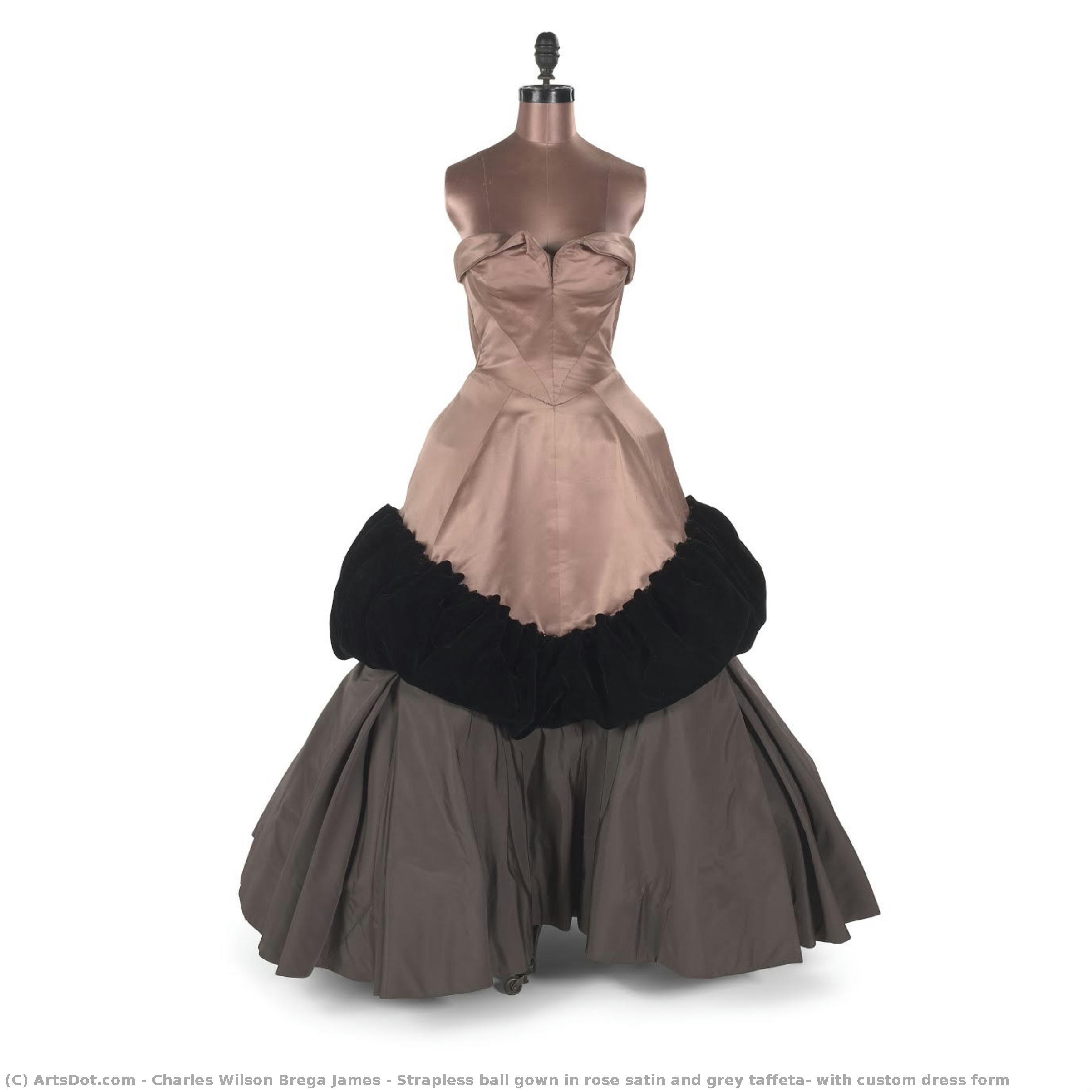
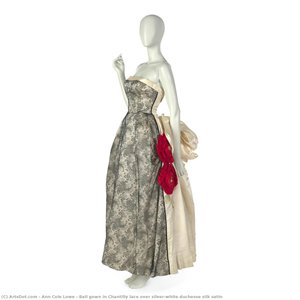
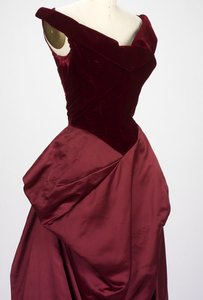
Strapless ball gown in rose satin and grey taffeta, with custom dress form


 Ver más
Giclée / Impresión de arte
Impresiones giclée o en lienzo de calidad de museo con producción rápida y opciones de acabado flexibles. ( Comprar pintura hecha a mano Comprar imagen)




P118B $10

P118H $10

P118W $10

P438Z $10

P508JH $12

P508YH $12

P805H $10

P805Z $10

P919BZ $10

P919G $10

P919XJ $10

P959ZH $10

P968JZ $12

W106C $8

W218G $10

W218JH $8

W218Y $10

W307PJ $10

W316G $10

W316PJ $8

W316Y $10

W398PJ $8

W4111J $10

W500HY $15

W500JH $15

W692G $12

W849H $8

W940BG $15

W953PJ $8




Elija entre nuestros tamaños predefinidos que respetan las proporciones originales de la obra.

Puede introducir sus propias dimensiones para adaptarse a un marco o espacio específico. Si el tamaño seleccionado no coincide con las proporciones de la imagen original, recortaremos la obra de arte o extenderemos la imagen con un borde con efecto espejo o de color sólido. Se enviará una maqueta digital para su aprobación antes de que comience la producción.
Tenga en cuenta que la vista previa en pantalla no refleja el recorte o la extensión real. Solo la maqueta mostrará con precisión la composición final.
Aunque existen tamaños personalizados, recomendamos seleccionar una dimensión de la lista predefinida para preservar las proporciones originales.
Envío a todo el mundo () en 2 semanas en lugar de las 4/5 semanas estándar. (1 septiembre)

Envío exprés gratuito a todo el mundo

Lienzo de lino de alta calidad

Seguro de envío total

Garantía de reembolso de impuestos aduaneros

Garantía de fidelidad cromática exacta

Política de devolución de 60 días (solo por defectos)

Garantía de devolución del 100% del dinero

Descuento por cantidad
 La opción de vidrio solo está disponible en tamaños inferiores a 110 cm.

Strapless ball gown in rose satin and grey taffeta, with custom dress form
Giclée / Impresión de arte
Dimensiones de la reproducción
-


Precio total final
$ 62
A Glimpse into the 1950s: A Rose Satin Ballgown
The painting before us isn’t merely a depiction of a dress; it's a portal to a specific moment in fashion history – the mid-1950s, an era defined by burgeoning glamour and a renewed embrace of femininity. Charles Wilson Brega James, a remarkably innovative couturier who largely operated outside the mainstream, captured this spirit with exquisite precision. His work, often characterized by its architectural rigor and sculptural forms, is brought to life here in a meticulously rendered image, offering a rare glimpse into his design philosophy. The subject itself – a rose satin ball gown – embodies the era’s obsession with luxurious fabrics, intricate detailing, and an almost theatrical sense of occasion.
The composition immediately draws the eye to the dress's dramatic silhouette. Its full skirt, achieved through layers of charcoal grey taffeta stiffened with crinoline, speaks volumes about the period’s preference for voluminous shapes – a deliberate statement of wealth and social standing. The fitted bodice, constructed from rose pink silk satin and accented by black velvet flounces, showcases James' signature approach: transforming fabric into wearable art. The careful layering of textures—the smooth sheen of the satin, the plushness of the velvet, and the crispness of the taffeta—creates a tactile experience even within the confines of the image, inviting the viewer to almost feel the weight and drape of the garment.
Decoding the Details: A Symphony of Texture and Color
James’ mastery lies not just in his structural designs but also in his ability to translate complex fabrics into visually stunning forms. The painting meticulously captures this skill, highlighting the subtle variations in tone and texture that define each material. Note the way the rose satin catches the light, revealing its delicate weave; the deep, luxurious sheen of the black velvet, contrasting sharply with the lighter pink; and the precise pleating of the grey taffeta skirt, creating a sense of movement and volume. The use of jet buttons adds a touch of understated elegance, grounding the overall design.
The color palette is equally deliberate. The rose pink provides warmth and romance, while the black velvet introduces an element of drama and sophistication. The charcoal grey taffeta acts as a visual anchor, preventing the composition from becoming overly saccharine. This careful balance of colors creates a harmonious whole that reflects the era’s fascination with both opulence and restraint.
The Artist's Vision: Brega James and His Era
Charles Wilson Brega James was a singular figure in 20th-century fashion, largely operating outside the established Parisian houses. Born in England to American heiress and British army officer parents, he developed a unique aesthetic informed by his diverse background and a keen eye for structure and form. His designs were often described as “sculptural,” reflecting his belief that clothing should be more than just functional; it should be an expression of art. The 1952 painting before us offers a tangible representation of this philosophy, showcasing James’ ability to transform ordinary fabrics into extraordinary works of wearable sculpture.
The date – 1952 – places the artwork firmly within the context of post-war America, an era marked by renewed prosperity and a fascination with glamour. James' work resonated deeply with this cultural climate, capturing the spirit of optimism and aspiration that defined the decade. The meticulous detail and sophisticated design reflect a desire for refinement and elegance—qualities highly valued during this period.
A Legacy in Reproduction: Bringing James’ Vision to Life
Reproductions of Charles Wilson Brega James' designs are not merely copies; they are opportunities to experience the artistry and innovation of a truly exceptional designer. The careful attention to detail evident in the original painting is faithfully reproduced, allowing viewers to appreciate the richness of the fabrics, the precision of the construction, and the overall sculptural quality of the garment. Investing in a high-quality reproduction offers a way to bring this piece of fashion history into your own home or studio, celebrating the enduring legacy of Charles Wilson Brega James.
Obras relacionadas
Biografía del artista
Primeros Años y Educación
- Charles Wilson Brega James nació el 18 de julio de 1906 en Camberley, Surrey, Inglaterra, hijo de Ralph Ernest Haweis James, un oficial del ejército británico, y Louise Enders Brega, una heredera estadounidense.
- Recibió su educación temprana en la escuela The New Beacon en Sevenoaks, Kent (1914-1918), seguida de un breve período en la escuela Harrow School en 1919. En Harrow, se hizo amigo de figuras notables como Evelyn Waugh, Francis Cyril Rose y Cecil Beaton.
- James fue expulsado de Harrow por lo que se describió como una “eskapada sexual.” Posteriormente, estudió brevemente música en la Universidad de Burdeos, Francia, antes de trasladarse a Chicago.
Desarrollo Profesional e Influencias Artísticas
- En Chicago, James se benefició del patrocinio de Samuel Insull, un amigo familiar y magnate de los servicios públicos. Insull le brindó oportunidades para desarrollar habilidades matemáticas que luego serían cruciales en su proceso de diseño.
- A la edad de 19 años, abrió su primera tienda de sombreros en Chicago bajo el seudónimo de ‘Charles Boucheron’ debido a la desaprobación de su padre por una carrera en la moda.
- James se trasladó entre Chicago, Nueva York, Londres y París durante la década de 1930, estableciéndose como diseñador. Estuvo influenciado por principios arquitectónicos y formas escultóricas, que se convirtieron en los sellos distintivos de su trabajo.
- Desarrolló relaciones con artistas como Salvador Dalí, Gertrude Stein y Colette, enriqueciendo aún más su entorno creativo.
Obras Principales y Filosofía del Diseño
- Charles James es celebrado por sus vestidos de baile altamente estructurados y su enfoque innovador del drapeado y la sastrería. Consideraba la confección como una búsqueda arquitectónica, elaborando meticulosamente prendas con complejas estructuras internas.
- Obras notables incluyen:
- Vestido de Baile sin Tirantes en Satén Rosa y Tafetán Gris: Una obra maestra que muestra su innovador uso de telas y formas, disponible para su visualización en ArtsDot.com.
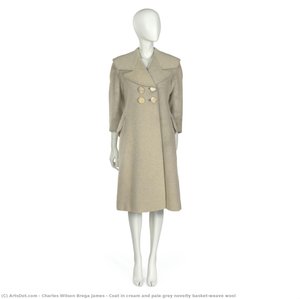
- Abrigo en Lana Trenzada Cremosa y Gris Pálida: Demostrando su versatilidad en el diseño, se encuentra dentro de la colección de ArtsDot.
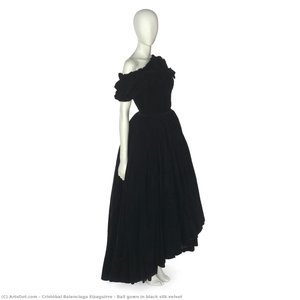
- Vestido de Noche en Chifón Negro con Capas Inferiores: Un testimonio de su habilidad en capas y texturas, también presentado en ArtsDot.com.
- El vestido “Clover” (1950/1954): Conocido por su construcción de falda de cuatro lóbulos, ejemplifica el enfoque arquitectónico de James hacia la moda.
- Sus diseños a menudo presentaban intrincadas técnicas de costura y materiales poco convencionales. Era un perfeccionista, a veces pasando años perfeccionando una sola prenda.
Legado e Importancia Histórica
- El impacto de Charles James en el mundo de la moda es innegable. Sus diseños continúan inspirando a los diseñadores contemporáneos con sus siluetas escultóricas, su meticulosa construcción y su innovador uso de materiales.
- Es considerado uno de los couturiers estadounidenses más influyentes del siglo XX, tendiendo un puente entre el arte y la moda.
- A pesar de enfrentar dificultades financieras y una personalidad desafiante, James dejó un legado de artesanía excepcional y visión artística. Su trabajo sigue siendo muy buscado por coleccionistas y museos de todo el mundo.
- Recursos para mayor exploración incluyen ArtsDot.com, que ofrece una página dedicada a su vida y obra, así como la entrada de Wikipedia sobre Charles James.
Charles Wilson Brega James
1906 - 1978 , Estados Unidos de América
Datos clave
- Artistas Influenciados: ['Diseñadores modernos']
- Fecha De Fallecimiento: 23 de septiembre de 1978
- Fecha De Nacimiento: 18 de julio de 1906
- Lugar De Nacimiento: Camberley, Inglaterra
- Movimiento Artístico: Alta costura, Escultórico
- Nacionalidad: Británico-estadounidense
- Nombre Completo: Charles Wilson Brega James
- Obras Notables:
- Gown satén y tafetán
- Abrigo lana cesta
- Vestido de chifón
- El vestido "Clover"
Artículos relacionados

Crimson Threads of Narrative: Exploring Symbolism & Representation in Artworks Featuring the Red Dress
Explore the rich symbolism of the red dress in art history! From ancient power displays to iconic portraits like Cézanne’s 'Madame Cezanne', discover the cultural and artistic significance behind this captivating color. Expert analysis & insights.
Echoes of Time: Nostalgia, Technique & Cultural Significance in Vintage Paintings
Explore the captivating world of vintage paintings! Discover key styles, cultural significance & collecting tips from art experts at ArtsDot. Find authentic reproductions and elevate your home décor.

Echoes of Time: Exploring the Enduring Appeal of Vintage Artwork
Explore the captivating world of vintage art! Discover its history, enduring appeal, & how to build your own collection. Expert advice, custom reproductions & museum-quality prints at ArtsDot.

Echoes of Time: Exploring the Enduring Appeal & Historical Context of Vintage Art Prints
Explore the captivating world of vintage art prints! Discover their history, collecting tips & enduring appeal. Expert insights on chromolithography and building a legacy collection with ArtsDot.
Echoes of Eras Past: Exploring Themes & Techniques in Vintage Art Collections
Explore the captivating world of vintage art! Discover historical movements, iconic themes & collecting tips. Find handmade reproductions & expert appraisal at ArtsDot.