

 Ver en contexto
 Enviar
 Compartir
 Detalles

 Descargar
 Similares
 Radiografía
 Presentación de diapositivas
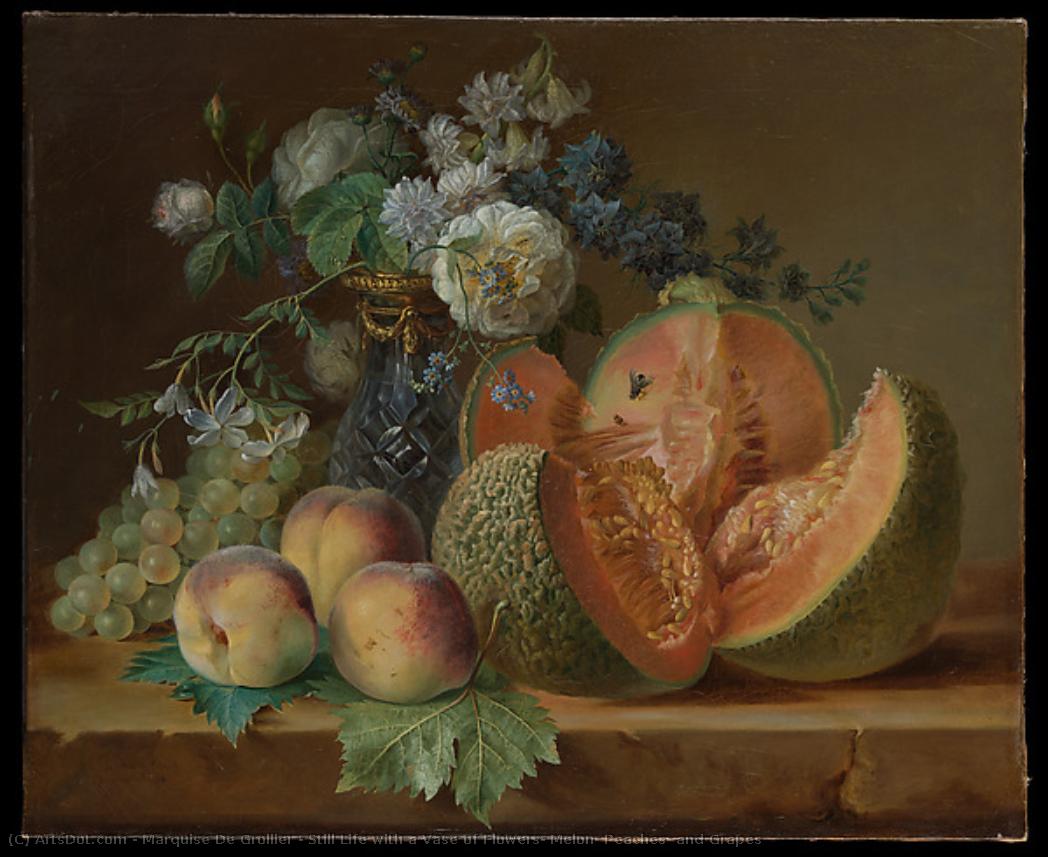
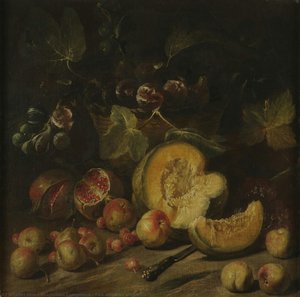
Still Life with a Vase of Flowers, Melon, Peaches, and Grapes
 Oil On Canvas
- WallArt
- 18th-Century Rococo
 1780
1780 46.0 x 56.0 cm
 Museo Metropolitano de Arte
 Ver más
Giclée / Impresión de arte
Impresiones giclée o en lienzo de calidad de museo con producción rápida y opciones de acabado flexibles. ( Comprar pintura hecha a mano Comprar imagen)




P118B $10

P118H $10

P118W $10

P438Z $10

P508JH $12

P508YH $12

P805H $10

P805Z $10

P919BZ $10

P919G $10

P919XJ $10

P959ZH $10

P968JZ $12

W106C $8

W218G $10

W218JH $8

W218Y $10

W307PJ $10

W316G $10

W316PJ $8

W316Y $10

W398PJ $8

W4111J $10

W500HY $15

W500JH $15

W692G $12

W849H $8

W940BG $15

W953PJ $8




Elija entre nuestros tamaños predefinidos que respetan las proporciones originales de la obra.

Puede introducir sus propias dimensiones para adaptarse a un marco o espacio específico. Si el tamaño seleccionado no coincide con las proporciones de la imagen original, recortaremos la obra de arte o extenderemos la imagen con un borde con efecto espejo o de color sólido. Se enviará una maqueta digital para su aprobación antes de que comience la producción.
Tenga en cuenta que la vista previa en pantalla no refleja el recorte o la extensión real. Solo la maqueta mostrará con precisión la composición final.
Aunque existen tamaños personalizados, recomendamos seleccionar una dimensión de la lista predefinida para preservar las proporciones originales.
Envío a todo el mundo () en 2 semanas en lugar de las 4/5 semanas estándar. (4 septiembre)

Envío exprés gratuito a todo el mundo

Lienzo de lino de alta calidad

Seguro de envío total

Garantía de reembolso de impuestos aduaneros

Garantía de fidelidad cromática exacta

Política de devolución de 60 días (solo por defectos)

Garantía de devolución del 100% del dinero

Descuento por cantidad
 La opción de vidrio solo está disponible en tamaños inferiores a 110 cm.

Still Life with a Vase of Flowers, Melon, Peaches, and Grapes
Giclée / Impresión de arte
Dimensiones de la reproducción
-


Precio total final
$ 62
A Symphony of Summer’s Bounty: Deconstructing “Still Life with a Vase of Flowers, Melon, Peaches, and Grapes”
The painting before you – “Still Life with a Vase of Flowers, Melon, Peaches, and Grapes” by Charlotte Eustache Sophie de Fuligny-Damas – isn't merely a depiction of fruit and flora; it’s a carefully orchestrated tableau of light, color, and the fleeting beauty of the late summer season. Painted in 1780, during the height of the Rococo era in France, this work offers a glimpse into the refined world of a noblewoman’s artistic pursuits – a realm where leisure and aesthetic appreciation were paramount. De Grollier, as she was known, wasn't seeking fame or fortune through exhibition; instead, she cultivated an intimate circle of artists and intellectuals, finding joy in meticulous copying and quiet observation, skills honed under the tutelage of the esteemed Gérard van Spaendonck. The painting itself is a testament to this dedication, a remarkably precise study of form and texture that transcends simple representation. Notice how Van Spaendonck’s influence—particularly his emphasis on light and shadow—is subtly woven into De Grollier's technique, creating an almost palpable sense of volume and depth within the still life arrangement.- The Composition: The arrangement is deliberately balanced, yet brimming with a delightful sense of abundance. The vase, overflowing with delicate pink roses and smaller blooms, anchors the scene, drawing the eye upwards while the fruits and vegetables cascade downwards in a vibrant display.
- Color Palette: De Grollier masterfully employs a restrained but luminous color palette. The dominant tones are muted greens, yellows, and reds – colors evocative of ripening fruit and verdant foliage. The subtle variations within each hue—the blush of the peaches, the deep orange of the melon, the delicate pinks of the roses—demonstrate her keen eye for detail and her ability to capture the nuances of light on different surfaces.
- Van Spaendonck’s Influence: The painting is a direct copy of one of Van Spaendonck's works, showcasing De Grollier's commitment to learning and replicating his style. This isn't simply imitation; it’s an exercise in understanding the principles of light, composition, and color that defined his approach.
The Language of Still Life: Symbolism and Social Context
Still life paintings during the 18th century were far more than decorative exercises; they were laden with symbolic meaning. The fruits and vegetables depicted weren’t chosen at random. Melon, for instance, represented wealth and prosperity – a common motif in aristocratic interiors. Peaches symbolized longevity and good fortune, while grapes alluded to abundance and celebration. The inclusion of roses, particularly the delicate pink variety, speaks to beauty, love, and the ephemeral nature of pleasure. The arrangement as a whole can be interpreted as an ode to the bounty of the harvest and a subtle commentary on the comforts and privileges enjoyed by the French aristocracy. It’s important to remember that De Grollier's world was one of carefully constructed appearances; this painting, while seemingly simple, reflects the values and aesthetic sensibilities of her social class – a celebration of beauty, refinement, and the pleasures of domestic life. Historical Context:** The Rococo period (roughly 1730-1780) favored lightheartedness, elegance, and an emphasis on sensual pleasure. Still life paintings were particularly popular during this time, offering a respite from the more formal and imposing styles of previous eras. De Grollier’s work perfectly embodies these characteristics, showcasing her artistic skill while reflecting the prevailing tastes of her time.*Technique: A Masterful Blend of Observation and Skill
De Grollier's technique is characterized by its meticulous detail and remarkable realism. She employed a smooth, blended brushstroke to create a sense of luminous softness, particularly in the depiction of the fruits and flowers. The subtle variations in tone—the highlights on the melon’s surface, the shadows beneath the peaches—are rendered with astonishing precision. The artist's attention to texture is equally impressive; you can almost feel the velvety skin of the peaches, the delicate petals of the roses, and the smooth curves of the melon. The painting demonstrates a deep understanding of how light interacts with different surfaces, creating a sense of three-dimensionality that draws the viewer into the scene. The use of oil paints allowed for layering and blending, building up complex colors and textures with remarkable control. Note the careful rendering of reflected light on the melon’s surface – a testament to her observational skills and mastery of chiaroscuro.Bringing “Still Life” into Your Space: Reproduction and Interpretation
Today, this painting offers more than just a visual delight; it provides a window into the world of 18th-century French art and aristocratic life. High-quality reproductions capture much of the original’s subtle beauty and nuanced detail. When selecting a reproduction, consider the medium – oil on canvas prints offer the most authentic representation of the painting's texture and color depth. The piece would complement a variety of interior styles, from classic French to contemporary spaces seeking a touch of elegance and historical charm. Ultimately, “Still Life with a Vase of Flowers, Melon, Peaches, and Grapes” is a reminder of the enduring power of art to capture beauty, evoke emotion, and transport us to another time and place—a timeless celebration of summer’s bounty and the pleasures of refined living.*Obras relacionadas
Biografía del artista
Charlotte Eustache Sophie de Fuligny Damas - Una Voz Silenciada en el Mundo del Arte Floral
La marquise de Grollier, como fue conocida internacionalmente, permanece en gran medida olvidada por la historia del arte occidental, pese a ocupar un lugar central en el mundo artístico francés durante su época. Esta figura femenina excepcional desafía las convenciones biográficas tradicionales al ofrecer una imagen compleja que mezcla habilidad artística con restricciones sociales propias de su condición noble y privilegiada. Aunque pocos datos sobre su vida son disponibles, los estudios realizados por expertos como David Pullins del Museo Metropolitano de Arte revelan un talento sorprendente para la pintura floral que merece ser reconocido.Primeros años y Educación
Charlotte Eustache Sophie de Fuligny Damas nació en París el 21 de diciembre de 1741, hija de Henry Anne de Fuligny-Damas, Comte de Rochechouart, Baron de Couches, Marigny-sur-Ouche, Aubigny, Agey y Saint-Péreuse. Tras la muerte prematura de su padre a los tres años, fue colocada bajo el cuidado de las canonisas del monasterio de Remiremont, donde recibió una educación clásica que marcó el inicio de su formación artística. Esta educación proporcionó acceso a conocimientos avanzados en literatura, filosofía y matemáticas, elementos esenciales para comprender el contexto intelectual de la época y estimular el desarrollo de sus habilidades creativas. Su interés por dibujar fue impulsado por profesores destacados como Jean-Baptiste Greuze y Gérard van Spaendonck, artistas cuyo estilo influiría profundamente en su obra posterior.El Mundo del Arte Floral y la Influencia de Van Spaendonck
La pasión por la pintura floral fue una constante en la vida artística de Charlotte Eustache Sophie de Fuligny Damas desde temprana edad. Esta fascinación se manifestó especialmente bajo la guía de Gérard van Spaendonck, un pintor holandés emigrado que alcanzó gran éxito en París durante los años 70 y 80 del siglo XVIII. Van Spaendonck fue nombrado pintor oficial de retrato de Luis XVI en 1774 y miembro de la Academia Real en 1777, estableciendo así una relación profesional fructífera que impulsaría el desarrollo de su talento artístico. Como estudiante de Van Spaendonck, Grollier adquirió técnicas innovadoras para capturar la belleza efímera de las flores y otros elementos naturales, convirtiéndose en una maestra del género floral francés. Esta influencia se refleja en numerosas obras maestras creadas por ella durante su etapa más activa como artista, donde se observa una meticulosa atención al detalle y una sensibilidad estética excepcional.Vida Familiar y Reconocimiento Internacional
En 1760, Charlotte Eustache Sophie de Fuligny Damas contrajo matrimonio con Pierre Louis de Grollier, Marqués de Grollier y Treffort, gobernador de Pont-d’Ain y diputado de la nobleza francesa. Esta unión consolidó su posición social y le otorgó acceso a círculos intelectuales influyentes en París, donde cultivó amistades importantes entre artistas y escritores destacados. Entre ellos se encontraba Elisabeth Vigée Le Brun, una pintora excepcional que admiraba profundamente el talento artístico de Grollier y cuyo retrato fue encargado por ella en 1788. Esta amistad marcó un punto culminante en la vida artística de Grollier, quien encontró apoyo emocional y profesional en una figura femenina clave del mundo artístico francés de la época. Su obra fue reconocida internacionalmente como ejemplo de excelencia estética y técnica, estableciendo así su lugar entre los artistas más importantes de su generación.Legado Artístico y Filantropía
Aunque pocos datos sobre su vida posterior son disponibles, Charlotte Eustache Sophie de Fuligny Damas continuó practicando la pintura hasta su muerte en septiembre de 1828, a los 86 años. Además de su actividad artística, Grollier destacó por sus esfuerzos filantrópicos, como la creación de un acuífero artesiano en el parque del castillo de Épinay-sur-Seine, que contribuyó significativamente al bienestar de la comunidad local. Esta iniciativa demuestra su compromiso con causas sociales y culturales importantes y refuerza su imagen como una mujer excepcional cuya vida estuvo marcada por la creatividad artística y el servicio público. Su obra sigue siendo estudiada y admirada por expertos en arte y historia contemporánea, asegurando así que el legado artístico de Charlotte Eustache Sophie de Fuligny Damas perdure a través del tiempo.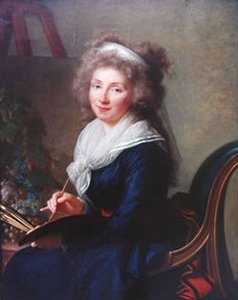
Charlotte Eustache Sophie De Fuligny Damas
1741 - 1828 , Francia
Datos clave
- Artistic Movement Or Style: Rococo
- Artists Or Movements Influenced By This Artist: ['Elisabeth Vigée Le Brun']
- Artists Who Influenced This Artist:
- Jean-Baptiste Greuze
- Gérard van Spaendonck
- Date Of Birth: December 21, 1741
- Date Of Death: September 13, 1828
- Full Name: Charlotte Eustache Sophie de Fuligny-Damas
- Nationality: Francesa
- Notable Artworks:
- Árbol de la vida
- Mosaicos
- Place Of Birth: Paris, France
Artículos relacionados

Goya: Las 25 Obras Maestras del Genio Español | Reproducciones de Arte en ArtsDot
Descubre las 25 obras maestras de Goya, el genio español. Explora retratos icónicos, 'Los Caprichos' y 'Las Pinturas Negras'. Reproducciones de arte en lienzo de alta calidad para decorar tu hogar con estilo. ¡Encuentra tu obra favorita en ArtsDot.com!

Acerca de nosotros
Descubre nuestra historia! Llevamos el arte de clase mundial a tu vida gracias a una selección experta, creaciones personalizadas y vistas previas gratuitas. Aprobado por particulares y empresas desde el año 2000.
Maurice Quentin de La Tour: Light, Shadow & the Rococo Portrait
Explore the captivating world of Maurice Quentin de La Tour, a master of Rococo portraiture. Discover his innovative pastel techniques, intimate depictions of French aristocracy, and lasting artistic legacy. Learn more at ArtsDot.
El Siglo XVIII en el Arte: 10 Obras Maestras para Decorar con Historia y Elegancia
Descubre 10 obras maestras del siglo XVIII: Goya, Fragonard y más. Explora la historia, el arte barroco, rococó y neoclasicismo que inspiran decoración elegante. Reproducciones de alta calidad en ArtsDot.com.
Blossoming Symbolism: A Historical Journey Through Flowers in Western Painting
Explore the rich history of flower symbolism in Western painting! Discover how artists from the Renaissance to Modernism used blossoms to convey meaning, emotion & beauty. Learn about iconic artworks and movements.

