 Ver en contexto
 Enviar
 Compartir
 Detalles

 Descargar
 Similares
 Radiografía
 Presentación de diapositivas
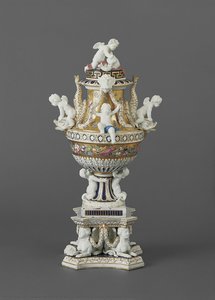
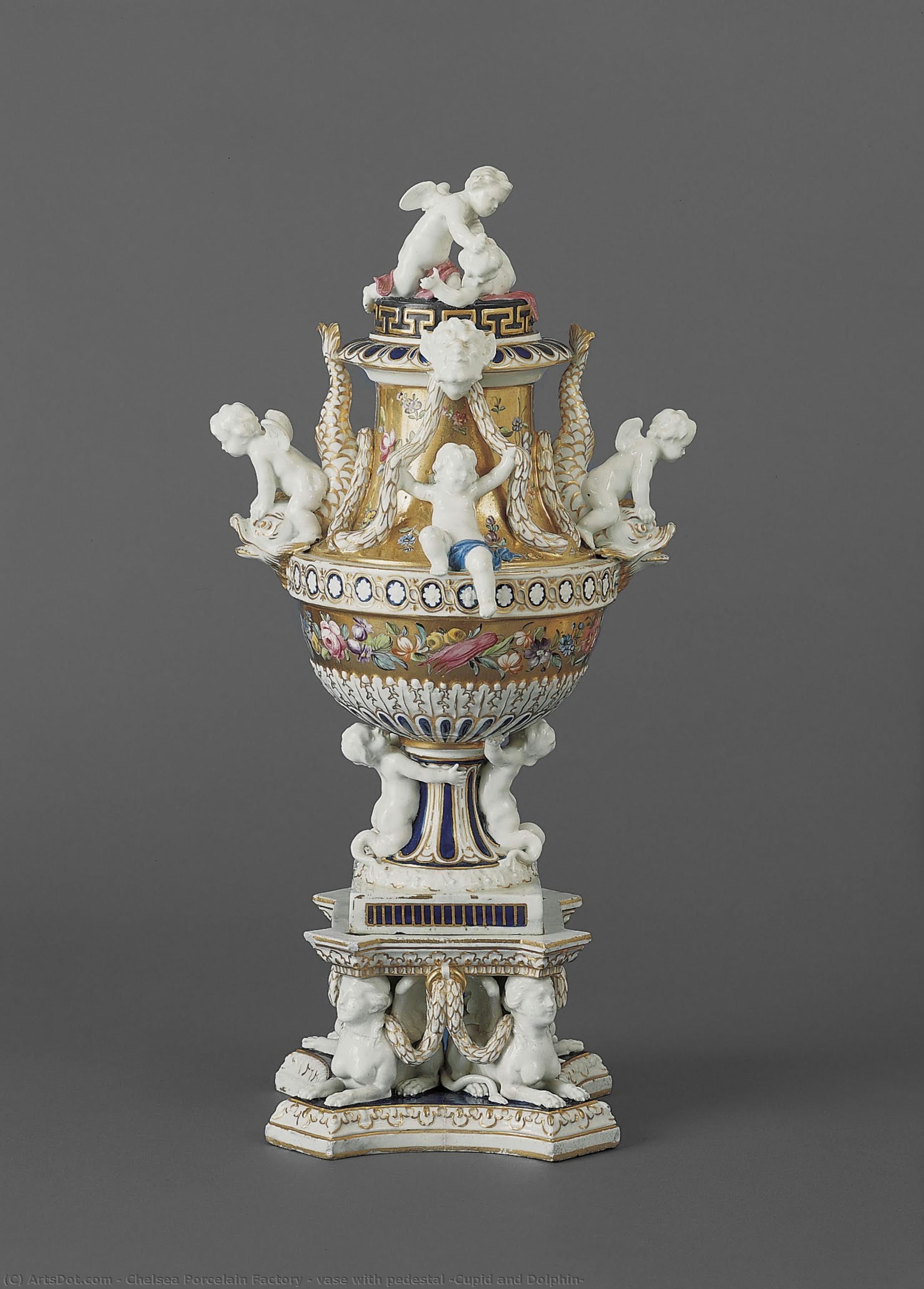
vase with pedestal (Cupid and Dolphin)


 Ver más
Adquiera una imagen digital de alta resolución y optimizada, muy superior a la vista previa en línea.
Cada archivo es preparado meticulosamente por nuestros especialistas internos mediante el uso de herramientas avanzadas y un experto retoque manual. Nos aseguramos de que cada imagen posea una claridad excepcional, una precisión cromática impecable y un detalle minucioso.
El archivo final se entrega por correo electrónico en un plazo de 72 horas, optimizado para su uso inmediato en entornos profesionales, editoriales y de impresión. Esta es la misma calidad en la que confían los estudios de diseño, las editoriales y las galerías de primer nivel.
Imagen Digital
Descarga un archivo de alta resolución para exhibición personal, impresión y proyectos creativos. ( Comprar impresión Comprar pintura hecha a mano)
Incluido en cada pedido de imágenes digitales
Entrega digital experta, garantizada.
Al elegir ArtsDot.com, no solo está adquiriendo una imagen; está recibiendo una obra de arte digital mejorada profesionalmente, elaborada con precisión y respaldada por una garantía de satisfacción. Esto es todo lo que incluye su pedido, automáticamente:

Entrega rápida por email
Recibirá su archivo de imagen digital en alta resolución por correo electrónico en un plazo de 72 horas tras realizar su pedido, listo para su uso inmediato.

Archivo digital optimizado por IA
Su obra de arte se optimiza profesionalmente mediante herramientas avanzadas de IA y edición manual, garantizando el máximo detalle, claridad y precisión cromática.

Reenvío gratuito de por vida
¿Has borrado o perdido tu archivo por error? No te preocupes: te lo volveremos a enviar en cualquier momento, sin coste adicional.

Sin gastos de importación, siempre
Disfrute de su obra de arte al instante sin aduanas, aranceles ni gastos de envío; las descargas digitales siempre están libres de impuestos.

Garantía de fidelidad de color
Garantizamos que su imagen digital refleje los colores originales con la mayor fidelidad posible, mediante el uso de herramientas profesionales y gestión del color.

Garantía de satisfacción de 60 días
Si no está satisfecho con su imagen digital, la revisaremos o le reembolsaremos el 100% en un plazo de 60 días, sin preguntas.

100% Garantía de devolución de dinero
¿No está satisfecho? Obtenga un reembolso completo dentro de los 60 días posteriores a la recepción de su archivo digital, sin necesidad de explicaciones.

Descuentos por pedidos grandes
Compra 3 imágenes, ahorra 10% - Compra 5, ahorra 15% - Compra 10+, ahorra 20%. Ideal para proyectos creativos, galerías y agencias.
Obras relacionadas







Biografía del artista
The Delicate World of Chelsea Porcelain
The Chelsea Porcelain Factory, a beacon of English artistry in the 18th century, wasn't born from centuries-old tradition but rather from entrepreneurial vision and a thirst for innovation. Its story begins not with clay and kilns, but with silk weaving. In 1743, Thomas Fairchild and Silas Dufour established a venture on Cheyne Walk, London, producing exquisite silk fabrics. However, recognizing the growing public fascination with porcelain – particularly the imported wares from Meissen and Sèvres – they boldly shifted their focus. They acquired land and began experimenting with the elusive art of creating hard-paste porcelain, a process demanding immense skill and secrecy. This transition marked the birth of England’s first significant porcelain manufactory. The early years were fraught with challenges; replicating the continental techniques proved difficult, and initial products bore the marks of experimentation. Yet, Fairchild and Dufour persevered, driven by a desire to establish an English identity in this luxurious field.Early Innovations and Royal Patronage
The factory’s early output, dating from around 1745, was characterized by its delicate forms and charming, if somewhat naive, decoration. Figures of naturalistic flowers, birds, and animals were particularly popular, often adorned with vibrant enamel colors. These pieces, though initially imitative of continental styles, quickly developed a distinctive English character – lighter in weight, more graceful in form, and imbued with a sense of playful elegance. A pivotal moment arrived in 1756 when Nicholas Crisp took over the lease of the factory. Crisp, a goldsmith by trade, brought both financial stability and a refined aesthetic sensibility to the enterprise. He secured crucial royal patronage from Queen Charlotte, who became a devoted collector of Chelsea porcelain, further elevating its status and prestige. Under Crisp’s direction, the factory flourished, producing increasingly sophisticated wares that rivaled those of its European counterparts. The introduction of new molds, innovative firing techniques, and a growing mastery of enamel painting allowed for greater artistic freedom and complexity.The Golden Age: Sculptural Excellence
The period between 1760 and 1784 represents the golden age of Chelsea porcelain. This era witnessed an extraordinary flowering of sculptural talent, with figures becoming increasingly naturalistic, expressive, and emotionally engaging. The factory employed a team of highly skilled modelers, including Joseph Willems, who were responsible for creating the iconic forms that define Chelsea’s legacy. These sculptors drew inspiration from classical mythology, allegorical subjects, and contemporary life, producing a diverse range of figures depicting everything from shepherdesses and musicians to gods and goddesses. The factory also became renowned for its exquisite scent bottles, often shaped as shells or flowers, and its charming table ornaments. A hallmark of Chelsea porcelain during this period was the use of raised gilding, which added a touch of opulence and refinement to the decoration. The quality of the enamel painting reached new heights, with artists employing delicate brushstrokes and subtle color gradations to create lifelike effects.Decline and Legacy
Despite its artistic triumphs, the Chelsea Porcelain Factory faced increasing economic challenges in the late 18th century. Competition from rival manufacturers, rising material costs, and changing consumer tastes all contributed to its decline. In 1784, Nicholas Crisp sold the factory to William Dueshury, who transferred production to his Longton Hall manufactory. While some Chelsea molds and designs were continued at Longton Hall, the distinctive character of Chelsea porcelain was gradually lost. The factory on Cheyne Walk closed in 1809, marking the end of an era. However, the legacy of Chelsea Porcelain Factory endured. Its exquisite wares became highly sought after by collectors, and its influence can be seen in the work of subsequent English porcelain manufacturers. Today, Chelsea porcelain remains a testament to the artistry, innovation, and entrepreneurial spirit of 18th-century England – a delicate echo of a golden age.Collecting Chelsea Porcelain
- Figures: The most highly prized pieces are the sculptural figures, particularly those from the Crisp period (1756-1784). Look for examples with expressive faces, graceful poses, and intricate details.
- Scent Bottles: Chelsea scent bottles, often shaped as shells or flowers, are highly collectible. Their delicate forms and exquisite enamel painting make them particularly appealing.
- Table Ornaments: Charming table ornaments, such as spill vases and sweetmeat stands, offer a glimpse into the domestic life of 18th-century England.
- Marks & Periods: Identifying Chelsea porcelain can be challenging. Early pieces often lack clear marks. The “Red Anchor” mark (circa 1745-1760) is common, as are variations with numbers and incised symbols. Crisp period pieces frequently bear the “Chelsea” or “N.C.” mark.
- Provenance: Pieces with a documented history of ownership – particularly those associated with royal collections – command higher prices.