 Ver en contexto
 Enviar
 Compartir
 Detalles

 Descargar
 Similares
 Radiografía
 Presentación de diapositivas
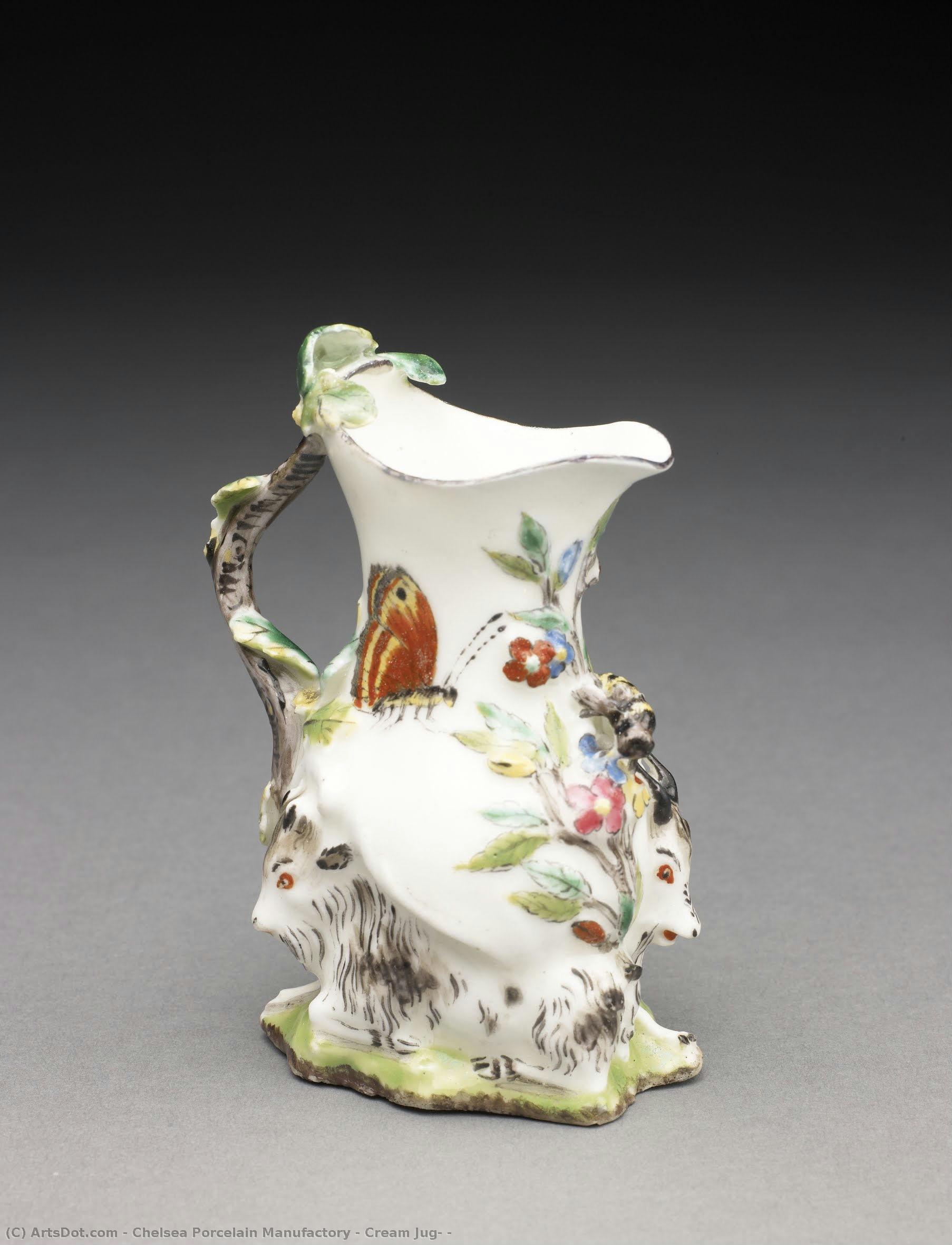
Cream Jug,

 Ver más
Reproducción al óleo hecha a mano
Óleo sobre lienzo pintado a mano en el tamaño y marco de su elección, realizado por encargo por nuestros artistas. ( Comprar impresión Comprar imagen)




































Elija entre nuestros tamaños predefinidos que respetan las proporciones originales de la obra.

Puede ingresar sus propias dimensiones para adaptarse a un marco o espacio específico. Si el tamaño seleccionado no coincide con las proporciones de la imagen original, recortaremos la obra o extenderemos la pintura con elementos adicionales pintados a mano. Se le enviará una maqueta digital para su aprobación antes de comenzar la producción.
Tenga en cuenta que la vista previa en pantalla no refleja el recorte o la extensión reales. Solo la maqueta mostrará con precisión la composición final.
Si bien existen tamaños personalizados, recomendamos seleccionar una dimensión de la lista predefinida para preservar las proporciones originales.
Tras realizar el pedido, el equipo de ArtsDot.com enviará un correo electrónico al cliente para solicitar instrucciones y proporcionarle una vista previa del boceto.
Envío a todo el mundo () en 3-4 semanas en lugar de las 5 semanas estándar. (27 agosto). Sin comprometer la calidad.

Envío exprés gratuito a todo el mundo

Lienzo de lino de alta calidad

Seguro de envío total

Garantía de reembolso de impuestos aduaneros

Garantía de fidelidad cromática exacta

Política de devolución de 60 días (solo por defectos)

Garantía de devolución del 100% del dinero

Descuento por cantidad
 La opción de vidrio solo está disponible en tamaños inferiores a 110 cm.

Cream Jug,
Técnica de reproducción
Dimensiones de la reproducción
-


Precio total final
$ 263
Obras relacionadas








Biografía del artista
Delving into the Mysterious Realm of Eighteenth-Century British Porcelain
In the realm of porcelain, few names evoke as much intrigue as Chelsea Porcelain Manufactory, a pioneering force in the United Kingdom’s ceramics history. Established around 1743–45, this manufactory not only marked the beginning of Britain's significant porcelain production but also left an indelible mark on the world of art and collectibles. The genesis of Chelsea Porcelain Manufactory was the first major porcelain manufacturer in England. Its inception signaled a shift towards more sophisticated ceramic production, moving beyond mere functional items to create pieces of beauty and luxury. This early venture into porcelain manufacturing operated independently until its merger with Derby Porcelain in 1770.Notable Artistic Achievements and Works
Soft-paste Porcelain: Throughout its operational history, Chelsea Porcelain Manufactory was renowned for producing soft-paste porcelain. This innovative approach allowed for greater delicacy and a wider range of creative possibilities. The meticulous crafting process demanded exceptional skill and precision from artisans, resulting in pieces that captivated collectors and connoisseurs alike. Consider the “Goat and Bee” cream jugs with seated goats at the base, incised with "Chelsea," "1745," and a triangle – an emblem of early Chelsea’s identity and artistic ambition. Similarly, the Shepherdess, housed in the Gardiner Museum of Ceramic Art in Toronto, exemplifies the manufactory's dedication to capturing natural beauty and conveying emotion through sculptural form.Museums Featuring Chelsea Porcelain Manufactory’s Works
The Currier Museum of Art, located in Manchester, United States, showcases a diverse collection of porcelain pieces that illuminate the broader context of ceramic artistry during the eighteenth century. Its holdings offer invaluable insights into stylistic trends and technical innovations prevalent at the time. Furthermore, exploring the collections of institutions like The Bowes Museum in Barnard Castle contributes to a richer understanding of Chelsea Porcelain Manufactory’s legacy within British cultural heritage.Legacy and Cultural Significance
Chelsea Porcelain Manufactory played a pivotal role in establishing Britain as a dominant force in the world of ceramics. Its influence extended beyond mere production volume, shaping aesthetic sensibilities and inspiring subsequent generations of artisans. The Anglo-Japanese Style—characterized by asymmetrical shapes and natural motifs—became a prominent inspiration for Chelsea’s designers, resulting in breathtaking garnitures featuring vases adorned with Rococo scrollwork and elaborate groupings depicting couples amidst flowering plants. These creations stand as testaments to the manufactory's commitment to artistic excellence and its contribution to the evolution of European decorative arts. The meticulous documentation of Chelsea’s output—catalogs from 1755, 1756, and (partially) 1761—remain invaluable resources for scholars studying eighteenth-century ceramics and their impact on British culture. ##The Merger with Derby Porcelain In 1770, the Chelsea Manufactory was acquired by William Duesbury, owner of Derby Porcelain, marking a significant juncture in ceramic history. This union consolidated expertise and resources, propelling Derby Porcelain to prominence while preserving Chelsea’s distinctive artistic heritage. The resulting “Chelsea-Derby Period” witnessed a harmonious blend of stylistic influences—Meissen porcelain models served as inspiration for Derby artisans—resulting in exquisite tableware and sculptural creations that continue to fascinate collectors today.
Chelsea Porcelain Manufactory
United Kingdom
Datos clave
- Artistic Movement Or Style: Soft-paste porcelain
- Full Name: Chelsea Porcelain Manufactory
- Nationality: British
- Notable Artworks:
- Clock Case, Chelsea, 1760-65
- Gardener
- Cat and Mouse
- Place Of Birth: United Kingdom